

Beverages, OCEAN SPRAY, Diet Cranberry Juice
Whole food · Beverages

Photo: Wikipedia
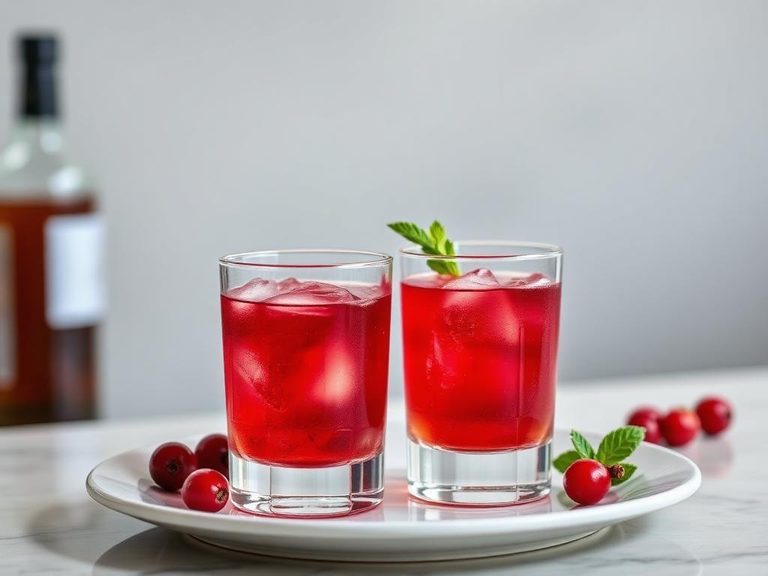
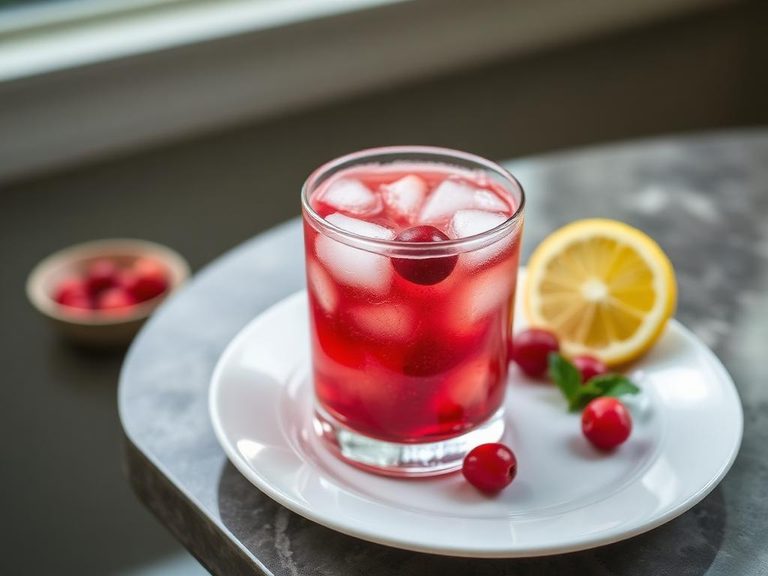
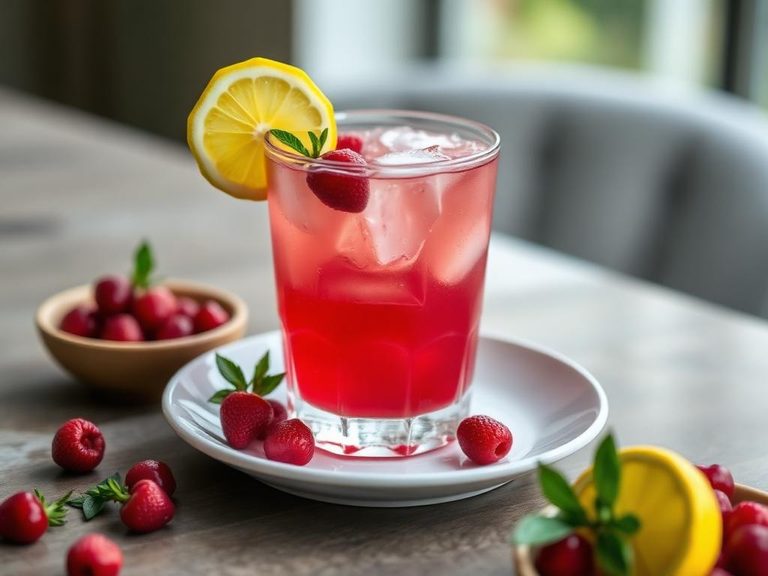
This is a light, tangy, and refreshing diet cranberry juice drink, delivering a sharp, tart cranberry flavor with a clean finish and no added sugar. It's a low-calorie, hydrating beverage that captures the signature pucker of cranberries in a guilt-free form.
Calorie split: 8% protein · 92% carbs · 0% fat
↓ Full nutrition💚 Why it's loved
People love it for its authentic, sharp cranberry tang that provides a refreshing, palate-cleansing sip without the sugar crash. It's a versatile mixer for cocktails and mocktails, and a staple in holiday meals for its ability to cut through rich foods.
⚠️ Watch-outs & how to enjoy it better
The intense tartness can be off-putting to some palates, and it contains artificial sweeteners which some individuals prefer to avoid. Those sensitive to acidic beverages may experience tooth enamel erosion or digestive discomfort; pairing it with a meal and rinsing your mouth with water afterward can help mitigate these effects.
Key benefits
- Extremely low in calories (4 kcal per 100g)
- Contains no fat or cholesterol
- Provides a small amount of dietary fiber (0.6g per 100g)
- Offers the classic tart flavor of cranberries without sugar
- A hydrating, zero-fat beverage option
🍽️ Popular dishes

🌍 Where it's eaten
💡 Did you know?
Ocean Spray is a cooperative of over 700 cranberry and grape farmers, and it takes about 450 hand-picked cranberries to make one gallon of juice.
Full nutrition (USDA data · scales with serving)
| Water | 99.2 g |
| Energy | 4.0 kcal |
| Energy | 15.0 kj |
| Protein | 0.07 g |
| Total lipid (fat) | 0.00 g |
| Ash | 0.07 g |
| Carbohydrate, by difference | 0.80 g |
| Fiber, total dietary | 0.60 g |
| Total Sugars | 0.25 g |
| Sucrose | 0.07 g |
| Glucose | 0.10 g |
| Fructose | 0.07 g |
| Lactose | 0.00 g |
| Maltose | 0.00 g |
| Galactose | 0.00 g |
| Calcium, Ca | 3.0 mg |
| Iron, Fe | 0.04 mg |
| Magnesium, Mg | 1.0 mg |
| Phosphorus, P | 0.00 mg |
| Potassium, K | 8.0 mg |
| Sodium, Na | 7.0 mg |
| Zinc, Zn | 0.03 mg |
| Copper, Cu | 0.01 mg |
| Manganese, Mn | 0.01 mg |
| Selenium, Se | 0.00 ug |
| Vitamin C, total ascorbic acid | 39.1 mg |
| Thiamin | 0.00 mg |
| Riboflavin | 0.00 mg |
| Niacin | 0.03 mg |
| Vitamin B-6 | 0.00 mg |
| Folate, total | 4.0 ug |
| Folic acid | 4.0 ug |
| Folate, food | 0.00 ug |
| Folate, DFE | 8.0 ug |
| Choline, total | 0.00 mg |
| Vitamin B-12 | 0.00 ug |
| Vitamin B-12, added | 0.00 ug |
| Vitamin A, RAE | 1.0 ug |
| Retinol | 0.00 ug |
| Carotene, beta | 15.0 ug |
| Carotene, alpha | 0.00 ug |
| Cryptoxanthin, beta | 0.00 ug |
| Vitamin A, IU | 25.0 iu |
| Lycopene | 0.00 ug |
| Lutein + zeaxanthin | 0.00 ug |
| Vitamin E (alpha-tocopherol) | 0.00 mg |
| Vitamin E, added | 0.00 mg |
| Vitamin D (D2 + D3), International Units | 0.00 iu |
| Vitamin D (D2 + D3) | 0.00 ug |
| Vitamin K (phylloquinone) | 0.00 ug |
| Alcohol, ethyl | 0.00 g |
| Caffeine | 0.00 mg |
| Theobromine | 0.00 mg |
Fat & fatty acid profile (per 100g)
| Fatty acids, total saturated | 0.00 g |
| Fatty acids, total monounsaturated | 0.00 g |
| Fatty acids, total polyunsaturated | 0.00 g |
| Fatty acids, total trans | 0.00 g |
| Cholesterol | 0.00 mg |
Amino acid profile (per 100g)
Estimated from Beverages, carbonated, tonic water — USDA does not publish this profile for Beverages.
| Tryptophan | 0.00 g |
| Threonine | 0.00 g |
| Isoleucine | 0.00 g |
| Leucine | 0.00 g |
| Lysine | 0.00 g |
| Methionine | 0.00 g |
| Cystine | 0.00 g |
| Phenylalanine | 0.00 g |
| Tyrosine | 0.00 g |
| Valine | 0.00 g |
| Arginine | 0.00 g |
| Histidine | 0.00 g |
| Alanine | 0.00 g |
| Aspartic acid | 0.00 g |
| Glutamic acid | 0.00 g |
| Glycine | 0.00 g |
| Proline | 0.00 g |
| Serine | 0.00 g |
FAQ
Why is it called 'diet' cranberry juice?
It's labeled 'diet' because it contains no sugar and uses artificial or non-nutritive sweeteners to achieve a sweet taste, resulting in a very low calorie count compared to regular juice.
Does it contain real cranberry juice?
Yes, it typically contains a percentage of real cranberry juice concentrate, but it is diluted with water and supplemented with other juices, flavors, and sweeteners.
Is it good for urinary tract health?
While cranberries contain compounds that may help prevent bacteria from adhering to the urinary tract, diet cranberry juice drinks have very low concentrations of these compounds. For potential benefits, pure, unsweetened cranberry juice or supplements are more effective.
Nutrient density (calculated · NRF9.3)
Nutrient Rich Foods index: beneficial nutrients (protein, fiber, vitamins, minerals) minus saturated fat, added sugar & sodium, per 100 kcal.
NRF9.3 index — Fulgoni, Keast & Drewnowski, 2009. Computed from USDA nutrients.
Weight-loss friendliness (composite index)
Energy density 0.04 kcal/g · 7% calories from protein · 0.6 g fiber · 0.3 g sugar per 100 g.
Composite of energy density (Rolls et al., 1999), protein & fiber satiety, minus sugar. A calculated heuristic — ranks satiety-per-calorie, not a clinical measure.
Dietary load (calculated from USDA values)
Potential renal acid load. Positive = acid-forming, negative = alkaline-forming.
Sodium-to-potassium ratio: 0.88 (lower is better — aim for ≤ 1)
Sodium:potassium per WHO potassium guidance. Computed from USDA nutrients.