

Alcoholic beverages, wine, rose
Whole food · Beverages

Photo: Wikipedia
Rosé wine is a blush-hued wine made from red grapes with minimal skin contact, yielding a drink that's lighter than red but more structured than white. Its flavor profile ranges from crisp and dry with notes of strawberry, citrus, and melon to sweeter, fruit-forward styles. Nutritionally, it's a low-calorie alcoholic beverage at 83 kcal per 100g, with its calories coming almost entirely from alcohol and a small amount of residual sugar.
Calorie split: 9% protein · 91% carbs · 0% fat
↓ Full nutrition💚 Why it's loved
People love rosé for its refreshing, approachable character and its vibrant pink color, which makes it visually appealing and festive. Its versatility shines in social settings, pairing effortlessly with everything from salads and seafood to grilled meats and charcuterie.
⚠️ Watch-outs & how to enjoy it better
The alcohol content can contribute to blood sugar spikes and empty calories, and it may not be suitable for those with alcohol sensitivities or certain health conditions. To mitigate, practice portion control (stick to a 5-ounce serving), pair with protein or healthy fats to slow absorption, and choose drier styles with lower residual sugar.
Key benefits
- Lower in calories than many red wines and cocktails
- Contains antioxidants like resveratrol and polyphenols from grape skins
- Often lower in tannins, making it gentler on the palate
- Versatile for pairing with a wide range of foods
- Can be enjoyed as a lighter alternative to heavier wines
🍽️ Popular dishes
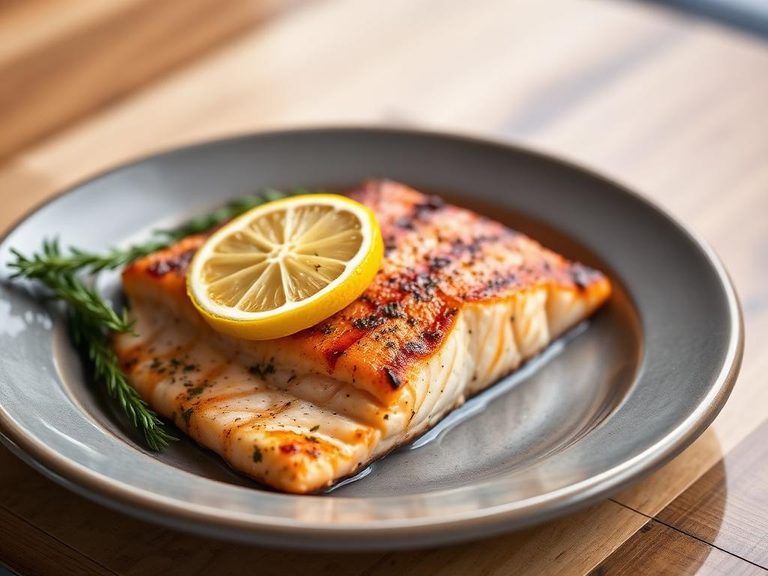
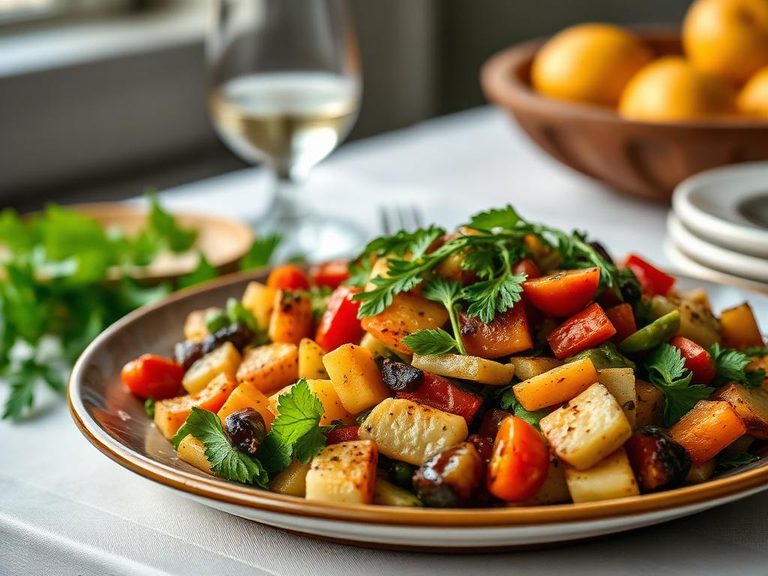
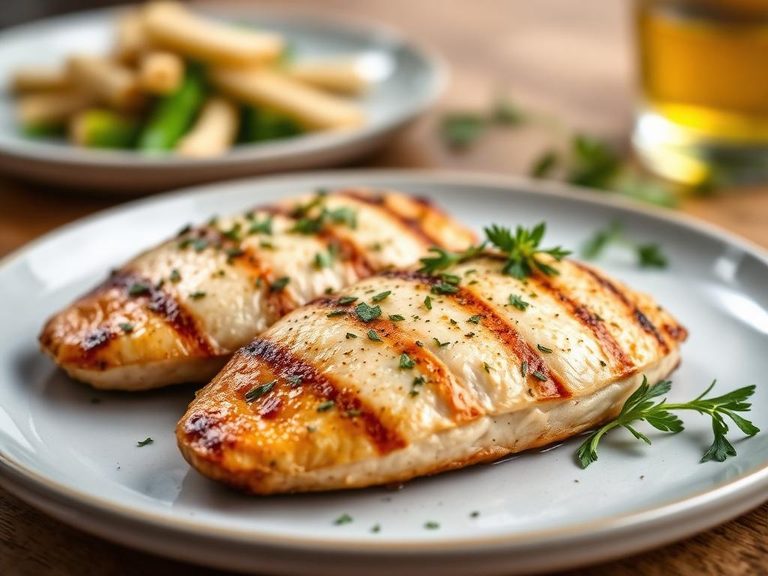
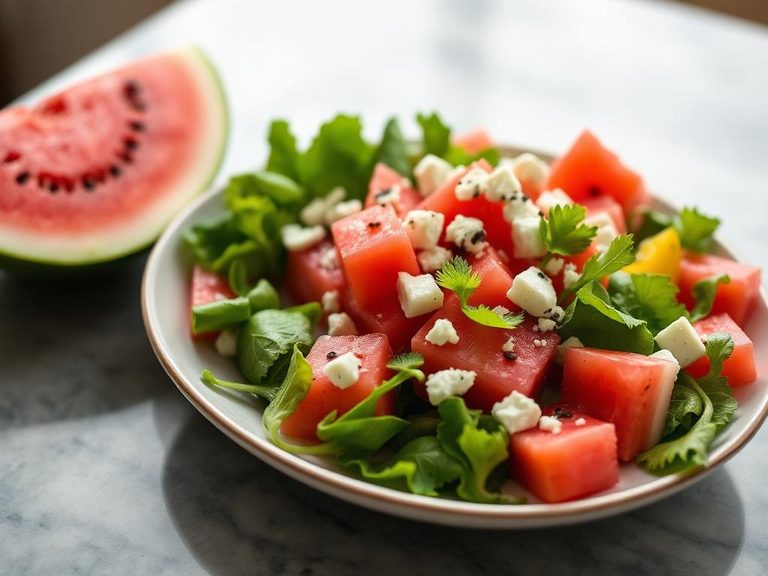
🌍 Where it's eaten
💡 Did you know?
Rosé wine is not a blend of red and white wine; it's made from red grapes with brief skin contact, which gives it its pink color.
Full nutrition (USDA data · scales with serving)
| Water | 86.4 g |
| Energy | 83.0 kcal |
| Energy | 348 kj |
| Protein | 0.36 g |
| Total lipid (fat) | 0.00 g |
| Ash | 0.16 g |
| Carbohydrate, by difference | 3.8 g |
| Fiber, total dietary | 0.00 g |
| Total Sugars | 3.8 g |
| Sucrose | 0.00 g |
| Glucose | 1.7 g |
| Fructose | 2.1 g |
| Lactose | 0.00 g |
| Maltose | 0.00 g |
| Galactose | 0.00 g |
| Calcium, Ca | 10.0 mg |
| Iron, Fe | 0.20 mg |
| Magnesium, Mg | 10.0 mg |
| Phosphorus, P | 18.0 mg |
| Potassium, K | 59.0 mg |
| Sodium, Na | 5.0 mg |
| Zinc, Zn | 0.11 mg |
| Copper, Cu | 0.01 mg |
| Manganese, Mn | 0.13 mg |
| Selenium, Se | 0.20 ug |
| Vitamin C, total ascorbic acid | 0.00 mg |
| Thiamin | 0.02 mg |
| Riboflavin | 0.01 mg |
| Niacin | 0.09 mg |
| Pantothenic acid | 0.15 mg |
| Vitamin B-6 | 0.04 mg |
| Folate, total | 1.0 ug |
| Folic acid | 0.00 ug |
| Folate, food | 1.0 ug |
| Folate, DFE | 1.0 ug |
| Choline, total | 0.00 mg |
| Vitamin B-12 | 0.01 ug |
| Vitamin B-12, added | 0.00 ug |
| Vitamin A, RAE | 0.00 ug |
| Retinol | 0.00 ug |
| Carotene, beta | 0.00 ug |
| Carotene, alpha | 0.00 ug |
| Cryptoxanthin, beta | 0.00 ug |
| Vitamin A, IU | 0.00 iu |
| Lycopene | 0.00 ug |
| Lutein + zeaxanthin | 0.00 ug |
| Vitamin E (alpha-tocopherol) | 0.00 mg |
| Vitamin E, added | 0.00 mg |
| Vitamin D (D2 + D3), International Units | 0.00 iu |
| Vitamin D (D2 + D3) | 0.00 ug |
| Vitamin K (phylloquinone) | 0.00 ug |
| Alcohol, ethyl | 9.6 g |
| Caffeine | 0.00 mg |
| Theobromine | 0.00 mg |
Fat & fatty acid profile (per 100g)
| Fatty acids, total saturated | 0.00 g |
| SFA 4:0 | 0.00 g |
| SFA 6:0 | 0.00 g |
| SFA 8:0 | 0.00 g |
| SFA 10:0 | 0.00 g |
| SFA 12:0 | 0.00 g |
| SFA 14:0 | 0.00 g |
| SFA 16:0 | 0.00 g |
| SFA 18:0 | 0.00 g |
| Fatty acids, total monounsaturated | 0.00 g |
| MUFA 16:1 | 0.00 g |
| MUFA 18:1 | 0.00 g |
| MUFA 20:1 | 0.00 g |
| MUFA 22:1 | 0.00 g |
| Fatty acids, total polyunsaturated | 0.00 g |
| PUFA 18:2 | 0.00 g |
| PUFA 18:3 | 0.00 g |
| PUFA 18:4 | 0.00 g |
| PUFA 20:4 | 0.00 g |
| PUFA 20:5 n-3 (EPA) | 0.00 g |
| PUFA 22:5 n-3 (DPA) | 0.00 g |
| PUFA 22:6 n-3 (DHA) | 0.00 g |
| Cholesterol | 0.00 mg |
FAQ
Is rosé wine healthier than red wine?
Rosé typically has fewer calories and less tannin than red wine, but it also has fewer antioxidants. It's not necessarily healthier, but it can be a lighter option.
Does rosé wine have sugar?
Yes, rosé contains residual sugar, especially sweeter styles. Dry rosé has about 1-2g sugar per 100ml, while sweet rosé can have more.
Can I drink rosé if I'm watching my carbs?
Rosé is relatively low in carbs (about 3.8g per 100g), but it still contributes to carb intake. Stick to dry styles and moderate portions.
Nutrient density (calculated · NRF9.3)
Nutrient Rich Foods index: beneficial nutrients (protein, fiber, vitamins, minerals) minus saturated fat, added sugar & sodium, per 100 kcal.
NRF9.3 index — Fulgoni, Keast & Drewnowski, 2009. Computed from USDA nutrients.
Weight-loss friendliness (composite index)
Energy density 0.83 kcal/g · 2% calories from protein · 0.0 g fiber · 3.8 g sugar per 100 g.
Composite of energy density (Rolls et al., 1999), protein & fiber satiety, minus sugar. A calculated heuristic — ranks satiety-per-calorie, not a clinical measure.
Dietary load (calculated from USDA values)
Potential renal acid load. Positive = acid-forming, negative = alkaline-forming.
Sodium-to-potassium ratio: 0.08 (lower is better — aim for ≤ 1)
Sodium:potassium per WHO potassium guidance. Computed from USDA nutrients.