

Winged beans, mature seeds, raw
Whole food · Legumes and Legume Products

Photo: Wikipedia
Winged bean mature seeds are small, dark brown legumes with a distinctively nutty, earthy flavor and a firm, slightly crunchy texture when raw. They are a nutritional powerhouse, boasting an exceptional protein content of nearly 30g per 100g, rivaling many animal sources. Their impressive fiber content of almost 26g per 100g makes them a standout for digestive health.
Calorie split: 27% protein · 39% carbs · 34% fat
↓ Full nutrition💚 Why it's loved
People cherish winged beans for their unique, robust nutty flavor that deepens when cooked, and their incredible versatility in absorbing spices and sauces. They are a beloved staple in many tropical cuisines, valued for both their taste and their role as a sustainable, nutrient-dense food.
⚠️ Watch-outs & how to enjoy it better
Raw winged beans contain anti-nutrients like trypsin inhibitors and lectins, which can cause digestive discomfort. They must be thoroughly cooked—boiled, roasted, or sprouted—to neutralize these compounds and make their nutrients bioavailable. Those with legume sensitivities should introduce them gradually.
Key benefits
- Exceptionally high in plant-based protein
- Very rich in dietary fiber for digestive health
- Good source of essential minerals like potassium and manganese
- Naturally low in sugar
🍽️ Popular dishes
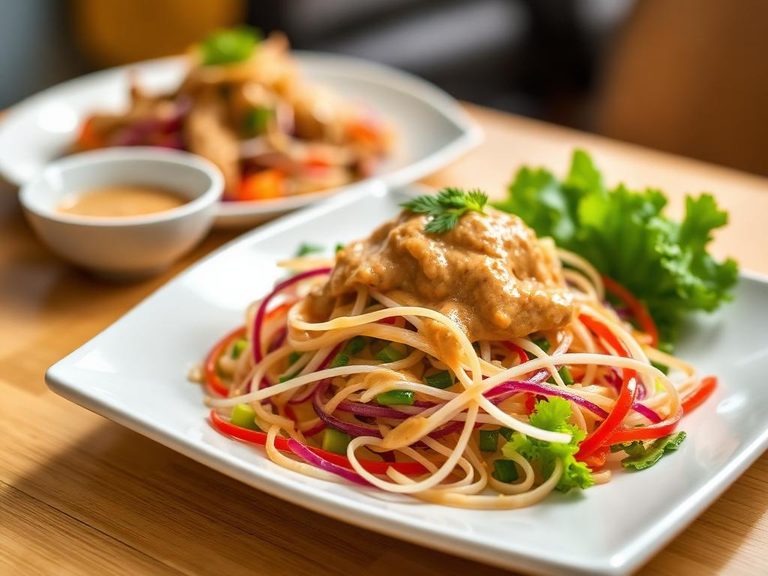
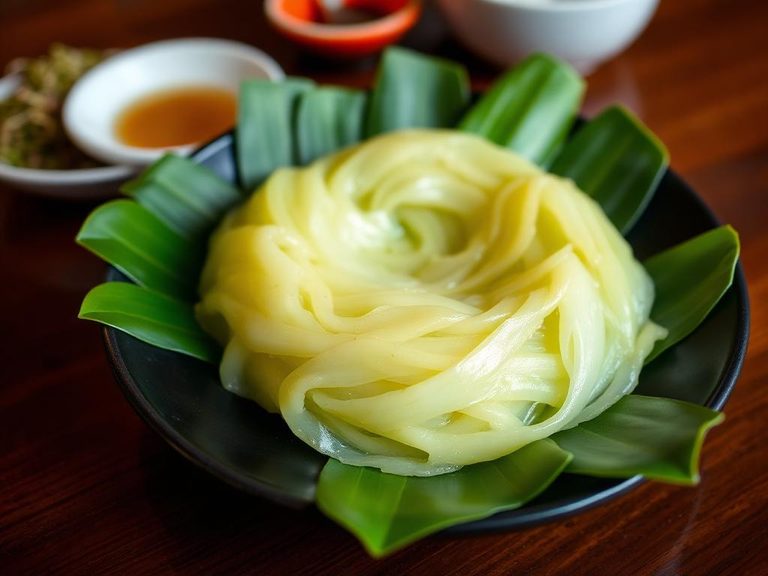
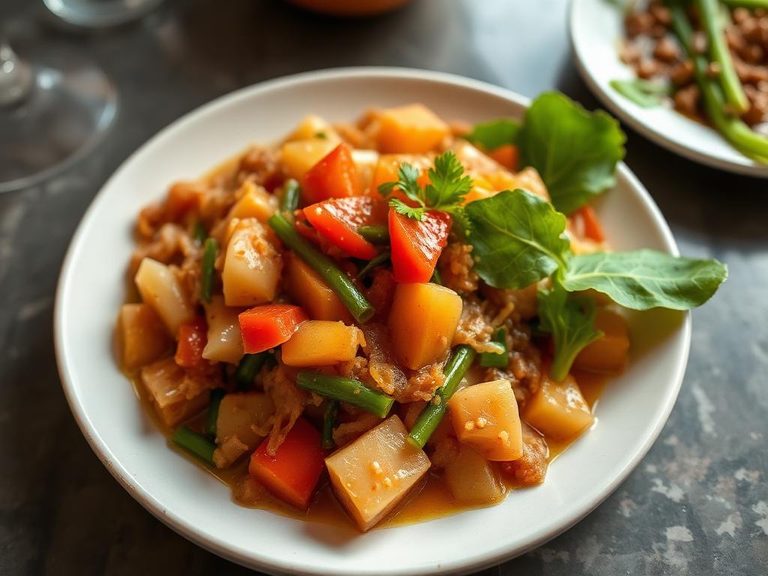
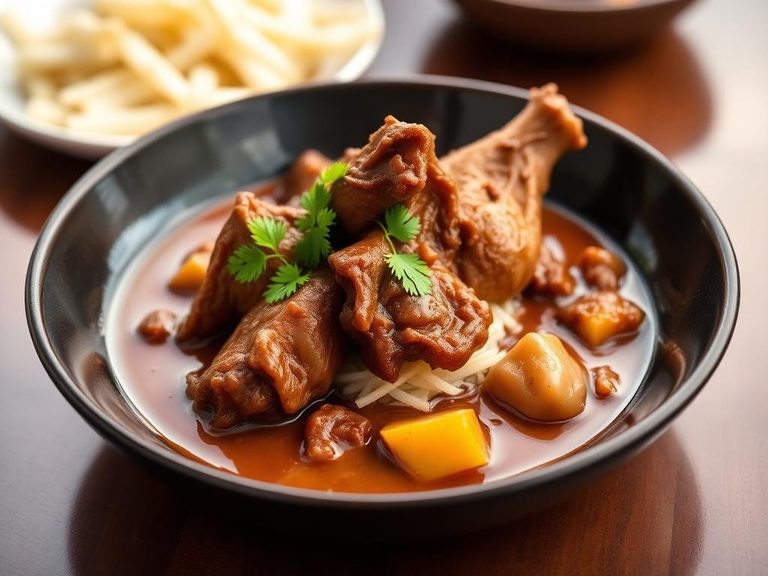
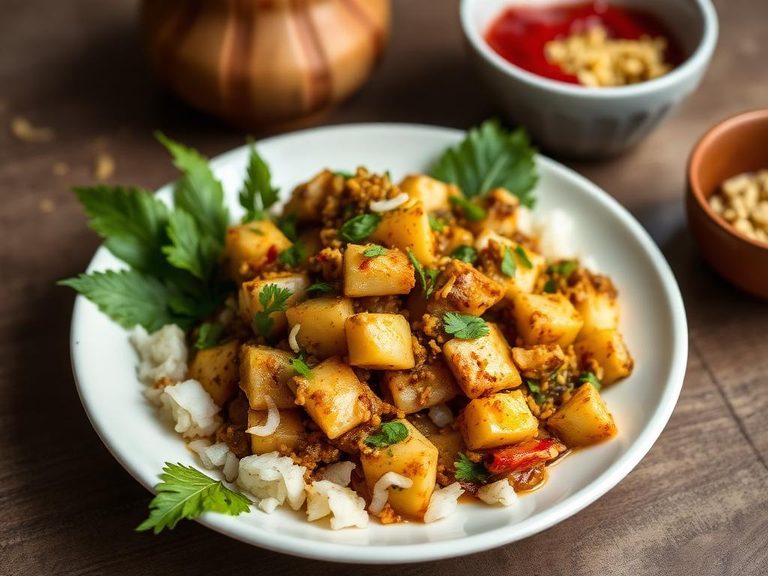
🌍 Where it's eaten
💡 Did you know?
The winged bean plant is often called a 'one-plant supermarket' because nearly every part is edible: the leaves, flowers, young pods, and tuberous roots are all consumed in various cultures.
Full nutrition (USDA data · scales with serving)
| Water | 8.3 g |
| Energy | 409 kcal |
| Energy | 1711 kj |
| Protein | 29.6 g |
| Total lipid (fat) | 16.3 g |
| Ash | 4.0 g |
| Carbohydrate, by difference | 41.7 g |
| Fiber, total dietary | 25.9 g |
| Calcium, Ca | 440 mg |
| Iron, Fe | 13.4 mg |
| Magnesium, Mg | 179 mg |
| Phosphorus, P | 451 mg |
| Potassium, K | 977 mg |
| Sodium, Na | 38.0 mg |
| Zinc, Zn | 4.5 mg |
| Copper, Cu | 2.9 mg |
| Manganese, Mn | 3.7 mg |
| Selenium, Se | 8.2 ug |
| Vitamin C, total ascorbic acid | 0.00 mg |
| Thiamin | 1.0 mg |
| Riboflavin | 0.45 mg |
| Niacin | 3.1 mg |
| Pantothenic acid | 0.80 mg |
| Vitamin B-6 | 0.17 mg |
| Folate, total | 45.0 ug |
| Folic acid | 0.00 ug |
| Folate, food | 45.0 ug |
| Folate, DFE | 45.0 ug |
| Vitamin B-12 | 0.00 ug |
| Vitamin A, RAE | 0.00 ug |
| Retinol | 0.00 ug |
| Carotene, beta | 0.00 ug |
| Carotene, alpha | 0.00 ug |
| Cryptoxanthin, beta | 0.00 ug |
| Vitamin A, IU | 0.00 iu |
| Lycopene | 0.00 ug |
| Lutein + zeaxanthin | 0.00 ug |
| Vitamin D (D2 + D3), International Units | 0.00 iu |
| Vitamin D (D2 + D3) | 0.00 ug |
| Alcohol, ethyl | 0.00 g |
| Caffeine | 0.00 mg |
| Theobromine | 0.00 mg |
Fat & fatty acid profile (per 100g)
| Fatty acids, total saturated | 2.3 g |
| SFA 14:0 | 0.03 g |
| SFA 16:0 | 1.3 g |
| SFA 18:0 | 0.74 g |
| Fatty acids, total monounsaturated | 6.0 g |
| MUFA 16:1 | 0.06 g |
| MUFA 18:1 | 5.7 g |
| MUFA 20:1 | 0.30 g |
| Fatty acids, total polyunsaturated | 4.3 g |
| PUFA 18:2 | 4.1 g |
| PUFA 18:3 | 0.26 g |
| Fatty acids, total trans | 0.00 g |
| Cholesterol | 0.00 mg |
Amino acid profile (per 100g)
| Tryptophan | 0.76 g |
| Threonine | 1.2 g |
| Isoleucine | 1.5 g |
| Leucine | 2.5 g |
| Lysine | 2.1 g |
| Methionine | 0.36 g |
| Cystine | 0.55 g |
| Phenylalanine | 1.4 g |
| Tyrosine | 1.5 g |
| Valine | 1.5 g |
| Arginine | 1.9 g |
| Histidine | 0.79 g |
| Alanine | 1.0 g |
| Aspartic acid | 3.2 g |
| Glutamic acid | 4.0 g |
| Glycine | 1.1 g |
| Proline | 1.9 g |
| Serine | 1.2 g |
FAQ
How do I prepare raw winged bean seeds for eating?
They must be cooked thoroughly. Soak them overnight, then boil in fresh water for at least 45-60 minutes until tender. Alternatively, sprouting them for several days also neutralizes anti-nutrients and improves digestibility.
What do winged beans taste like?
They have a pronounced nutty, earthy flavor, somewhat reminiscent of a cross between a green bean and a lentil, with a firm, hearty texture.
Can I eat winged beans raw?
No, the mature seeds should not be eaten raw due to anti-nutritional compounds. They require cooking or sprouting to be safe and digestible.
Nutrient density (calculated · NRF9.3)
Nutrient Rich Foods index: beneficial nutrients (protein, fiber, vitamins, minerals) minus saturated fat, added sugar & sodium, per 100 kcal.
NRF9.3 index — Fulgoni, Keast & Drewnowski, 2009. Computed from USDA nutrients.
Weight-loss friendliness (composite index)
Energy density 4.09 kcal/g · 29% calories from protein · 25.9 g fiber · 0.0 g sugar per 100 g.
Composite of energy density (Rolls et al., 1999), protein & fiber satiety, minus sugar. A calculated heuristic — ranks satiety-per-calorie, not a clinical measure.
Dietary load (calculated from USDA values)
Potential renal acid load. Positive = acid-forming, negative = alkaline-forming.
Sodium-to-potassium ratio: 0.04 (lower is better — aim for ≤ 1)
Sodium:potassium per WHO potassium guidance. Computed from USDA nutrients.