

Turkey, all classes, breast, meat and skin, cooked, roasted
Whole food · Poultry Products
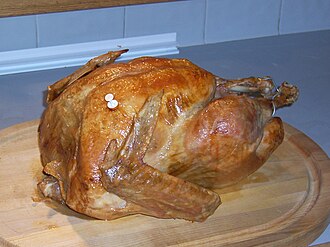
Photo: Wikipedia
Roasted turkey breast with skin is a lean, savory protein powerhouse with a satisfyingly tender texture and a subtle, savory flavor amplified by the rich, crispy skin. Each 100-gram serving delivers a hefty 28.71 grams of protein for just 189 calories, making it a favorite for those seeking high-quality nutrition without excess carbs.
Calorie split: 63% protein · 0% carbs · 37% fat
↓ Full nutrition💚 Why it's loved
People adore it for its mild, savory flavor that serves as a perfect canvas for herbs and spices, and its remarkable versatility—it's equally at home sliced on a sandwich, cubed in a salad, or served as a classic holiday centerpiece.
⚠️ Watch-outs & how to enjoy it better
The skin significantly increases the fat and calorie content, which may be a concern for strict low-fat diets. To enjoy the flavor without overdoing it, practice portion control by serving a smaller piece with skin or removing it after cooking. Additionally, if the bird is pre-brined or seasoned, it can be high in sodium; choosing unseasoned cuts or rinsing before cooking can help manage intake.
Key benefits
- Excellent source of high-quality, complete protein for muscle maintenance and satiety.
- Very low in carbohydrates, making it ideal for low-carb and ketogenic dietary patterns.
- Provides key nutrients like niacin, vitamin B6, and selenium.
- The skin adds flavor and healthy fats, enhancing meal satisfaction.
🍽️ Popular dishes
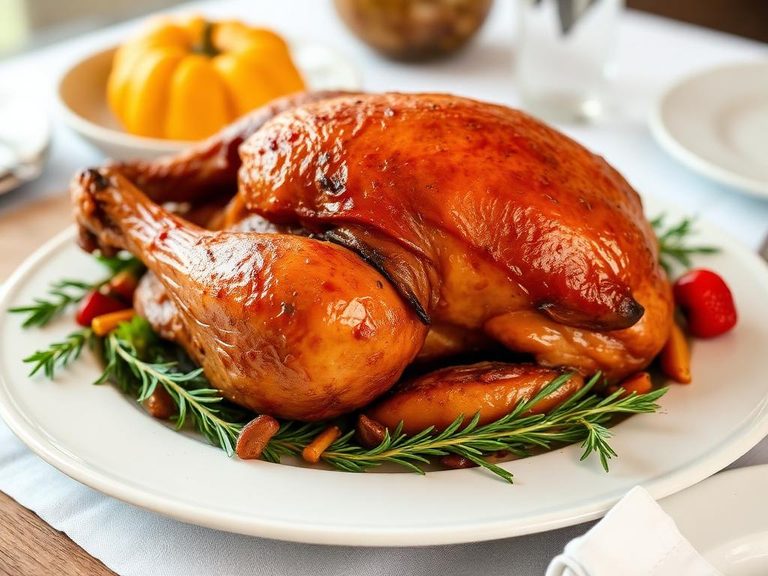
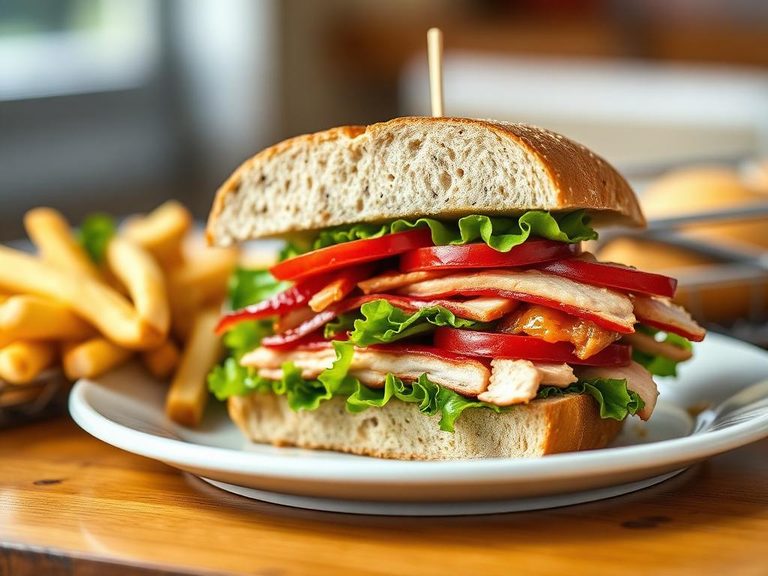
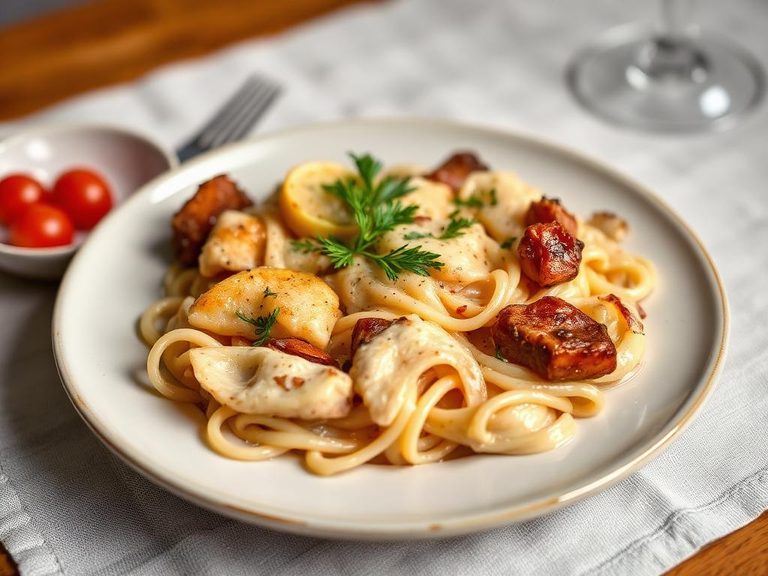
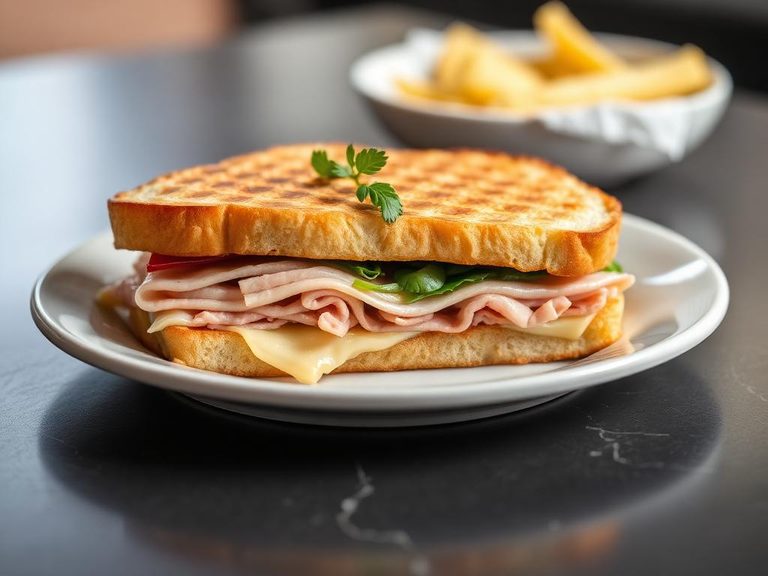
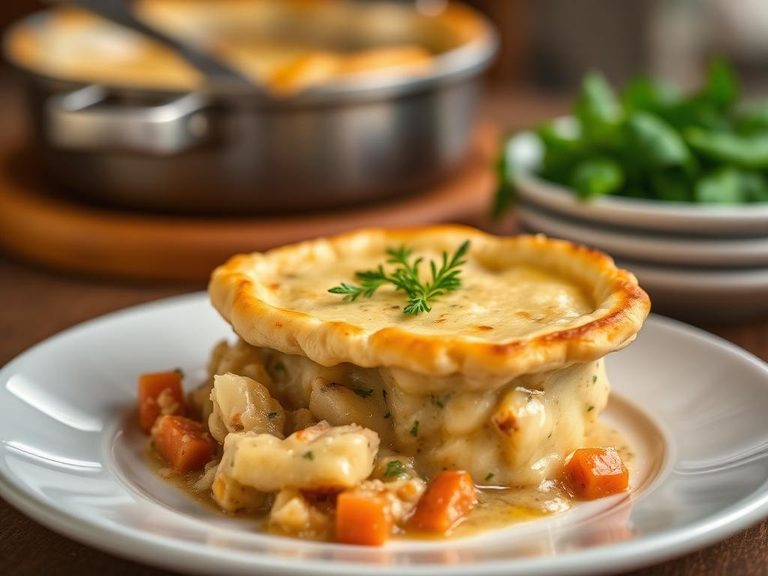
🌍 Where it's eaten
💡 Did you know?
The tradition of serving turkey for Thanksgiving in the U.S. was popularized in part by Sarah Josepha Hale, the editor who campaigned for decades to make it a national holiday.
Full nutrition (USDA data · scales with serving)
| Water | 63.2 g |
| Energy | 189 kcal |
| Energy | 791 kj |
| Protein | 28.7 g |
| Total lipid (fat) | 7.4 g |
| Ash | 1.0 g |
| Carbohydrate, by difference | 0.00 g |
| Fiber, total dietary | 0.00 g |
| Calcium, Ca | 21.0 mg |
| Iron, Fe | 1.4 mg |
| Magnesium, Mg | 27.0 mg |
| Phosphorus, P | 210 mg |
| Potassium, K | 288 mg |
| Sodium, Na | 63.0 mg |
| Zinc, Zn | 2.0 mg |
| Copper, Cu | 0.05 mg |
| Manganese, Mn | 0.02 mg |
| Selenium, Se | 29.1 ug |
| Vitamin C, total ascorbic acid | 0.00 mg |
| Thiamin | 0.06 mg |
| Riboflavin | 0.13 mg |
| Niacin | 6.4 mg |
| Pantothenic acid | 0.63 mg |
| Vitamin B-6 | 0.48 mg |
| Folate, total | 6.0 ug |
| Folic acid | 0.00 ug |
| Folate, food | 6.0 ug |
| Folate, DFE | 6.0 ug |
| Vitamin B-12 | 0.36 ug |
| Vitamin A, RAE | 0.00 ug |
| Retinol | 0.00 ug |
| Vitamin A, IU | 0.00 iu |
Fat & fatty acid profile (per 100g)
| Fatty acids, total saturated | 2.1 g |
| SFA 10:0 | 0.00 g |
| SFA 12:0 | 0.01 g |
| SFA 14:0 | 0.05 g |
| SFA 16:0 | 1.3 g |
| SFA 18:0 | 0.50 g |
| Fatty acids, total monounsaturated | 2.5 g |
| MUFA 16:1 | 0.40 g |
| MUFA 18:1 | 2.0 g |
| MUFA 20:1 | 0.01 g |
| MUFA 22:1 | 0.01 g |
| Fatty acids, total polyunsaturated | 1.8 g |
| PUFA 18:2 | 1.4 g |
| PUFA 18:3 | 0.08 g |
| PUFA 20:4 | 0.16 g |
| PUFA 20:5 n-3 (EPA) | 0.00 g |
| PUFA 22:5 n-3 (DPA) | 0.03 g |
| PUFA 22:6 n-3 (DHA) | 0.03 g |
| Cholesterol | 74.0 mg |
Amino acid profile (per 100g)
| Tryptophan | 0.32 g |
| Threonine | 1.3 g |
| Isoleucine | 1.4 g |
| Leucine | 2.2 g |
| Lysine | 2.6 g |
| Methionine | 0.81 g |
| Cystine | 0.31 g |
| Phenylalanine | 1.1 g |
| Tyrosine | 1.1 g |
| Valine | 1.5 g |
| Arginine | 2.0 g |
| Histidine | 0.87 g |
| Alanine | 1.8 g |
| Aspartic acid | 2.8 g |
| Glutamic acid | 4.6 g |
| Glycine | 1.7 g |
| Proline | 1.3 g |
| Serine | 1.3 g |
FAQ
Is turkey breast with skin healthier than without?
It depends on your goals. The skin adds calories and fat but also flavor and fat-soluble vitamins. Without skin, it's significantly leaner and lower in calories.
How do I keep roasted turkey breast moist?
Brining before cooking, basting with pan juices, or cooking to an internal temperature of 165°F (74°C) without overcooking are key methods to ensure juiciness.
Can I eat this on a low-carb diet?
Absolutely. With 0g of carbs per serving, it's an excellent protein choice for low-carb, keto, and Atkins-style diets.
Nutrient density (calculated · NRF9.3)
Nutrient Rich Foods index: beneficial nutrients (protein, fiber, vitamins, minerals) minus saturated fat, added sugar & sodium, per 100 kcal.
NRF9.3 index — Fulgoni, Keast & Drewnowski, 2009. Computed from USDA nutrients.
Weight-loss friendliness (composite index)
Energy density 1.89 kcal/g · 61% calories from protein · 0.0 g fiber · 0.0 g sugar per 100 g.
Composite of energy density (Rolls et al., 1999), protein & fiber satiety, minus sugar. A calculated heuristic — ranks satiety-per-calorie, not a clinical measure.
Dietary load (calculated from USDA values)
Potential renal acid load. Positive = acid-forming, negative = alkaline-forming.
Sodium-to-potassium ratio: 0.22 (lower is better — aim for ≤ 1)
Sodium:potassium per WHO potassium guidance. Computed from USDA nutrients.