

Sweet potato leaves, cooked, steamed, without salt
Whole food · Vegetables and Vegetable Products

Photo: Wikipedia
Steamed sweet potato leaves are tender, slightly earthy greens with a delicate, spinach-like texture and a subtle, mildly sweet finish. Nutritionally, they are a low-calorie powerhouse, delivering a solid dose of fiber and a surprising amount of plant-based protein for a leafy green. Their vibrant emerald color after steaming signals a rich concentration of vitamins and antioxidants.
Calorie split: 21% protein · 71% carbs · 7% fat
↓ Full nutrition💚 Why it's loved
People cherish sweet potato leaves for their versatile, mild flavor that absorbs seasonings beautifully, making them a staple in home-style cooking across many cultures. They are celebrated for transforming a simple, humble ingredient into a nutritious and comforting side dish.
⚠️ Watch-outs & how to enjoy it better
The leaves contain oxalates, which can contribute to kidney stones in susceptible individuals; pairing them with calcium-rich foods like tofu or sesame seeds can help mitigate this. Their mild flavor can become overly soft if overcooked, so quick steaming or stir-frying is recommended to preserve texture and nutrients.
Key benefits
- Excellent source of dietary fiber for digestive health.
- Rich in vitamins A, C, and K, supporting immunity and bone health.
- Contains plant-based protein with minimal fat.
- High in antioxidants like lutein and beta-carotene.
- Very low in calories, ideal for weight management.
🍽️ Popular dishes
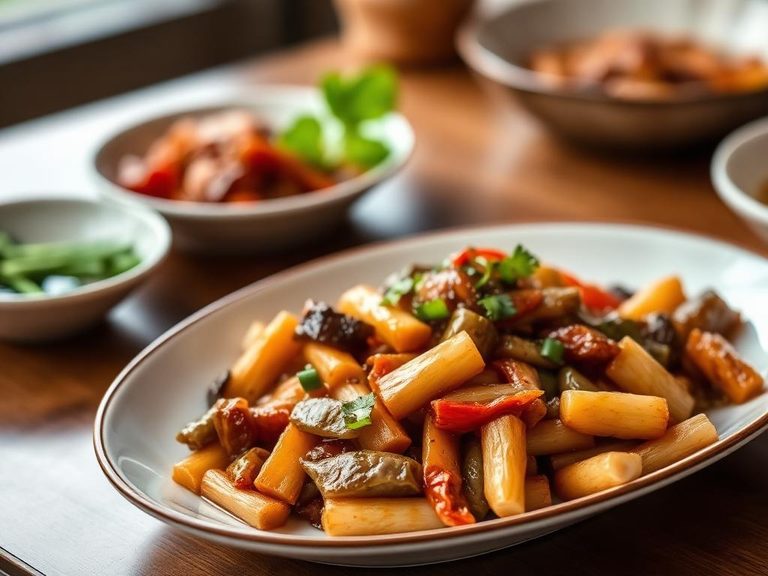 Stir-fried with garlic and oyster sauce (a classic Chinese home-style dish)
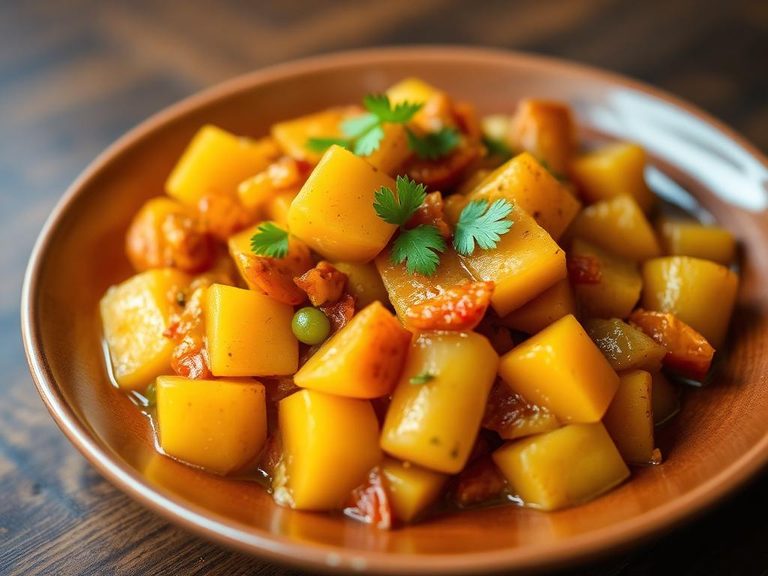 Ginisang Talbos ng Kamote (Filipino sautéed leaves with tomatoes and onions)
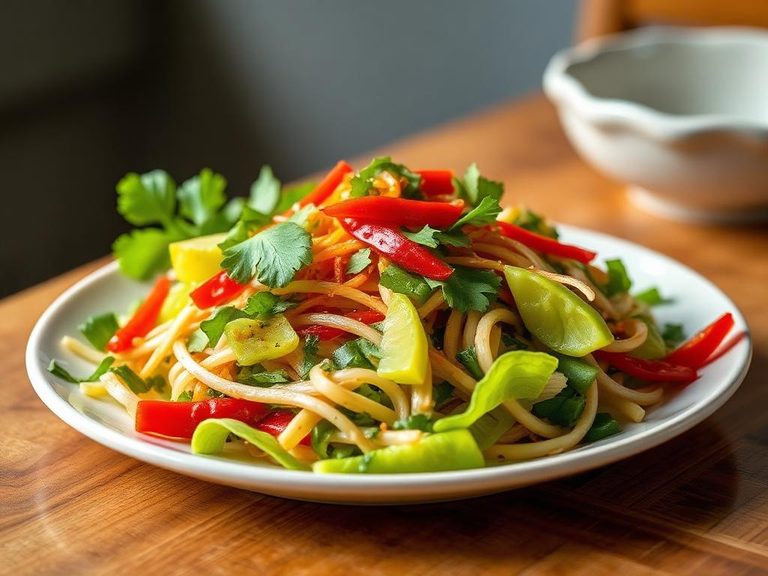 Thai-style salad with chili, lime, and fish sauce dressing
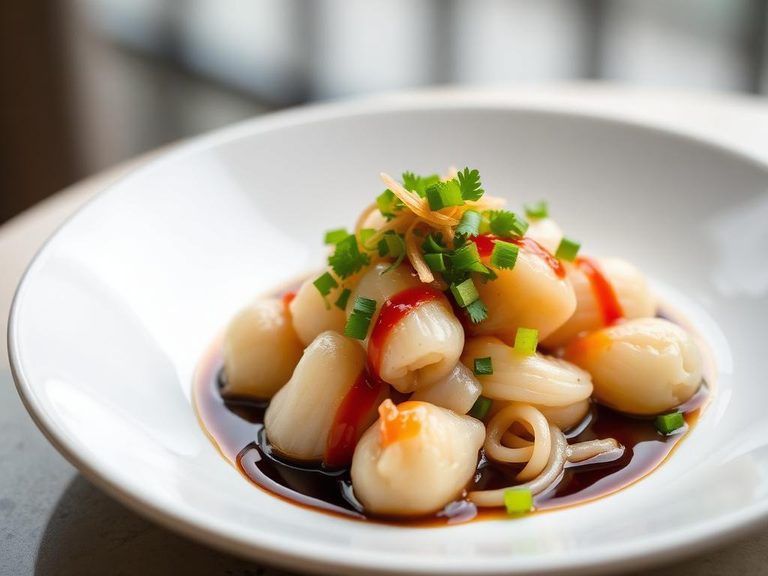 Boiled and served as a simple side with a drizzle of soy sauce
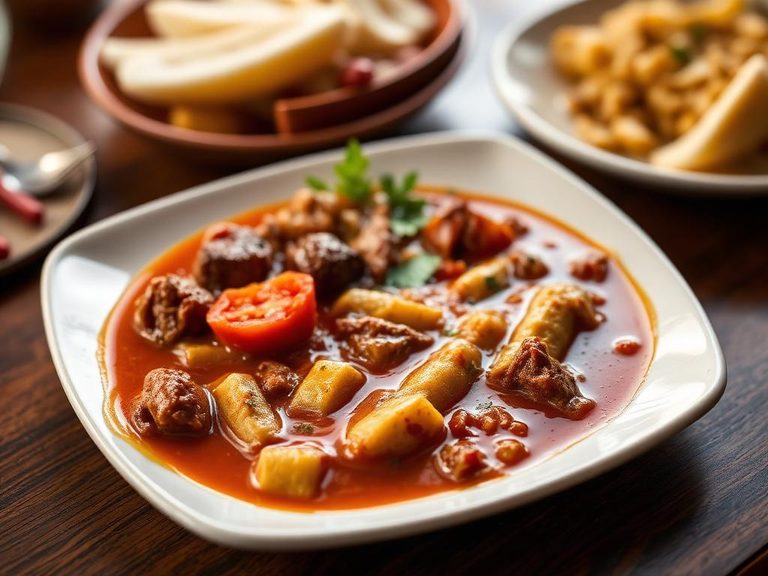 Added to soups or stews in West African cuisine
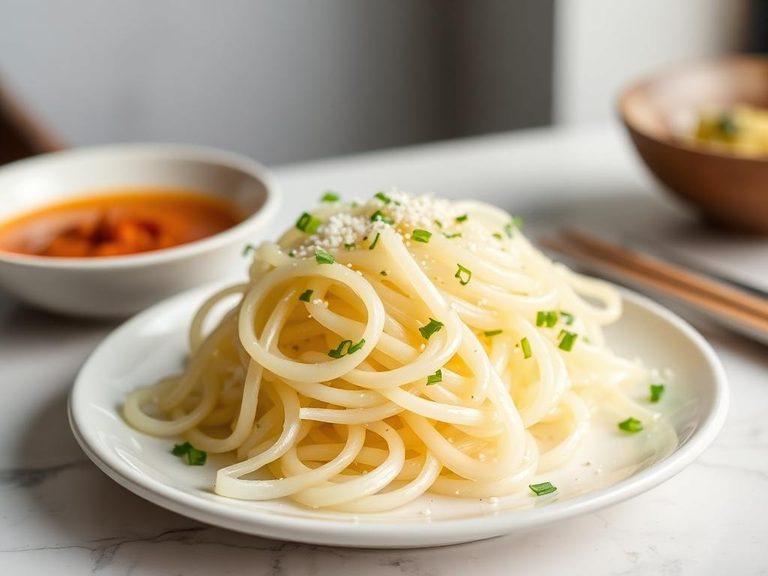 Blanched and dressed with sesame oil and salt (Japanese style)
🌍 Where it's eaten
💡 Did you know?
Sweet potato leaves are one of the few vegetables where the leaves are more nutritionally dense than the tuber itself, packing significantly more protein, fiber, and vitamins per gram.
Full nutrition (USDA data · scales with serving)
| Water | 89.2 g |
| Energy | 35.0 kcal |
| Energy | 144 kj |
| Protein | 2.2 g |
| Total lipid (fat) | 0.34 g |
| Ash | 0.89 g |
| Carbohydrate, by difference | 7.4 g |
| Fiber, total dietary | 1.9 g |
| Total Sugars | 5.5 g |
| Calcium, Ca | 33.0 mg |
| Iron, Fe | 0.63 mg |
| Magnesium, Mg | 48.0 mg |
| Phosphorus, P | 40.0 mg |
| Potassium, K | 312 mg |
| Sodium, Na | 7.0 mg |
| Zinc, Zn | 0.26 mg |
| Copper, Cu | 0.03 mg |
| Manganese, Mn | 0.23 mg |
| Selenium, Se | 0.90 ug |
| Vitamin C, total ascorbic acid | 1.5 mg |
| Thiamin | 0.11 mg |
| Riboflavin | 0.27 mg |
| Niacin | 1.0 mg |
| Pantothenic acid | 0.20 mg |
| Vitamin B-6 | 0.16 mg |
| Folate, total | 49.0 ug |
| Folic acid | 0.00 ug |
| Folate, food | 49.0 ug |
| Folate, DFE | 49.0 ug |
| Choline, total | 21.0 mg |
| Vitamin B-12 | 0.00 ug |
| Vitamin B-12, added | 0.00 ug |
| Vitamin A, RAE | 147 ug |
| Retinol | 0.00 ug |
| Carotene, beta | 1725 ug |
| Carotene, alpha | 33.0 ug |
| Cryptoxanthin, beta | 45.0 ug |
| Vitamin A, IU | 2939 iu |
| Lycopene | 0.00 ug |
| Lutein + zeaxanthin | 11449 ug |
| Vitamin E (alpha-tocopherol) | 0.96 mg |
| Vitamin E, added | 0.00 mg |
| Vitamin D (D2 + D3), International Units | 0.00 iu |
| Vitamin D (D2 + D3) | 0.00 ug |
| Vitamin K (phylloquinone) | 109 ug |
| Alcohol, ethyl | 0.00 g |
| Caffeine | 0.00 mg |
| Theobromine | 0.00 mg |
Fat & fatty acid profile (per 100g)
| Fatty acids, total saturated | 0.07 g |
| SFA 4:0 | 0.00 g |
| SFA 6:0 | 0.00 g |
| SFA 8:0 | 0.00 g |
| SFA 10:0 | 0.00 g |
| SFA 12:0 | 0.00 g |
| SFA 14:0 | 0.00 g |
| SFA 16:0 | 0.06 g |
| SFA 18:0 | 0.01 g |
| Fatty acids, total monounsaturated | 0.01 g |
| MUFA 16:1 | 0.00 g |
| MUFA 18:1 | 0.01 g |
| MUFA 20:1 | 0.00 g |
| MUFA 22:1 | 0.00 g |
| Fatty acids, total polyunsaturated | 0.13 g |
| PUFA 18:2 | 0.11 g |
| PUFA 18:3 | 0.02 g |
| PUFA 18:4 | 0.00 g |
| PUFA 20:4 | 0.00 g |
| PUFA 20:5 n-3 (EPA) | 0.00 g |
| PUFA 22:5 n-3 (DPA) | 0.00 g |
| PUFA 22:6 n-3 (DHA) | 0.00 g |
| Fatty acids, total trans | 0.00 g |
| Cholesterol | 0.00 mg |
Amino acid profile (per 100g)
| Tryptophan | 0.02 g |
| Lysine | 0.13 g |
| Methionine | 0.05 g |
| Cystine | 0.03 g |
FAQ
Are sweet potato leaves safe to eat raw?
While not toxic, they are rarely eaten raw due to their tough texture and mildly bitter taste. Cooking, especially quick steaming or stir-frying, makes them tender, palatable, and easier to digest.
How do I choose and store fresh sweet potato leaves?
Look for vibrant green leaves without yellowing or wilting. Store them unwashed in a plastic bag in the refrigerator crisper drawer and use within 2-3 days for best freshness.
Can I use the vines and stems?
Yes, the tender young stems and vines are edible and commonly used. Simply peel any tough outer skin from thicker stems and chop them to cook along with the leaves.
Nutrient density (calculated · NRF9.3)
Nutrient Rich Foods index: beneficial nutrients (protein, fiber, vitamins, minerals) minus saturated fat, added sugar & sodium, per 100 kcal.
NRF9.3 index — Fulgoni, Keast & Drewnowski, 2009. Computed from USDA nutrients.
Weight-loss friendliness (composite index)
Energy density 0.35 kcal/g · 25% calories from protein · 1.9 g fiber · 5.5 g sugar per 100 g.
Composite of energy density (Rolls et al., 1999), protein & fiber satiety, minus sugar. A calculated heuristic — ranks satiety-per-calorie, not a clinical measure.
Dietary load (calculated from USDA values)
Potential renal acid load. Positive = acid-forming, negative = alkaline-forming.
Sodium-to-potassium ratio: 0.02 (lower is better — aim for ≤ 1)
Sodium:potassium per WHO potassium guidance. Computed from USDA nutrients.