

Squab, (pigeon), meat only, raw
Whole food · Poultry Products

Photo: Wikipedia
Squab is the culinary term for a young domestic pigeon, prized for its remarkably tender, dark red meat with a rich, gamey flavor reminiscent of duck but more delicate and earthy. Nutritionally, it's a lean powerhouse, delivering a substantial 17.5 grams of protein per 100 grams with virtually no carbohydrates, making it a keto-friendly and paleo-approved choice. Its texture is fine-grained and succulent when cooked properly, often described as a cross between dark chicken meat and venison.
Calorie split: 51% protein · 0% carbs · 49% fat
↓ Full nutrition💚 Why it's loved
People love squab for its uniquely intense, savory flavor that feels both rustic and luxurious, often served at special occasions. Its versatility allows it to be roasted whole, braised, or grilled, with the meat pairing beautifully with robust herbs, fruits like cherries or figs, and rich sauces.
⚠️ Watch-outs & how to enjoy it better
The strong, gamey flavor can be off-putting to those accustomed to milder poultry like chicken, and improper cooking can lead to a tough or dry texture. As a red meat, it should be consumed in moderation by individuals monitoring cholesterol or saturated fat intake. To counteract toughness, use moist-heat cooking methods like braising or confit, and ensure internal temperature doesn't exceed 165°F (74°C); pair with acidic components like vinegar or wine in marinades to tenderize.
Key benefits
- Excellent source of high-quality, complete protein
- Very low in carbohydrates, suitable for ketogenic diets
- Rich in iron and B vitamins, supporting energy metabolism
- Leaner than many other red meats, with a favorable fat profile
- A traditional food in many cultures, often associated with delicacy and nourishment
🍽️ Popular dishes
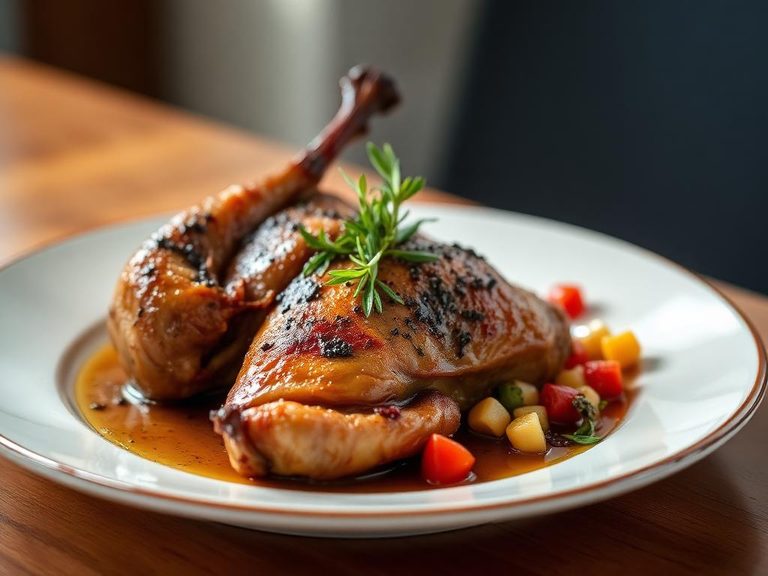
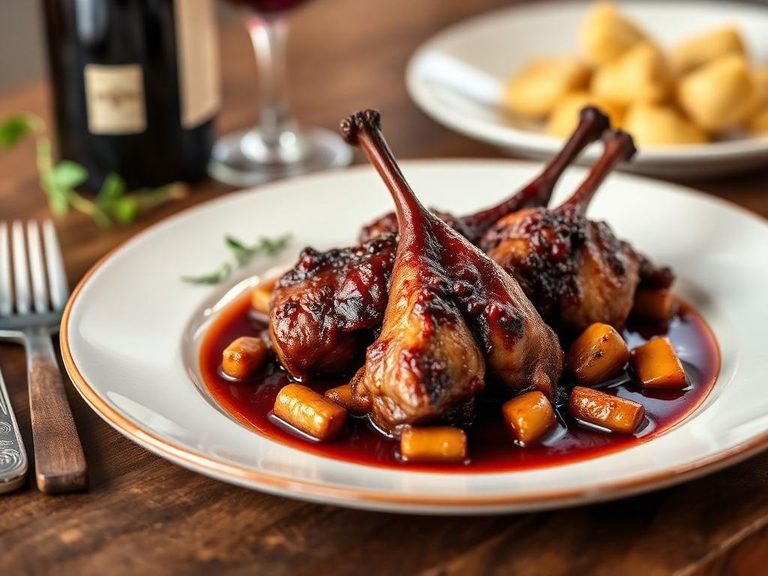
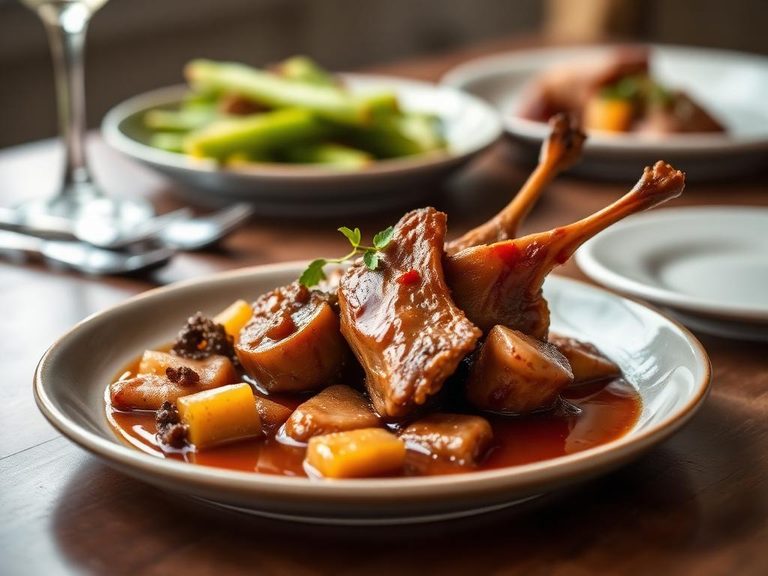
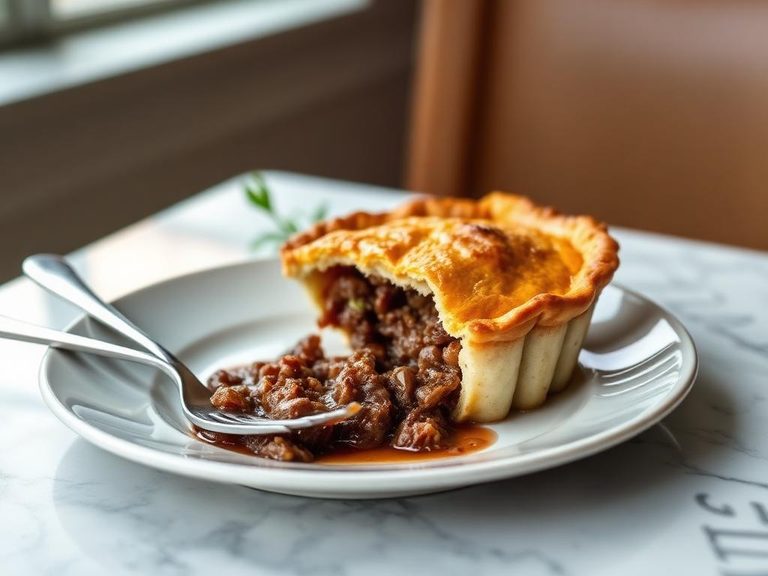
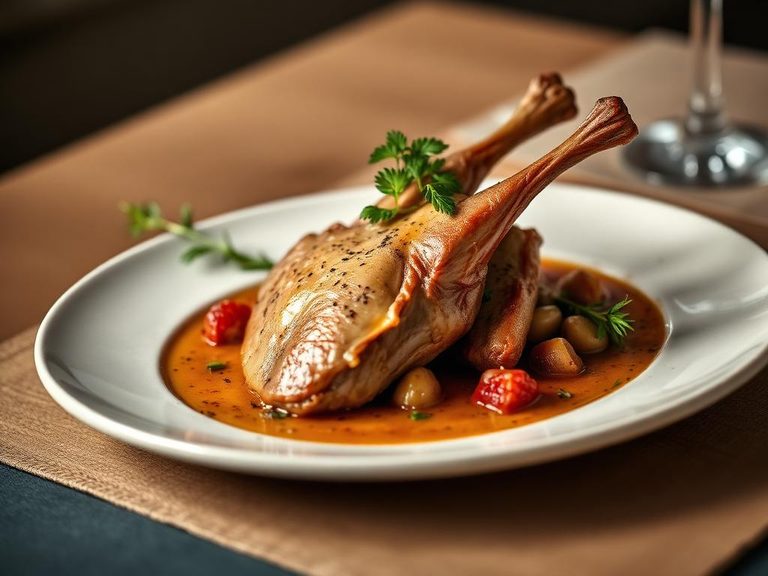
🌍 Where it's eaten
💡 Did you know?
The practice of raising pigeons for food, known as squab farming or columbiculture, dates back to ancient Egypt over 3,000 years ago, with pigeon droppings (guano) also historically used as a potent fertilizer.
Full nutrition (USDA data · scales with serving)
| Water | 72.8 g |
| Energy | 142 kcal |
| Energy | 594 kj |
| Protein | 17.5 g |
| Total lipid (fat) | 7.5 g |
| Ash | 1.2 g |
| Carbohydrate, by difference | 0.00 g |
| Fiber, total dietary | 0.00 g |
| Calcium, Ca | 13.0 mg |
| Iron, Fe | 4.5 mg |
| Magnesium, Mg | 25.0 mg |
| Phosphorus, P | 307 mg |
| Potassium, K | 237 mg |
| Sodium, Na | 51.0 mg |
| Zinc, Zn | 2.7 mg |
| Copper, Cu | 0.59 mg |
| Manganese, Mn | 0.02 mg |
| Selenium, Se | 13.5 ug |
| Vitamin C, total ascorbic acid | 7.2 mg |
| Thiamin | 0.28 mg |
| Riboflavin | 0.28 mg |
| Niacin | 6.9 mg |
| Pantothenic acid | 0.79 mg |
| Vitamin B-6 | 0.53 mg |
| Folate, total | 7.0 ug |
| Folic acid | 0.00 ug |
| Folate, food | 7.0 ug |
| Folate, DFE | 7.0 ug |
| Vitamin B-12 | 0.47 ug |
| Vitamin A, RAE | 28.0 ug |
| Retinol | 28.0 ug |
| Vitamin A, IU | 94.0 iu |
Fat & fatty acid profile (per 100g)
| Fatty acids, total saturated | 2.0 g |
| SFA 10:0 | 0.00 g |
| SFA 12:0 | 0.00 g |
| SFA 14:0 | 0.01 g |
| SFA 16:0 | 1.0 g |
| SFA 18:0 | 0.93 g |
| Fatty acids, total monounsaturated | 2.7 g |
| MUFA 16:1 | 0.30 g |
| MUFA 18:1 | 2.4 g |
| MUFA 20:1 | 0.00 g |
| MUFA 22:1 | 0.00 g |
| Fatty acids, total polyunsaturated | 1.6 g |
| PUFA 18:2 | 1.0 g |
| PUFA 18:3 | 0.00 g |
| PUFA 20:4 | 0.22 g |
| PUFA 20:5 n-3 (EPA) | 0.01 g |
| PUFA 22:5 n-3 (DPA) | 0.09 g |
| PUFA 22:6 n-3 (DHA) | 0.03 g |
| Cholesterol | 90.0 mg |
Amino acid profile (per 100g)
| Tryptophan | 0.27 g |
| Threonine | 0.88 g |
| Isoleucine | 0.95 g |
| Leucine | 1.5 g |
| Lysine | 1.5 g |
| Methionine | 0.55 g |
| Cystine | 0.30 g |
| Phenylalanine | 0.76 g |
| Tyrosine | 0.81 g |
| Valine | 0.95 g |
| Arginine | 1.1 g |
| Histidine | 0.66 g |
| Alanine | 1.1 g |
| Aspartic acid | 1.5 g |
| Glutamic acid | 2.3 g |
| Glycine | 1.2 g |
| Proline | 0.64 g |
| Serine | 0.85 g |
FAQ
What does squab taste like compared to other birds?
Squab has a darker, richer, and more gamey flavor than chicken or turkey, often compared to a milder version of duck or dark-meat rabbit. Its texture is finer and more tender than mature pigeon.
How should I cook squab to avoid it becoming tough?
The key is to not overcook it. Squab is best served medium-rare to medium (internal temp 145-155°F / 63-68°C). Quick, high-heat methods like searing and roasting, or slow, moist methods like braising, work best. Let it rest after cooking.
Is squab the same as pigeon you see in cities?
No. Culinary squab are specifically bred domestic pigeons (Rock Doves) raised in controlled, hygienic environments for meat. They are younger and more tender than the wild, older pigeons found in urban areas.
Nutrient density (calculated · NRF9.3)
Nutrient Rich Foods index: beneficial nutrients (protein, fiber, vitamins, minerals) minus saturated fat, added sugar & sodium, per 100 kcal.
NRF9.3 index — Fulgoni, Keast & Drewnowski, 2009. Computed from USDA nutrients.
Weight-loss friendliness (composite index)
Energy density 1.42 kcal/g · 49% calories from protein · 0.0 g fiber · 0.0 g sugar per 100 g.
Composite of energy density (Rolls et al., 1999), protein & fiber satiety, minus sugar. A calculated heuristic — ranks satiety-per-calorie, not a clinical measure.
Dietary load (calculated from USDA values)
Potential renal acid load. Positive = acid-forming, negative = alkaline-forming.
Sodium-to-potassium ratio: 0.22 (lower is better — aim for ≤ 1)
Sodium:potassium per WHO potassium guidance. Computed from USDA nutrients.