

Shortening, special purpose for cakes and frostings, soybean (hydrogenated)
Whole food · Fats and Oils

Photo: Wikipedia
This is a highly refined, solid vegetable fat, engineered for baking stability. It has a neutral, waxy taste and a smooth, plastic-like texture that is solid at room temperature but melts easily in the mouth. Nutritionally, it is pure fat, providing a dense 884 calories per 100g with no protein, carbs, or fiber.
Calorie split: 0% protein · 0% carbs · 100% fat
↓ Full nutrition💚 Why it's loved
Bakers prize it for its ability to incorporate air and create a stable emulsion, resulting in cakes with a fine, uniform crumb and frostings that hold their shape perfectly. Its neutral flavor also allows other ingredients like vanilla, chocolate, or fruit to shine without competition.
⚠️ Watch-outs & how to enjoy it better
As a fully hydrogenated fat, it is very high in saturated fat and contains zero beneficial nutrients. For health-conscious bakers, it offers no nutritional upside and is best used sparingly. To counteract this, consider using it as only part of the fat in a recipe, blending it with a flavorful oil or butter, and pairing the finished dessert with a source of protein or fiber to slow digestion.
Key benefits
- Creates exceptionally light and tender cake crumbs
- Provides superior structural stability for intricate frostings
- Offers a long shelf life due to low moisture content
- Delivers consistent, predictable results in professional baking
🍽️ Popular dishes
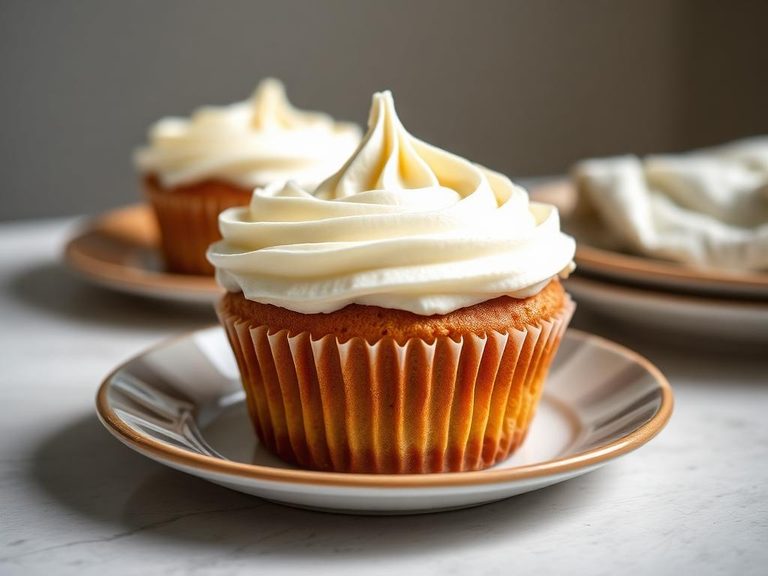
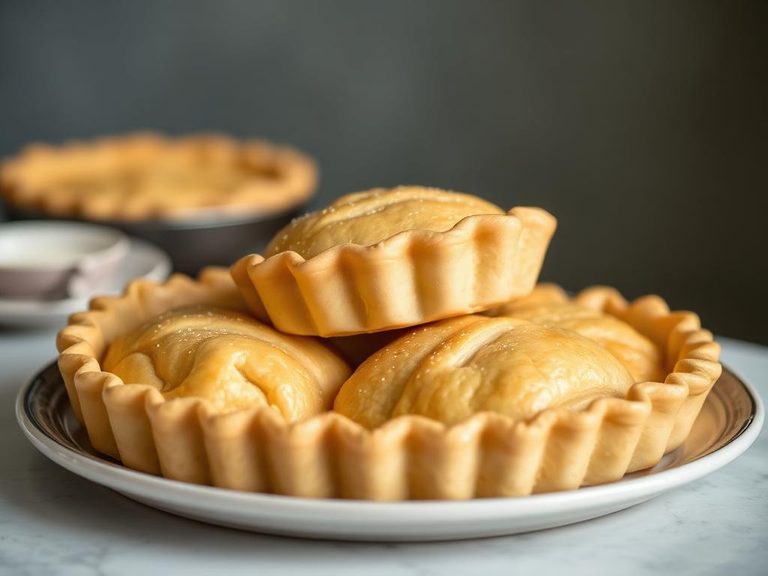
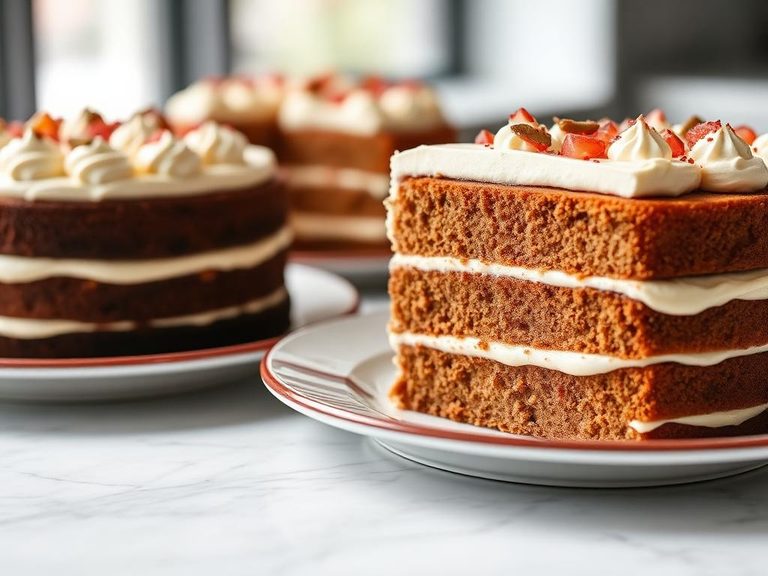
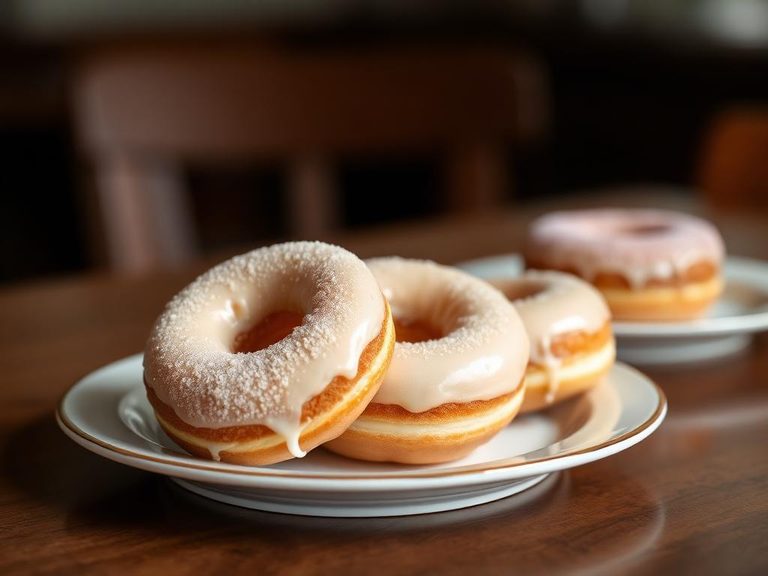
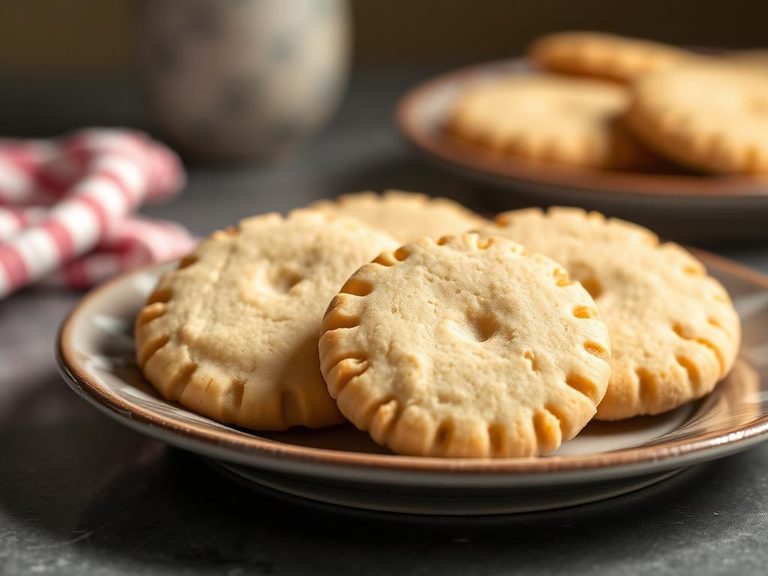
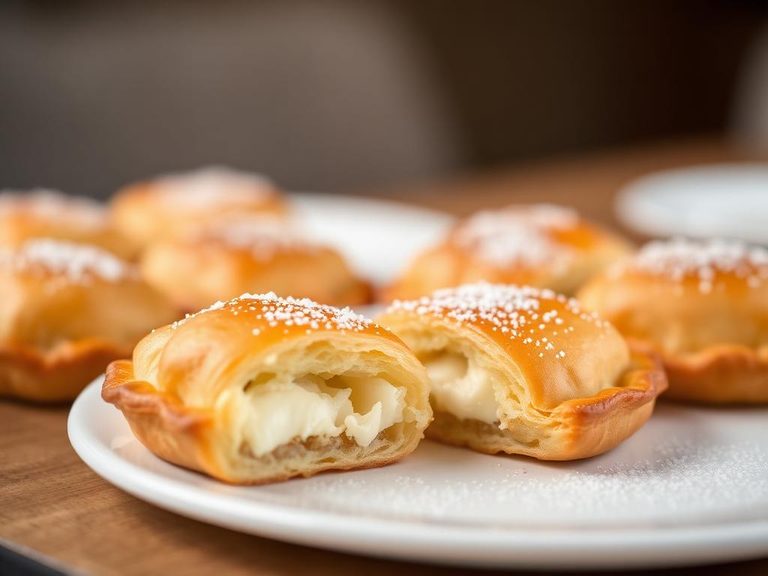
🌍 Where it's eaten
💡 Did you know?
This type of shortening was a direct commercial successor to lard and was famously marketed by companies like Crisco starting in the early 20th century as a 'purer' and more consistent alternative.
Full nutrition (USDA data · scales with serving)
| Water | 0.00 g |
| Energy | 884 kcal |
| Energy | 3699 kj |
| Protein | 0.00 g |
| Total lipid (fat) | 100 g |
| Ash | 0.00 g |
| Carbohydrate, by difference | 0.00 g |
| Fiber, total dietary | 0.00 g |
| Total Sugars | 0.00 g |
| Calcium, Ca | 0.00 mg |
| Iron, Fe | 0.00 mg |
| Magnesium, Mg | 0.00 mg |
| Phosphorus, P | 0.00 mg |
| Potassium, K | 0.00 mg |
| Sodium, Na | 0.00 mg |
| Zinc, Zn | 0.00 mg |
| Copper, Cu | 0.00 mg |
| Manganese, Mn | 0.00 mg |
| Selenium, Se | 0.00 ug |
| Vitamin C, total ascorbic acid | 0.00 mg |
| Thiamin | 0.00 mg |
| Riboflavin | 0.00 mg |
| Niacin | 0.00 mg |
| Pantothenic acid | 0.00 mg |
| Vitamin B-6 | 0.00 mg |
| Folate, total | 0.00 ug |
| Folic acid | 0.00 ug |
| Folate, food | 0.00 ug |
| Folate, DFE | 0.00 ug |
| Vitamin B-12 | 0.00 ug |
| Vitamin B-12, added | 0.00 ug |
| Vitamin A, RAE | 0.00 ug |
| Retinol | 0.00 ug |
| Carotene, beta | 0.00 ug |
| Carotene, alpha | 0.00 ug |
| Cryptoxanthin, beta | 0.00 ug |
| Vitamin A, IU | 0.00 iu |
| Lycopene | 0.00 ug |
| Lutein + zeaxanthin | 0.00 ug |
| Vitamin E (alpha-tocopherol) | 6.1 mg |
| Vitamin E, added | 0.00 mg |
| Tocopherol, beta | 0.44 mg |
| Tocopherol, gamma | 32.3 mg |
| Tocopherol, delta | 15.4 mg |
| Vitamin K (phylloquinone) | 43.0 ug |
| Alcohol, ethyl | 0.00 g |
| Caffeine | 0.00 mg |
| Theobromine | 0.00 mg |
Fat & fatty acid profile (per 100g)
| Fatty acids, total saturated | 20.0 g |
| SFA 16:0 | 9.7 g |
| SFA 18:0 | 10.3 g |
| Fatty acids, total monounsaturated | 36.6 g |
| MUFA 18:1 | 36.6 g |
| Fatty acids, total polyunsaturated | 38.0 g |
| PUFA 18:2 | 35.8 g |
| PUFA 18:3 | 2.2 g |
| Cholesterol | 0.00 mg |
Amino acid profile (per 100g)
Estimated from Shortening, industrial, soy (partially hydrogenated), pourable liquid fry shortening — USDA does not publish this profile for Shortening.
| Tryptophan | 0.00 g |
| Threonine | 0.00 g |
| Isoleucine | 0.00 g |
| Leucine | 0.00 g |
| Lysine | 0.00 g |
| Methionine | 0.00 g |
| Cystine | 0.00 g |
| Phenylalanine | 0.00 g |
| Tyrosine | 0.00 g |
| Valine | 0.00 g |
| Arginine | 0.00 g |
| Histidine | 0.00 g |
| Alanine | 0.00 g |
| Aspartic acid | 0.00 g |
| Glutamic acid | 0.00 g |
| Glycine | 0.00 g |
| Proline | 0.00 g |
| Serine | 0.00 g |
FAQ
How is this different from butter or regular vegetable oil?
Butter contains water and milk solids, which affect texture and flavor. Vegetable oil is liquid. This shortening is 100% fat, hydrogenated to be solid at room temperature, and is flavorless, making it a specialized tool for texture and structure in baking.
Can I substitute butter 1:1 for this in a recipe?
Not exactly. Butter contains about 15-20% water, which affects the recipe's hydration. Substituting butter will change the texture, often making the final product denser or more crumbly. Recipes specifically designed for shortening rely on its unique properties for lift and stability.
Why is it called 'special purpose'?
The designation indicates it's formulated for specific baking applications—like cakes and frostings—where its high melting point, plasticity, and ability to hold air are critical. It's different from shortenings meant for frying or general cooking.
Nutrient density (calculated · NRF9.3)
Nutrient Rich Foods index: beneficial nutrients (protein, fiber, vitamins, minerals) minus saturated fat, added sugar & sodium, per 100 kcal.
NRF9.3 index — Fulgoni, Keast & Drewnowski, 2009. Computed from USDA nutrients.
Weight-loss friendliness (composite index)
Energy density 8.84 kcal/g · 0% calories from protein · 0.0 g fiber · 0.0 g sugar per 100 g.
Composite of energy density (Rolls et al., 1999), protein & fiber satiety, minus sugar. A calculated heuristic — ranks satiety-per-calorie, not a clinical measure.
Dietary load (calculated from USDA values)
Potential renal acid load. Positive = acid-forming, negative = alkaline-forming.
Sodium:potassium per WHO potassium guidance. Computed from USDA nutrients.