

Seeds, cottonseed kernels, roasted (glandless)
Whole food · Nut and Seed Products

Photo: Wikipedia
Glandless cottonseed kernels are small, nutty, and crunchy seeds left after oil extraction, prized for their high protein and healthy fats. They have a mild, slightly earthy flavor with a satisfying, dense texture, making them a versatile ingredient in both savory and sweet dishes. Nutritionally, they are a powerhouse of plant-based protein and fiber, with a balanced profile of fats and minimal carbohydrates.
Calorie split: 24% protein · 16% carbs · 60% fat
↓ Full nutrition💚 Why it's loved
People love cottonseed kernels for their deep, nutty taste and satisfying crunch, which adds texture and flavor to everything from trail mixes to baked goods. Their versatility allows them to be used as a standalone snack or as a protein-rich ingredient in global cuisines.
⚠️ Watch-outs & how to enjoy it better
Some may find the texture overly dense or the flavor too earthy if not properly roasted. Those with seed allergies or concerns about antinutrients like phytates should consume them in moderation. To counteract, pair with vitamin C-rich foods (like citrus) to enhance mineral absorption, or soak and roast them to reduce phytates and improve digestibility.
Key benefits
- Excellent source of plant-based protein (32.59g per 100g)
- Rich in healthy fats, including polyunsaturated and monounsaturated fatty acids
- High in dietary fiber (5.5g per 100g) for digestive health
- Contains essential minerals like magnesium, phosphorus, and zinc
- Naturally low in sugar, making it suitable for low-sugar diets
🍽️ Popular dishes
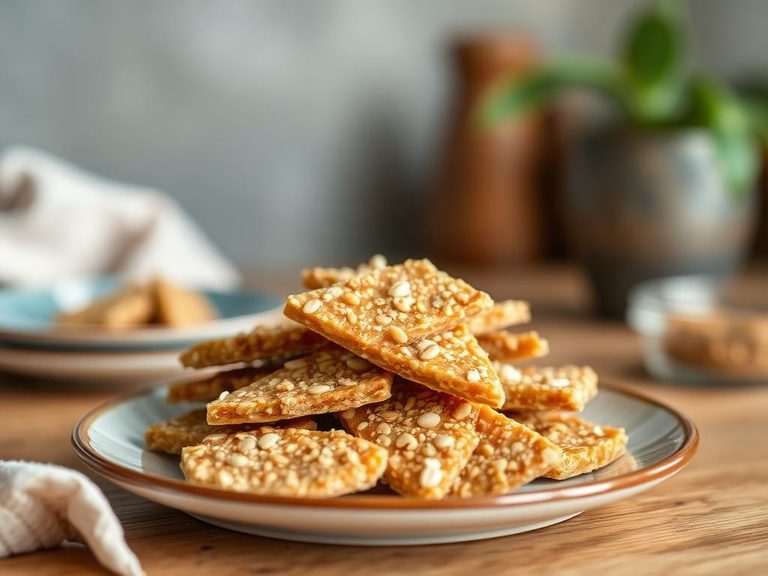
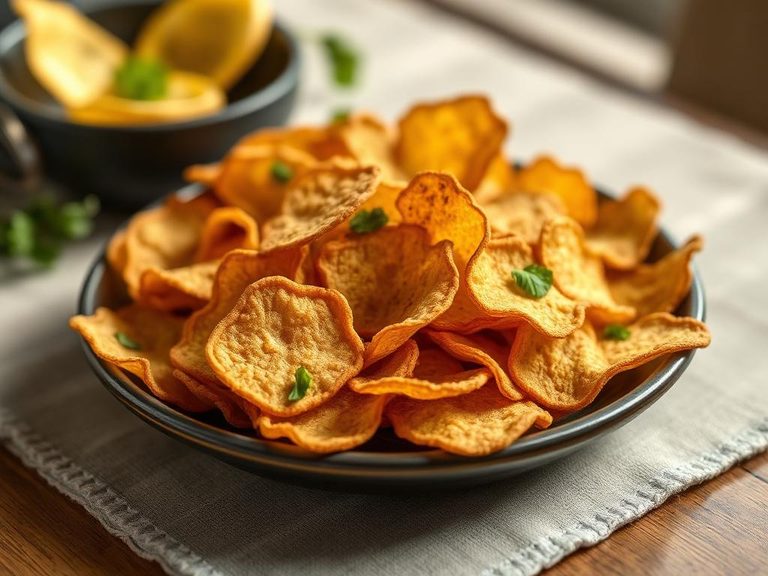
🌍 Where it's eaten
💡 Did you know?
Cottonseed kernels were historically a byproduct of the cotton industry, but their high nutritional value led to their development as a food source, especially after the invention of glandless varieties in the 1960s to remove toxic gossypol.
Full nutrition (USDA data · scales with serving)
| Water | 4.7 g |
| Energy | 506 kcal |
| Energy | 2117 kj |
| Protein | 32.6 g |
| Total lipid (fat) | 36.3 g |
| Ash | 4.6 g |
| Carbohydrate, by difference | 21.9 g |
| Fiber, total dietary | 5.5 g |
| Calcium, Ca | 100 mg |
| Iron, Fe | 5.4 mg |
| Magnesium, Mg | 440 mg |
| Phosphorus, P | 800 mg |
| Potassium, K | 1350 mg |
| Sodium, Na | 25.0 mg |
| Zinc, Zn | 6.0 mg |
| Copper, Cu | 1.2 mg |
| Manganese, Mn | 2.2 mg |
| Vitamin C, total ascorbic acid | 9.0 mg |
| Thiamin | 0.75 mg |
| Riboflavin | 0.26 mg |
| Niacin | 3.0 mg |
| Pantothenic acid | 0.46 mg |
| Vitamin B-6 | 0.78 mg |
| Folate, total | 233 ug |
| Folic acid | 0.00 ug |
| Folate, food | 233 ug |
| Folate, DFE | 233 ug |
| Vitamin B-12 | 0.00 ug |
| Vitamin A, RAE | 22.0 ug |
| Retinol | 0.00 ug |
| Vitamin A, IU | 442 iu |
| Vitamin D (D2 + D3), International Units | 0.00 iu |
| Vitamin D (D2 + D3) | 0.00 ug |
| Alcohol, ethyl | 0.00 g |
Fat & fatty acid profile (per 100g)
| Fatty acids, total saturated | 9.7 g |
| SFA 4:0 | 0.00 g |
| SFA 6:0 | 0.00 g |
| SFA 8:0 | 0.00 g |
| SFA 10:0 | 0.00 g |
| SFA 12:0 | 0.00 g |
| SFA 14:0 | 0.34 g |
| SFA 16:0 | 8.4 g |
| SFA 18:0 | 0.85 g |
| Fatty acids, total monounsaturated | 6.9 g |
| MUFA 16:1 | 0.26 g |
| MUFA 18:1 | 6.6 g |
| MUFA 20:1 | 0.00 g |
| MUFA 22:1 | 0.00 g |
| Fatty acids, total polyunsaturated | 18.1 g |
| PUFA 18:2 | 17.9 g |
| PUFA 18:3 | 0.07 g |
| PUFA 18:4 | 0.00 g |
| PUFA 20:4 | 0.00 g |
| PUFA 20:5 n-3 (EPA) | 0.00 g |
| PUFA 22:5 n-3 (DPA) | 0.00 g |
| PUFA 22:6 n-3 (DHA) | 0.00 g |
| Cholesterol | 0.00 mg |
Amino acid profile (per 100g)
| Tryptophan | 0.49 g |
| Threonine | 1.2 g |
| Isoleucine | 1.2 g |
| Leucine | 2.2 g |
| Lysine | 1.7 g |
| Methionine | 0.53 g |
| Cystine | 0.85 g |
| Phenylalanine | 2.0 g |
| Tyrosine | 1.2 g |
| Valine | 1.7 g |
| Arginine | 4.4 g |
| Histidine | 1.0 g |
| Alanine | 1.5 g |
| Aspartic acid | 3.5 g |
| Glutamic acid | 8.2 g |
| Glycine | 1.6 g |
| Proline | 1.4 g |
| Serine | 1.6 g |
FAQ
Are cottonseed kernels safe to eat?
Yes, glandless cottonseed kernels are safe and have been bred to remove gossypol, a natural toxin found in traditional cottonseeds. They are widely consumed as a nutritious food source.
How do cottonseed kernels compare to other nuts?
They are higher in protein than most nuts (like almonds or walnuts) and lower in sugar, with a similar fat content. Their fiber content is also notably high, making them a dense, nutrient-rich option.
Can I use cottonseed kernels in baking?
Absolutely! They can be ground into flour or used whole to add protein, crunch, and a nutty flavor to breads, cookies, and energy bars. Their mild taste blends well with both sweet and savory recipes.
Nutrient density (calculated · NRF9.3)
Nutrient Rich Foods index: beneficial nutrients (protein, fiber, vitamins, minerals) minus saturated fat, added sugar & sodium, per 100 kcal.
NRF9.3 index — Fulgoni, Keast & Drewnowski, 2009. Computed from USDA nutrients.
Weight-loss friendliness (composite index)
Energy density 5.06 kcal/g · 26% calories from protein · 5.5 g fiber · 0.0 g sugar per 100 g.
Composite of energy density (Rolls et al., 1999), protein & fiber satiety, minus sugar. A calculated heuristic — ranks satiety-per-calorie, not a clinical measure.
Dietary load (calculated from USDA values)
Potential renal acid load. Positive = acid-forming, negative = alkaline-forming.
Sodium-to-potassium ratio: 0.02 (lower is better — aim for ≤ 1)
Sodium:potassium per WHO potassium guidance. Computed from USDA nutrients.