

Pork, fresh, loin, center rib (roasts), boneless, separable lean only, cooked, roasted
Whole food · Pork Products

Photo: Wikipedia
This is a lean, boneless cut from the center of the pork loin, prized for its uniform shape and tender, mild-flavored meat. When roasted, it develops a subtly sweet, savory crust while the interior remains juicy and fine-grained, with a texture that's firm yet easily sliced. Nutritionally, it's a powerhouse of high-quality protein with virtually no carbohydrates or sugar, making it a staple for low-carb and high-protein diets.
Calorie split: 56% protein · 0% carbs · 44% fat
↓ Full nutrition💚 Why it's loved
People love this cut for its incredible versatility and mild, clean pork flavor that acts as a perfect canvas for marinades, rubs, and sauces. Its consistent, lean profile ensures it cooks evenly and slices beautifully for both weeknight dinners and elegant presentations.
⚠️ Watch-outs & how to enjoy it better
Its extreme leanness means it can easily dry out if overcooked, resulting in a tough, chalky texture. To counter this, use a meat thermometer to pull it from the heat at 145°F (63°C), let it rest thoroughly before slicing, and consider brining or using a slow-roasting method to retain moisture.
Key benefits
- Excellent source of complete, high-quality protein for muscle maintenance.
- Very low in carbohydrates, making it suitable for ketogenic and diabetic-friendly diets.
- Provides essential B vitamins like thiamine (B1) and niacin (B3) for energy metabolism.
- A good source of minerals such as selenium and phosphorus.
- Lean cut with a relatively low saturated fat content compared to other pork cuts.
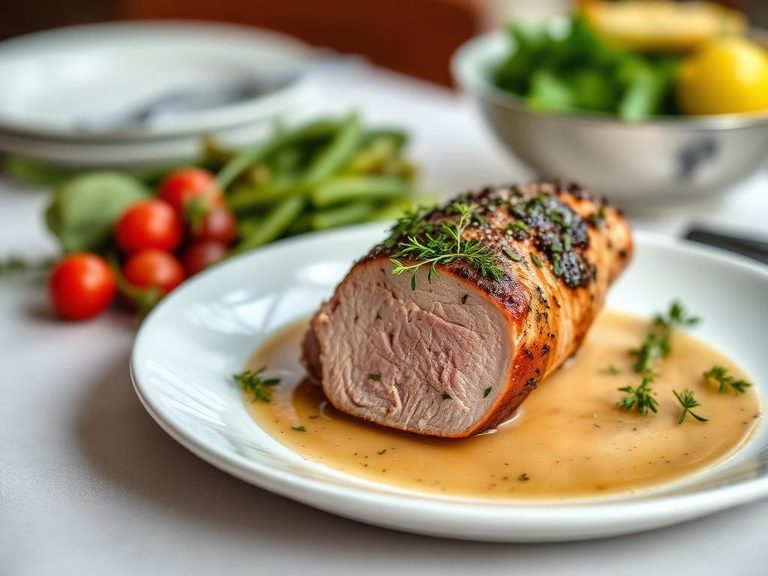
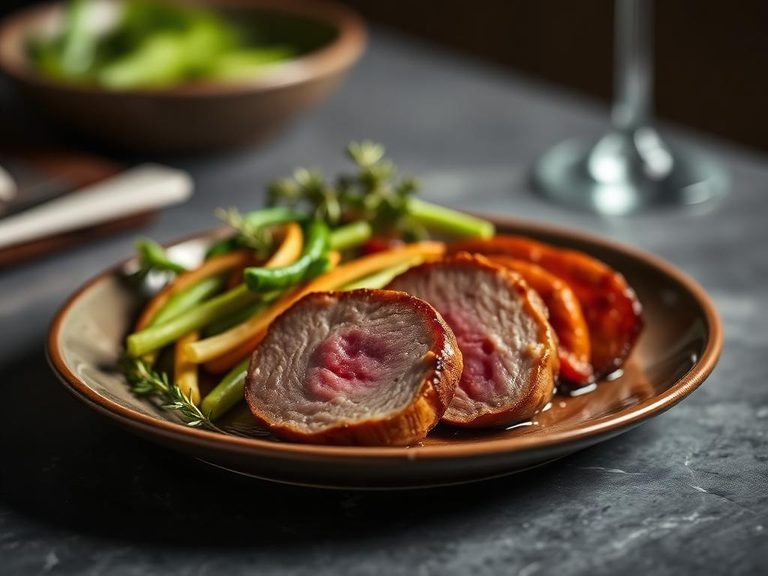
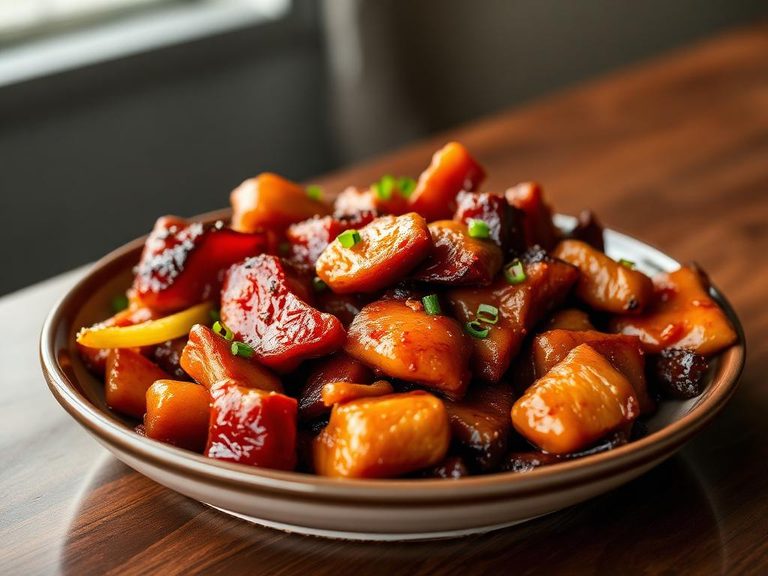
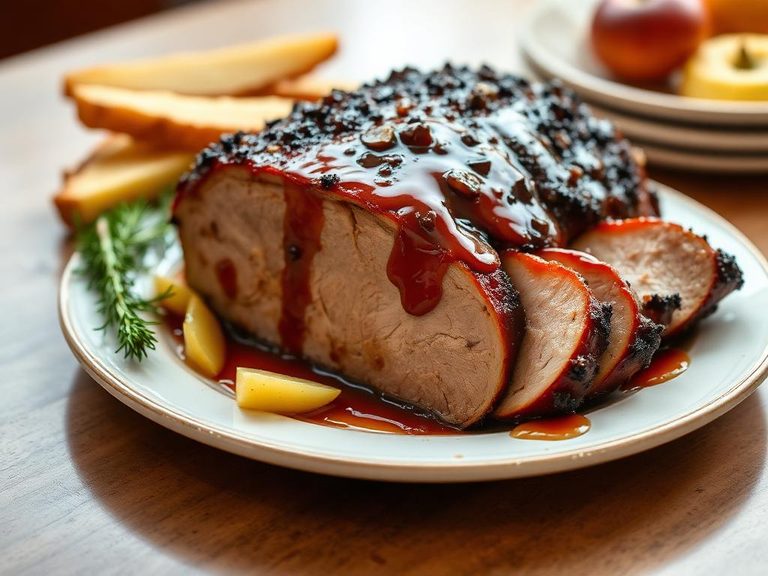
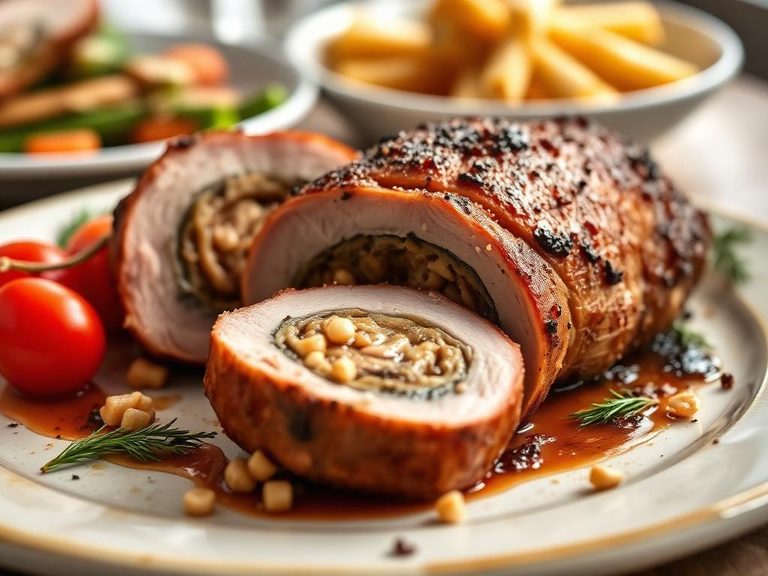
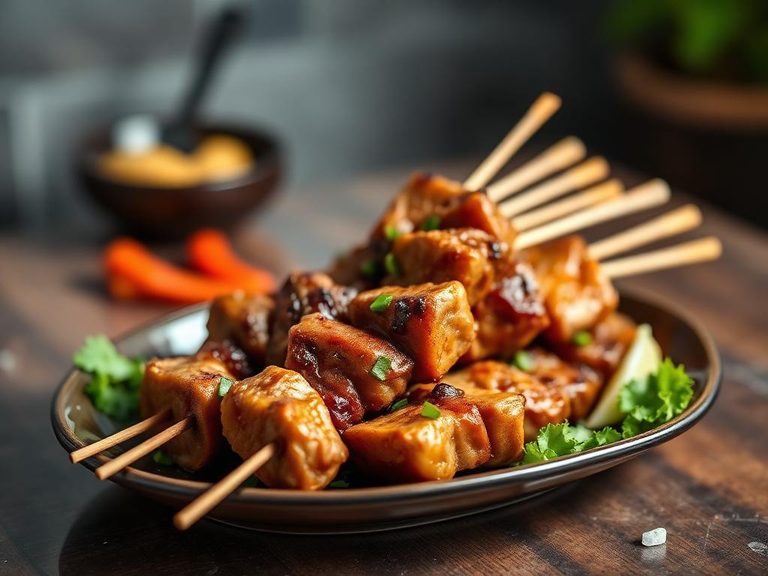
🍽️ Popular dishes
🌍 Where it's eaten
💡 Did you know?
A center-cut pork loin roast is anatomically equivalent to a beef tenderloin (filet mignon), as both come from the same muscle (the psoas major) that runs along the spine and does very little work, resulting in exceptional tenderness.
Full nutrition (USDA data · scales with serving)
| Water | 60.6 g |
| Energy | 214 kcal |
| Energy | 895 kj |
| Protein | 28.8 g |
| Total lipid (fat) | 10.1 g |
| Ash | 1.1 g |
| Carbohydrate, by difference | 0.00 g |
| Fiber, total dietary | 0.00 g |
| Calcium, Ca | 6.0 mg |
| Iron, Fe | 1.0 mg |
| Magnesium, Mg | 24.0 mg |
| Phosphorus, P | 222 mg |
| Potassium, K | 363 mg |
| Sodium, Na | 50.0 mg |
| Zinc, Zn | 2.8 mg |
| Copper, Cu | 0.01 mg |
| Manganese, Mn | 0.01 mg |
| Selenium, Se | 43.2 ug |
| Vitamin C, total ascorbic acid | 0.40 mg |
| Thiamin | 0.64 mg |
| Riboflavin | 0.31 mg |
| Niacin | 5.4 mg |
| Pantothenic acid | 0.58 mg |
| Vitamin B-6 | 0.40 mg |
| Folate, total | 9.0 ug |
| Folic acid | 0.00 ug |
| Folate, food | 9.0 ug |
| Folate, DFE | 9.0 ug |
| Vitamin B-12 | 0.55 ug |
| Vitamin A, RAE | 0.00 ug |
| Retinol | 0.00 ug |
| Vitamin A, IU | 8.0 iu |
| Vitamin D (D2 + D3), International Units | 29.0 iu |
| Vitamin D (D2 + D3) | 0.70 ug |
| Vitamin D3 (cholecalciferol) | 0.70 ug |
Fat & fatty acid profile (per 100g)
| Fatty acids, total saturated | 3.5 g |
| SFA 10:0 | 0.01 g |
| SFA 12:0 | 0.01 g |
| SFA 14:0 | 0.12 g |
| SFA 16:0 | 2.2 g |
| SFA 18:0 | 1.1 g |
| Fatty acids, total monounsaturated | 4.5 g |
| MUFA 16:1 | 0.33 g |
| MUFA 18:1 | 4.0 g |
| MUFA 20:1 | 0.09 g |
| Fatty acids, total polyunsaturated | 0.85 g |
| PUFA 18:2 | 0.73 g |
| PUFA 18:3 | 0.02 g |
| PUFA 20:4 | 0.06 g |
| Cholesterol | 83.0 mg |
Amino acid profile (per 100g)
| Tryptophan | 0.37 g |
| Threonine | 1.3 g |
| Isoleucine | 1.3 g |
| Leucine | 2.3 g |
| Lysine | 2.6 g |
| Methionine | 0.76 g |
| Cystine | 0.37 g |
| Phenylalanine | 1.1 g |
| Tyrosine | 1.0 g |
| Valine | 1.6 g |
| Arginine | 1.8 g |
| Histidine | 1.2 g |
| Alanine | 1.7 g |
| Aspartic acid | 2.7 g |
| Glutamic acid | 4.5 g |
| Glycine | 1.4 g |
| Proline | 1.2 g |
| Serine | 1.2 g |
FAQ
What's the difference between pork loin and pork tenderloin?
They are different muscles. The pork loin is a large, wide roast from the back, while the pork tenderloin is a small, narrow, and even more tender muscle from beneath the loin. They require different cooking times and temperatures.
How do I prevent a roasted pork loin from drying out?
Key steps include: brining it beforehand, searing it first for flavor, roasting at a moderate temperature (around 325°F/165°C), using a meat thermometer to avoid overcooking (remove at 145°F/63°C), and letting it rest for 10-15 minutes before slicing to allow juices to redistribute.
Is this cut considered red meat?
Yes, despite its light color when cooked, pork is classified as red meat by the USDA and most dietary guidelines due to its myoglobin content.
Nutrient density (calculated · NRF9.3)
Nutrient Rich Foods index: beneficial nutrients (protein, fiber, vitamins, minerals) minus saturated fat, added sugar & sodium, per 100 kcal.
NRF9.3 index — Fulgoni, Keast & Drewnowski, 2009. Computed from USDA nutrients.
Weight-loss friendliness (composite index)
Energy density 2.14 kcal/g · 54% calories from protein · 0.0 g fiber · 0.0 g sugar per 100 g.
Composite of energy density (Rolls et al., 1999), protein & fiber satiety, minus sugar. A calculated heuristic — ranks satiety-per-calorie, not a clinical measure.
Dietary load (calculated from USDA values)
Potential renal acid load. Positive = acid-forming, negative = alkaline-forming.
Sodium-to-potassium ratio: 0.14 (lower is better — aim for ≤ 1)
Sodium:potassium per WHO potassium guidance. Computed from USDA nutrients.