

Peppers, bell, orange, raw
Whole food · Vegetables and Vegetable Products

Photo: Wikipedia
The raw orange bell pepper is a vibrant, crunchy vegetable with a thick, juicy wall and a sweet, mild flavor. It's exceptionally low in calories (32 kcal per 100g) while being a powerhouse of Vitamin C, containing more than an orange by weight. Its crisp texture and bright color make it a refreshing, hydrating snack or a visually appealing addition to dishes.
Calorie split: 11% protein · 84% carbs · 4% fat
↓ Full nutrition💚 Why it's loved
People love orange bell peppers for their satisfying crunch, natural sweetness, and lack of heat, making them a universally appealing snack. Their vibrant color adds visual pop to everything from salads to stir-fries, and they are incredibly versatile, eaten raw, roasted, grilled, or stuffed.
⚠️ Watch-outs & how to enjoy it better
While generally well-tolerated, bell peppers are nightshades (Solanaceae family), which some individuals with specific sensitivities or conditions like IBS may find irritating. The skin can be tough to digest for some. To counteract, cooking methods like roasting or peeling the skin can improve digestibility. For those monitoring blood sugar, pairing the natural sugars with a protein or healthy fat (like hummus or cheese) can help moderate the glycemic response.
Key benefits
- Excellent source of Vitamin C (over 100% DV per 100g)
- Very low in calories and virtually fat-free
- Good source of dietary fiber for digestive health
- Rich in antioxidants like beta-carotene and capsanthin
- High water content aids hydration
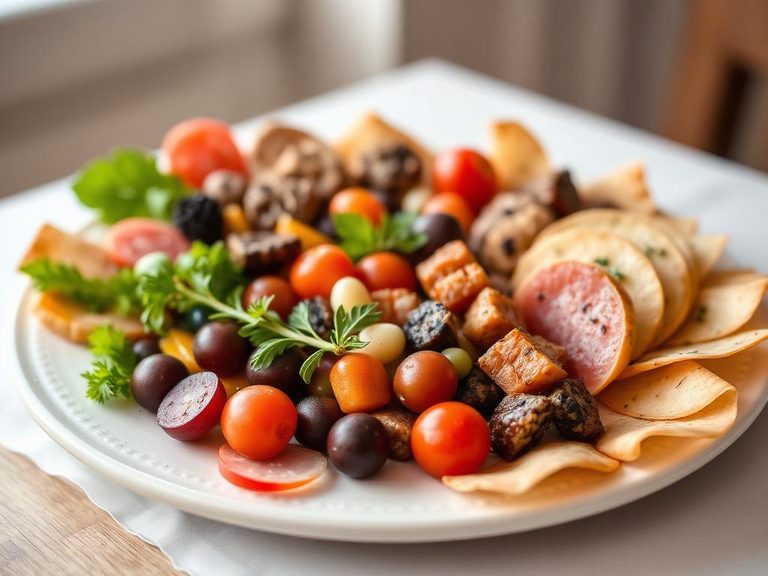
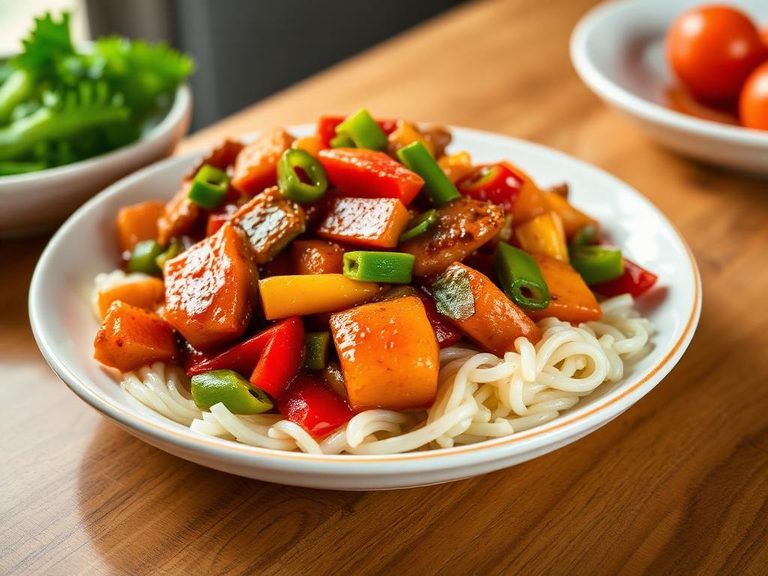
🍽️ Popular dishes
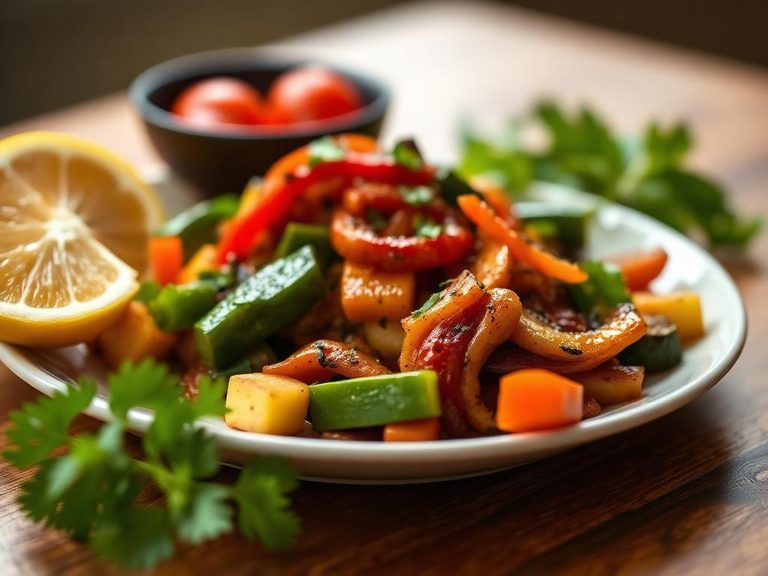
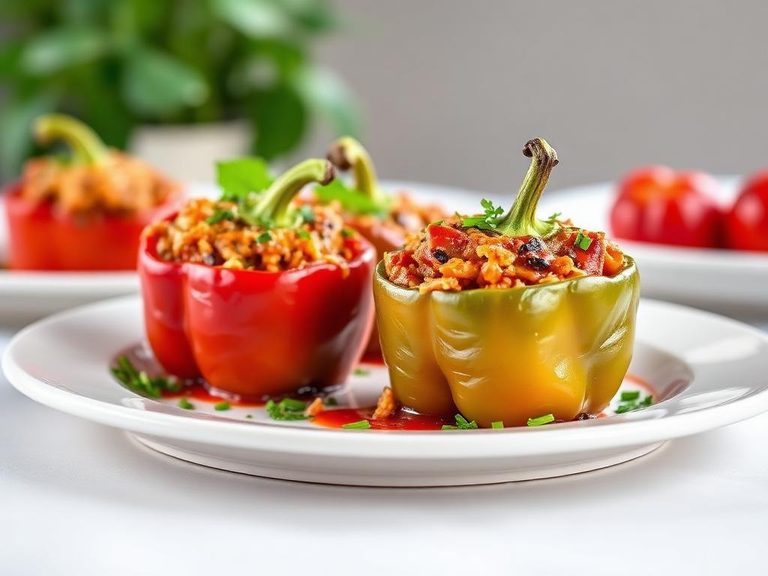
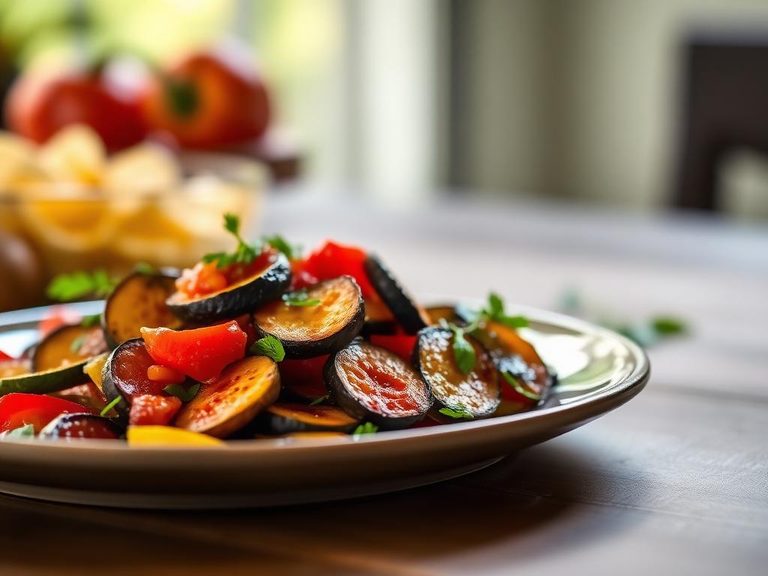
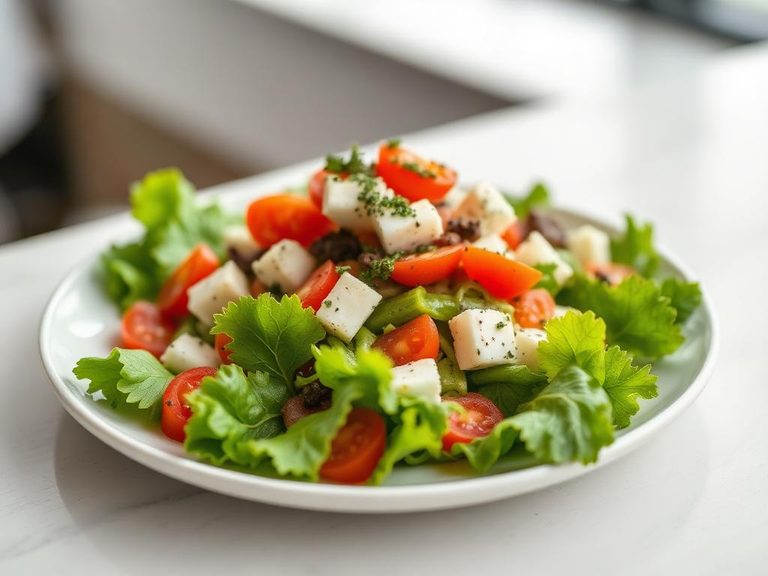
🌍 Where it's eaten
💡 Did you know?
Bell peppers are actually fruits (berries) botanically, and the color of a bell pepper is determined by its ripeness at harvest—orange peppers are typically harvested at an intermediate stage between green (unripe) and red (fully ripe).
Full nutrition (USDA data · scales with serving)
| Water | 91.9 g |
| Energy (Atwater General Factors) | 31.7 kcal |
| Energy (Atwater Specific Factors) | 27.4 kcal |
| Nitrogen | 0.14 g |
| Protein | 0.88 g |
| Total lipid (fat) | 0.16 g |
| Ash | 0.38 g |
| Carbohydrate, by difference | 6.7 g |
| Fiber, total dietary | 0.97 g |
| Calcium, Ca | 4.9 mg |
| Iron, Fe | 0.37 mg |
| Magnesium, Mg | 10.4 mg |
| Phosphorus, P | 26.6 mg |
| Potassium, K | 201 mg |
| Sodium, Na | 0.00 mg |
| Zinc, Zn | 0.24 mg |
| Copper, Cu | 0.04 mg |
| Manganese, Mn | 0.15 mg |
| Selenium, Se | 0.30 ug |
| Vitamin C, total ascorbic acid | 158 mg |
| Thiamin | 0.05 mg |
| Riboflavin | 0.10 mg |
| Niacin | 1.1 mg |
| Vitamin B-6 | 0.33 mg |
| Biotin | 0.58 ug |
Fat & fatty acid profile (per 100g)
Estimated from Peppers, hot chili, green, canned, pods, excluding seeds, solids and liquids — USDA does not publish this profile for Peppers.
| Fatty acids, total saturated | 0.01 g |
| SFA 4:0 | 0.00 g |
| SFA 6:0 | 0.00 g |
| SFA 8:0 | 0.00 g |
| SFA 10:0 | 0.00 g |
| SFA 12:0 | 0.00 g |
| SFA 14:0 | 0.00 g |
| SFA 16:0 | 0.01 g |
| SFA 18:0 | 0.00 g |
| Fatty acids, total monounsaturated | 0.01 g |
| MUFA 16:1 | 0.00 g |
| MUFA 18:1 | 0.01 g |
| MUFA 20:1 | 0.00 g |
| MUFA 22:1 | 0.00 g |
| Fatty acids, total polyunsaturated | 0.06 g |
| PUFA 18:2 | 0.05 g |
| PUFA 18:3 | 0.00 g |
| PUFA 18:4 | 0.00 g |
| PUFA 20:4 | 0.00 g |
| PUFA 20:5 n-3 (EPA) | 0.00 g |
| PUFA 22:5 n-3 (DPA) | 0.00 g |
| PUFA 22:6 n-3 (DHA) | 0.00 g |
| Fatty acids, total trans | 0.00 g |
| Cholesterol | 0.00 mg |
Amino acid profile (per 100g)
Estimated from Peppers, hot chili, green, canned, pods, excluding seeds, solids and liquids — USDA does not publish this profile for Peppers.
| Tryptophan | 0.01 g |
| Threonine | 0.03 g |
| Isoleucine | 0.03 g |
| Leucine | 0.05 g |
| Lysine | 0.04 g |
| Methionine | 0.01 g |
| Cystine | 0.02 g |
| Phenylalanine | 0.03 g |
| Tyrosine | 0.02 g |
| Valine | 0.04 g |
| Arginine | 0.04 g |
| Histidine | 0.02 g |
| Alanine | 0.04 g |
| Aspartic acid | 0.13 g |
| Glutamic acid | 0.12 g |
| Glycine | 0.03 g |
| Proline | 0.04 g |
| Serine | 0.04 g |
FAQ
Are orange bell peppers the same as sweet peppers?
Yes, 'sweet pepper' is a general term for all bell peppers (Capsicum annuum), which are characterized by their thick flesh and lack of capsaicin (the compound that makes chili peppers hot). Orange is simply one of the common color varieties.
How should I store a raw orange bell pepper?
Store unwashed peppers whole in the crisper drawer of your refrigerator, where they can last for 1-2 weeks. If pre-cut, store slices in an airtight container in the fridge and use within a few days.
Is the nutritional value different from red or green peppers?
While all are low-calorie and high in Vitamin C, orange peppers typically have a higher Vitamin C content than green and a slightly lower amount than fully ripe red peppers. They also contain a good mix of the carotenoid antioxidants that give them their color.
Nutrient density (calculated · NRF9.3)
Nutrient Rich Foods index: beneficial nutrients (protein, fiber, vitamins, minerals) minus saturated fat, added sugar & sodium, per 100 kcal.
NRF9.3 index — Fulgoni, Keast & Drewnowski, 2009. Computed from USDA nutrients.
Weight-loss friendliness (composite index)
Energy density 0.32 kcal/g · 11% calories from protein · 1.0 g fiber · 0.0 g sugar per 100 g.
Composite of energy density (Rolls et al., 1999), protein & fiber satiety, minus sugar. A calculated heuristic — ranks satiety-per-calorie, not a clinical measure.
Dietary load (calculated from USDA values)
Potential renal acid load. Positive = acid-forming, negative = alkaline-forming.
Sodium-to-potassium ratio: 0.00 (lower is better — aim for ≤ 1)
Sodium:potassium per WHO potassium guidance. Computed from USDA nutrients.