

Pate, truffle flavor
Whole food · Sausages and Luncheon Meats

Photo: Wikipedia
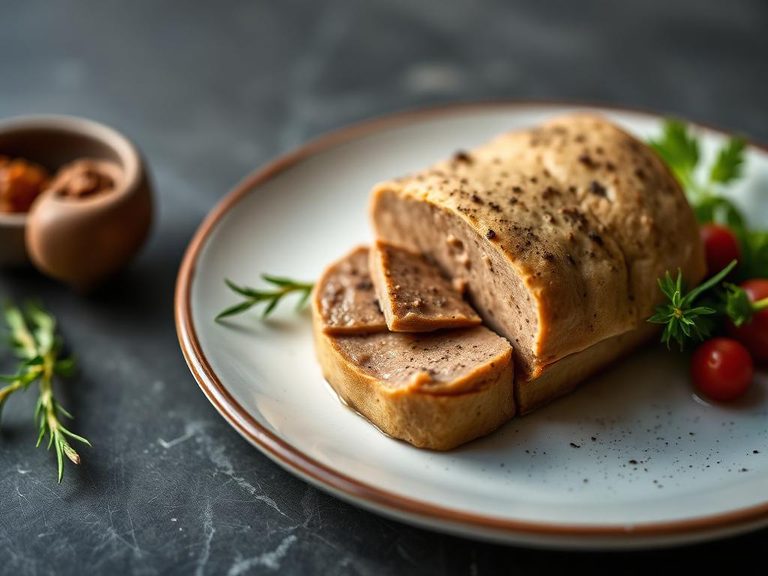
This is a luxurious, smooth pâté infused with the earthy, musky aroma of truffles, offering a rich, umami-packed flavor and a velvety, spreadable texture. It's a calorie-dense, high-fat food, providing a significant source of energy and protein in small servings.
Calorie split: 14% protein · 8% carbs · 79% fat
↓ Full nutrition💚 Why it's loved
People adore it for its decadent, earthy truffle aroma that elevates simple foods like toast or crackers. It's a symbol of gourmet indulgence, often associated with French and Italian culinary traditions.
⚠️ Watch-outs & how to enjoy it better
Its high fat and calorie content mean it should be enjoyed in strict moderation, especially by those managing heart health or weight. The rich, fatty nature can also be heavy for some digestive systems. Tip: Use it as a flavoring agent rather than a main spread, pairing it with fiber-rich vegetables or whole-grain crackers to add volume and balance.
Key benefits
- Provides a concentrated source of high-quality protein
- Rich in monounsaturated fats from the pâté base
- Offers the unique aromatic compounds of truffles
- A small portion delivers intense savory flavor
- No added sugar in its traditional preparation
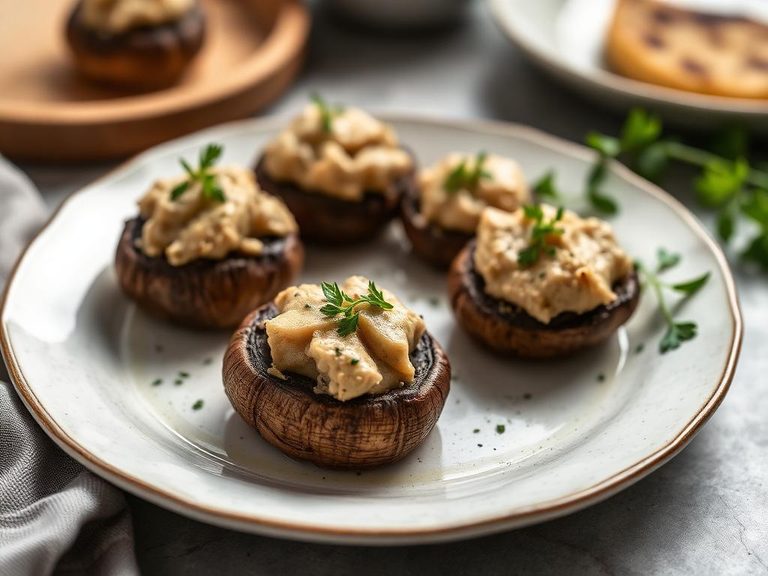
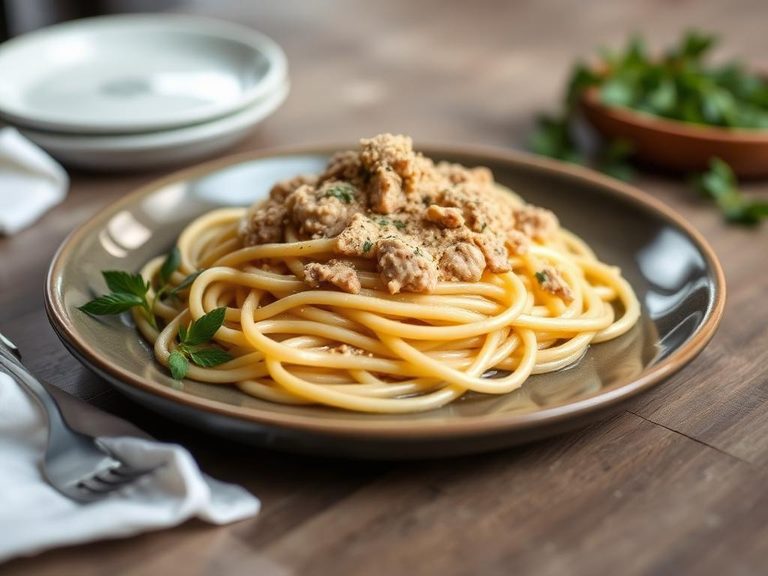
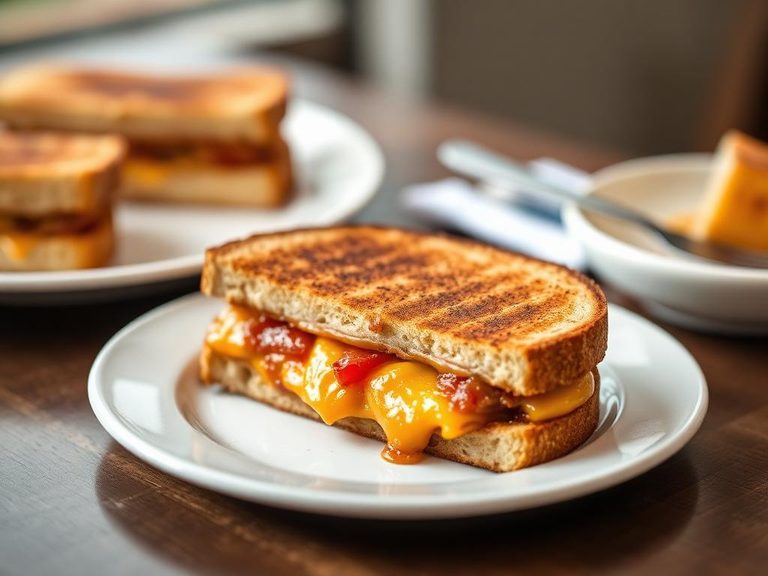
🍽️ Popular dishes

🌍 Where it's eaten
💡 Did you know?
The truffle flavor in many commercial pâtés comes from 2,4-dithiapentane, a synthetic compound that mimics the key aromatic molecule found in real truffles.
Full nutrition (USDA data · scales with serving)
| Water | 51.8 g |
| Energy | 327 kcal |
| Energy | 1366 kj |
| Protein | 11.2 g |
| Total lipid (fat) | 28.5 g |
| Ash | 2.2 g |
| Carbohydrate, by difference | 6.3 g |
| Calcium, Ca | 70.0 mg |
| Iron, Fe | 3.9 mg |
| Magnesium, Mg | 13.0 mg |
| Phosphorus, P | 200 mg |
| Potassium, K | 138 mg |
| Sodium, Na | 807 mg |
| Zinc, Zn | 2.9 mg |
| Copper, Cu | 0.40 mg |
| Manganese, Mn | 0.12 mg |
| Selenium, Se | 41.6 ug |
| Vitamin C, total ascorbic acid | 2.0 mg |
| Thiamin | 0.03 mg |
| Riboflavin | 0.60 mg |
| Niacin | 3.3 mg |
| Pantothenic acid | 1.2 mg |
| Vitamin B-6 | 0.06 mg |
| Folate, total | 60.0 ug |
| Folic acid | 0.00 ug |
| Folate, food | 60.0 ug |
| Folate, DFE | 60.0 ug |
| Vitamin B-12 | 3.2 ug |
| Vitamin A, RAE | 4505 ug |
| Retinol | 991 ug |
| Carotene, beta | 0.00 ug |
| Vitamin A, IU | 15000 iu |
Fat & fatty acid profile (per 100g)
| Fatty acids, total saturated | 10.1 g |
| SFA 4:0 | 0.00 g |
| SFA 6:0 | 0.00 g |
| SFA 8:0 | 0.00 g |
| SFA 10:0 | 0.00 g |
| SFA 12:0 | 0.00 g |
| SFA 14:0 | 0.39 g |
| SFA 16:0 | 6.1 g |
| SFA 18:0 | 3.0 g |
| Fatty acids, total monounsaturated | 13.6 g |
| MUFA 16:1 | 0.95 g |
| MUFA 18:1 | 11.4 g |
| MUFA 20:1 | 0.00 g |
| MUFA 22:1 | 0.00 g |
| Fatty acids, total polyunsaturated | 3.4 g |
| PUFA 18:2 | 2.8 g |
| PUFA 18:3 | 0.21 g |
| PUFA 18:4 | 0.00 g |
| PUFA 20:4 | 0.00 g |
| PUFA 20:5 n-3 (EPA) | 0.00 g |
| PUFA 22:5 n-3 (DPA) | 0.00 g |
| PUFA 22:6 n-3 (DHA) | 0.00 g |
| Cholesterol | 105 mg |
Amino acid profile (per 100g)
| Tryptophan | 0.16 g |
| Threonine | 0.57 g |
| Isoleucine | 0.55 g |
| Leucine | 1.1 g |
| Lysine | 0.84 g |
| Methionine | 0.28 g |
| Cystine | 0.17 g |
| Phenylalanine | 0.58 g |
| Tyrosine | 0.45 g |
| Valine | 0.77 g |
| Arginine | 0.90 g |
| Histidine | 0.30 g |
| Alanine | 0.95 g |
| Aspartic acid | 1.2 g |
| Glutamic acid | 1.9 g |
| Glycine | 1.4 g |
| Proline | 0.99 g |
| Serine | 0.59 g |
FAQ
What is the difference between pâté and truffle pâté?
Pâté is a broad category of ground meat or vegetable pastes. Truffle pâté is a specific variety where truffles or truffle flavoring are added to the base, giving it a distinctive earthy aroma and taste.
Is truffle pâté made with real truffles?
It varies widely by product and price. High-end versions use real truffles, while many commercial products use truffle oil or synthetic truffle aroma (like 2,4-dithiapentane) for flavor.
How should I store opened truffle pâté?
Once opened, it should be tightly covered and refrigerated, typically for up to 5-7 days. For longer storage, it can be frozen, though the texture may change slightly upon thawing.
Nutrient density (calculated · NRF9.3)
Nutrient Rich Foods index: beneficial nutrients (protein, fiber, vitamins, minerals) minus saturated fat, added sugar & sodium, per 100 kcal.
NRF9.3 index — Fulgoni, Keast & Drewnowski, 2009. Computed from USDA nutrients.
Weight-loss friendliness (composite index)
Energy density 3.27 kcal/g · 14% calories from protein · 0.0 g fiber · 0.0 g sugar per 100 g.
Composite of energy density (Rolls et al., 1999), protein & fiber satiety, minus sugar. A calculated heuristic — ranks satiety-per-calorie, not a clinical measure.
Dietary load (calculated from USDA values)
Potential renal acid load. Positive = acid-forming, negative = alkaline-forming.
Sodium-to-potassium ratio: 5.85 (lower is better — aim for ≤ 1)
Sodium:potassium per WHO potassium guidance. Computed from USDA nutrients.