

Pasta, gluten-free, corn, cooked
Whole food · Cereal Grains and Pasta
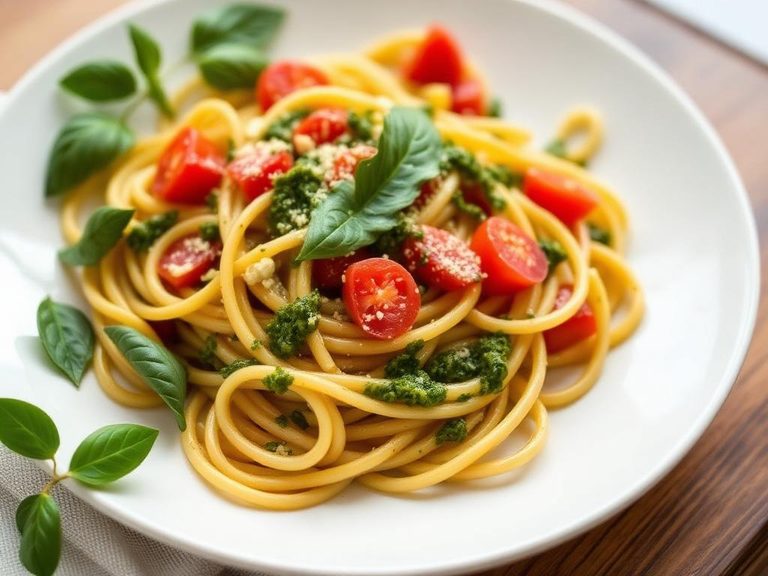
Cooked gluten-free corn pasta is a golden, slightly chewy alternative to wheat pasta with a distinct, earthy corn flavor. It offers a satisfying, al dente bite when prepared correctly, providing a solid source of fiber and carbohydrates without gluten. Its nutrition profile is notably lean, with minimal fat and no sugar.
Calorie split: 8% protein · 87% carbs · 5% fat
↓ Full nutrition💚 Why it's loved
People love it for its ability to deliver a comforting pasta experience without gluten, often with a more robust, grain-forward taste than rice-based alternatives. Its firm texture holds up well in hearty sauces and cold salads, making it a versatile pantry staple.
⚠️ Watch-outs & how to enjoy it better
Corn pasta can have a lower protein content than wheat pasta and may cause a quicker blood-sugar spike for some. To counteract this, pair it with a protein-rich sauce (like meat ragù or lentils) and healthy fats (like olive oil or avocado) to slow digestion. Always check labels, as some brands may contain other allergens or additives.
Key benefits
- Naturally gluten-free, safe for celiac disease or gluten sensitivity
- Good source of dietary fiber (4.8g per 100g cooked)
- Provides energy-dense complex carbohydrates
- Low in fat and contains no added sugar
- Offers a distinct, wholesome corn flavor
🍽️ Popular dishes
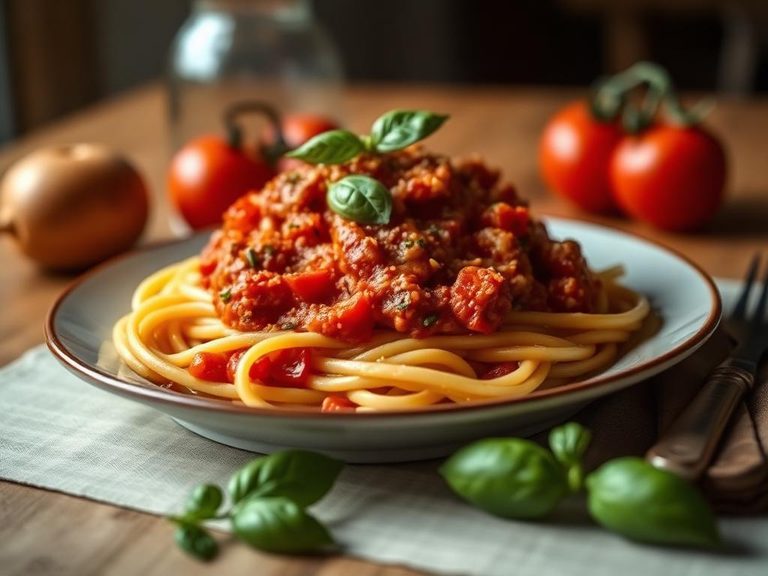
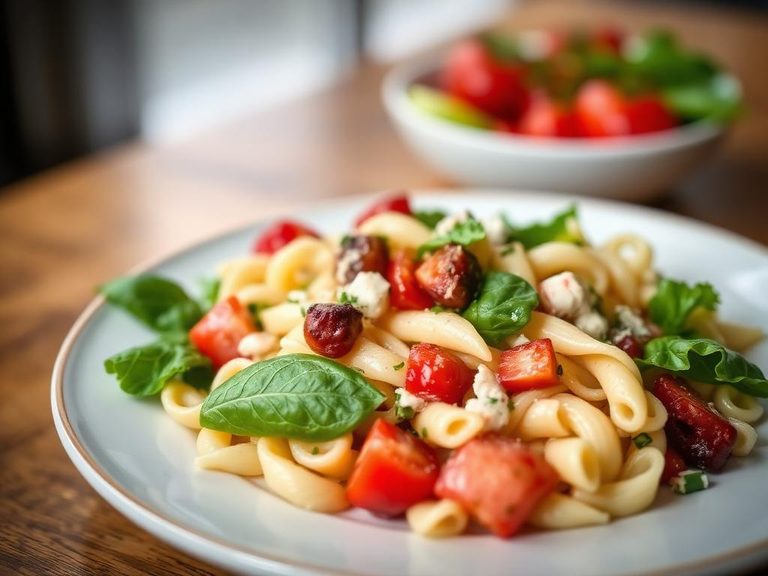
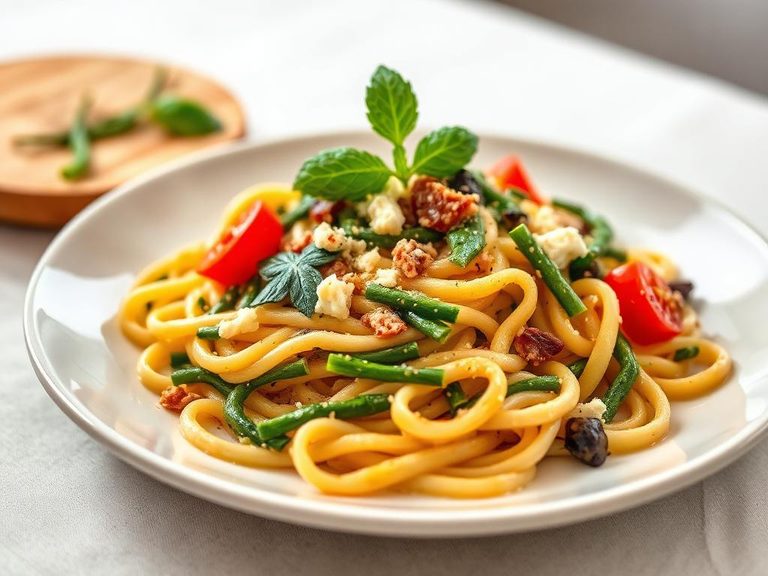
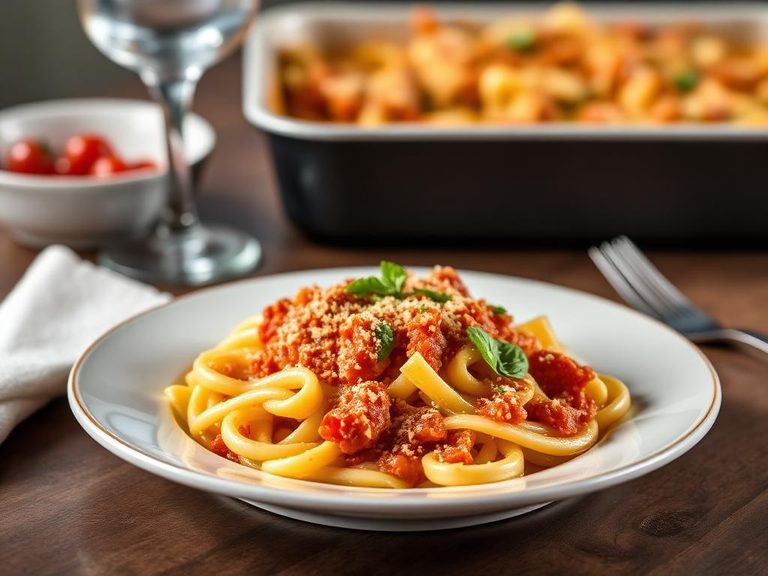
🌍 Where it's eaten
💡 Did you know?
Corn pasta was developed in Italy in the 1990s as a direct answer to the growing demand for authentic-tasting, gluten-free versions of classic pasta shapes.
Full nutrition (USDA data · scales with serving)
| Water | 68.3 g |
| Energy | 126 kcal |
| Energy | 527 kj |
| Protein | 2.6 g |
| Total lipid (fat) | 0.73 g |
| Ash | 0.42 g |
| Carbohydrate, by difference | 27.9 g |
| Fiber, total dietary | 4.8 g |
| Calcium, Ca | 1.0 mg |
| Iron, Fe | 0.25 mg |
| Magnesium, Mg | 36.0 mg |
| Phosphorus, P | 76.0 mg |
| Potassium, K | 31.0 mg |
| Sodium, Na | 0.00 mg |
| Zinc, Zn | 0.63 mg |
| Copper, Cu | 0.06 mg |
| Manganese, Mn | 0.15 mg |
| Selenium, Se | 2.8 ug |
| Vitamin C, total ascorbic acid | 0.00 mg |
| Thiamin | 0.05 mg |
| Riboflavin | 0.02 mg |
| Niacin | 0.56 mg |
| Pantothenic acid | 0.13 mg |
| Vitamin B-6 | 0.06 mg |
| Folate, total | 6.0 ug |
| Folic acid | 0.00 ug |
| Folate, food | 6.0 ug |
| Folate, DFE | 6.0 ug |
| Vitamin B-12 | 0.00 ug |
| Vitamin A, RAE | 3.0 ug |
| Retinol | 0.00 ug |
| Vitamin A, IU | 57.0 iu |
| Alcohol, ethyl | 0.00 g |
Fat & fatty acid profile (per 100g)
| Fatty acids, total saturated | 0.10 g |
| SFA 4:0 | 0.00 g |
| SFA 6:0 | 0.00 g |
| SFA 8:0 | 0.00 g |
| SFA 10:0 | 0.00 g |
| SFA 12:0 | 0.00 g |
| SFA 14:0 | 0.00 g |
| SFA 16:0 | 0.09 g |
| SFA 18:0 | 0.01 g |
| Fatty acids, total monounsaturated | 0.19 g |
| MUFA 16:1 | 0.00 g |
| MUFA 18:1 | 0.19 g |
| MUFA 20:1 | 0.00 g |
| MUFA 22:1 | 0.00 g |
| Fatty acids, total polyunsaturated | 0.33 g |
| PUFA 18:2 | 0.32 g |
| PUFA 18:3 | 0.01 g |
| PUFA 18:4 | 0.00 g |
| PUFA 20:4 | 0.00 g |
| PUFA 20:5 n-3 (EPA) | 0.00 g |
| PUFA 22:5 n-3 (DPA) | 0.00 g |
| PUFA 22:6 n-3 (DHA) | 0.00 g |
| Cholesterol | 0.00 mg |
Amino acid profile (per 100g)
| Tryptophan | 0.02 g |
| Threonine | 0.10 g |
| Isoleucine | 0.09 g |
| Leucine | 0.32 g |
| Lysine | 0.07 g |
| Methionine | 0.06 g |
| Cystine | 0.05 g |
| Phenylalanine | 0.13 g |
| Tyrosine | 0.11 g |
| Valine | 0.13 g |
| Arginine | 0.13 g |
| Histidine | 0.08 g |
| Alanine | 0.20 g |
| Aspartic acid | 0.18 g |
| Glutamic acid | 0.49 g |
| Glycine | 0.11 g |
| Proline | 0.23 g |
| Serine | 0.13 g |
FAQ
How is the taste and texture different from regular wheat pasta?
Corn pasta has a distinctly sweet, earthy corn flavor and a denser, slightly grittier texture. It's less elastic than wheat pasta and can become mushy if overcooked.
Is corn pasta a good source of protein?
It's a moderate source, with about 2.6g per 100g cooked, which is lower than wheat pasta. It's best to pair it with protein-rich ingredients like beans, meat, or cheese.
How do I prevent corn pasta from sticking together?
Use plenty of boiling water, stir frequently during cooking, and rinse briefly with cool water after draining if using for a cold salad. Tossing with a little oil immediately also helps.
Nutrient density (calculated · NRF9.3)
Nutrient Rich Foods index: beneficial nutrients (protein, fiber, vitamins, minerals) minus saturated fat, added sugar & sodium, per 100 kcal.
NRF9.3 index — Fulgoni, Keast & Drewnowski, 2009. Computed from USDA nutrients.
Weight-loss friendliness (composite index)
Energy density 1.26 kcal/g · 8% calories from protein · 4.8 g fiber · 0.0 g sugar per 100 g.
Composite of energy density (Rolls et al., 1999), protein & fiber satiety, minus sugar. A calculated heuristic — ranks satiety-per-calorie, not a clinical measure.
Dietary load (calculated from USDA values)
Potential renal acid load. Positive = acid-forming, negative = alkaline-forming.
Sodium-to-potassium ratio: 0.00 (lower is better — aim for ≤ 1)
Sodium:potassium per WHO potassium guidance. Computed from USDA nutrients.