

Milk substitutes, fluid, with lauric acid oil
Whole food · Dairy and Egg Products
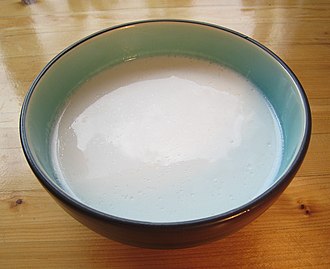
Photo: Wikipedia
This is a plant-based milk alternative, typically coconut milk, crafted by blending coconut cream with water and often enriched with lauric acid-rich oils for a creamy, slightly sweet, and tropical flavor. It has a rich, velvety texture similar to whole dairy milk but with a distinct coconut aroma. Nutritionally, it provides a moderate calorie source with a good balance of healthy fats and a touch of carbohydrates.
Calorie split: 11% protein · 40% carbs · 49% fat
↓ Full nutrition💚 Why it's loved
People adore it for its luxuriously creamy mouthfeel and sweet, tropical coconut flavor that elevates both sweet and savory dishes. It's a versatile staple in vegan and dairy-free cooking, seamlessly replacing cow's milk in curries, smoothies, and desserts.
⚠️ Watch-outs & how to enjoy it better
Its high saturated fat content (mostly from lauric acid) means it should be consumed in moderation, especially by those monitoring heart health or calorie intake. It can also cause digestive discomfort in some individuals if consumed in large quantities. To counteract this, use it as part of a balanced meal, pair it with high-fiber foods like oats or vegetables, and opt for portion-controlled servings in recipes.
Key benefits
- Excellent source of medium-chain triglycerides (MCTs) from lauric acid, which may support energy metabolism.
- Naturally dairy-free and lactose-free, making it suitable for vegans and those with lactose intolerance.
- Provides a creamy texture for cooking and baking without animal products.
- Contains no cholesterol and is low in sodium.
- Can be a source of certain micronutrients like manganese if fortified.
🍽️ Popular dishes
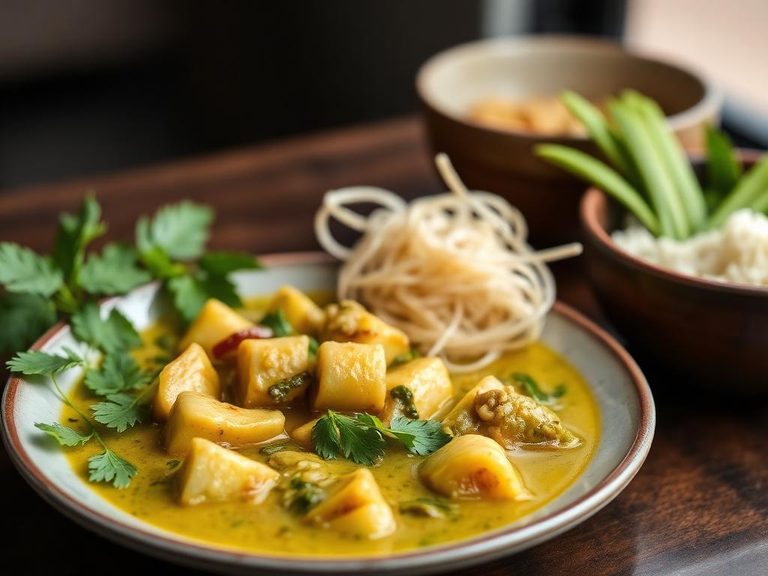

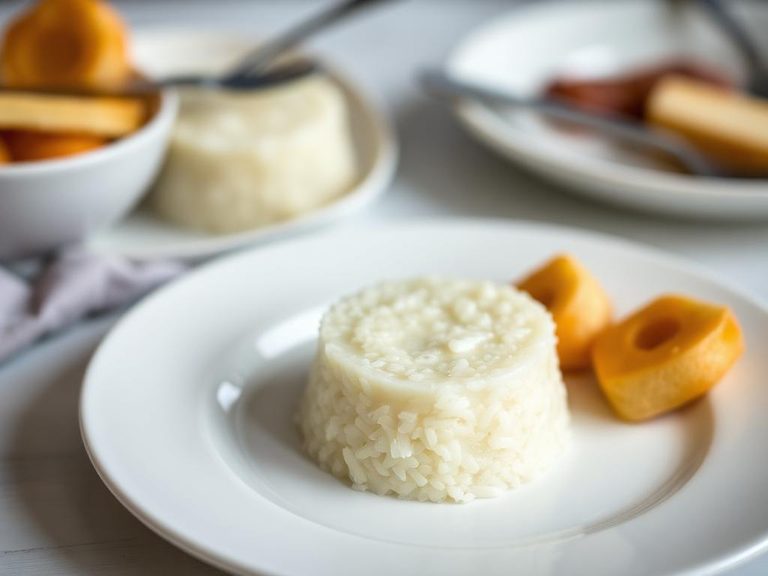
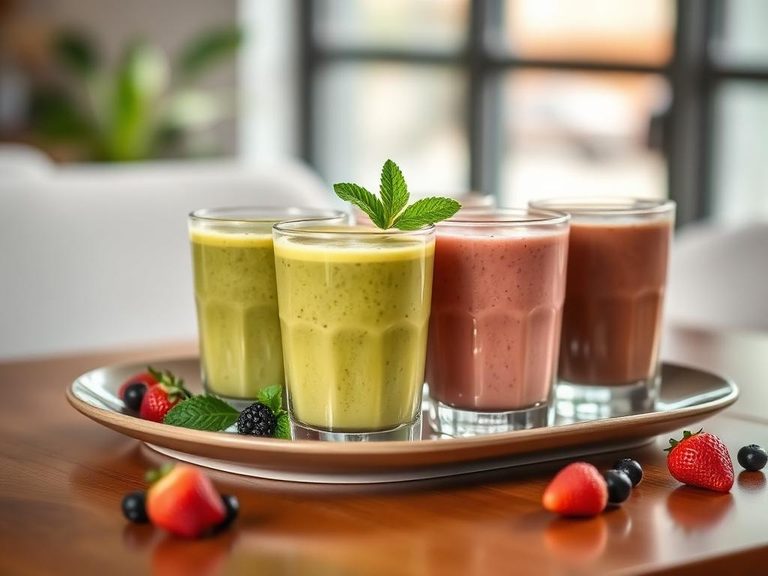

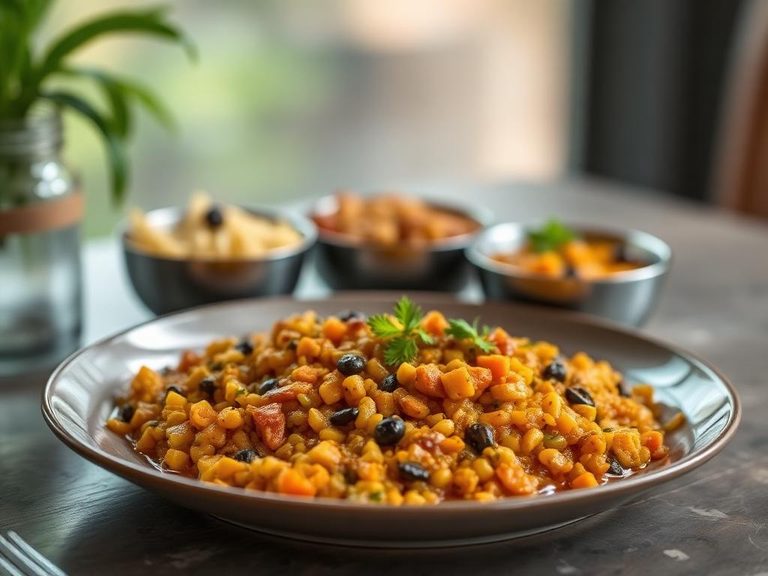
🌍 Where it's eaten
💡 Did you know?
Lauric acid, the signature fat in this milk, makes up about 50% of its fat content and is also found in human breast milk, where it's valued for its antimicrobial properties.
Full nutrition (USDA data · scales with serving)
| Water | 88.2 g |
| Energy | 61.0 kcal |
| Energy | 257 kj |
| Protein | 1.8 g |
| Total lipid (fat) | 3.4 g |
| Ash | 0.50 g |
| Carbohydrate, by difference | 6.2 g |
| Fiber, total dietary | 0.00 g |
| Calcium, Ca | 33.0 mg |
| Iron, Fe | 0.39 mg |
| Magnesium, Mg | 6.0 mg |
| Phosphorus, P | 74.0 mg |
| Potassium, K | 114 mg |
| Sodium, Na | 78.0 mg |
| Zinc, Zn | 1.2 mg |
| Copper, Cu | 0.05 mg |
| Manganese, Mn | 0.10 mg |
| Selenium, Se | 1.9 ug |
| Vitamin C, total ascorbic acid | 0.00 mg |
| Thiamin | 0.01 mg |
| Riboflavin | 0.09 mg |
| Niacin | 0.00 mg |
| Pantothenic acid | 0.00 mg |
| Vitamin B-6 | 0.00 mg |
| Folate, total | 0.00 ug |
| Folic acid | 0.00 ug |
| Folate, food | 0.00 ug |
| Folate, DFE | 0.00 ug |
| Vitamin B-12 | 0.00 ug |
| Vitamin A, RAE | 0.00 ug |
| Retinol | 0.00 ug |
| Vitamin A, IU | 0.00 iu |
Fat & fatty acid profile (per 100g)
| Fatty acids, total saturated | 3.0 g |
| SFA 4:0 | 0.00 g |
| SFA 6:0 | 0.00 g |
| SFA 8:0 | 0.19 g |
| SFA 10:0 | 0.18 g |
| SFA 12:0 | 1.4 g |
| SFA 14:0 | 0.59 g |
| SFA 16:0 | 0.33 g |
| SFA 18:0 | 0.31 g |
| Fatty acids, total monounsaturated | 0.18 g |
| MUFA 16:1 | 0.00 g |
| MUFA 18:1 | 0.18 g |
| Fatty acids, total polyunsaturated | 0.01 g |
| PUFA 18:2 | 0.01 g |
| PUFA 18:3 | 0.00 g |
| PUFA 20:4 | 0.00 g |
| Cholesterol | 0.00 mg |
| Phytosterols | 3.0 mg |
Amino acid profile (per 100g)
| Tryptophan | 0.02 g |
| Threonine | 0.07 g |
| Isoleucine | 0.11 g |
| Leucine | 0.17 g |
| Lysine | 0.14 g |
| Methionine | 0.05 g |
| Cystine | 0.01 g |
| Phenylalanine | 0.09 g |
| Tyrosine | 0.10 g |
| Valine | 0.13 g |
| Arginine | 0.07 g |
| Histidine | 0.05 g |
| Alanine | 0.06 g |
| Aspartic acid | 0.12 g |
| Glutamic acid | 0.40 g |
| Glycine | 0.04 g |
| Proline | 0.20 g |
| Serine | 0.11 g |
FAQ
Is this the same as canned coconut milk?
Not exactly. This 'fluid' version is typically a ready-to-drink beverage, thinner and less concentrated than the thick, high-fat canned coconut milk used for cooking curries. The fluid version is often fortified and homogenized for drinking.
Can I use this to froth for coffee?
Yes, many people enjoy it in coffee, but its high fat content can make it froth differently than dairy. It may produce a thicker, creamier foam but can sometimes separate in very hot, acidic coffee. Barista-specific versions are often formulated for better stability.
Why is lauric acid oil added?
Lauric acid oil is added to boost the fat content, enhance creaminess, and provide a consistent flavor profile. It also increases the level of MCTs, which are metabolized differently from other fats.
Nutrient density (calculated · NRF9.3)
Nutrient Rich Foods index: beneficial nutrients (protein, fiber, vitamins, minerals) minus saturated fat, added sugar & sodium, per 100 kcal.
NRF9.3 index — Fulgoni, Keast & Drewnowski, 2009. Computed from USDA nutrients.
Weight-loss friendliness (composite index)
Energy density 0.61 kcal/g · 11% calories from protein · 0.0 g fiber · 0.0 g sugar per 100 g.
Composite of energy density (Rolls et al., 1999), protein & fiber satiety, minus sugar. A calculated heuristic — ranks satiety-per-calorie, not a clinical measure.
Dietary load (calculated from USDA values)
Potential renal acid load. Positive = acid-forming, negative = alkaline-forming.
Sodium-to-potassium ratio: 0.68 (lower is better — aim for ≤ 1)
Sodium:potassium per WHO potassium guidance. Computed from USDA nutrients.