Vegan Ice Cream
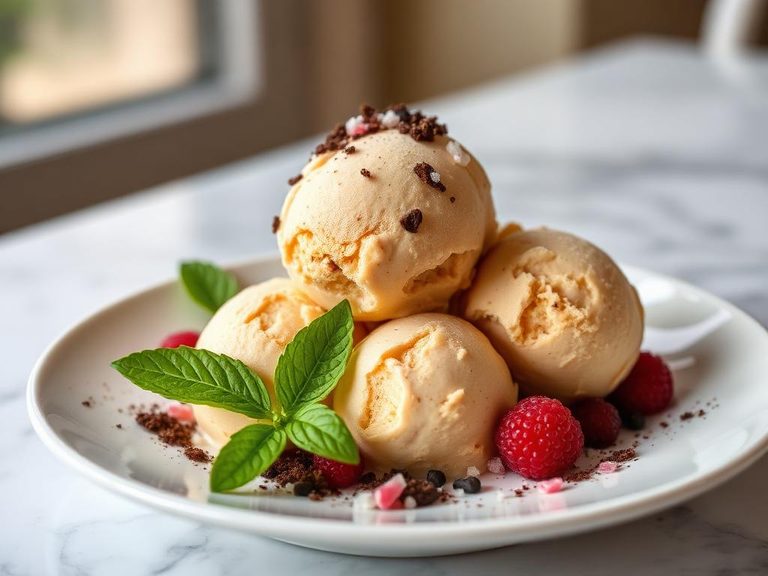
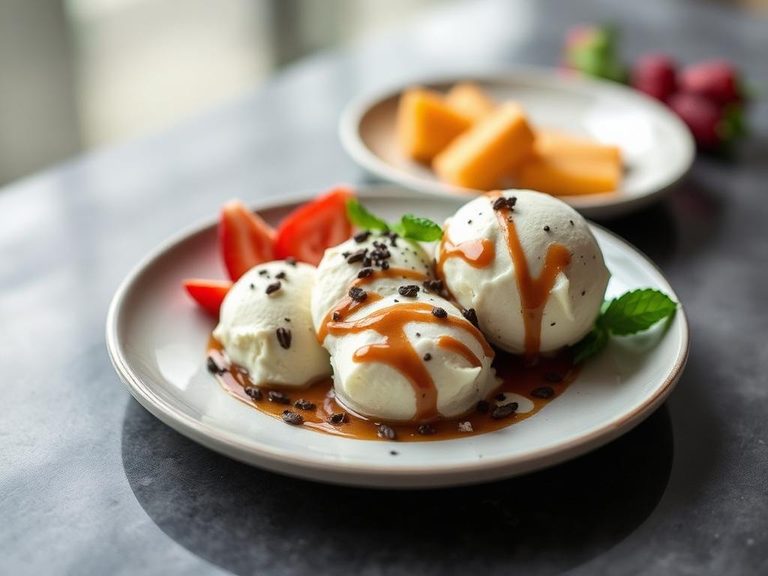
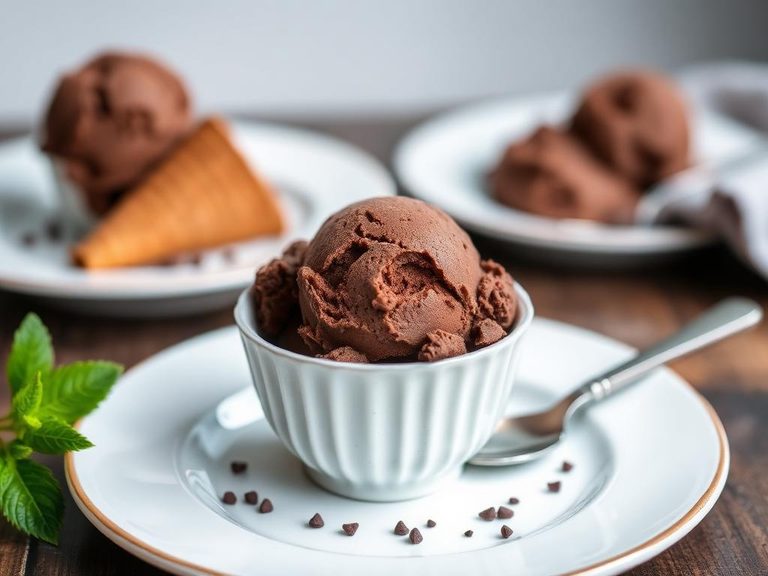
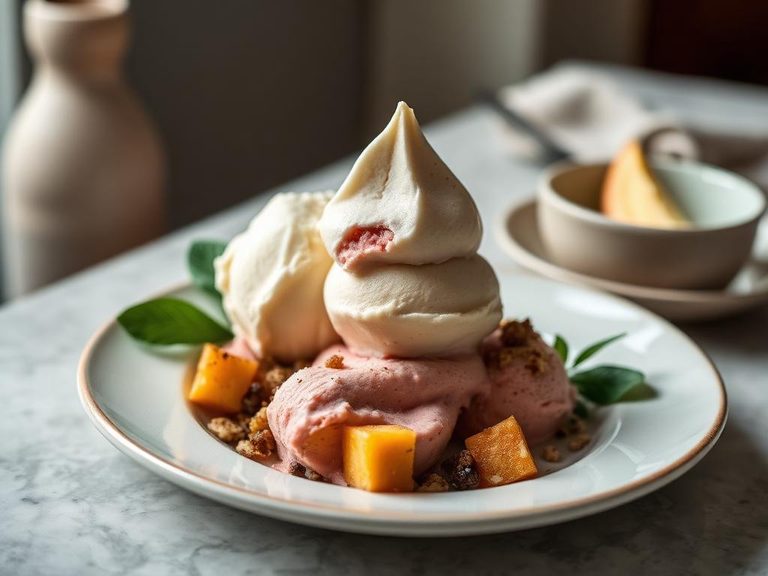
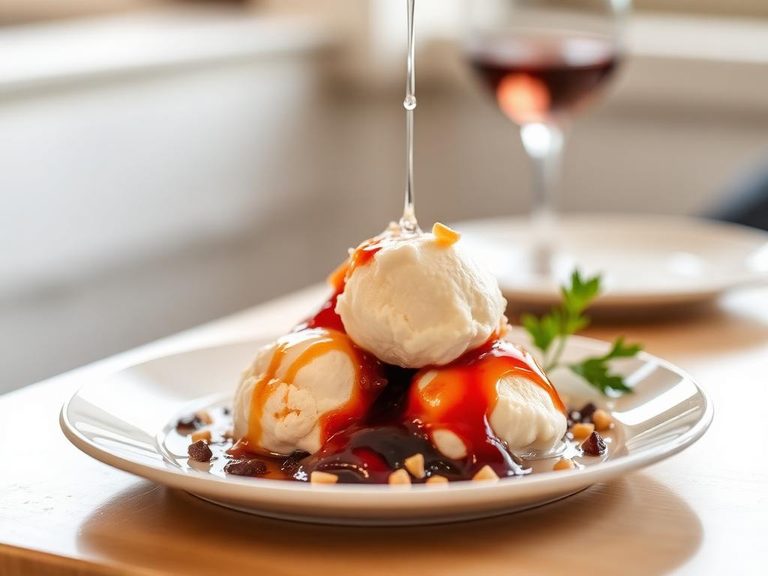
Vegan ice cream is a frozen dessert made without any animal products, typically using plant-based milks like coconut, almond, or oat, along with sweeteners and natural flavorings. It originated as a dairy-free alternative for those with dietary restrictions or ethical preferences and has since become a mainstream treat enjoyed worldwide.
🍽️ Nutrition at a glance
Generally high in healthy fats and carbohydrates, with minimal protein, it provides key nutrients like fiber (if made with whole ingredients) and vitamins such as vitamin E from nuts. A typical serving (about 1/2 cup) ranges from 150 to 250 calories, depending on the base and added sugars.
Nutrition breakdown
| Calories | 270 kcal |
| Protein | 3 g |
| Carbs | 38 g |
| Fat | 13 g |
| Fiber | 2.5 g |
| Sugar | 28 g |
| Sodium | 90 mg |
| Calcium | 150 mg |
| Iron | 1.5 mg |
| Potassium | 250 mg |
| Vitamin D | 2.5 mcg |
| Vitamin B12 | 1.0 mcg |
| Phosphorus | 100 mg |
| Magnesium | 30 mg |
| Zinc | 0.8 mg |
Per 1 cup (240 g) · estimated, varies by recipe
💡 What's interesting
Culturally, it represents a growing shift towards plant-based eating, often embraced in vegan and health-conscious communities. Nutritionally, it can be a source of antioxidants and healthy fats, making it a unique alternative to traditional ice cream for those seeking dairy-free options.