

Milk, nonfat, fluid, protein fortified, with added vitamin A and vitamin D (fat free and skim)
Whole food · Dairy and Egg Products

Photo: Wikipedia
This is a modern nutritional powerhouse: a skim milk base boosted with extra whey or casein protein, then fortified with vitamins A and D to match whole milk's micronutrient profile. The result is a thin, crisp, and slightly chalky liquid that is pure white and intensely milky, designed for maximum protein delivery with minimal calories and virtually no fat. Its defining feature is the high protein-to-calorie ratio, making it a lean muscle-building staple.
Calorie split: 39% protein · 55% carbs · 6% fat
↓ Full nutrition💚 Why it's loved
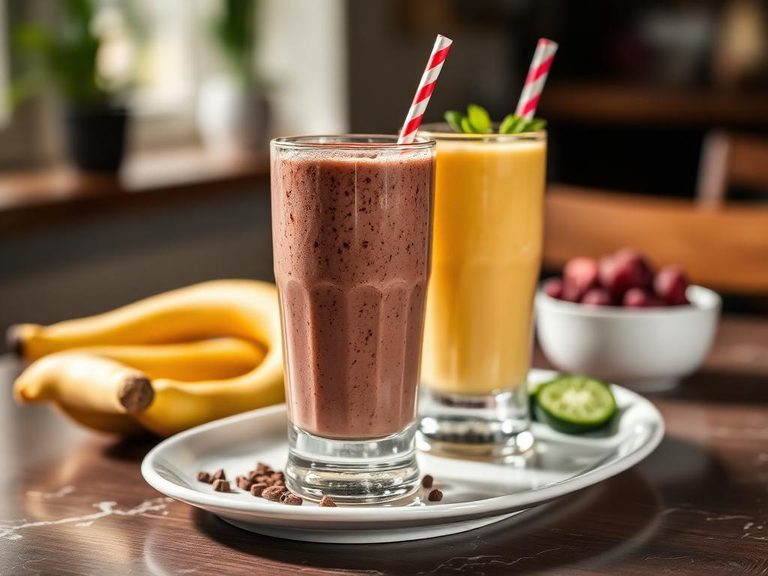
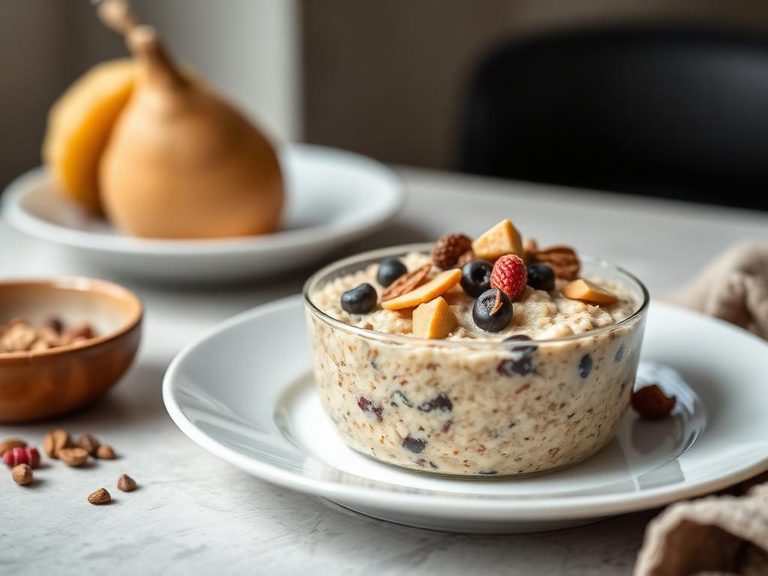
Fitness enthusiasts and health-conscious cooks adore it for its ability to add a significant protein punch to smoothies, oatmeal, and baked goods without adding fat or a strong flavor. It's a versatile, neutral-tasting protein base that integrates seamlessly into both sweet and savory recipes.
⚠️ Watch-outs & how to enjoy it better
The added protein can give it a slightly chalky or artificial aftertaste that some find unpleasant to drink straight. Those with lactose intolerance or a milk protein allergy should avoid it, and the quick-digesting carbs may cause a blood-sugar spike if not paired with fiber or fat. Tip: Always consume it with a source of fiber (like berries or oats) or healthy fat (like nut butter) to slow absorption and improve satiety.
Key benefits
- Excellent source of complete, high-quality protein for muscle repair.
- Very low in fat and calories, supporting weight management goals.
- Fortified with Vitamin D for bone health and immune function.
- Fortified with Vitamin A for vision and skin health.
- Naturally low in carbohydrates and sugar compared to many protein drinks.
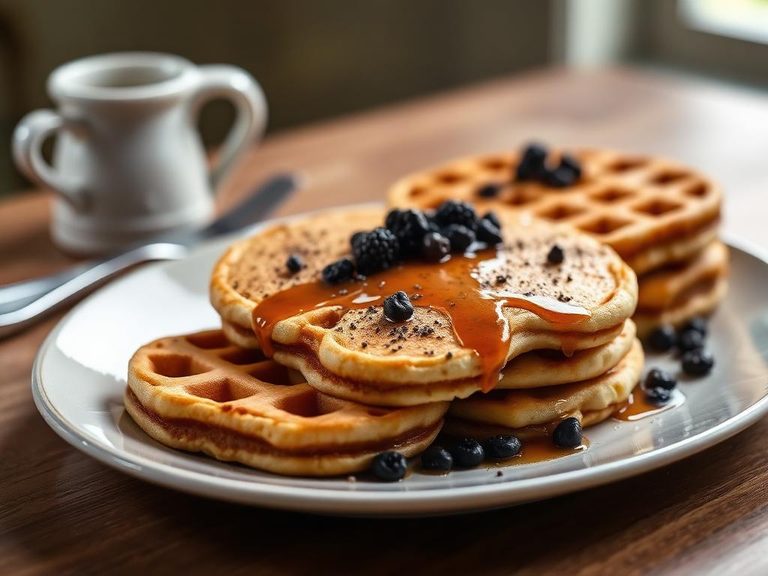
🍽️ Popular dishes
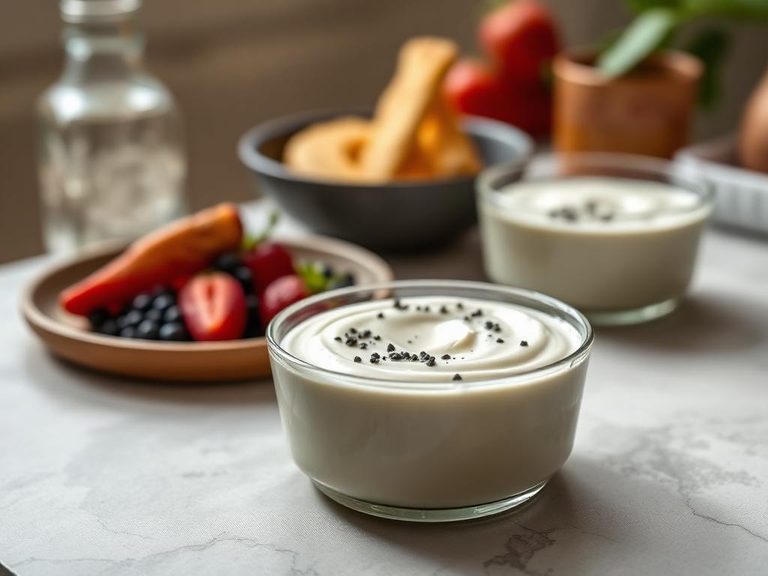
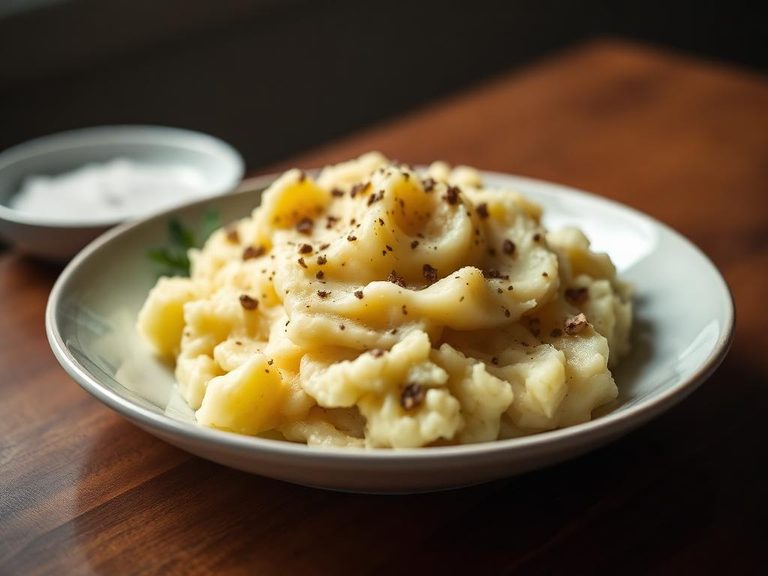
🌍 Where it's eaten
💡 Did you know?
The process of fortifying milk with extra protein typically involves adding ultra-filtered milk or milk protein concentrates, which can boost the protein content by 50-100% compared to regular skim milk.
Full nutrition (USDA data · scales with serving)
| Water | 89.4 g |
| Energy | 41.0 kcal |
| Energy | 170 kj |
| Protein | 4.0 g |
| Total lipid (fat) | 0.25 g |
| Ash | 0.87 g |
| Carbohydrate, by difference | 5.6 g |
| Fiber, total dietary | 0.00 g |
| Calcium, Ca | 143 mg |
| Iron, Fe | 0.06 mg |
| Magnesium, Mg | 16.0 mg |
| Phosphorus, P | 112 mg |
| Potassium, K | 182 mg |
| Sodium, Na | 59.0 mg |
| Zinc, Zn | 0.45 mg |
| Copper, Cu | 0.01 mg |
| Manganese, Mn | 0.00 mg |
| Selenium, Se | 2.4 ug |
| Vitamin C, total ascorbic acid | 1.1 mg |
| Thiamin | 0.04 mg |
| Riboflavin | 0.19 mg |
| Niacin | 0.10 mg |
| Pantothenic acid | 0.38 mg |
| Vitamin B-6 | 0.05 mg |
| Folate, total | 6.0 ug |
| Folic acid | 0.00 ug |
| Folate, food | 6.0 ug |
| Folate, DFE | 6.0 ug |
| Vitamin B-12 | 0.43 ug |
| Vitamin A, RAE | 61.0 ug |
| Retinol | 61.0 ug |
| Vitamin A, IU | 203 iu |
| Vitamin D (D2 + D3), International Units | 40.0 iu |
| Vitamin D (D2 + D3) | 1.0 ug |
Fat & fatty acid profile (per 100g)
| Fatty acids, total saturated | 0.16 g |
| SFA 4:0 | 0.01 g |
| SFA 6:0 | 0.00 g |
| SFA 8:0 | 0.00 g |
| SFA 10:0 | 0.01 g |
| SFA 12:0 | 0.00 g |
| SFA 14:0 | 0.02 g |
| SFA 16:0 | 0.07 g |
| SFA 18:0 | 0.03 g |
| Fatty acids, total monounsaturated | 0.07 g |
| MUFA 16:1 | 0.01 g |
| MUFA 18:1 | 0.05 g |
| Fatty acids, total polyunsaturated | 0.01 g |
| PUFA 18:2 | 0.01 g |
| PUFA 18:3 | 0.00 g |
| PUFA 20:4 | 0.00 g |
| Cholesterol | 2.0 mg |
Amino acid profile (per 100g)
| Tryptophan | 0.06 g |
| Threonine | 0.18 g |
| Isoleucine | 0.24 g |
| Leucine | 0.39 g |
| Lysine | 0.31 g |
| Methionine | 0.10 g |
| Cystine | 0.04 g |
| Phenylalanine | 0.19 g |
| Tyrosine | 0.19 g |
| Valine | 0.27 g |
| Arginine | 0.14 g |
| Histidine | 0.11 g |
| Alanine | 0.14 g |
| Aspartic acid | 0.30 g |
| Glutamic acid | 0.83 g |
| Glycine | 0.08 g |
| Proline | 0.38 g |
| Serine | 0.21 g |
FAQ
How is this different from regular skim milk?
It has significantly more protein (often 50-100% more) added via milk protein concentrates or isolates, and is guaranteed to have added Vitamins A and D.
Can I use it for baking?
Yes, it works well in pancakes, muffins, and breads to boost protein. The higher protein content may slightly alter texture, making baked goods a bit denser.
Is it suitable for a keto diet?
Generally no, as it contains 5-6g of carbs per cup. While low in fat, the carb count is too high for strict ketogenic diets.
Why does it taste different?
The added protein concentrates can impart a slightly more 'cooked' or chalky flavor and a thinner mouthfeel compared to the naturally creamy texture of regular milk.
Nutrient density (calculated · NRF9.3)
Nutrient Rich Foods index: beneficial nutrients (protein, fiber, vitamins, minerals) minus saturated fat, added sugar & sodium, per 100 kcal.
NRF9.3 index — Fulgoni, Keast & Drewnowski, 2009. Computed from USDA nutrients.
Weight-loss friendliness (composite index)
Energy density 0.41 kcal/g · 39% calories from protein · 0.0 g fiber · 0.0 g sugar per 100 g.
Composite of energy density (Rolls et al., 1999), protein & fiber satiety, minus sugar. A calculated heuristic — ranks satiety-per-calorie, not a clinical measure.
Dietary load (calculated from USDA values)
Potential renal acid load. Positive = acid-forming, negative = alkaline-forming.
Sodium-to-potassium ratio: 0.32 (lower is better — aim for ≤ 1)
Sodium:potassium per WHO potassium guidance. Computed from USDA nutrients.