

Margarine-like spread, SMART BALANCE Light Buttery Spread
Whole food · Fats and Oils

Photo: Wikipedia
A soft, plant-based spread designed to mimic butter, Smart Balance Light is known for its smooth, creamy texture and mild, salty flavor. It's formulated to be cholesterol-free and lower in saturated fat than traditional butter, making it a popular choice for those managing heart health. The spread's primary nutritional profile is its high fat content, derived from a blend of vegetable oils.
Calorie split: 0% protein · 2% carbs · 98% fat
↓ Full nutrition💚 Why it's loved
People love it for its familiar, buttery taste and smooth spreadability, which makes it a seamless substitute for butter on toast, in baking, or for sautéing. It's a staple in many American kitchens for those seeking a heart-healthier alternative without sacrificing the comfort of a classic spread.
⚠️ Watch-outs & how to enjoy it better
The spread is very low in protein and fiber, and its high fat content (mostly from refined oils) can contribute to excess calorie intake if not portion-controlled. For those monitoring blood sugar, it's important to note it contains no sugar but is often paired with refined carbohydrates (like white toast) which can cause spikes. To counteract this, pair it with a protein source (like eggs or nut butter) and choose whole-grain bread to slow digestion.
Key benefits
- Cholesterol-free
- Lower in saturated fat than butter
- Good source of plant-based Omega-3s (ALA)
- Contains no trans fats
- Provides a buttery flavor without dairy
🍽️ Popular dishes
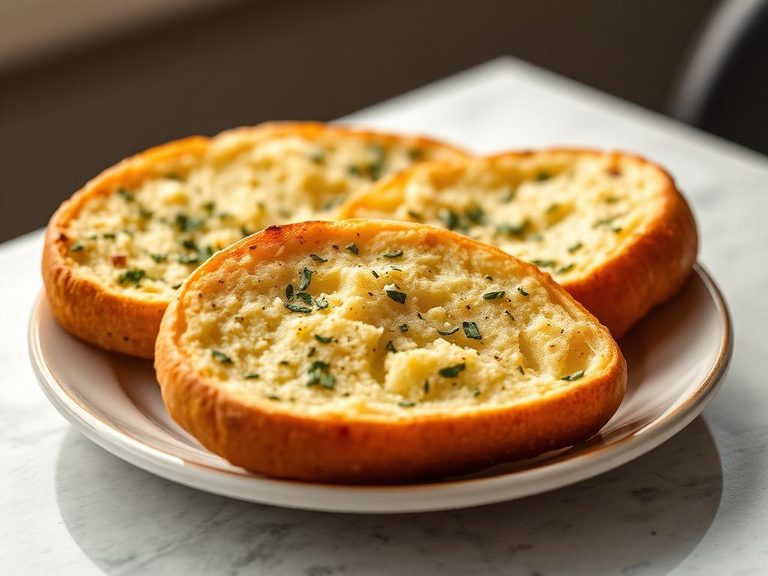
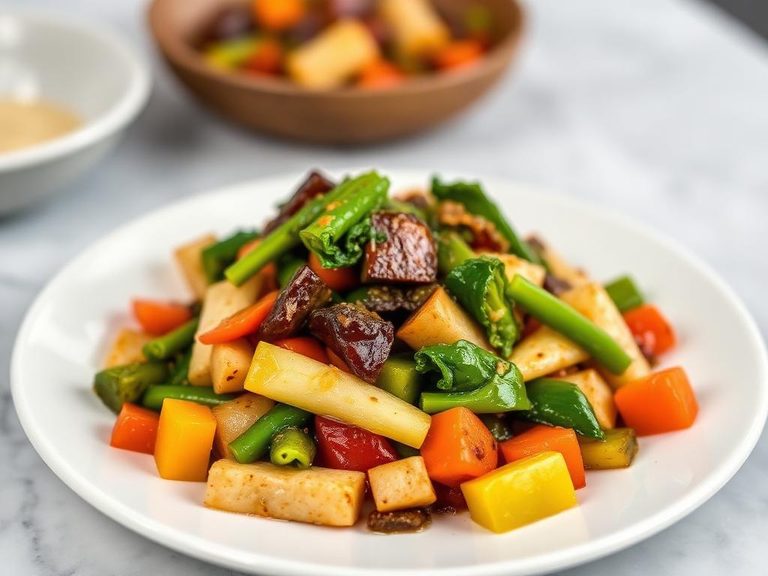
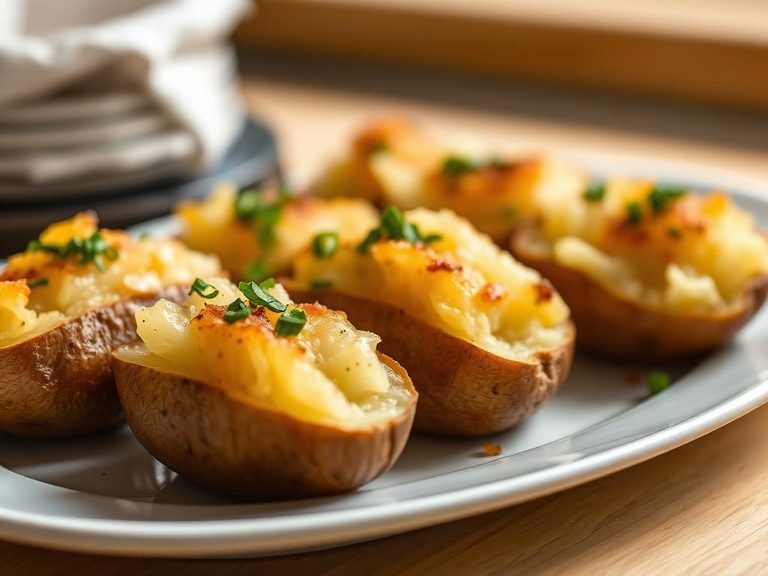
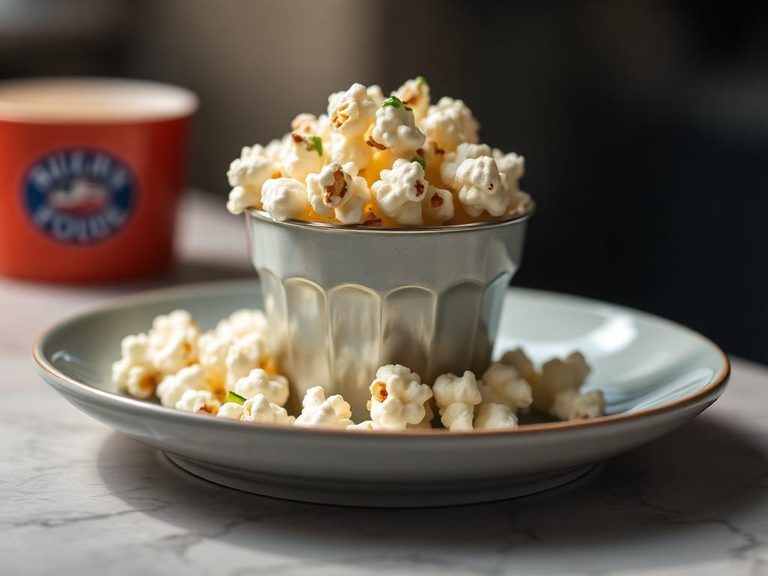
🌍 Where it's eaten
💡 Did you know?
Smart Balance was originally marketed as a 'heart-smart' spread in the 1990s and was one of the first brands to prominently feature the 'Omega-3' health claim on its packaging, capitalizing on early research linking these fats to cardiovascular health.
Full nutrition (USDA data · scales with serving)
| Water | 59.9 g |
| Energy | 337 kcal |
| Energy | 1410 kj |
| Protein | 0.02 g |
| Total lipid (fat) | 36.4 g |
| Ash | 1.7 g |
| Carbohydrate, by difference | 2.0 g |
| Calcium, Ca | 3.0 mg |
| Iron, Fe | 0.00 mg |
| Magnesium, Mg | 1.0 mg |
| Phosphorus, P | 1.0 mg |
| Potassium, K | 32.0 mg |
| Sodium, Na | 580 mg |
| Zinc, Zn | 0.00 mg |
| Copper, Cu | 0.00 mg |
| Manganese, Mn | 0.00 mg |
| Thiamin | 0.00 mg |
| Riboflavin | 0.00 mg |
| Niacin | 0.00 mg |
| Vitamin B-6 | 0.00 mg |
| Vitamin A, RAE | 1433 ug |
| Retinol | 1410 ug |
| Vitamin A, IU | 5161 iu |
| Vitamin E (alpha-tocopherol) | 15.8 mg |
| Tocopherol, beta | 0.06 mg |
| Tocopherol, gamma | 7.8 mg |
| Tocopherol, delta | 1.1 mg |
| Tocotrienol, alpha | 1.6 mg |
| Tocotrienol, beta | 0.00 mg |
| Tocotrienol, gamma | 1.1 mg |
| Tocotrienol, delta | 0.00 mg |
| Vitamin K (phylloquinone) | 46.8 ug |
| Vitamin K (Dihydrophylloquinone) | 0.00 ug |
Fat & fatty acid profile (per 100g)
| Fatty acids, total saturated | 10.1 g |
| SFA 4:0 | 0.00 g |
| SFA 6:0 | 0.00 g |
| SFA 8:0 | 0.01 g |
| SFA 10:0 | 0.00 g |
| SFA 12:0 | 0.08 g |
| SFA 14:0 | 0.19 g |
| SFA 15:0 | 0.01 g |
| SFA 16:0 | 8.0 g |
| SFA 17:0 | 0.04 g |
| SFA 18:0 | 1.5 g |
| SFA 20:0 | 0.15 g |
| SFA 22:0 | 0.08 g |
| SFA 24:0 | 0.01 g |
| Fatty acids, total monounsaturated | 13.7 g |
| MUFA 16:1 | 0.06 g |
| MUFA 16:1 c | 0.06 g |
| MUFA 17:1 | 0.01 g |
| MUFA 18:1 | 13.5 g |
| MUFA 18:1 c | 13.2 g |
| MUFA 20:1 | 0.12 g |
| MUFA 22:1 | 0.01 g |
| MUFA 22:1 c | 0.01 g |
| Fatty acids, total polyunsaturated | 9.7 g |
| PUFA 18:2 | 8.3 g |
| PUFA 18:2 n-6 c,c | 8.2 g |
| PUFA 18:2 i | 0.14 g |
| PUFA 18:3 | 1.3 g |
| PUFA 18:3 n-3 c,c,c (ALA) | 1.1 g |
| PUFA 18:3i | 0.19 g |
| PUFA 18:4 | 0.00 g |
| PUFA 20:2 n-6 c,c | 0.03 g |
| PUFA 20:4 | 0.00 g |
| PUFA 20:5 n-3 (EPA) | 0.00 g |
| PUFA 22:5 n-3 (DPA) | 0.00 g |
| PUFA 22:6 n-3 (DHA) | 0.00 g |
| Fatty acids, total trans | 0.61 g |
| Fatty acids, total trans-monoenoic | 0.28 g |
| TFA 18:1 t | 0.28 g |
| Fatty acids, total trans-polyenoic | 0.33 g |
FAQ
Is Smart Balance Light a dairy-free product?
Yes, Smart Balance Light Buttery Spread is dairy-free, as it is made from a blend of vegetable oils and is not derived from milk.
Can I use it for baking instead of butter?
Yes, it can be used as a 1:1 substitute for butter in many baking recipes, though the texture and moisture content may differ slightly, potentially affecting the final product's flakiness or rise.
What is the main source of fat in this spread?
The primary fat source is a blend of vegetable oils, typically including palm oil, soybean oil, and canola oil, which are hydrogenated or interesterified to create a solid, spreadable consistency.
Nutrient density (calculated · NRF9.3)
Nutrient Rich Foods index: beneficial nutrients (protein, fiber, vitamins, minerals) minus saturated fat, added sugar & sodium, per 100 kcal.
NRF9.3 index — Fulgoni, Keast & Drewnowski, 2009. Computed from USDA nutrients.
Weight-loss friendliness (composite index)
Energy density 3.37 kcal/g · 0% calories from protein · 0.0 g fiber · 0.0 g sugar per 100 g.
Composite of energy density (Rolls et al., 1999), protein & fiber satiety, minus sugar. A calculated heuristic — ranks satiety-per-calorie, not a clinical measure.
Dietary load (calculated from USDA values)
Potential renal acid load. Positive = acid-forming, negative = alkaline-forming.
Sodium-to-potassium ratio: 18.13 (lower is better — aim for ≤ 1)
Sodium:potassium per WHO potassium guidance. Computed from USDA nutrients.