

Margarine-like spread, BENECOL Light Spread
Whole food · Fats and Oils

Photo: Wikipedia
BENECOL Light Spread is a plant-based, cholesterol-reducing spread designed to mimic butter with a smooth, creamy texture and a mild, savory flavor. Nutritionally, it's a high-fat, calorie-dense option with nearly 39g of fat per 100g, but it contains zero protein, sugar, or fiber. Its key feature is the inclusion of plant stanols, which are clinically shown to help lower LDL cholesterol as part of a healthy diet.
Calorie split: 0% protein · 6% carbs · 94% fat
↓ Full nutrition💚 Why it's loved
People love it for its familiar, buttery taste and spreadable consistency that makes it an easy, heart-health-conscious swap in daily routines. It's a cultural staple for those managing cholesterol without wanting to sacrifice the ritual of spreading something rich on toast or using it in recipes.
⚠️ Watch-outs & how to enjoy it better
The high fat and calorie density (357 kcal per 100g) means overuse can contribute to weight gain. Some may find the taste less rich than full-fat butter. Concrete tip: Use it sparingly as a flavor enhancer rather than a primary fat source, and pair it with fiber-rich foods like whole-grain bread or vegetables to promote satiety.
Key benefits
- Contains plant stanols clinically proven to lower LDL cholesterol
- Cholesterol-free and made from plant oils
- Provides a butter-like spread for cooking and baking
- Source of vitamins A and D
- Lactose-free and suitable for vegans
🍽️ Popular dishes
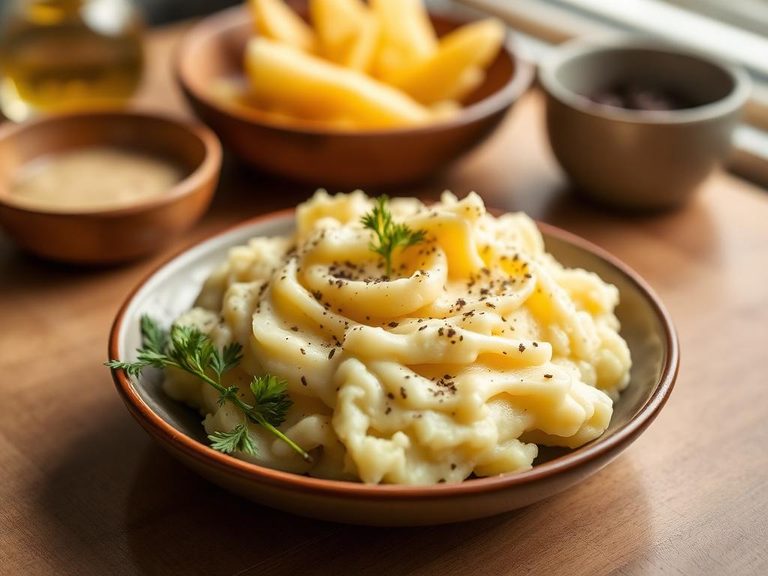
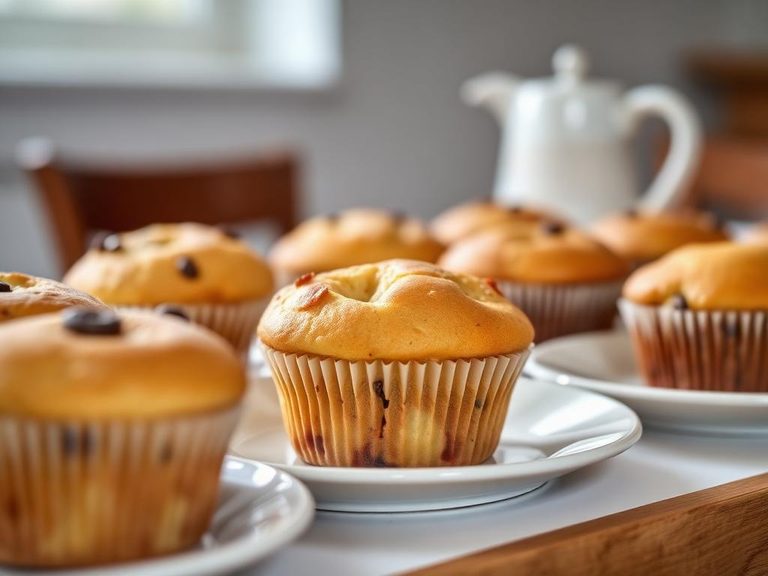
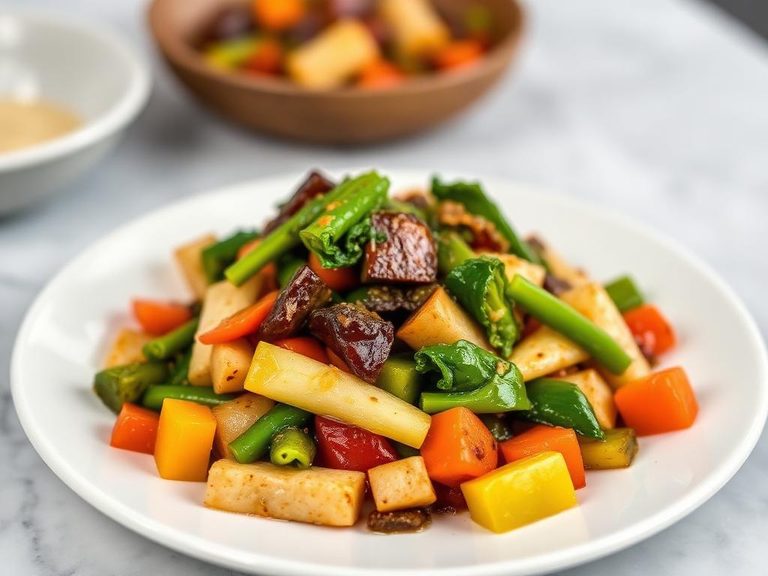
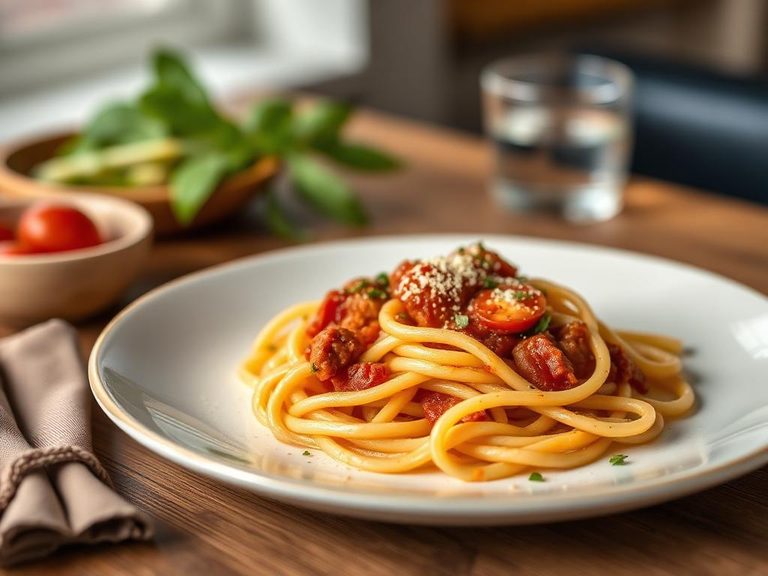
🌍 Where it's eaten
💡 Did you know?
The plant stanols in Benecol are derived from pine tree resin and vegetable oils, and they work by blocking the absorption of cholesterol in the digestive system.
Full nutrition (USDA data · scales with serving)
| Water | 53.7 g |
| Energy | 357 kcal |
| Energy | 1494 kj |
| Protein | 0.00 g |
| Total lipid (fat) | 38.7 g |
| Ash | 1.9 g |
| Carbohydrate, by difference | 5.7 g |
| Calcium, Ca | 4.0 mg |
| Iron, Fe | 0.00 mg |
| Magnesium, Mg | 1.0 mg |
| Phosphorus, P | 4.0 mg |
| Potassium, K | 4.0 mg |
| Sodium, Na | 670 mg |
| Zinc, Zn | 0.00 mg |
| Copper, Cu | 0.00 mg |
| Manganese, Mn | 0.00 mg |
| Thiamin | 0.01 mg |
| Riboflavin | 0.00 mg |
| Niacin | 0.00 mg |
| Vitamin B-6 | 0.00 mg |
| Vitamin A, RAE | 1370 ug |
| Retinol | 1370 ug |
| Vitamin A, IU | 4567 iu |
| Vitamin E (alpha-tocopherol) | 37.2 mg |
| Tocopherol, beta | 0.07 mg |
| Tocopherol, gamma | 13.8 mg |
| Tocopherol, delta | 2.6 mg |
| Tocotrienol, alpha | 0.00 mg |
| Tocotrienol, beta | 0.00 mg |
| Tocotrienol, gamma | 0.00 mg |
| Tocotrienol, delta | 0.00 mg |
| Vitamin K (phylloquinone) | 56.5 ug |
| Vitamin K (Dihydrophylloquinone) | 12.3 ug |
Fat & fatty acid profile (per 100g)
| Fatty acids, total saturated | 4.8 g |
| SFA 4:0 | 0.00 g |
| SFA 6:0 | 0.00 g |
| SFA 8:0 | 0.00 g |
| SFA 10:0 | 0.00 g |
| SFA 12:0 | 0.00 g |
| SFA 14:0 | 0.04 g |
| SFA 15:0 | 0.00 g |
| SFA 16:0 | 2.7 g |
| SFA 17:0 | 0.04 g |
| SFA 18:0 | 1.7 g |
| SFA 20:0 | 0.15 g |
| SFA 22:0 | 0.14 g |
| SFA 24:0 | 0.00 g |
| Fatty acids, total monounsaturated | 18.9 g |
| MUFA 16:1 | 0.07 g |
| MUFA 16:1 c | 0.07 g |
| MUFA 17:1 | 0.04 g |
| MUFA 18:1 | 18.5 g |
| MUFA 18:1 c | 16.7 g |
| MUFA 20:1 | 0.27 g |
| MUFA 22:1 | 0.02 g |
| MUFA 22:1 c | 0.02 g |
| Fatty acids, total polyunsaturated | 11.9 g |
| PUFA 18:2 | 9.7 g |
| PUFA 18:2 n-6 c,c | 9.6 g |
| PUFA 18:3 | 2.2 g |
| PUFA 18:3 n-3 c,c,c (ALA) | 2.0 g |
| PUFA 18:3i | 0.21 g |
| PUFA 18:4 | 0.00 g |
| PUFA 20:2 n-6 c,c | 0.04 g |
| PUFA 20:4 | 0.00 g |
| PUFA 20:5 n-3 (EPA) | 0.00 g |
| PUFA 22:5 n-3 (DPA) | 0.00 g |
| PUFA 22:6 n-3 (DHA) | 0.00 g |
| Fatty acids, total trans | 2.2 g |
| Fatty acids, total trans-monoenoic | 1.8 g |
| TFA 18:1 t | 1.8 g |
| TFA 18:2 t not further defined | 0.17 g |
| Fatty acids, total trans-polyenoic | 0.38 g |
FAQ
Is Benecol Light Spread the same as butter?
No. It's a plant-based spread designed to mimic butter's taste and texture but contains no dairy, cholesterol, or animal products. Its primary health benefit comes from added plant stanols.
Can I cook and bake with it?
Yes, it can be used for sautéing, spreading, and in many baking recipes. However, its high water content compared to butter may affect the texture of some baked goods, so it's best to check specific recipe guidance.
How does it help lower cholesterol?
The plant stanols in Benecol are absorbed in the gut where they compete with dietary cholesterol, reducing its absorption into the bloodstream by about 10% when consumed regularly as part of a healthy diet.
Nutrient density (calculated · NRF9.3)
Nutrient Rich Foods index: beneficial nutrients (protein, fiber, vitamins, minerals) minus saturated fat, added sugar & sodium, per 100 kcal.
NRF9.3 index — Fulgoni, Keast & Drewnowski, 2009. Computed from USDA nutrients.
Weight-loss friendliness (composite index)
Energy density 3.57 kcal/g · 0% calories from protein · 0.0 g fiber · 0.0 g sugar per 100 g.
Composite of energy density (Rolls et al., 1999), protein & fiber satiety, minus sugar. A calculated heuristic — ranks satiety-per-calorie, not a clinical measure.
Dietary load (calculated from USDA values)
Potential renal acid load. Positive = acid-forming, negative = alkaline-forming.
Sodium-to-potassium ratio: 167.50 (lower is better — aim for ≤ 1)
Sodium:potassium per WHO potassium guidance. Computed from USDA nutrients.