

Pasta sauce finish
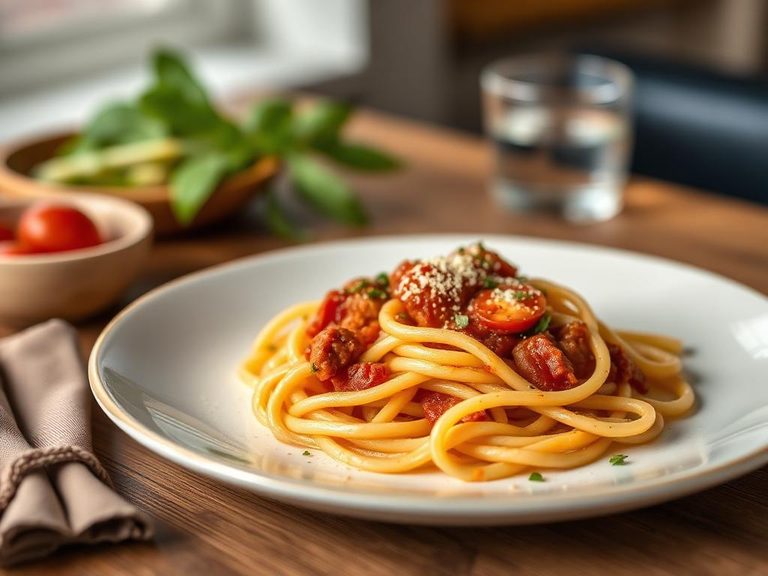
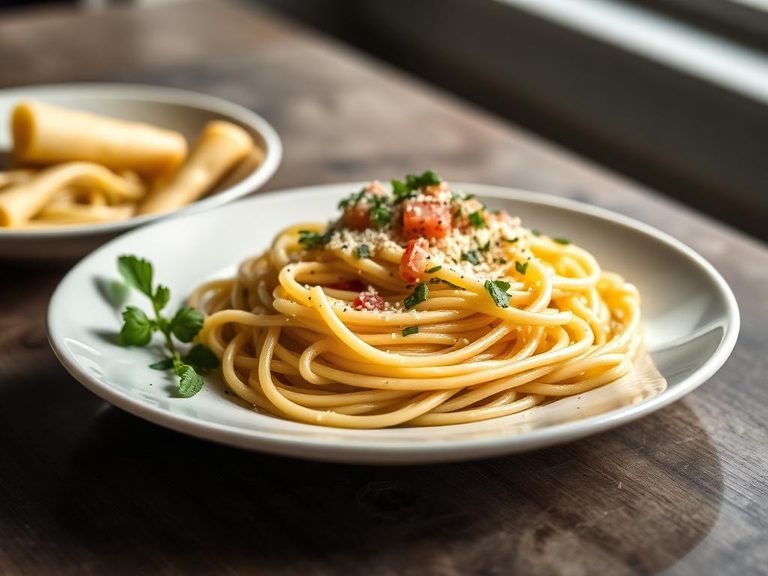
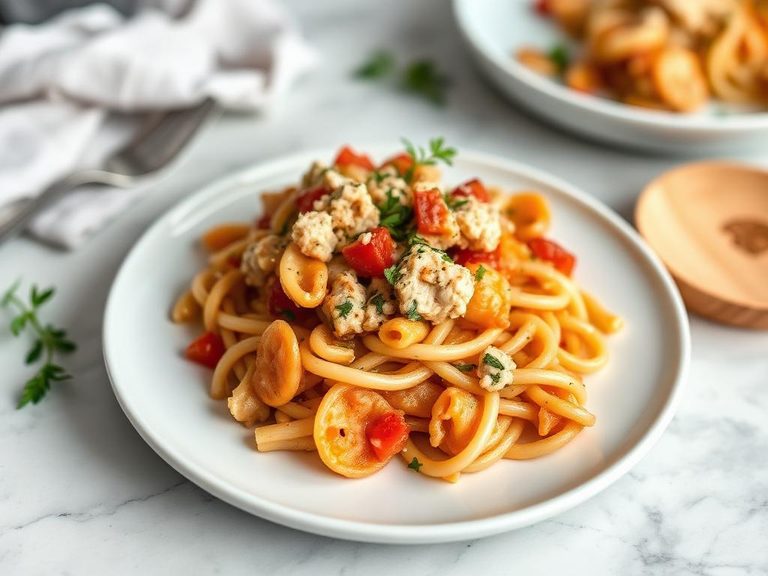
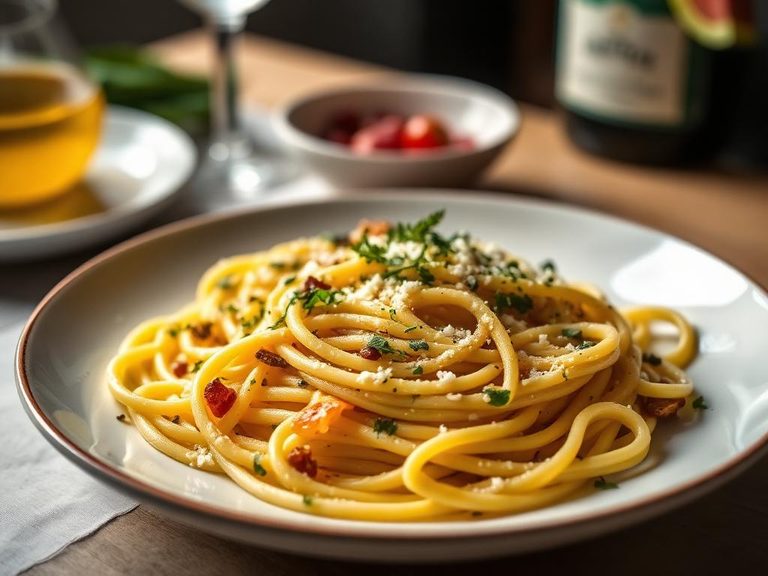
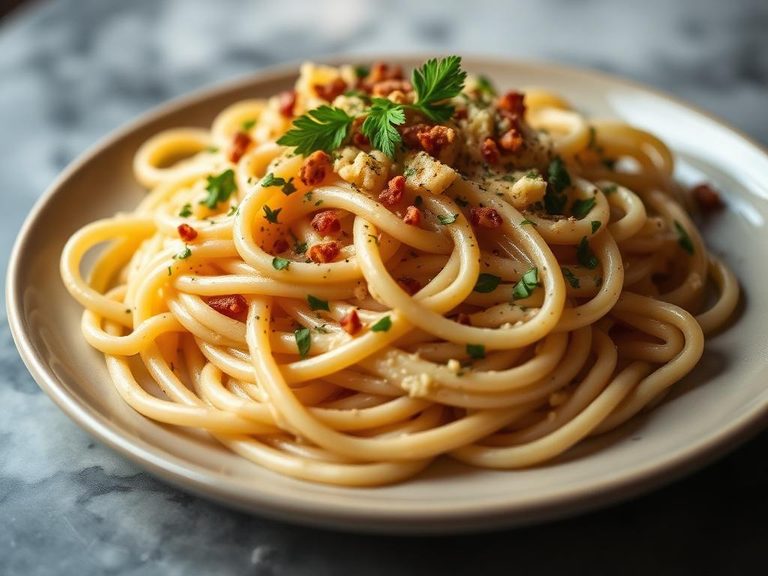
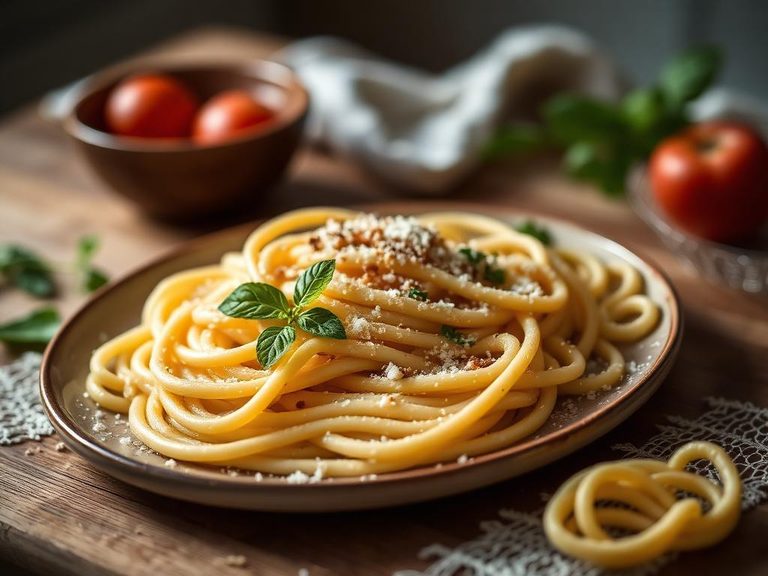
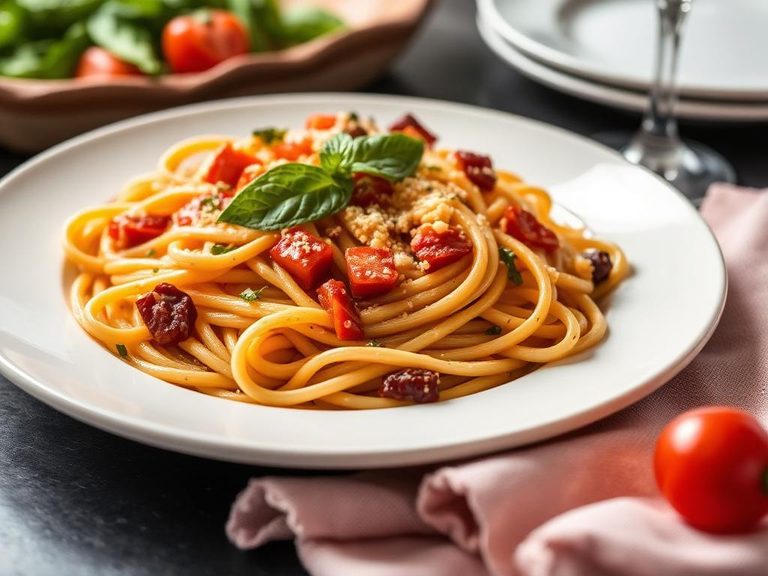
Pasta sauce finish refers to the final step of cooking pasta where the pasta is tossed directly in the sauce with a splash of starchy pasta water to create a creamy, emulsified coating. This technique, originating from Italian culinary tradition, typically uses a simple tomato-based or oil-and-garlic sauce, ensuring the pasta is perfectly coated rather than just topped. It's the hallmark of a well-executed pasta dish, transforming separate components into a cohesive, flavorful meal.
🍽️ Nutrition at a glance
This dish is primarily a source of carbohydrates from the pasta, with moderate fat depending on the sauce (like olive oil or cheese). It provides key nutrients like iron and B vitamins from the wheat pasta, and lycopene if a tomato-based sauce is used. A typical serving generally falls in the 400-600 calorie range.
Nutrition breakdown
| Calories | 450 kcal |
| Protein | 12 g |
| Carbs | 65 g |
| Fat | 15 g |
| Fiber | 4 g |
| Sugar | 6 g |
| Sodium | 600 mg |
| Iron | 3.5 mg |
| Potassium | 350 mg |
| Vitamin C | 15 mg |
| Lycopene | 5 mg |
| Thiamin (B1) | 0.4 mg |
| Folate | 120 mcg |
| Manganese | 1.2 mg |
| Selenium | 25 mcg |
Per 1 cup (240 g) · estimated, varies by recipe
💡 What's interesting
The 'finish' technique is a cornerstone of Italian pasta cookery, emphasizing the importance of starchy pasta water as a natural emulsifier to bind sauce and pasta. Nutritionally, this method can help the body absorb fat-soluble vitamins (like lycopene from tomatoes) more effectively due to the presence of fats in the sauce.
🍽️ Related dishes
AI estimate may be inaccurate · Terms