

Garlic sauce
Common food

Photo: Wikipedia
Garlic sauce is a rich, oil-based condiment where minced garlic is infused into a neutral oil, often with a touch of vinegar or soy sauce. Its texture is thick and slightly gritty, with a pungent, savory flavor that mellows into a sweet, aromatic depth when cooked. Nutritionally, it's almost pure fat, providing a concentrated source of calories with minimal protein or carbs.
Calorie split: 1% protein · 2% carbs · 97% fat
↓ Full nutrition💚 Why it's loved
People love garlic sauce for its ability to deliver a powerful, savory punch that elevates simple dishes like steamed vegetables or grilled meats. It's a beloved staple in many cuisines, offering a quick way to add depth and umami to a meal.
⚠️ Watch-outs & how to enjoy it better
The extremely high fat content (74g per 100g) means it is very calorie-dense, which can be a concern for those managing weight. The strong garlic flavor can also cause lingering breath and digestive discomfort for some. To enjoy it mindfully, use it as a flavoring agent in small amounts (a teaspoon or two) rather than a primary sauce, and pair it with fiber-rich vegetables or lean proteins to balance the meal.
Key benefits
- Rich in allicin, a compound with potential antioxidant properties
- Contains manganese and vitamin B6 from the garlic
- Adds intense flavor without added sugar
- Can be made with heart-healthy oils like olive or avocado oil
- Low in sodium if prepared at home
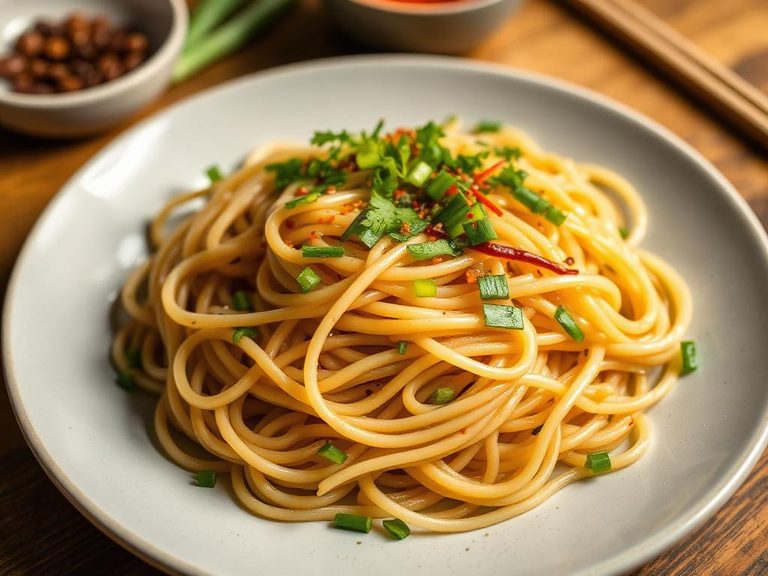
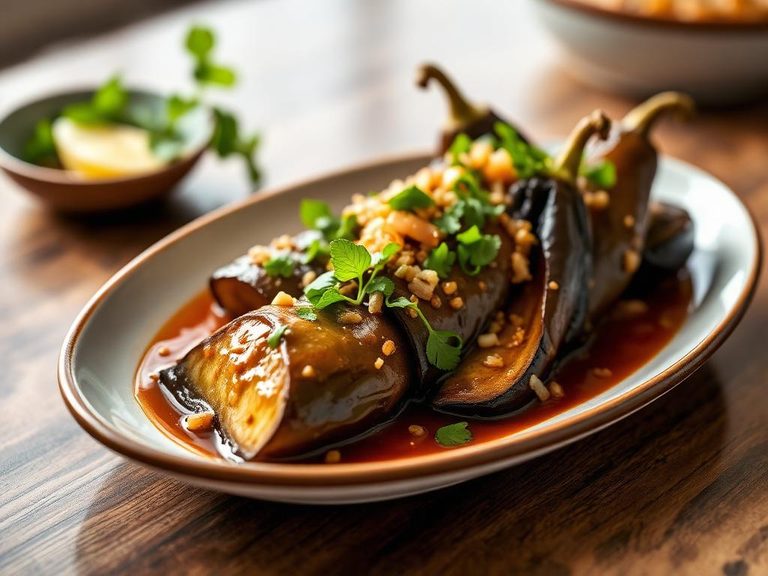
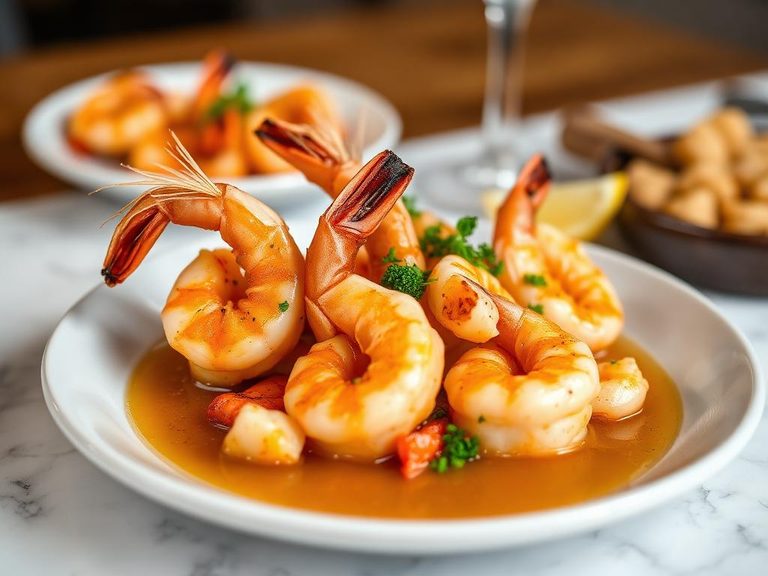
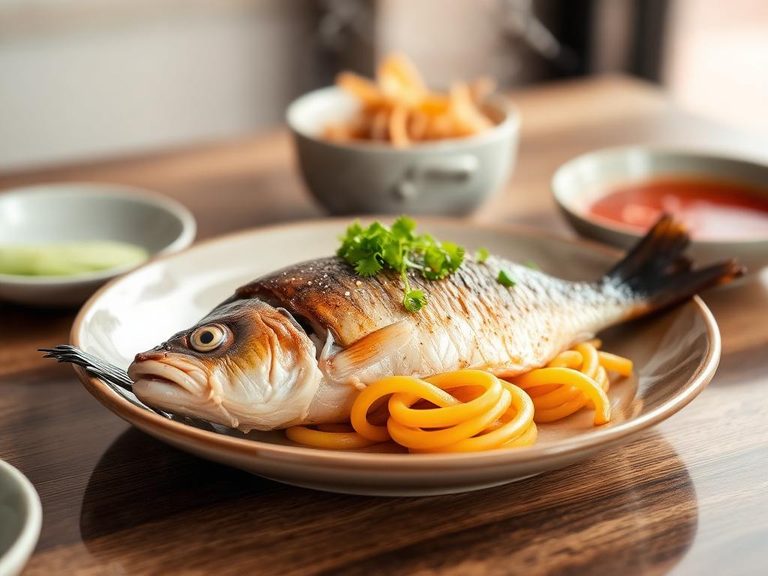
🍽️ Popular dishes
🌍 Where it's eaten
💡 Did you know?
The pungent compound allicin in garlic is only formed when the clove is crushed or chopped, as it results from a chemical reaction between two other compounds when the cell walls are damaged.
Full nutrition (USDA data · scales with serving)
| Water | 20.5 g |
| Energy | 683 kcal |
| Protein | 1.4 g |
| Total lipid (fat) | 74.0 g |
| Carbohydrate, by difference | 2.9 g |
| Fiber, total dietary | 0.30 g |
| Total Sugars | 0.62 g |
| Calcium, Ca | 37.0 mg |
| Iron, Fe | 0.22 mg |
| Magnesium, Mg | 4.0 mg |
| Phosphorus, P | 35.0 mg |
| Potassium, K | 61.0 mg |
| Sodium, Na | 473 mg |
| Zinc, Zn | 0.18 mg |
| Copper, Cu | 0.04 mg |
| Selenium, Se | 1.0 ug |
| Vitamin C, total ascorbic acid | 1.0 mg |
| Thiamin | 0.02 mg |
| Riboflavin | 0.01 mg |
| Niacin | 0.07 mg |
| Vitamin B-6 | 0.12 mg |
| Folate, total | 5.0 ug |
| Folic acid | 0.00 ug |
| Folate, food | 5.0 ug |
| Folate, DFE | 5.0 ug |
| Choline, total | 19.2 mg |
| Vitamin B-12 | 0.00 ug |
| Vitamin B-12, added | 0.00 ug |
| Vitamin A, RAE | 682 ug |
| Retinol | 670 ug |
| Carotene, beta | 152 ug |
| Carotene, alpha | 2.0 ug |
| Cryptoxanthin, beta | 7.0 ug |
| Lycopene | 0.00 ug |
| Lutein + zeaxanthin | 2.0 ug |
| Vitamin E (alpha-tocopherol) | 0.01 mg |
| Vitamin E, added | 0.00 mg |
| Vitamin D (D2 + D3) | 0.40 ug |
| Vitamin K (phylloquinone) | 6.5 ug |
| Alcohol, ethyl | 0.00 g |
| Caffeine | 0.00 mg |
| Theobromine | 0.00 mg |
Fat & fatty acid profile (per 100g)
| Fatty acids, total saturated | 41.0 g |
| SFA 4:0 | 1.8 g |
| SFA 6:0 | 1.3 g |
| SFA 8:0 | 0.76 g |
| SFA 10:0 | 1.7 g |
| SFA 12:0 | 2.0 g |
| SFA 14:0 | 6.4 g |
| SFA 16:0 | 19.1 g |
| SFA 18:0 | 6.7 g |
| Fatty acids, total monounsaturated | 15.2 g |
| MUFA 16:1 | 0.90 g |
| MUFA 18:1 | 13.5 g |
| MUFA 20:1 | 0.10 g |
| MUFA 22:1 | 0.00 g |
| Fatty acids, total polyunsaturated | 2.3 g |
| PUFA 18:2 | 2.0 g |
| PUFA 18:3 | 0.30 g |
| PUFA 18:4 | 0.01 g |
| PUFA 20:4 | 0.09 g |
| PUFA 20:5 n-3 (EPA) | 0.02 g |
| PUFA 22:5 n-3 (DPA) | 0.04 g |
| PUFA 22:6 n-3 (DHA) | 0.00 g |
| Cholesterol | 212 mg |
FAQ
How is garlic sauce different from garlic paste or minced garlic?
Garlic sauce is typically garlic infused in oil or a prepared liquid base, making it a ready-to-use condiment. Garlic paste is just finely ground garlic, and minced garlic is chopped raw garlic; both are ingredients, not finished sauces.
Can I make garlic sauce without all that oil?
Yes, you can make lighter versions by blending roasted garlic with broth, yogurt, or tahini for a creamy texture, or using a small amount of oil with vinegar or citrus juice for a vinaigrette-style sauce.
Why does my homemade garlic sauce sometimes turn blue or green?
This is a harmless natural reaction between sulfur compounds in garlic and trace minerals (like copper or iron) in your water, cutting board, or pan. It's safe to eat and the color will fade with cooking or a splash of acid like lemon juice.
Nutrient density (calculated · NRF9.3)
Nutrient Rich Foods index: beneficial nutrients (protein, fiber, vitamins, minerals) minus saturated fat, added sugar & sodium, per 100 kcal.
NRF9.3 index — Fulgoni, Keast & Drewnowski, 2009. Computed from USDA nutrients.
Weight-loss friendliness (composite index)
Energy density 6.83 kcal/g · 1% calories from protein · 0.3 g fiber · 0.6 g sugar per 100 g.
Composite of energy density (Rolls et al., 1999), protein & fiber satiety, minus sugar. A calculated heuristic — ranks satiety-per-calorie, not a clinical measure.
Dietary load (calculated from USDA values)
Potential renal acid load. Positive = acid-forming, negative = alkaline-forming.
Sodium-to-potassium ratio: 7.75 (lower is better — aim for ≤ 1)
Sodium:potassium per WHO potassium guidance. Computed from USDA nutrients.