

Lamb, variety meats and by-products, kidneys, raw
Whole food · Lamb, Veal, and Game Products
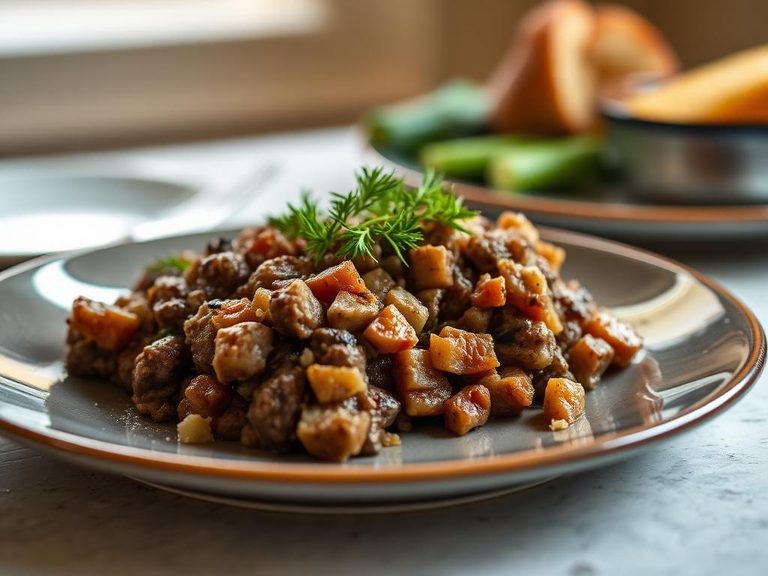
Lamb kidneys are a lean, nutrient-dense organ meat with a distinctive, slightly mineral taste and a tender, fine-grained texture when cooked properly. They are exceptionally high in protein (15.74g per 100g) and low in fat (2.95g), making them a powerhouse for muscle maintenance and energy. Their unique flavor profile is often described as earthy and rich, with a subtle sweetness that pairs well with bold seasonings.
Calorie split: 68% protein · 4% carbs · 29% fat
↓ Full nutrition💚 Why it's loved
People love lamb kidneys for their robust, savory flavor and the satisfying, melt-in-your-mouth texture when pan-fried or grilled. They are a staple in many traditional cuisines, celebrated for their ability to absorb spices and sauces, making them a versatile and culturally significant ingredient.
⚠️ Watch-outs & how to enjoy it better
Some find the strong, gamey taste and mineral notes off-putting, and improper preparation can lead to a rubbery texture. Those with high cholesterol or purine-sensitive conditions (like gout) should consume them in moderation. To counteract the strong flavor, soak kidneys in milk or water for 1-2 hours before cooking, and pair them with acidic ingredients like lemon juice or vinegar to balance the richness.
Key benefits
- Excellent source of high-quality protein for muscle repair and growth.
- Rich in B vitamins (especially B12) for energy metabolism and nerve function.
- High in iron and zinc, supporting immune health and oxygen transport.
- Very low in carbohydrates (0.82g) and sugar, suitable for low-carb diets.
- Provides essential minerals like selenium and phosphorus.
🍽️ Popular dishes
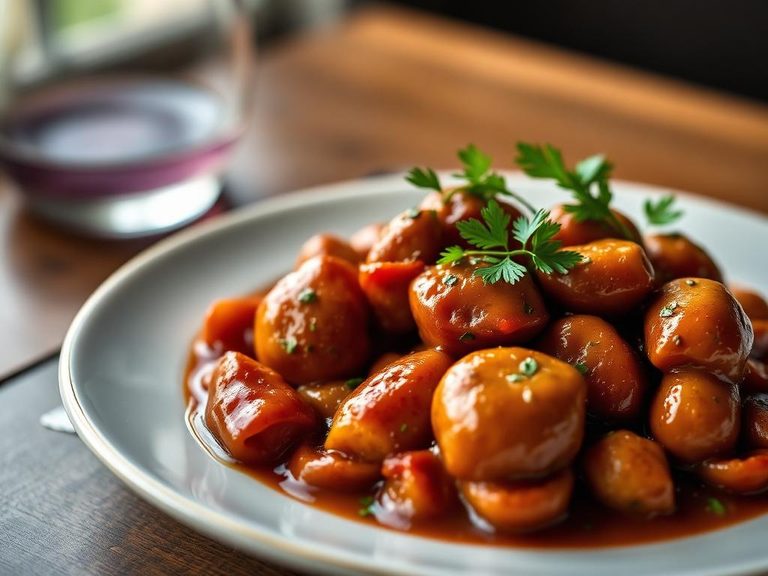
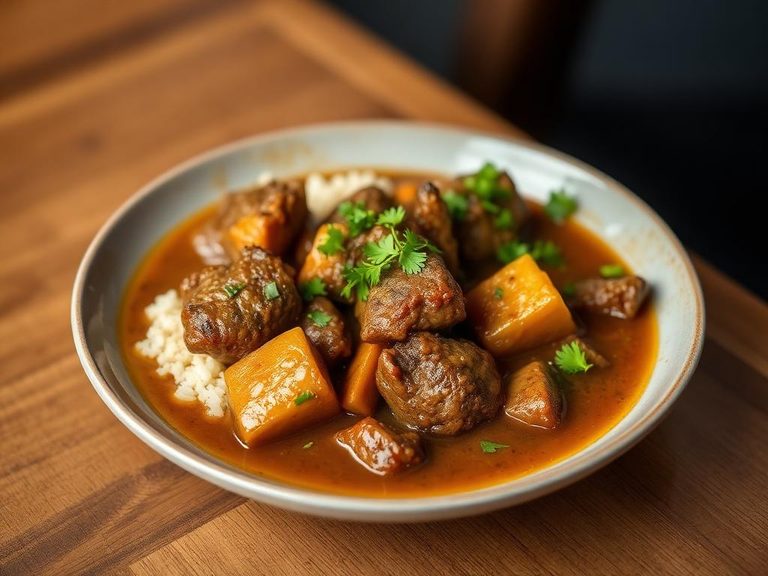
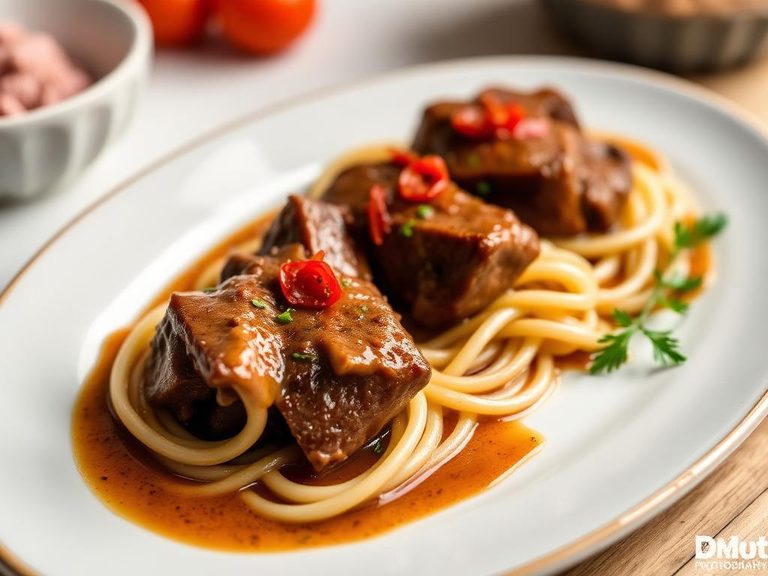

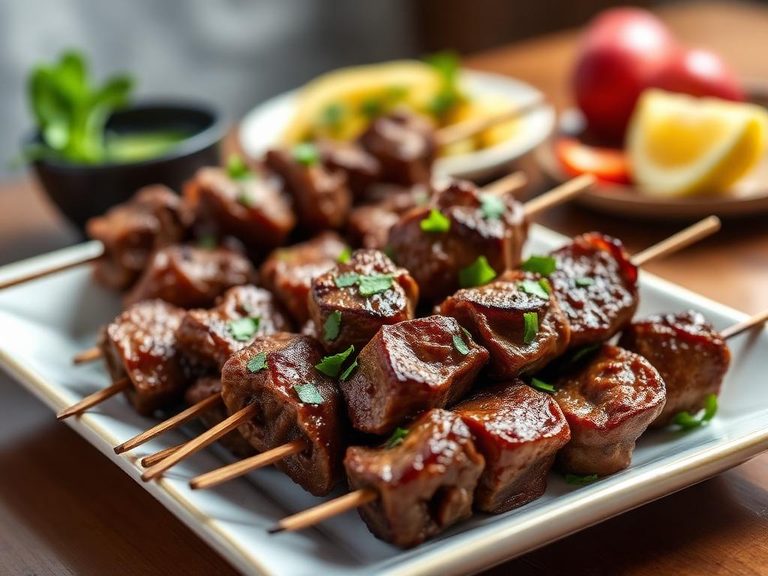
🌍 Where it's eaten
💡 Did you know?
Lamb kidneys are one of the few organ meats that contain a significant amount of vitamin C, which is unusual for animal products and helps with iron absorption.
Full nutrition (USDA data · scales with serving)
| Water | 79.2 g |
| Energy | 97.0 kcal |
| Energy | 406 kj |
| Protein | 15.7 g |
| Total lipid (fat) | 3.0 g |
| Ash | 1.3 g |
| Carbohydrate, by difference | 0.82 g |
| Fiber, total dietary | 0.00 g |
| Calcium, Ca | 13.0 mg |
| Iron, Fe | 6.4 mg |
| Magnesium, Mg | 17.0 mg |
| Phosphorus, P | 246 mg |
| Potassium, K | 277 mg |
| Sodium, Na | 156 mg |
| Zinc, Zn | 2.2 mg |
| Copper, Cu | 0.45 mg |
| Manganese, Mn | 0.12 mg |
| Selenium, Se | 127 ug |
| Vitamin C, total ascorbic acid | 11.0 mg |
| Thiamin | 0.62 mg |
| Riboflavin | 2.2 mg |
| Niacin | 7.5 mg |
| Pantothenic acid | 4.2 mg |
| Vitamin B-6 | 0.22 mg |
| Folate, total | 28.0 ug |
| Folic acid | 0.00 ug |
| Folate, food | 28.0 ug |
| Folate, DFE | 28.0 ug |
| Vitamin B-12 | 52.4 ug |
| Vitamin A, RAE | 95.0 ug |
| Retinol | 95.0 ug |
| Vitamin A, IU | 316 iu |
Fat & fatty acid profile (per 100g)
| Fatty acids, total saturated | 1.0 g |
| SFA 12:0 | 0.01 g |
| SFA 14:0 | 0.03 g |
| SFA 16:0 | 0.42 g |
| SFA 18:0 | 0.52 g |
| Fatty acids, total monounsaturated | 0.63 g |
| MUFA 16:1 | 0.04 g |
| MUFA 18:1 | 0.55 g |
| MUFA 20:1 | 0.00 g |
| MUFA 22:1 | 0.01 g |
| Fatty acids, total polyunsaturated | 0.55 g |
| PUFA 18:2 | 0.21 g |
| PUFA 18:3 | 0.07 g |
| PUFA 20:4 | 0.14 g |
| PUFA 20:5 n-3 (EPA) | 0.05 g |
| PUFA 22:5 n-3 (DPA) | 0.04 g |
| PUFA 22:6 n-3 (DHA) | 0.03 g |
| Cholesterol | 337 mg |
Amino acid profile (per 100g)
| Tryptophan | 0.21 g |
| Threonine | 0.74 g |
| Isoleucine | 0.63 g |
| Leucine | 1.2 g |
| Lysine | 1.0 g |
| Methionine | 0.32 g |
| Cystine | 0.18 g |
| Phenylalanine | 0.73 g |
| Tyrosine | 0.55 g |
| Valine | 0.92 g |
| Arginine | 0.91 g |
| Histidine | 0.40 g |
| Alanine | 0.85 g |
| Aspartic acid | 1.4 g |
| Glutamic acid | 1.7 g |
| Glycine | 0.92 g |
| Proline | 0.80 g |
| Serine | 0.73 g |
FAQ
How do you prepare lamb kidneys to reduce the strong taste?
Soak them in cold water or milk for 1-2 hours, then remove the white membrane and core. This helps mellow the flavor and improve texture.
Are lamb kidneys high in cholesterol?
Yes, they are relatively high in cholesterol, so individuals with heart conditions or high cholesterol should consume them in moderation and consult a healthcare provider.
What is the best cooking method for lamb kidneys?
Pan-frying or grilling is ideal for a quick, tender result. Overcooking can make them tough, so cook them just until they are no longer pink inside.
Nutrient density (calculated · NRF9.3)
Nutrient Rich Foods index: beneficial nutrients (protein, fiber, vitamins, minerals) minus saturated fat, added sugar & sodium, per 100 kcal.
NRF9.3 index — Fulgoni, Keast & Drewnowski, 2009. Computed from USDA nutrients.
Weight-loss friendliness (composite index)
Energy density 0.97 kcal/g · 65% calories from protein · 0.0 g fiber · 0.0 g sugar per 100 g.
Composite of energy density (Rolls et al., 1999), protein & fiber satiety, minus sugar. A calculated heuristic — ranks satiety-per-calorie, not a clinical measure.
Dietary load (calculated from USDA values)
Potential renal acid load. Positive = acid-forming, negative = alkaline-forming.
Sodium-to-potassium ratio: 0.56 (lower is better — aim for ≤ 1)
Sodium:potassium per WHO potassium guidance. Computed from USDA nutrients.