

Fish, whitefish, broad, liver (Alaska Native)
Whole food · American Indian/Alaska Native Foods

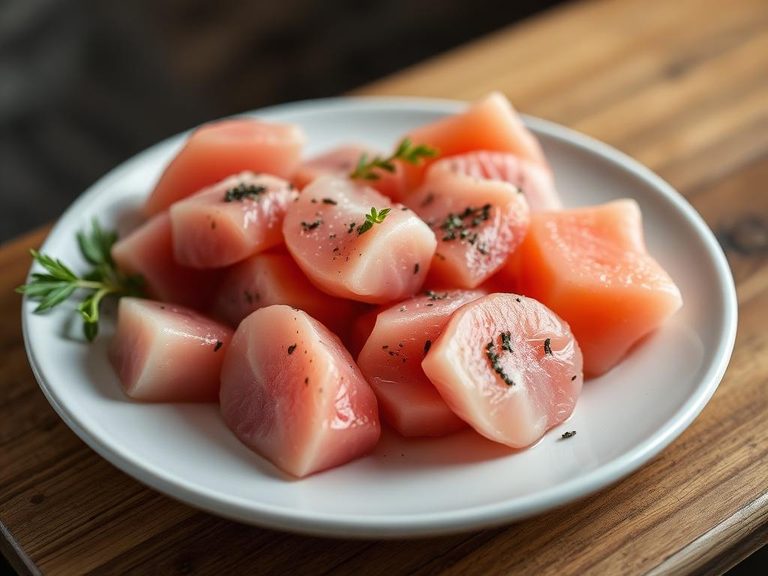
Photo: Wikipedia
Alaska Native broad whitefish liver is a rich, creamy organ meat with a smooth, almost buttery texture and a deep, savory, slightly mineral flavor. It is exceptionally nutrient-dense, offering a potent source of fat-soluble vitamins and high-quality protein in a compact serving.
Calorie split: 42% protein · 20% carbs · 38% fat
↓ Full nutrition💚 Why it's loved
It is cherished for its intense, umami-rich flavor and luxurious, melt-in-the-mouth texture, often considered a delicacy in coastal and indigenous cuisines. Its versatility allows it to be enjoyed raw, cured, or lightly cooked to preserve its delicate nutrients.
⚠️ Watch-outs & how to enjoy it better
The strong, distinct flavor and soft texture can be unfamiliar or off-putting to those accustomed to muscle meat. As an organ meat, it is very high in preformed vitamin A (retinol), so excessive consumption should be avoided, especially during pregnancy. Tip: Enjoy it in small, occasional portions as part of a varied diet rather than a daily staple.
Key benefits
- Excellent source of vitamin D and vitamin A
- High in omega-3 fatty acids EPA and DHA
- Provides complete, high-quality protein
- Rich in essential minerals like selenium and iodine
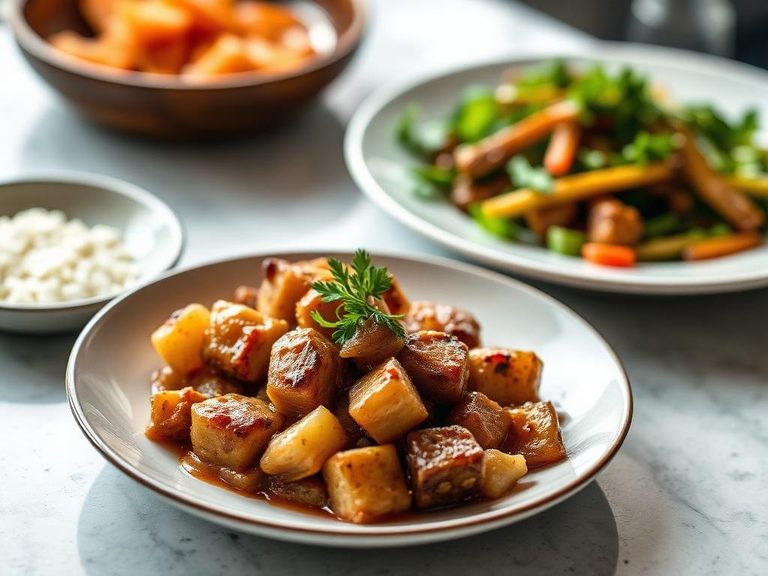
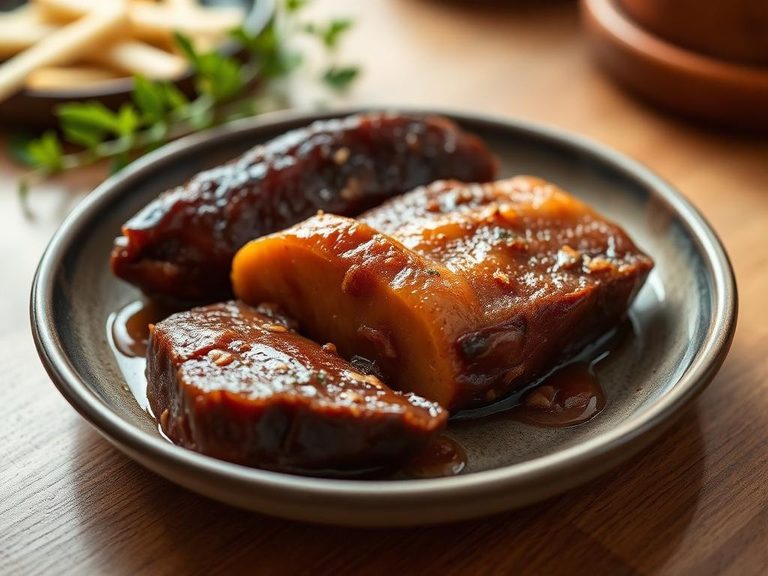
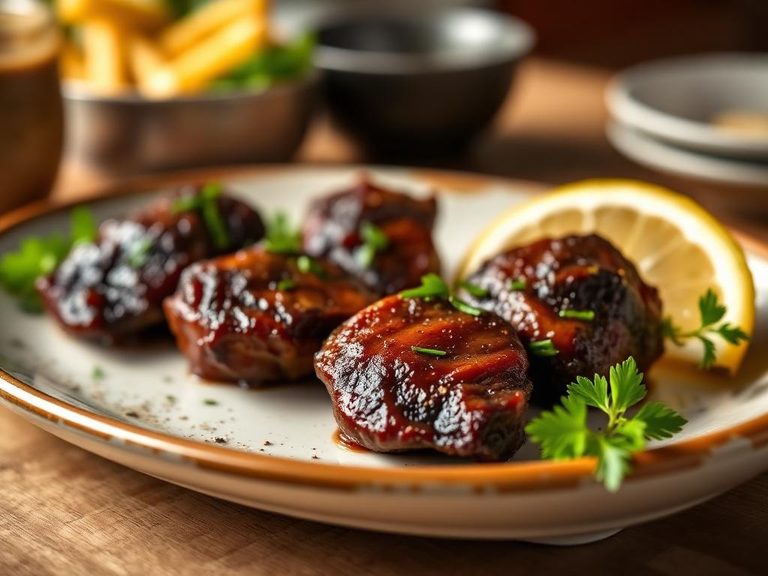
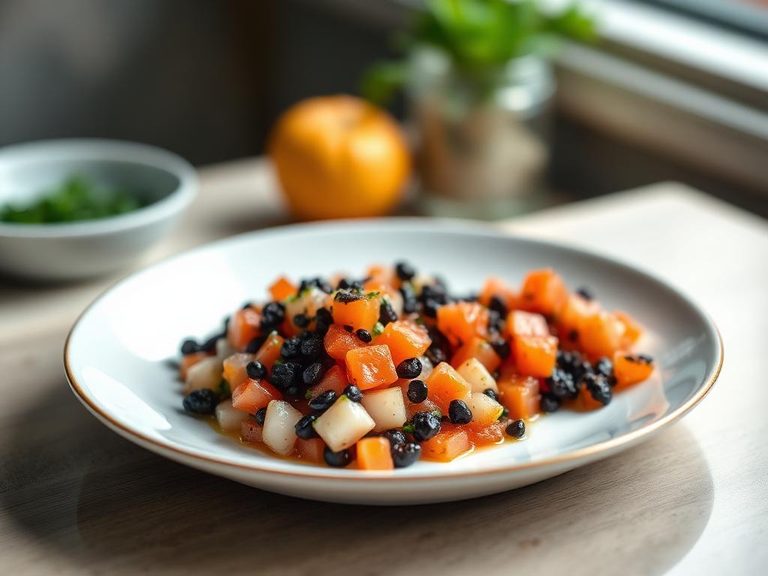
🍽️ Popular dishes
🌍 Where it's eaten
💡 Did you know?
In some Alaska Native communities, the liver of certain fish was traditionally not consumed because it could cause a vitamin A toxicity reaction if eaten in large quantities, a fact now understood by modern nutrition science.
Full nutrition (USDA data · scales with serving)
| Water | 76.1 g |
| Energy | 104 kcal |
| Energy | 435 kj |
| Protein | 11.0 g |
| Total lipid (fat) | 4.4 g |
| Ash | 3.4 g |
| Carbohydrate, by difference | 5.1 g |
| Calcium, Ca | 53.0 mg |
| Iron, Fe | 8.6 mg |
| Phosphorus, P | 297 mg |
| Thiamin | 0.18 mg |
| Riboflavin | 0.54 mg |
| Niacin | 2.7 mg |
| Vitamin A, IU | 1510 iu |
Fat & fatty acid profile (per 100g)
Estimated from Fish, halibut, raw, with skin (Alaska Native) — USDA does not publish this profile for Fish.
| Fatty acids, total saturated | 0.73 g |
| SFA 8:0 | 0.00 g |
| SFA 10:0 | 0.00 g |
| SFA 12:0 | 0.00 g |
| SFA 14:0 | 0.09 g |
| SFA 15:0 | 0.01 g |
| SFA 16:0 | 0.38 g |
| SFA 17:0 | 0.00 g |
| SFA 18:0 | 0.09 g |
| SFA 20:0 | 0.01 g |
| SFA 22:0 | 0.00 g |
| SFA 24:0 | 0.00 g |
| Fatty acids, total monounsaturated | 1.2 g |
| MUFA 14:1 | 0.00 g |
| MUFA 15:1 | 0.00 g |
| MUFA 16:1 | 0.23 g |
| MUFA 17:1 | 0.00 g |
| MUFA 18:1 | 0.59 g |
| MUFA 20:1 | 0.11 g |
| MUFA 22:1 | 0.00 g |
| MUFA 22:1 c | 0.00 g |
| MUFA 24:1 c | 0.01 g |
| Fatty acids, total polyunsaturated | 0.91 g |
| PUFA 18:2 | 0.02 g |
| PUFA 18:3 | 0.01 g |
| PUFA 18:3 n-3 c,c,c (ALA) | 0.01 g |
| PUFA 18:3 n-6 c,c,c | 0.00 g |
| PUFA 18:4 | 0.00 g |
| PUFA 20:2 n-6 c,c | 0.01 g |
| PUFA 20:3 | 0.00 g |
| PUFA 20:4 | 0.03 g |
| PUFA 20:5 n-3 (EPA) | 0.22 g |
| PUFA 21:5 | 0.00 g |
| PUFA 22:4 | 0.00 g |
| PUFA 22:5 n-3 (DPA) | 0.06 g |
| PUFA 22:6 n-3 (DHA) | 0.39 g |
| Cholesterol | 72.0 mg |
Amino acid profile (per 100g)
Estimated from Fish, halibut, raw, with skin (Alaska Native) — USDA does not publish this profile for Fish.
| Tryptophan | 0.31 g |
| Threonine | 0.95 g |
| Isoleucine | 0.94 g |
| Leucine | 1.6 g |
| Lysine | 1.8 g |
| Methionine | 0.80 g |
| Cystine | 0.35 g |
| Phenylalanine | 0.82 g |
| Tyrosine | 0.70 g |
| Valine | 1.0 g |
| Arginine | 1.2 g |
| Histidine | 0.50 g |
| Alanine | 1.2 g |
| Aspartic acid | 2.8 g |
| Glutamic acid | 3.2 g |
| Glycine | 0.93 g |
| Proline | 0.73 g |
| Serine | 0.91 g |
| Hydroxyproline | 0.18 g |
FAQ
How is it different from fish oil supplements?
Whole fish liver provides nutrients in their natural food matrix, including protein, fat-soluble vitamins, and minerals, whereas fish oil is a concentrated extract primarily of omega-3 fatty acids.
Can I eat it raw?
Yes, it is traditionally consumed raw or fermented in some cultures. However, ensure it is sourced from pristine, uncontaminated waters and handled with proper food safety.
Is it high in cholesterol?
Like many organ meats, it contains dietary cholesterol. However, for most people, dietary cholesterol has a minimal impact on blood cholesterol levels compared to saturated and trans fats.
Weight-loss friendliness (composite index)
Energy density 1.04 kcal/g · 42% calories from protein · 0.0 g fiber · 0.0 g sugar per 100 g.
Composite of energy density (Rolls et al., 1999), protein & fiber satiety, minus sugar. A calculated heuristic — ranks satiety-per-calorie, not a clinical measure.