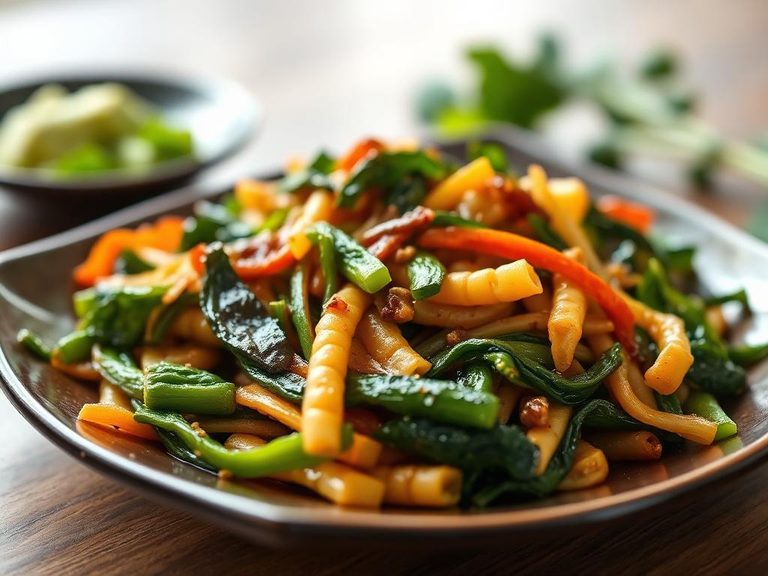
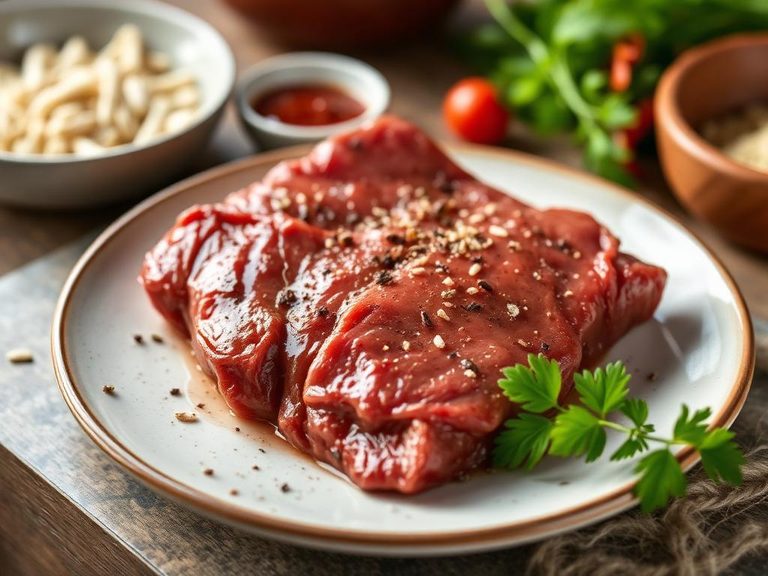
Served raw with simple seasonings
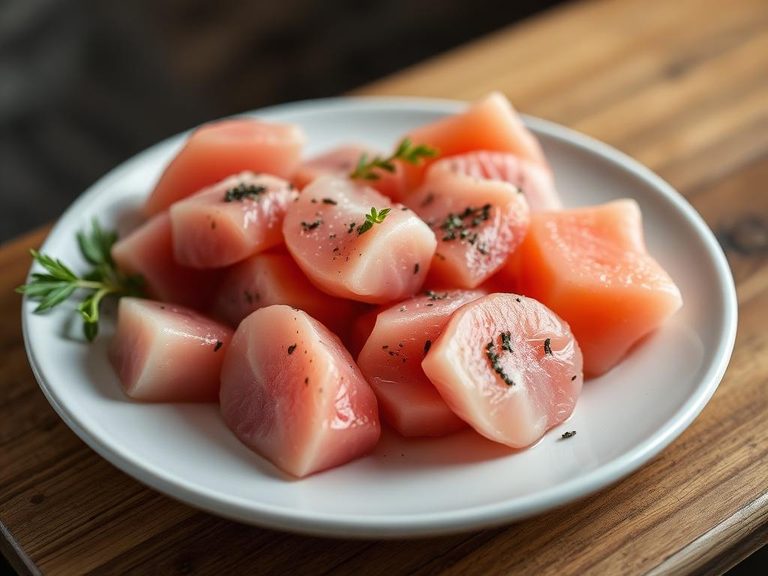
This dish refers to a style of preparation rather than a single specific recipe, most famously associated with Japanese sashimi, where fresh, high-quality ingredients—typically seafood like tuna, salmon, or white fish—are served raw and sliced, accompanied by simple seasonings like soy sauce, wasabi, and pickled ginger. The core of the dish is the pristine, uncooked ingredient itself, celebrated for its pure, natural flavor and delicate texture. It is a cornerstone of Japanese cuisine and has inspired similar raw preparations worldwide.
🍽️ Nutrition at a glance
This dish is an excellent source of high-quality, complete protein and healthy fats, particularly omega-3 fatty acids if using oily fish like salmon. It is very low in carbohydrates and provides essential nutrients like selenium, vitamin B12, and iodine, with a calorie count that varies significantly by the type and portion of fish used.
Nutrition breakdown
| Calories | 220 kcal |
| Protein | 34 g |
| Carbs | 0 g |
| Fat | 9 g |
| Fiber | 0 g |
| Sugar | 0 g |
| Sodium | 480 mg |
| Vitamin B12 | 8.4 µg |
| Selenium | 66 µg |
| Iodine | 45 µg |
| Phosphorus | 350 mg |
| Niacin (B3) | 12 mg |
| Vitamin D | 11 µg |
| Omega-3 (EPA+DHA) | 1.5 g |
| Potassium | 420 mg |
Per 1 typical serving (150 g) of assorted sashimi (e.g., tuna, salmon, white fish) · estimated, varies by recipe
💡 What's interesting
Culturally, the art of sashimi is deeply tied to the Japanese concept of 'shun' (旬), which emphasizes eating ingredients at the peak of their seasonal freshness and flavor. Nutritionally, the preparation method preserves heat-sensitive nutrients like omega-3s and certain B vitamins that can be diminished by cooking.