

Fish, salmon, king, chinook, kippered, canned (Alaska Native)
Whole food · American Indian/Alaska Native Foods

Photo: Wikipedia
Kippered Chinook salmon is a traditional Alaska Native preparation where the fish is split, salt-cured, and slow-smoked over alder wood, resulting in a deeply savory, flaky, and intensely flavored product. The texture is firm yet tender, with a rich, oily mouthfeel and a distinctive smoky-sweet aroma. Nutritionally, it's a powerhouse of high-quality protein and healthy fats, providing a substantial energy boost with zero carbohydrates.
Calorie split: 46% protein · 0% carbs · 54% fat
↓ Full nutrition💚 Why it's loved
People cherish it for its profound, concentrated salmon flavor and satisfying, hearty texture that stands up to bold preparations. It's a beloved staple in Pacific Northwest and Alaskan cuisine, representing a connection to traditional food preservation and the bounty of the sea.
⚠️ Watch-outs & how to enjoy it better
The smoking and curing process can result in a very high sodium content, which may be a concern for those monitoring salt intake. To counteract this, rinse slices briefly before use, pair it with unsalted sides like fresh vegetables or plain grains, and practice portion control. As a fatty fish, it's also a common allergen.
Key benefits
- Excellent source of complete, high-quality protein for muscle maintenance.
- Rich in omega-3 fatty acids (EPA & DHA) for heart and brain health.
- Provides a dense source of calories for sustained energy.
- Naturally free of carbohydrates, sugars, and fiber.
- Contains essential nutrients like Vitamin D, B12, and selenium.
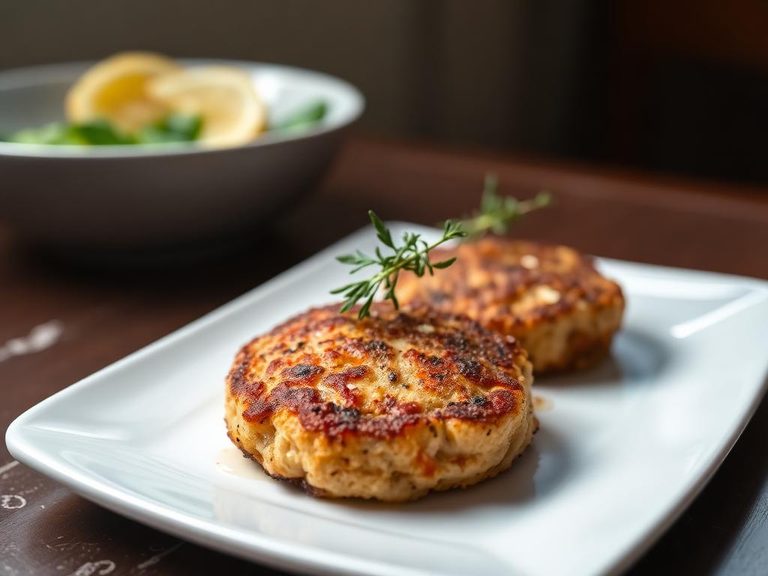
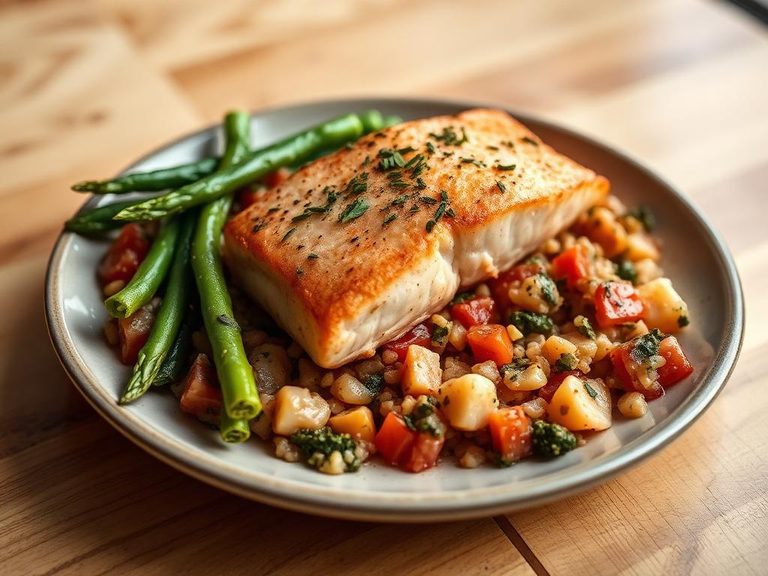
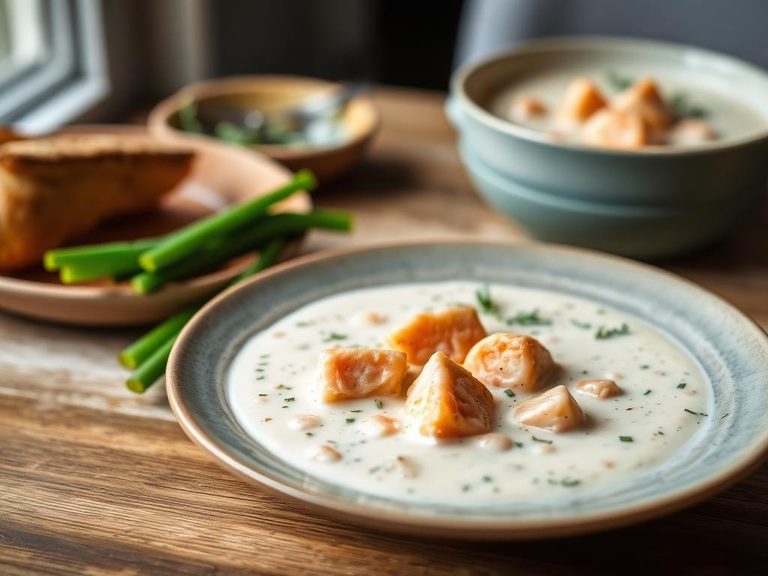
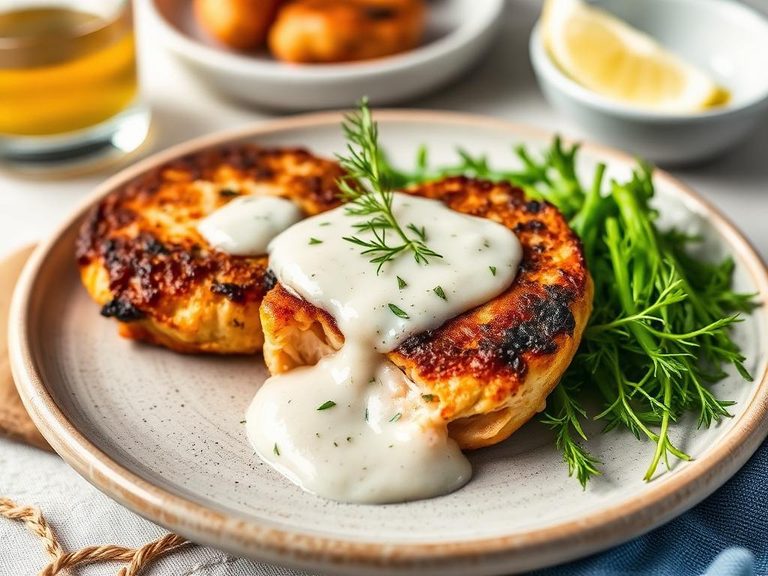
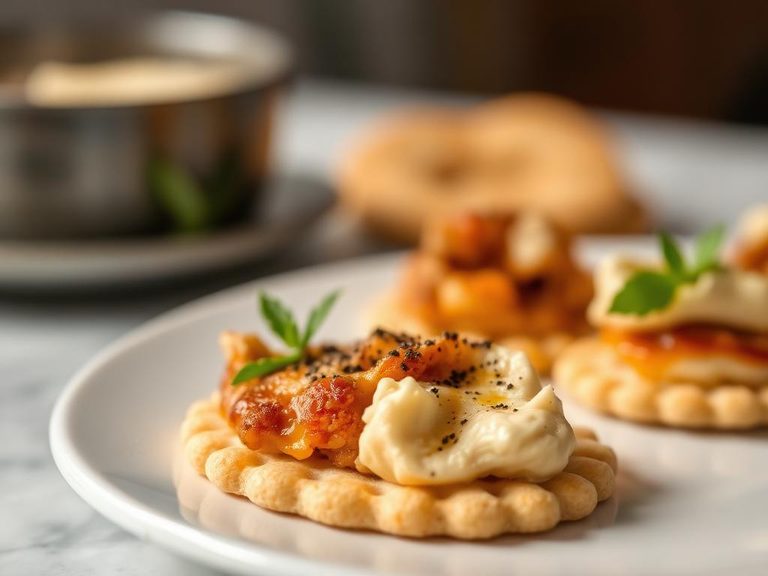
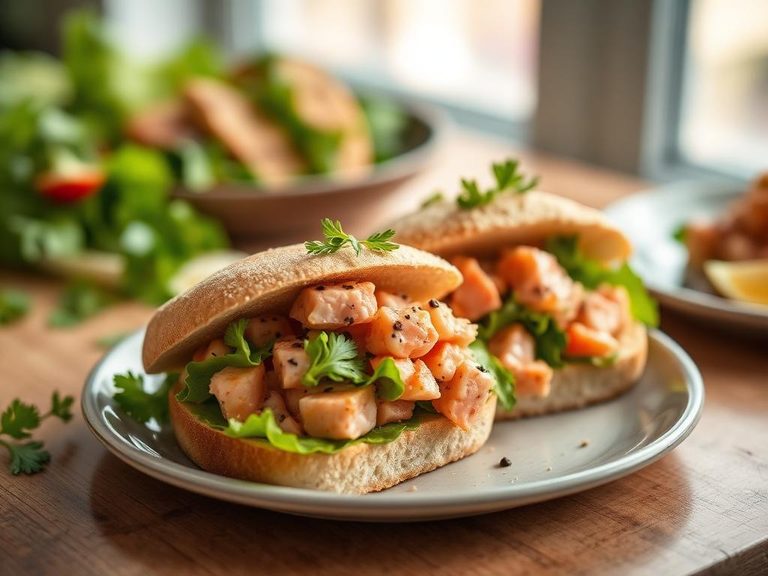
🍽️ Popular dishes
🌍 Where it's eaten
💡 Did you know?
The term 'kippered' historically refers to fish that have been gutted, split, and smoked, a method originally developed to preserve the catch for long, harsh winters in northern climates.
Full nutrition (USDA data · scales with serving)
| Water | 51.2 g |
| Energy | 266 kcal |
| Energy | 1113 kj |
| Protein | 30.7 g |
| Total lipid (fat) | 15.9 g |
| Ash | 2.2 g |
| Carbohydrate, by difference | 0.00 g |
| Calcium, Ca | 38.0 mg |
| Iron, Fe | 1.7 mg |
| Thiamin | 0.05 mg |
| Riboflavin | 0.14 mg |
| Niacin | 10.9 mg |
| Vitamin A, IU | 50.0 iu |
Fat & fatty acid profile (per 100g)
Estimated from Fish, halibut, raw, with skin (Alaska Native) — USDA does not publish this profile for Fish.
| Fatty acids, total saturated | 0.73 g |
| SFA 8:0 | 0.00 g |
| SFA 10:0 | 0.00 g |
| SFA 12:0 | 0.00 g |
| SFA 14:0 | 0.09 g |
| SFA 15:0 | 0.01 g |
| SFA 16:0 | 0.38 g |
| SFA 17:0 | 0.00 g |
| SFA 18:0 | 0.09 g |
| SFA 20:0 | 0.01 g |
| SFA 22:0 | 0.00 g |
| SFA 24:0 | 0.00 g |
| Fatty acids, total monounsaturated | 1.2 g |
| MUFA 14:1 | 0.00 g |
| MUFA 15:1 | 0.00 g |
| MUFA 16:1 | 0.23 g |
| MUFA 17:1 | 0.00 g |
| MUFA 18:1 | 0.59 g |
| MUFA 20:1 | 0.11 g |
| MUFA 22:1 | 0.00 g |
| MUFA 22:1 c | 0.00 g |
| MUFA 24:1 c | 0.01 g |
| Fatty acids, total polyunsaturated | 0.91 g |
| PUFA 18:2 | 0.02 g |
| PUFA 18:3 | 0.01 g |
| PUFA 18:3 n-3 c,c,c (ALA) | 0.01 g |
| PUFA 18:3 n-6 c,c,c | 0.00 g |
| PUFA 18:4 | 0.00 g |
| PUFA 20:2 n-6 c,c | 0.01 g |
| PUFA 20:3 | 0.00 g |
| PUFA 20:4 | 0.03 g |
| PUFA 20:5 n-3 (EPA) | 0.22 g |
| PUFA 21:5 | 0.00 g |
| PUFA 22:4 | 0.00 g |
| PUFA 22:5 n-3 (DPA) | 0.06 g |
| PUFA 22:6 n-3 (DHA) | 0.39 g |
| Cholesterol | 72.0 mg |
Amino acid profile (per 100g)
Estimated from Fish, halibut, raw, with skin (Alaska Native) — USDA does not publish this profile for Fish.
| Tryptophan | 0.31 g |
| Threonine | 0.95 g |
| Isoleucine | 0.94 g |
| Leucine | 1.6 g |
| Lysine | 1.8 g |
| Methionine | 0.80 g |
| Cystine | 0.35 g |
| Phenylalanine | 0.82 g |
| Tyrosine | 0.70 g |
| Valine | 1.0 g |
| Arginine | 1.2 g |
| Histidine | 0.50 g |
| Alanine | 1.2 g |
| Aspartic acid | 2.8 g |
| Glutamic acid | 3.2 g |
| Glycine | 0.93 g |
| Proline | 0.73 g |
| Serine | 0.91 g |
| Hydroxyproline | 0.18 g |
FAQ
What's the difference between kippered and regular canned salmon?
Kippered salmon is specifically split, cured, and smoked before canning, giving it a firmer texture and a much more intense, smoky flavor compared to standard canned salmon, which is typically just cooked and packed in liquid.
Is the skin edible? What about the bones?
Yes, both are edible and highly nutritious. The skin is rich in omega-3s, and the soft, calcium-rich bones are a traditional part of the preparation, easily mashed and consumed.
How should I store an opened can?
Transfer any unused salmon to a sealed container and refrigerate. It will keep for 2-3 days. You can also freeze portions in airtight bags for up to 3 months.
Weight-loss friendliness (composite index)
Energy density 2.66 kcal/g · 46% calories from protein · 0.0 g fiber · 0.0 g sugar per 100 g.
Composite of energy density (Rolls et al., 1999), protein & fiber satiety, minus sugar. A calculated heuristic — ranks satiety-per-calorie, not a clinical measure.