

Fish, salmon, coho, wild, cooked, moist heat
Whole food · Finfish and Shellfish Products

Photo: Wikipedia
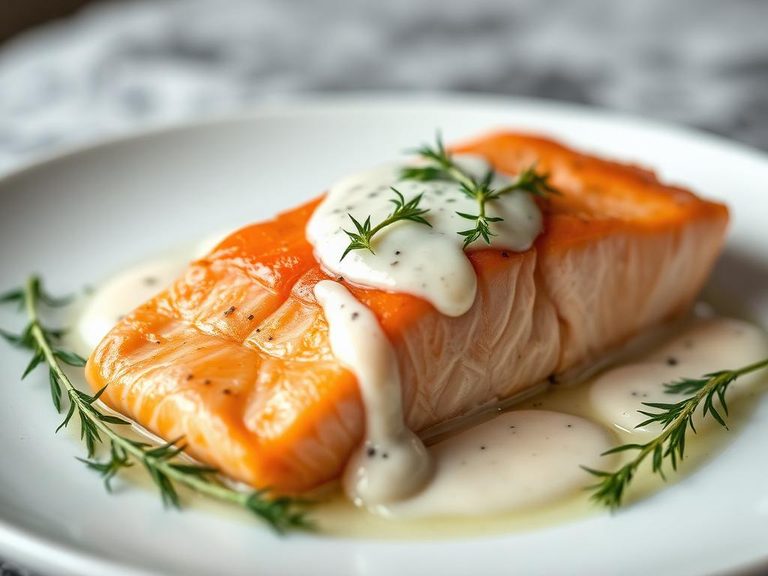
Wild-caught coho salmon, gently cooked via moist heat like poaching or steaming, yields a tender, flaky flesh with a rich, buttery flavor and a deep coral-red hue. It is a nutritional powerhouse, delivering an impressive 27.36 grams of high-quality protein per 100 grams with zero carbohydrates, making it ideal for low-carb and high-protein diets.
Calorie split: 62% protein · 0% carbs · 38% fat
↓ Full nutrition💚 Why it's loved
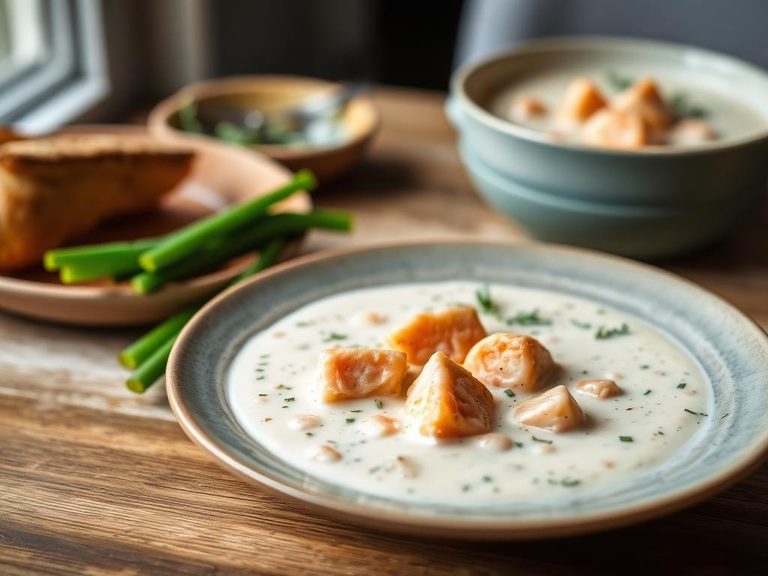
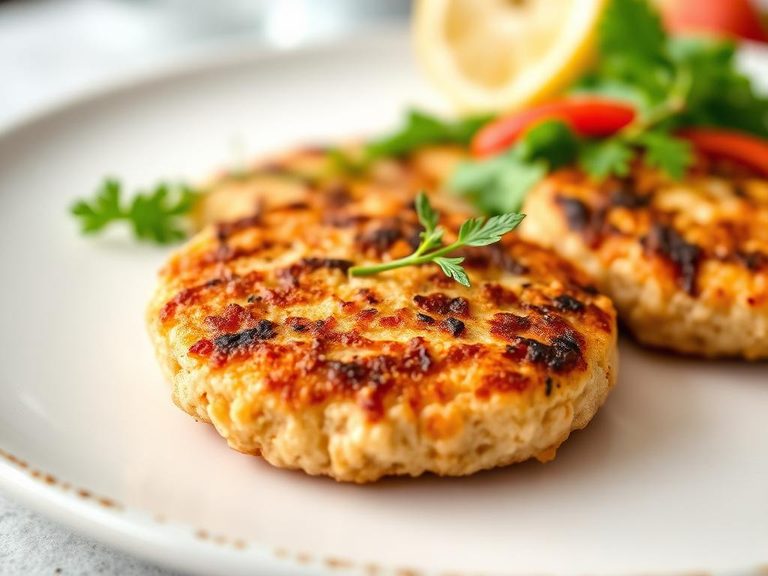
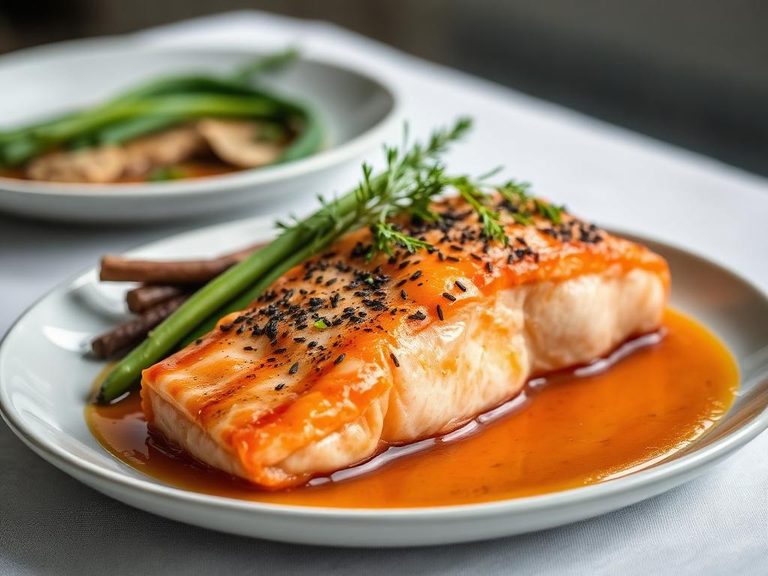
People adore its delicate, moist texture and clean, savory taste that isn't overly 'fishy.' Its versatility allows it to shine in simple preparations that highlight its natural flavor, from elegant poached fillets to rustic chowders.
⚠️ Watch-outs & how to enjoy it better
As a common fish allergen, it must be avoided by those with specific allergies. While low in sodium, added sauces or brines can increase salt content; choose simple cooking methods and season with herbs, lemon, or spices instead. Its delicate flesh can overcook easily, turning dry; use a thermometer and remove from heat just as it becomes opaque.
Key benefits
- Excellent source of complete protein for muscle maintenance and repair.
- Rich in omega-3 fatty acids (EPA and DHA) for heart and brain health.
- Provides significant vitamin D, crucial for bone health and immune function.
- Contains astaxanthin, a potent antioxidant that gives it its red color.
- Naturally free of carbohydrates and sugars, supporting stable blood sugar.
🍽️ Popular dishes
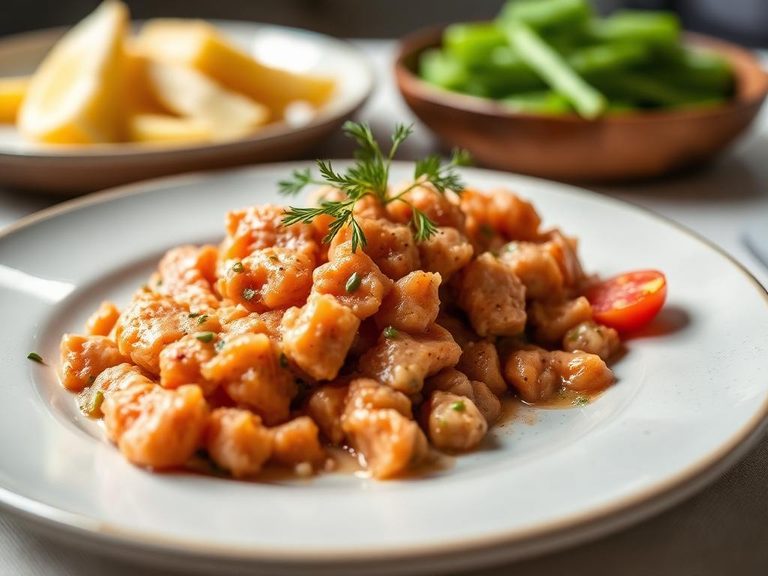
🌍 Where it's eaten
💡 Did you know?
The name 'coho' comes from the Chinook Jargon word 'kə̄' meaning 'red,' a direct reference to the vibrant color of its flesh.
Full nutrition (USDA data · scales with serving)
| Water | 65.4 g |
| Energy | 184 kcal |
| Energy | 770 kj |
| Protein | 27.4 g |
| Total lipid (fat) | 7.5 g |
| Ash | 1.5 g |
| Carbohydrate, by difference | 0.00 g |
| Fiber, total dietary | 0.00 g |
| Calcium, Ca | 46.0 mg |
| Iron, Fe | 0.71 mg |
| Magnesium, Mg | 35.0 mg |
| Phosphorus, P | 298 mg |
| Potassium, K | 455 mg |
| Sodium, Na | 53.0 mg |
| Zinc, Zn | 0.52 mg |
| Copper, Cu | 0.07 mg |
| Manganese, Mn | 0.02 mg |
| Selenium, Se | 46.2 ug |
| Vitamin C, total ascorbic acid | 1.0 mg |
| Thiamin | 0.12 mg |
| Riboflavin | 0.16 mg |
| Niacin | 7.8 mg |
| Pantothenic acid | 0.83 mg |
| Vitamin B-6 | 0.56 mg |
| Folate, total | 9.0 ug |
| Folic acid | 0.00 ug |
| Folate, food | 9.0 ug |
| Folate, DFE | 9.0 ug |
| Vitamin B-12 | 4.5 ug |
| Vitamin A, RAE | 32.0 ug |
| Retinol | 32.0 ug |
| Vitamin A, IU | 108 iu |
Fat & fatty acid profile (per 100g)
| Fatty acids, total saturated | 1.6 g |
| SFA 14:0 | 0.33 g |
| SFA 16:0 | 0.95 g |
| SFA 18:0 | 0.26 g |
| Fatty acids, total monounsaturated | 2.7 g |
| MUFA 16:1 | 0.64 g |
| MUFA 18:1 | 1.5 g |
| MUFA 20:1 | 0.32 g |
| MUFA 22:1 | 0.18 g |
| Fatty acids, total polyunsaturated | 2.5 g |
| PUFA 18:2 | 0.26 g |
| PUFA 18:3 | 0.20 g |
| PUFA 18:4 | 0.15 g |
| PUFA 20:4 | 0.17 g |
| PUFA 20:5 n-3 (EPA) | 0.54 g |
| PUFA 22:5 n-3 (DPA) | 0.29 g |
| PUFA 22:6 n-3 (DHA) | 0.83 g |
| Cholesterol | 57.0 mg |
Amino acid profile (per 100g)
| Tryptophan | 0.31 g |
| Threonine | 1.2 g |
| Isoleucine | 1.3 g |
| Leucine | 2.2 g |
| Lysine | 2.5 g |
| Methionine | 0.81 g |
| Cystine | 0.29 g |
| Phenylalanine | 1.1 g |
| Tyrosine | 0.92 g |
| Valine | 1.4 g |
| Arginine | 1.6 g |
| Histidine | 0.81 g |
| Alanine | 1.7 g |
| Aspartic acid | 2.8 g |
| Glutamic acid | 4.1 g |
| Glycine | 1.3 g |
| Proline | 0.97 g |
| Serine | 1.1 g |
FAQ
What is the best moist heat method for coho salmon?
Poaching in a flavorful liquid (like court-bouillon, broth, or even wine) at a gentle simmer (around 160-180°F or 71-82°C) is ideal. It cooks the fish evenly, keeps it incredibly moist, and infuses it with subtle flavor without the risk of high-heat drying.
How do I know when it's cooked through?
The flesh will turn from translucent to opaque and should flake easily when tested with a fork. For precise results, use an instant-read thermometer; it's done when the internal temperature reaches 125-130°F (52-54°C) for medium-rare, which will continue to cook from residual heat.
Is wild coho salmon better than farmed?
Wild coho typically has a firmer texture, a more complex flavor, and a higher concentration of omega-3s per gram of fat compared to most farmed salmon. It also has a more vibrant red color due to its natural diet, but both are excellent sources of nutrients.
Nutrient density (calculated · NRF9.3)
Nutrient Rich Foods index: beneficial nutrients (protein, fiber, vitamins, minerals) minus saturated fat, added sugar & sodium, per 100 kcal.
NRF9.3 index — Fulgoni, Keast & Drewnowski, 2009. Computed from USDA nutrients.
Weight-loss friendliness (composite index)
Energy density 1.84 kcal/g · 59% calories from protein · 0.0 g fiber · 0.0 g sugar per 100 g.
Composite of energy density (Rolls et al., 1999), protein & fiber satiety, minus sugar. A calculated heuristic — ranks satiety-per-calorie, not a clinical measure.
Dietary load (calculated from USDA values)
Potential renal acid load. Positive = acid-forming, negative = alkaline-forming.
Sodium-to-potassium ratio: 0.12 (lower is better — aim for ≤ 1)
Sodium:potassium per WHO potassium guidance. Computed from USDA nutrients.