

Fish, salmon, coho, farmed, cooked, dry heat
Whole food · Finfish and Shellfish Products

Photo: Wikipedia
Coho salmon, also known as silver salmon, is a firm, lean fish prized for its rich, buttery flavor and vibrant orange-red flesh. When cooked with dry heat, it develops a delicate, flaky texture that remains moist, making it a premium choice for healthy meals. With 24.3g of high-quality protein and zero carbohydrates per 100g, it's a powerhouse for muscle maintenance and low-carb nutrition.
Calorie split: 57% protein · 0% carbs · 43% fat
↓ Full nutrition💚 Why it's loved
People adore its clean, mild yet distinctly rich flavor that doesn't overpower other ingredients, making it incredibly versatile for everything from simple grilling to elegant sauces. Its reliable texture holds up beautifully to various cooking methods, and it's a cultural staple in Pacific Northwest and Japanese cuisines, celebrated in dishes like cedar-planked salmon and sashimi.
⚠️ Watch-outs & how to enjoy it better
As a common fish allergen, it must be avoided by those with fish or seafood allergies. Farmed salmon can contain trace contaminants like PCBs, though levels are regulated and generally low; to minimize exposure, vary your seafood sources and trim any visible dark fatty areas before cooking. Its lean nature means it can dry out if overcooked, so use a meat thermometer and aim for an internal temperature of 145°F (63°C).
Key benefits
- Excellent source of complete protein for muscle repair and satiety
- Naturally carb-free, ideal for ketogenic and low-carb diets
- Rich in omega-3 fatty acids (EPA and DHA) for heart and brain health
- Provides essential nutrients like selenium, vitamin D, and B vitamins
- Lean protein source with minimal saturated fat
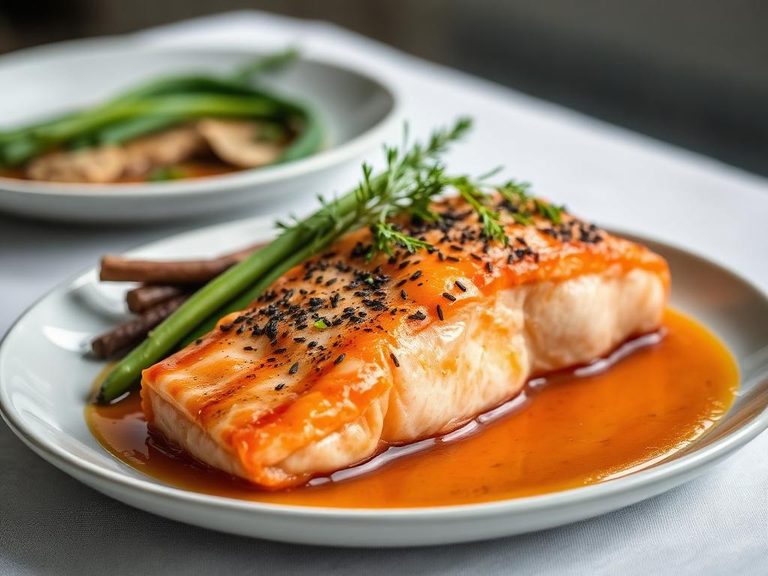
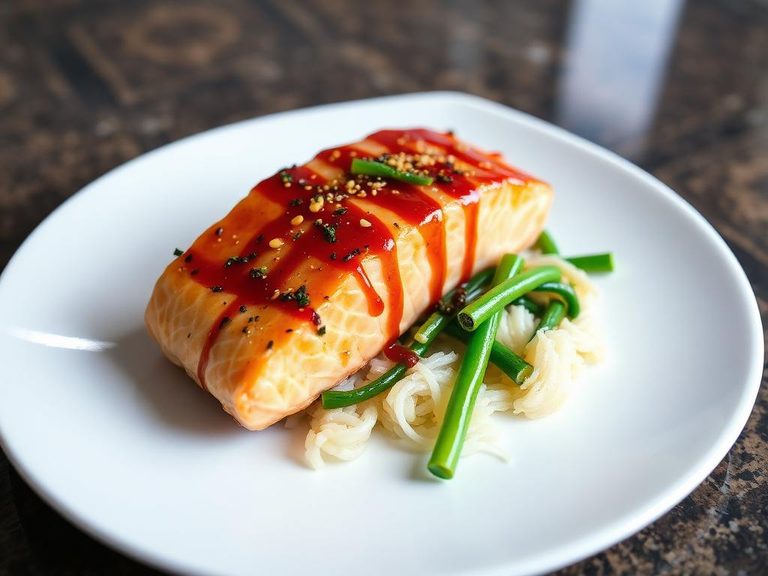
🍽️ Popular dishes
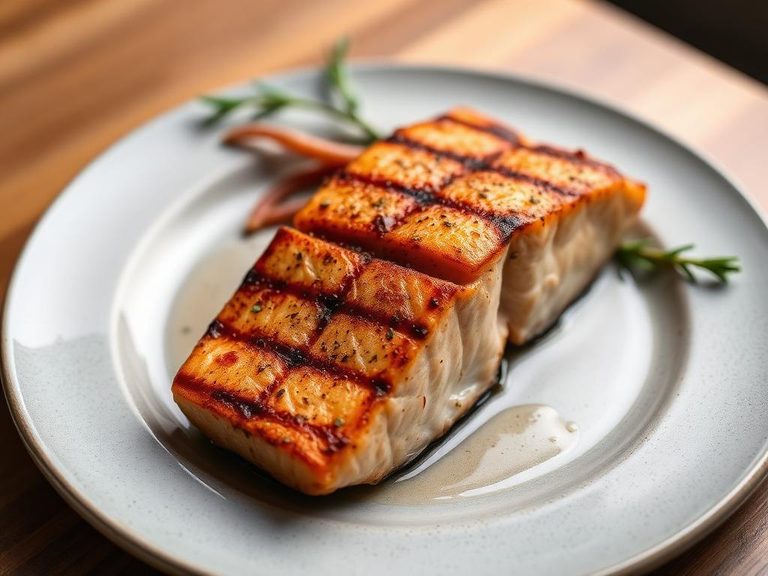
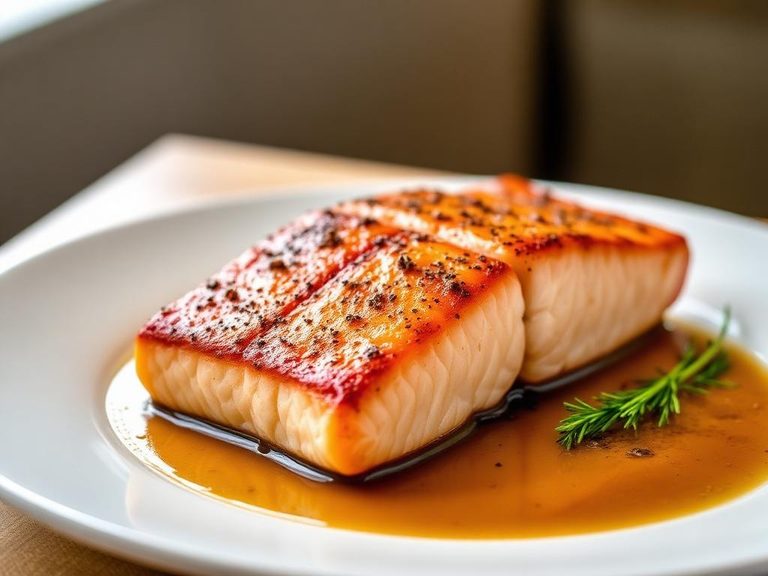
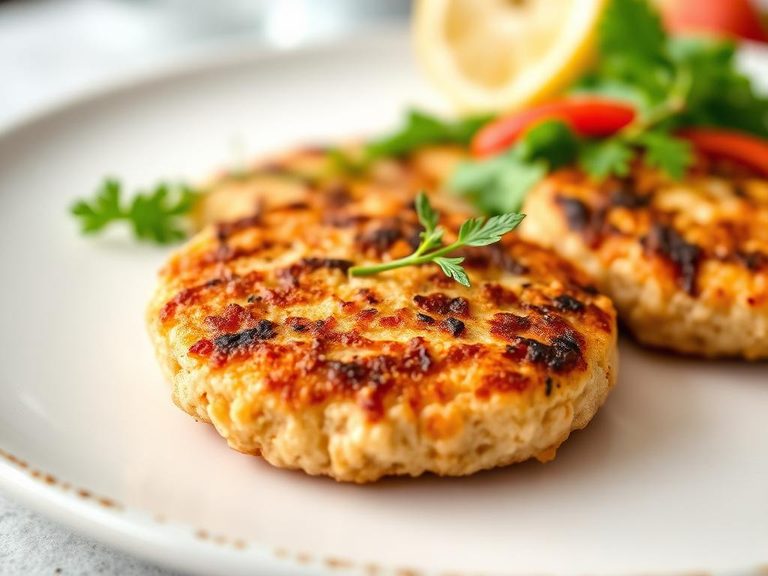
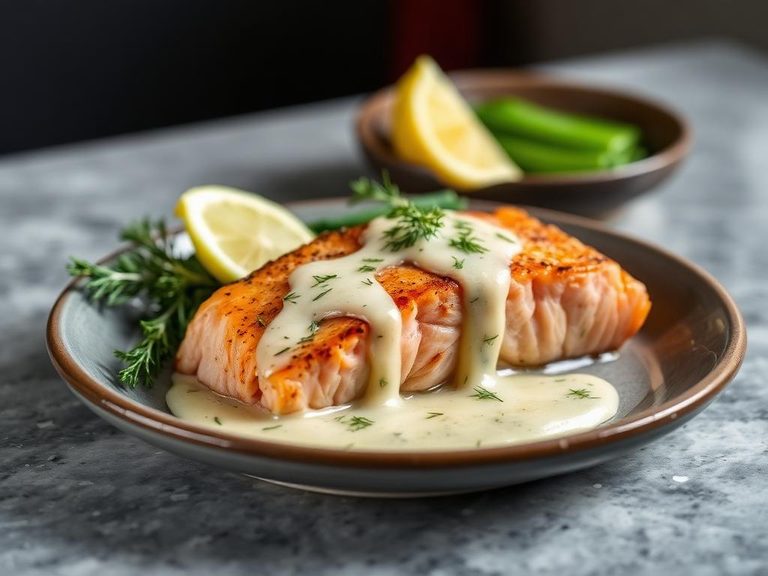
🌍 Where it's eaten
💡 Did you know?
Coho salmon are famous for their dramatic spawning transformation, where their silvery bodies turn a deep maroon-red with a green head, and males develop a pronounced hooked jaw called a 'kype.'
Full nutrition (USDA data · scales with serving)
| Water | 67.0 g |
| Energy | 178 kcal |
| Energy | 745 kj |
| Protein | 24.3 g |
| Total lipid (fat) | 8.2 g |
| Ash | 1.4 g |
| Carbohydrate, by difference | 0.00 g |
| Fiber, total dietary | 0.00 g |
| Calcium, Ca | 12.0 mg |
| Iron, Fe | 0.39 mg |
| Magnesium, Mg | 34.0 mg |
| Phosphorus, P | 332 mg |
| Potassium, K | 460 mg |
| Sodium, Na | 52.0 mg |
| Zinc, Zn | 0.47 mg |
| Copper, Cu | 0.09 mg |
| Manganese, Mn | 0.02 mg |
| Selenium, Se | 14.1 ug |
| Vitamin C, total ascorbic acid | 1.5 mg |
| Thiamin | 0.10 mg |
| Riboflavin | 0.11 mg |
| Niacin | 7.4 mg |
| Pantothenic acid | 1.3 mg |
| Vitamin B-6 | 0.57 mg |
| Folate, total | 14.0 ug |
| Folic acid | 0.00 ug |
| Folate, food | 14.0 ug |
| Folate, DFE | 14.0 ug |
| Vitamin B-12 | 3.2 ug |
| Vitamin A, RAE | 59.0 ug |
| Retinol | 59.0 ug |
| Vitamin A, IU | 197 iu |
Fat & fatty acid profile (per 100g)
| Fatty acids, total saturated | 1.9 g |
| SFA 14:0 | 0.31 g |
| SFA 16:0 | 1.2 g |
| SFA 18:0 | 0.33 g |
| Fatty acids, total monounsaturated | 3.6 g |
| MUFA 16:1 | 0.48 g |
| MUFA 18:1 | 1.8 g |
| MUFA 20:1 | 0.55 g |
| MUFA 22:1 | 0.67 g |
| Fatty acids, total polyunsaturated | 2.0 g |
| PUFA 18:2 | 0.37 g |
| PUFA 18:3 | 0.08 g |
| PUFA 18:4 | 0.12 g |
| PUFA 20:4 | 0.09 g |
| PUFA 20:5 n-3 (EPA) | 0.41 g |
| PUFA 22:6 n-3 (DHA) | 0.87 g |
| Cholesterol | 63.0 mg |
Amino acid profile (per 100g)
| Tryptophan | 0.27 g |
| Threonine | 1.1 g |
| Isoleucine | 1.1 g |
| Leucine | 2.0 g |
| Lysine | 2.2 g |
| Methionine | 0.72 g |
| Cystine | 0.26 g |
| Phenylalanine | 0.95 g |
| Tyrosine | 0.82 g |
| Valine | 1.3 g |
| Arginine | 1.5 g |
| Histidine | 0.71 g |
| Alanine | 1.5 g |
| Aspartic acid | 2.5 g |
| Glutamic acid | 3.6 g |
| Glycine | 1.2 g |
| Proline | 0.86 g |
| Serine | 0.99 g |
FAQ
How is farmed coho different from wild?
Farmed coho is typically milder in flavor and has a slightly higher fat content (including omega-3s) due to controlled diets, while wild coho has a more pronounced, 'cleaner' oceanic taste and a firmer texture.
What's the best way to cook it without drying it out?
Use moist-heat methods like poaching or baking en papillote, or for dry heat, grill or pan-sear over medium-high heat and finish quickly. A marinade or glaze can add moisture and flavor.
Is the skin edible and nutritious?
Yes, the skin is edible and becomes wonderfully crispy when cooked properly. It's a good source of collagen and healthy fats; simply score it and cook skin-side down in a hot pan.
Nutrient density (calculated · NRF9.3)
Nutrient Rich Foods index: beneficial nutrients (protein, fiber, vitamins, minerals) minus saturated fat, added sugar & sodium, per 100 kcal.
NRF9.3 index — Fulgoni, Keast & Drewnowski, 2009. Computed from USDA nutrients.
Weight-loss friendliness (composite index)
Energy density 1.78 kcal/g · 55% calories from protein · 0.0 g fiber · 0.0 g sugar per 100 g.
Composite of energy density (Rolls et al., 1999), protein & fiber satiety, minus sugar. A calculated heuristic — ranks satiety-per-calorie, not a clinical measure.
Dietary load (calculated from USDA values)
Potential renal acid load. Positive = acid-forming, negative = alkaline-forming.
Sodium-to-potassium ratio: 0.11 (lower is better — aim for ≤ 1)
Sodium:potassium per WHO potassium guidance. Computed from USDA nutrients.