

Fish, salmon, chum, canned, without salt, drained solids with bone
Whole food · Finfish and Shellfish Products

Photo: Wikipedia
This is canned chum salmon, a robust, pink-fleshed fish packed with its own calcium-rich bones. Its texture is firm and flaky, offering a deeply savory, oceanic flavor that's more pronounced than milder salmon varieties. A standout nutritional powerhouse, it delivers an exceptional amount of protein and healthy fats with zero carbohydrates.
Calorie split: 63% protein · 0% carbs · 37% fat
↓ Full nutrition💚 Why it's loved
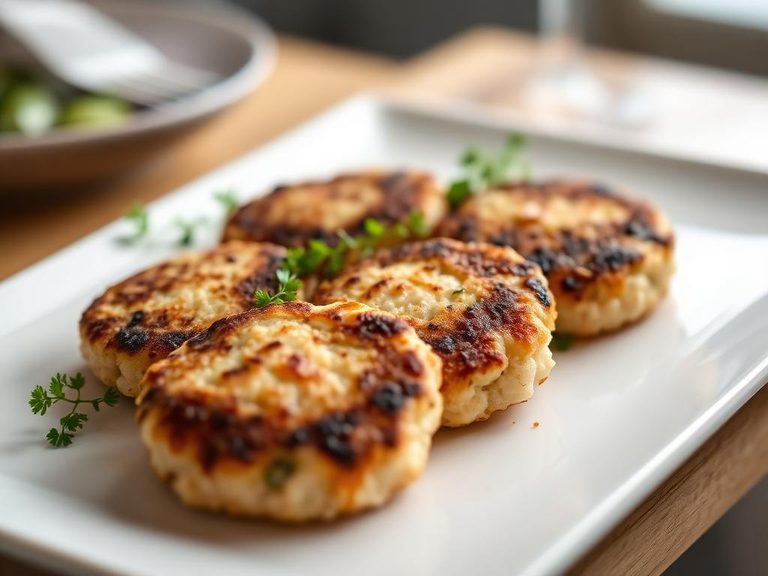
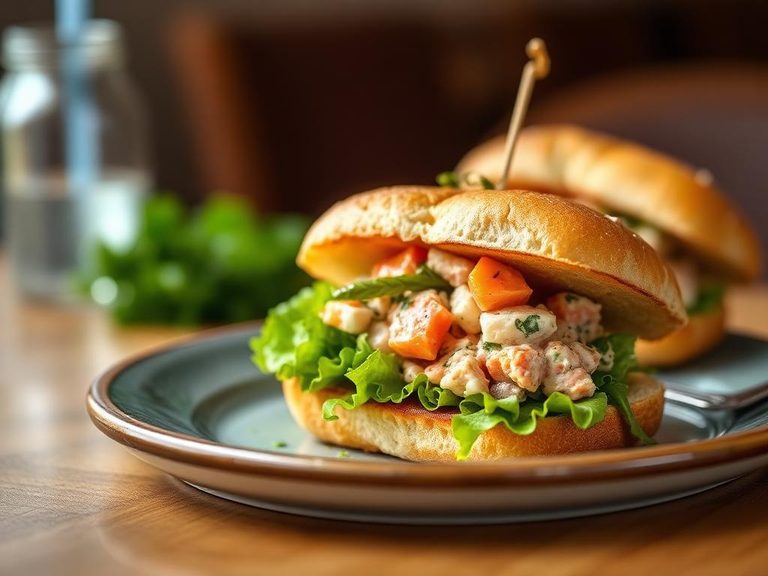
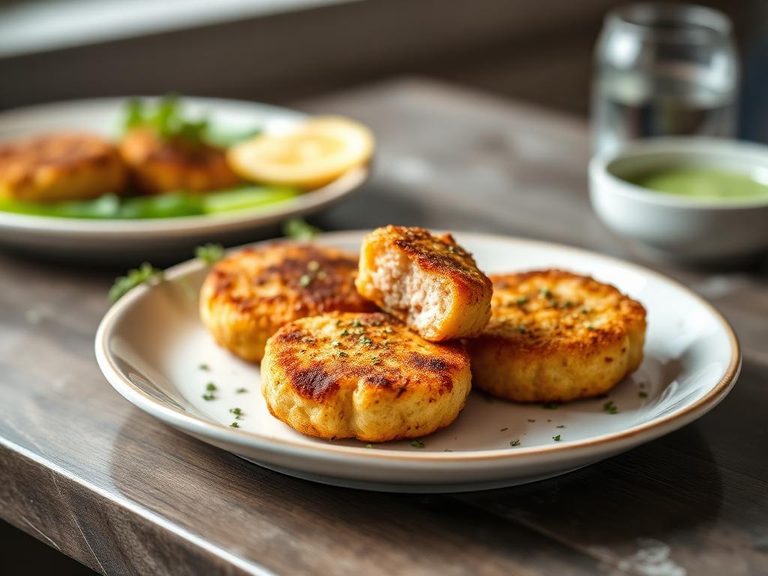
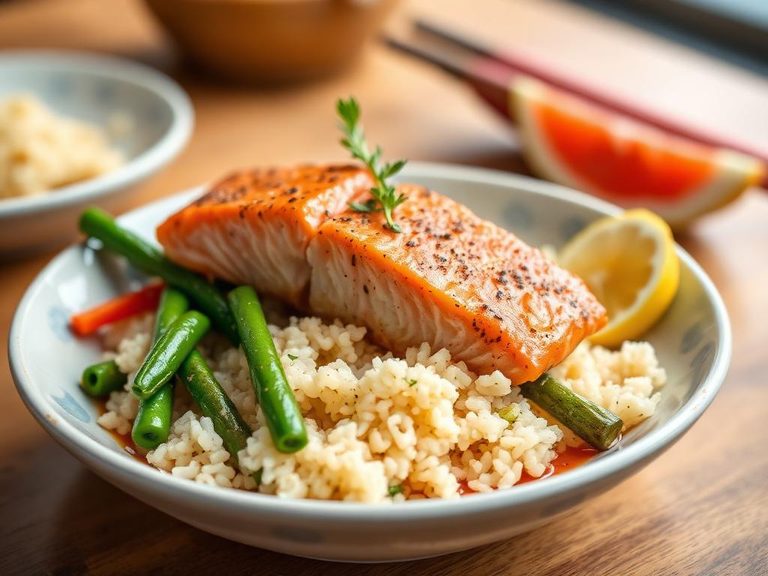
People love its rich, meaty flavor and satisfying texture that holds up well in salads, sandwiches, and casseroles. It's a budget-friendly, sustainable protein staple in many cuisines, especially in Pacific Northwest and Asian cooking.
⚠️ Watch-outs & how to enjoy it better
The strong, oily flavor and presence of bones can be off-putting to some, and the texture may be too dense for those who prefer flakier fish. Since it's canned without salt, it's naturally low-sodium, but always check labels as some brands may add it. As a common fish allergen, those with seafood allergies should avoid it entirely. To enhance palatability, mix it with lemon juice, fresh herbs, or a creamy dressing to balance its robust taste.
Key benefits
- Excellent source of high-quality protein for muscle maintenance.
- Rich in omega-3 fatty acids (EPA and DHA) for heart and brain health.
- Bones provide significant calcium for bone strength.
- Contains vitamin D and B12, essential for energy and immune function.
- Zero carbohydrates, making it ideal for low-carb and ketogenic diets.
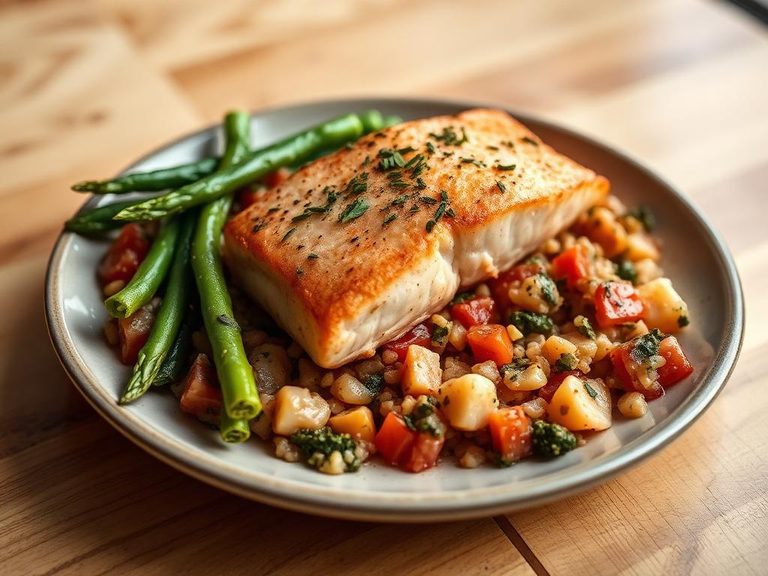
🍽️ Popular dishes
🌍 Where it's eaten
💡 Did you know?
Chum salmon, also known as 'keta' or 'dog salmon,' is named for its use in feeding sled dogs in Alaska, but its roe (ikura) is a prized delicacy in Japanese sushi.
Full nutrition (USDA data · scales with serving)
| Water | 70.8 g |
| Energy | 141 kcal |
| Energy | 590 kj |
| Protein | 21.4 g |
| Total lipid (fat) | 5.5 g |
| Ash | 2.5 g |
| Carbohydrate, by difference | 0.00 g |
| Fiber, total dietary | 0.00 g |
| Calcium, Ca | 249 mg |
| Iron, Fe | 0.70 mg |
| Magnesium, Mg | 30.0 mg |
| Phosphorus, P | 354 mg |
| Potassium, K | 300 mg |
| Sodium, Na | 75.0 mg |
| Zinc, Zn | 1.0 mg |
| Copper, Cu | 0.10 mg |
| Manganese, Mn | 0.02 mg |
| Selenium, Se | 43.3 ug |
| Vitamin C, total ascorbic acid | 0.00 mg |
| Thiamin | 0.02 mg |
| Riboflavin | 0.16 mg |
| Niacin | 7.0 mg |
| Pantothenic acid | 0.56 mg |
| Vitamin B-6 | 0.38 mg |
| Folate, total | 20.0 ug |
| Folic acid | 0.00 ug |
| Folate, food | 20.0 ug |
| Folate, DFE | 20.0 ug |
| Vitamin B-12 | 4.4 ug |
| Vitamin A, RAE | 18.0 ug |
| Retinol | 18.0 ug |
| Vitamin A, IU | 61.0 iu |
Fat & fatty acid profile (per 100g)
| Fatty acids, total saturated | 1.5 g |
| SFA 14:0 | 0.48 g |
| SFA 16:0 | 0.82 g |
| SFA 18:0 | 0.19 g |
| Fatty acids, total monounsaturated | 1.9 g |
| MUFA 16:1 | 0.24 g |
| MUFA 18:1 | 1.2 g |
| MUFA 20:1 | 0.28 g |
| MUFA 22:1 | 0.24 g |
| Fatty acids, total polyunsaturated | 1.5 g |
| PUFA 18:2 | 0.06 g |
| PUFA 18:3 | 0.05 g |
| PUFA 18:4 | 0.07 g |
| PUFA 20:4 | 0.07 g |
| PUFA 20:5 n-3 (EPA) | 0.47 g |
| PUFA 22:5 n-3 (DPA) | 0.09 g |
| PUFA 22:6 n-3 (DHA) | 0.70 g |
| Cholesterol | 39.0 mg |
Amino acid profile (per 100g)
| Tryptophan | 0.24 g |
| Threonine | 0.94 g |
| Isoleucine | 0.99 g |
| Leucine | 1.7 g |
| Lysine | 2.0 g |
| Methionine | 0.63 g |
| Cystine | 0.23 g |
| Phenylalanine | 0.84 g |
| Tyrosine | 0.72 g |
| Valine | 1.1 g |
| Arginine | 1.3 g |
| Histidine | 0.63 g |
| Alanine | 1.3 g |
| Aspartic acid | 2.2 g |
| Glutamic acid | 3.2 g |
| Glycine | 1.0 g |
| Proline | 0.76 g |
| Serine | 0.87 g |
FAQ
Is the bone in canned salmon edible and safe?
Yes, the bones are soft, edible, and a great source of calcium. They can be easily mashed or mixed into the salmon.
How does chum salmon differ from other canned salmon?
Chum salmon has a firmer texture and a more robust, less fatty flavor compared to pink or sockeye salmon. It's often more affordable.
Can I use this in recipes that call for fresh salmon?
Yes, it's a great substitute in patties, salads, and casseroles. For dishes requiring a delicate texture, you may want to flake it thoroughly.
Nutrient density (calculated · NRF9.3)
Nutrient Rich Foods index: beneficial nutrients (protein, fiber, vitamins, minerals) minus saturated fat, added sugar & sodium, per 100 kcal.
NRF9.3 index — Fulgoni, Keast & Drewnowski, 2009. Computed from USDA nutrients.
Weight-loss friendliness (composite index)
Energy density 1.41 kcal/g · 61% calories from protein · 0.0 g fiber · 0.0 g sugar per 100 g.
Composite of energy density (Rolls et al., 1999), protein & fiber satiety, minus sugar. A calculated heuristic — ranks satiety-per-calorie, not a clinical measure.
Dietary load (calculated from USDA values)
Potential renal acid load. Positive = acid-forming, negative = alkaline-forming.
Sodium-to-potassium ratio: 0.25 (lower is better — aim for ≤ 1)
Sodium:potassium per WHO potassium guidance. Computed from USDA nutrients.