

Fish, roe, mixed species, cooked, dry heat
Whole food · Finfish and Shellfish Products

Photo: Wikipedia
Fish roe refers to the salt-cured or cooked egg masses (ova) harvested from various species of fish, prized for their distinct, jewel-like appearance and unique sensory experience. The texture is famously granular, offering a satisfying 'pop' in the mouth that releases a rich, briny, and savory umami flavor. Nutritionally, it is an exceptionally dense source of high-quality protein and healthy fats, particularly omega-3 fatty acids, with minimal carbohydrates.
Calorie split: 58% protein · 4% carbs · 38% fat
↓ Full nutrition💚 Why it's loved
People love it for the luxurious, briny burst of flavor and the unique textural experience of the 'popping' eggs. It's also celebrated as a versatile ingredient that can elevate simple dishes from toast to pasta with a touch of elegance.
⚠️ Watch-outs & how to enjoy it better
The strong, oceanic flavor and popping texture can be polarizing for some palates. It is also very high in sodium due to curing, making it a consideration for those monitoring salt intake; pairing it with unsalted foods like plain rice or vegetables can help balance the meal.
Key benefits
- Excellent source of complete, high-quality protein.
- Rich in omega-3 fatty acids (EPA and DHA) for brain and heart health.
- Provides essential nutrients like vitamin B12, selenium, and choline.
- Naturally very low in carbohydrates and sugar.
- Contains astaxanthin, a potent antioxidant that gives it a pink hue.
🍽️ Popular dishes
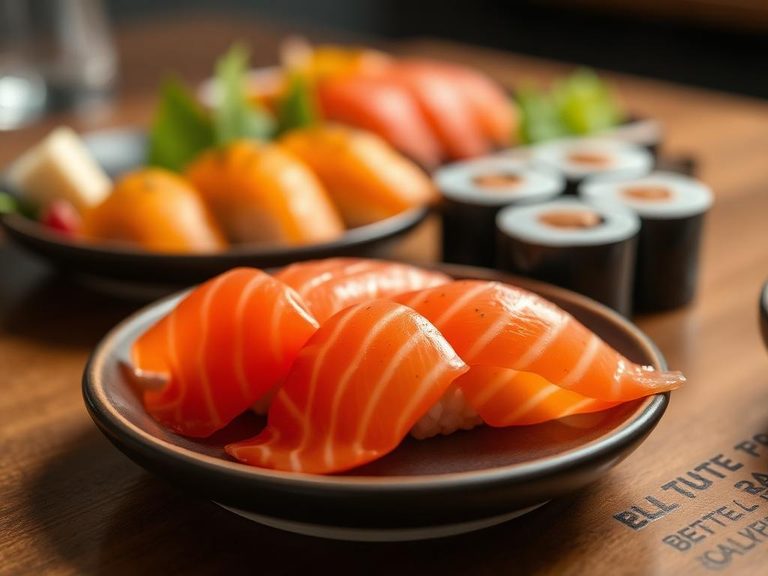
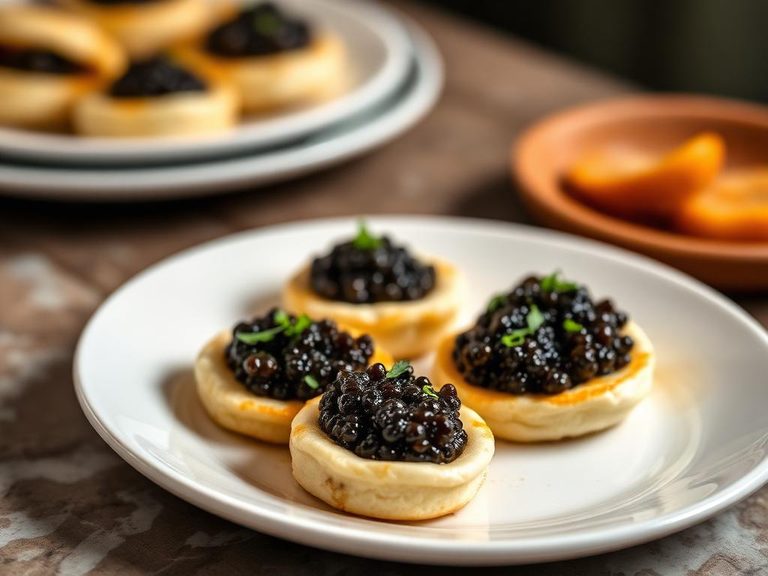
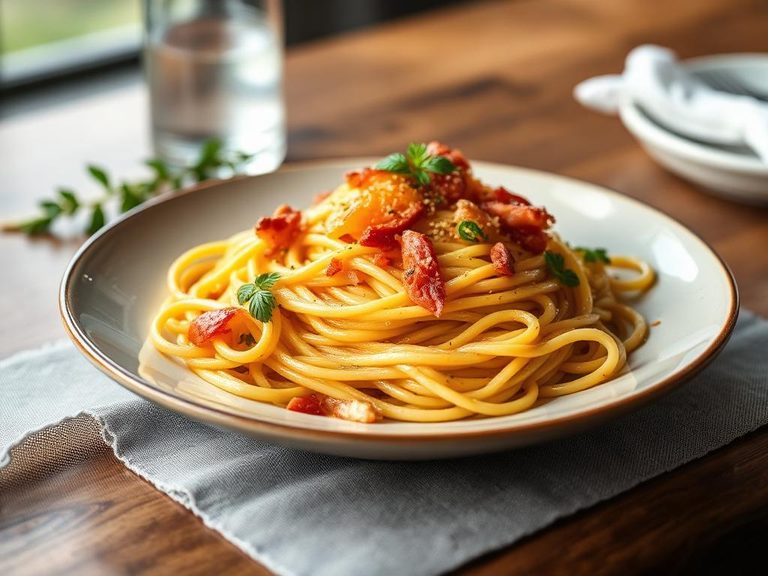
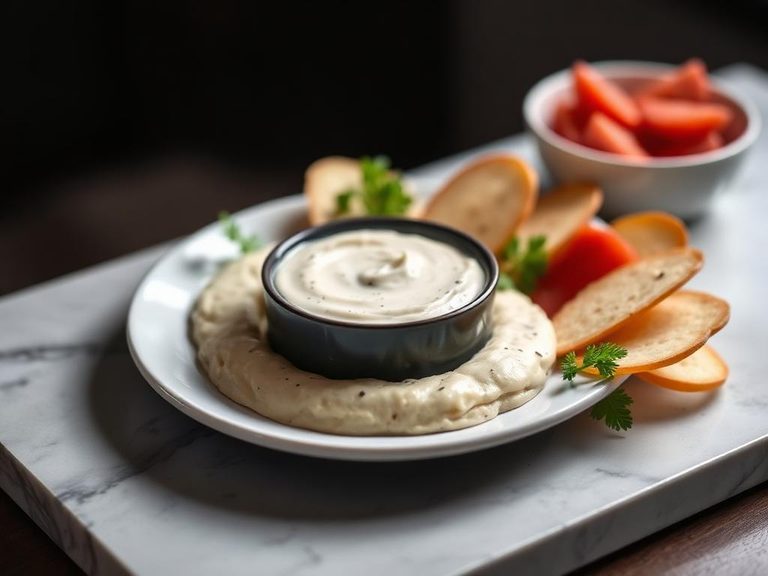
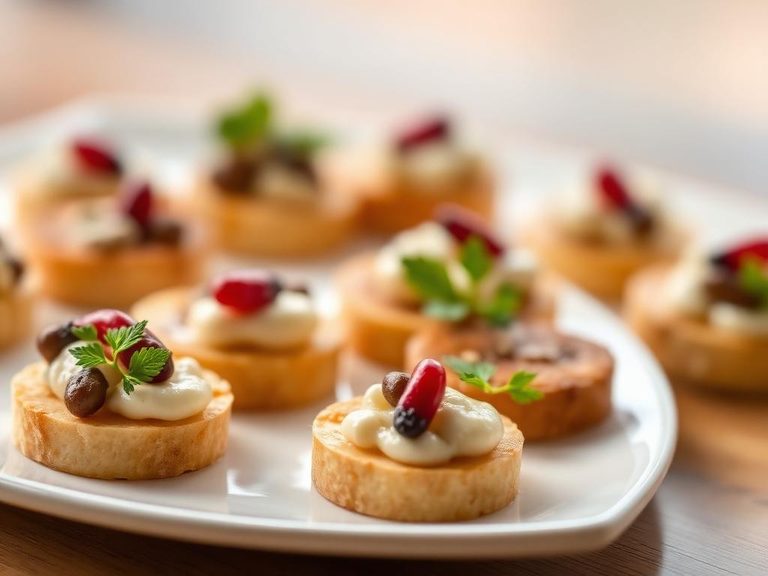
🌍 Where it's eaten
💡 Did you know?
The vibrant orange-red color of many fish roes, like salmon or trout, comes from the antioxidant pigment astaxanthin, which the fish acquire from eating krill and shrimp in the wild.
Full nutrition (USDA data · scales with serving)
| Water | 58.6 g |
| Energy | 204 kcal |
| Energy | 854 kj |
| Protein | 28.6 g |
| Total lipid (fat) | 8.2 g |
| Ash | 1.8 g |
| Carbohydrate, by difference | 1.9 g |
| Fiber, total dietary | 0.00 g |
| Calcium, Ca | 28.0 mg |
| Iron, Fe | 0.77 mg |
| Magnesium, Mg | 26.0 mg |
| Phosphorus, P | 515 mg |
| Potassium, K | 283 mg |
| Sodium, Na | 117 mg |
| Zinc, Zn | 1.3 mg |
| Copper, Cu | 0.13 mg |
| Manganese, Mn | 0.01 mg |
| Selenium, Se | 51.7 ug |
| Vitamin C, total ascorbic acid | 16.4 mg |
| Thiamin | 0.28 mg |
| Riboflavin | 0.95 mg |
| Niacin | 2.2 mg |
| Pantothenic acid | 1.2 mg |
| Vitamin B-6 | 0.18 mg |
| Folate, total | 92.0 ug |
| Folic acid | 0.00 ug |
| Folate, food | 92.0 ug |
| Folate, DFE | 92.0 ug |
| Vitamin B-12 | 11.5 ug |
| Vitamin A, RAE | 91.0 ug |
| Retinol | 91.0 ug |
| Vitamin A, IU | 303 iu |
Fat & fatty acid profile (per 100g)
| Fatty acids, total saturated | 1.9 g |
| SFA 14:0 | 0.10 g |
| SFA 16:0 | 1.6 g |
| SFA 18:0 | 0.14 g |
| Fatty acids, total monounsaturated | 2.1 g |
| MUFA 16:1 | 0.48 g |
| MUFA 18:1 | 1.5 g |
| MUFA 20:1 | 0.14 g |
| MUFA 22:1 | 0.05 g |
| Fatty acids, total polyunsaturated | 3.4 g |
| PUFA 18:2 | 0.04 g |
| PUFA 18:3 | 0.01 g |
| PUFA 18:4 | 0.01 g |
| PUFA 20:4 | 0.23 g |
| PUFA 20:5 n-3 (EPA) | 1.3 g |
| PUFA 22:5 n-3 (DPA) | 0.10 g |
| PUFA 22:6 n-3 (DHA) | 1.7 g |
| Cholesterol | 479 mg |
Amino acid profile (per 100g)
| Tryptophan | 0.38 g |
| Threonine | 1.3 g |
| Isoleucine | 1.5 g |
| Leucine | 2.5 g |
| Lysine | 2.2 g |
| Methionine | 0.71 g |
| Cystine | 0.50 g |
| Phenylalanine | 1.4 g |
| Tyrosine | 1.4 g |
| Valine | 1.7 g |
| Arginine | 1.6 g |
| Histidine | 0.78 g |
| Alanine | 1.8 g |
| Aspartic acid | 2.3 g |
| Glutamic acid | 3.4 g |
| Glycine | 0.83 g |
| Proline | 1.5 g |
| Serine | 1.3 g |
FAQ
Is fish roe the same as caviar?
Not exactly. 'Caviar' specifically refers to the salt-cured roe from sturgeon fish. Fish roe is a broader term for the egg masses of many different fish species, like salmon (ikura), flying fish (tobiko), or capelin (masago).
How should I store and handle it?
Fresh or pasteurized roe should be kept refrigerated and consumed by the use-by date. Once opened, it's best used within a few days. For long-term storage, it can be frozen, though this may slightly alter the texture.
What does it taste like?
The flavor is predominantly savory and briny, reminiscent of the sea, with a deep umami quality. The texture is key—a firm yet delicate sphere that bursts with liquid when pressed against the roof of the mouth.
Nutrient density (calculated · NRF9.3)
Nutrient Rich Foods index: beneficial nutrients (protein, fiber, vitamins, minerals) minus saturated fat, added sugar & sodium, per 100 kcal.
NRF9.3 index — Fulgoni, Keast & Drewnowski, 2009. Computed from USDA nutrients.
Weight-loss friendliness (composite index)
Energy density 2.04 kcal/g · 56% calories from protein · 0.0 g fiber · 0.0 g sugar per 100 g.
Composite of energy density (Rolls et al., 1999), protein & fiber satiety, minus sugar. A calculated heuristic — ranks satiety-per-calorie, not a clinical measure.
Dietary load (calculated from USDA values)
Potential renal acid load. Positive = acid-forming, negative = alkaline-forming.
Sodium-to-potassium ratio: 0.41 (lower is better — aim for ≤ 1)
Sodium:potassium per WHO potassium guidance. Computed from USDA nutrients.