

Fish, pollock, Alaska, raw
Whole food · Finfish and Shellfish Products

Photo: Wikipedia
Alaska pollock is a lean, mild white fish from the cold North Pacific, prized for its delicate, flaky texture and clean, slightly sweet flavor. With an exceptional protein-to-calorie ratio (17g protein for just 76 kcal per 100g) and virtually no fat or carbs, it's a staple of health-conscious and commercial fisheries alike. Its neutral taste makes it a perfect canvas for a wide array of seasonings and cooking methods.
Calorie split: 90% protein · 0% carbs · 10% fat
↓ Full nutrition💚 Why it's loved
People love it for its versatility and mild, non-fishy taste, which makes it a crowd-pleaser, especially for children or those new to seafood. It's the workhorse behind iconic products like fish sticks and surimi (imitation crab), offering a reliable, affordable, and nutritious base.
⚠️ Watch-outs & how to enjoy it better
Its mild flavor can be perceived as bland if not seasoned well, and its delicate texture can turn dry if overcooked. As a common fish, it is a potential allergen for those with fish allergies. To counteract dryness, avoid overcooking; try poaching, steaming, or baking in a sauce. To boost flavor, use marinades, herbs, citrus, or a flavorful crust.
Key benefits
- Excellent source of lean, complete protein for muscle maintenance and satiety.
- Very low in calories and fat, making it ideal for weight management diets.
- Provides essential nutrients like vitamin B12, selenium, and phosphorus.
- Sustainably managed fisheries (like Alaska's) are a responsible seafood choice.
🍽️ Popular dishes
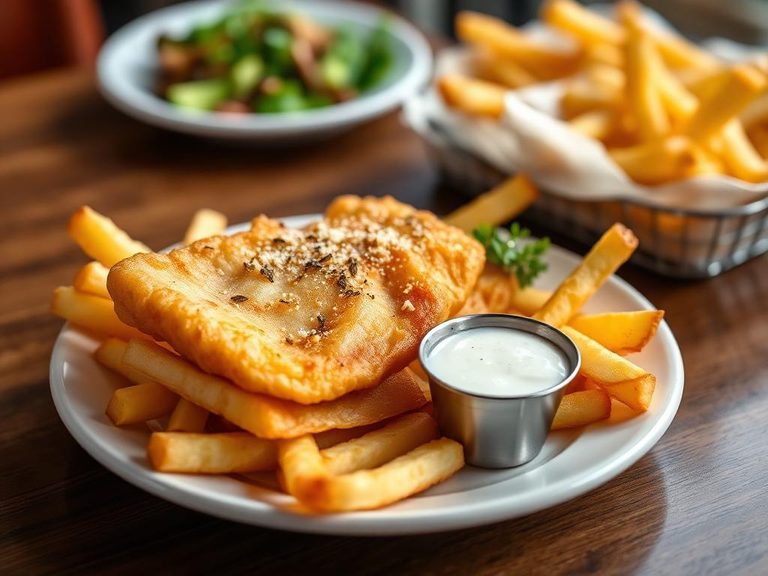
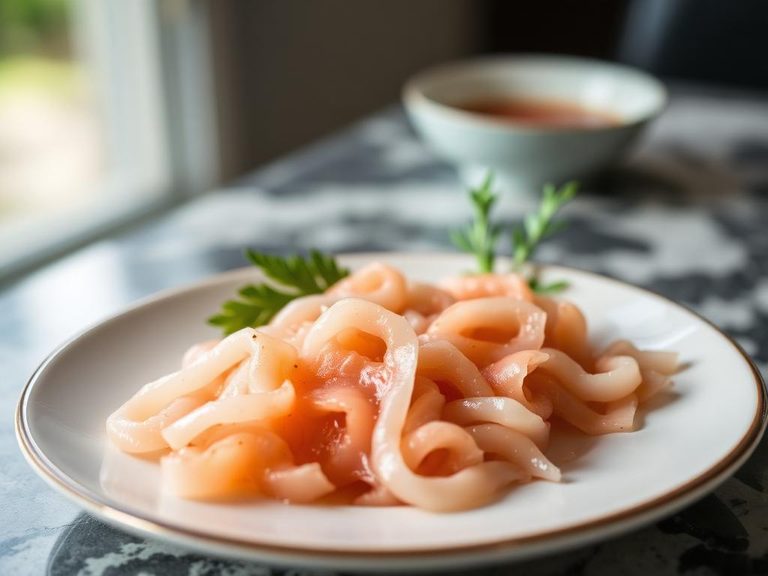
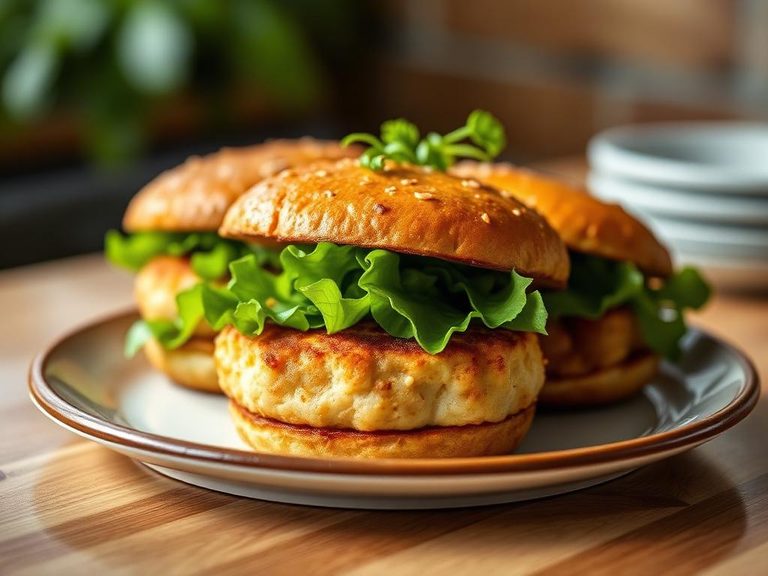
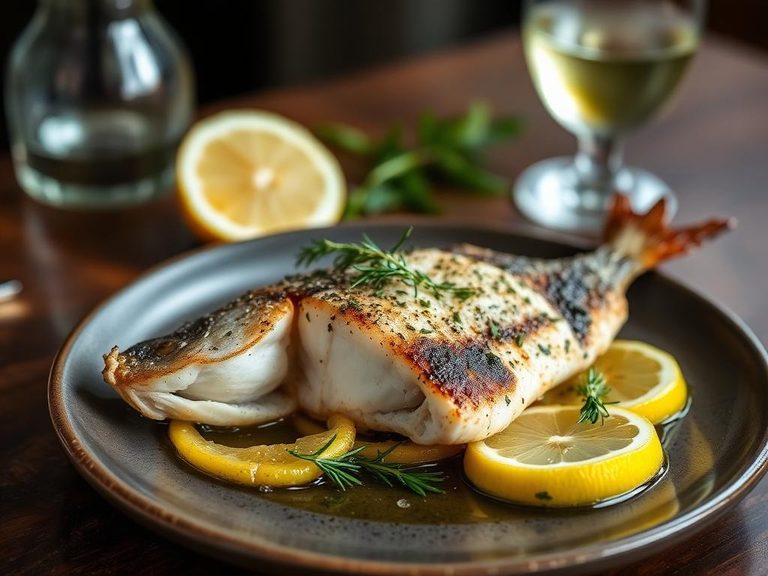
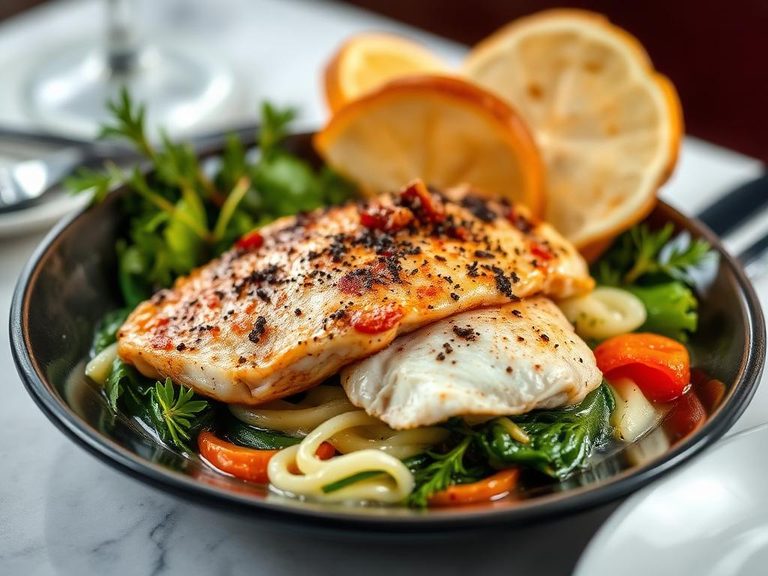
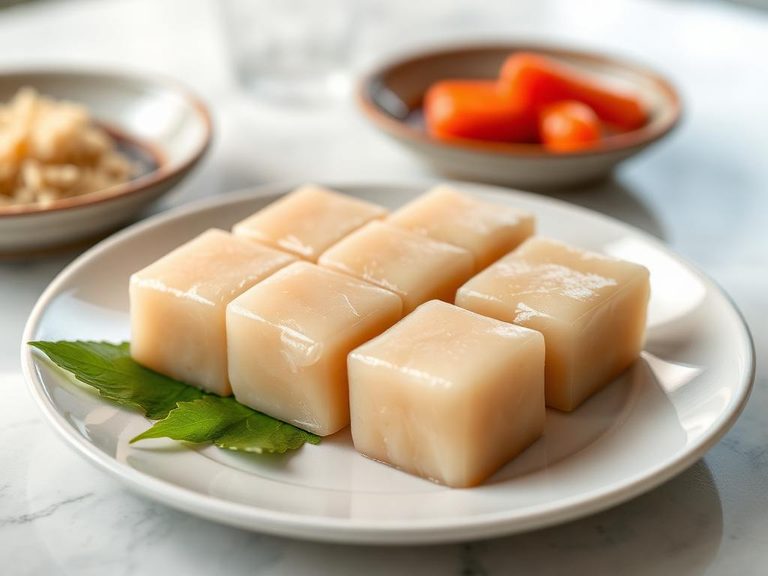
🌍 Where it's eaten
💡 Did you know?
Alaska pollock is the world's largest food fishery by volume, and much of the surimi (imitation crab) you eat is made from it.
Full nutrition (USDA data · scales with serving)
| Water | 82.0 g |
| Energy | 76.0 kcal |
| Energy | 318 kj |
| Protein | 17.2 g |
| Total lipid (fat) | 0.82 g |
| Ash | 1.3 g |
| Carbohydrate, by difference | 0.00 g |
| Calcium, Ca | 12.0 mg |
| Iron, Fe | 0.27 mg |
| Magnesium, Mg | 34.0 mg |
| Phosphorus, P | 190 mg |
| Potassium, K | 331 mg |
| Sodium, Na | 159 mg |
| Zinc, Zn | 0.40 mg |
| Copper, Cu | 0.04 mg |
| Manganese, Mn | 0.01 mg |
Fat & fatty acid profile (per 100g)
| Fatty acids, total saturated | 0.15 g |
| SFA 14:0 | 0.01 g |
| SFA 15:0 | 0.00 g |
| SFA 16:0 | 0.12 g |
| SFA 18:0 | 0.02 g |
| Fatty acids, total monounsaturated | 0.10 g |
| MUFA 16:1 | 0.01 g |
| MUFA 16:1 c | 0.01 g |
| MUFA 18:1 | 0.06 g |
| MUFA 18:1 c | 0.05 g |
| MUFA 20:1 | 0.03 g |
| MUFA 22:1 | 0.00 g |
| MUFA 22:1 c | 0.00 g |
| MUFA 24:1 c | 0.00 g |
| Fatty acids, total polyunsaturated | 0.26 g |
| PUFA 18:2 | 0.01 g |
| PUFA 18:2 n-6 c,c | 0.01 g |
| PUFA 18:3 | 0.00 g |
| PUFA 18:4 | 0.00 g |
| PUFA 20:3 | 0.00 g |
| PUFA 20:3 n-6 | 0.00 g |
| PUFA 20:4 | 0.00 g |
| PUFA 20:5 n-3 (EPA) | 0.07 g |
| PUFA 22:5 n-3 (DPA) | 0.01 g |
| PUFA 22:6 n-3 (DHA) | 0.16 g |
| Fatty acids, total trans | 0.00 g |
| Fatty acids, total trans-monoenoic | 0.00 g |
| TFA 18:1 t | 0.00 g |
| Cholesterol | 61.0 mg |
Amino acid profile (per 100g)
Estimated from Fish, fish sticks, frozen, prepared — USDA does not publish this profile for Fish.
| Tryptophan | 0.12 g |
| Threonine | 0.37 g |
| Isoleucine | 0.43 g |
| Leucine | 0.85 g |
| Lysine | 0.80 g |
| Methionine | 0.30 g |
| Phenylalanine | 0.47 g |
| Tyrosine | 0.29 g |
| Valine | 0.50 g |
| Arginine | 0.59 g |
| Histidine | 0.23 g |
| Alanine | 0.55 g |
| Aspartic acid | 0.82 g |
| Glutamic acid | 2.3 g |
| Glycine | 0.47 g |
| Proline | 0.78 g |
| Serine | 0.49 g |
| Hydroxyproline | 0.00 g |
FAQ
Is Alaska pollock the same as cod?
No, they are different species. Alaska pollock (Gadus chalcogrammus) is in the cod family but is distinct from Atlantic or Pacific cod. It's generally smaller, with a milder flavor and softer texture.
What's the best way to cook it to keep it moist?
Because it's very lean, quick, moist-heat methods are best. Poach in broth, steam, or bake en papillote (in parchment). If pan-searing, do it quickly over medium-high heat and consider a light coating of flour or breadcrumbs.
Is it a sustainable seafood choice?
Yes, the Alaska pollock fishery is one of the best-managed and largest sustainable fisheries in the world, certified by the Marine Stewardship Council (MSC).
Nutrient density (calculated · NRF9.3)
Nutrient Rich Foods index: beneficial nutrients (protein, fiber, vitamins, minerals) minus saturated fat, added sugar & sodium, per 100 kcal.
NRF9.3 index — Fulgoni, Keast & Drewnowski, 2009. Computed from USDA nutrients.
Weight-loss friendliness (composite index)
Energy density 0.76 kcal/g · 90% calories from protein · 0.0 g fiber · 0.0 g sugar per 100 g.
Composite of energy density (Rolls et al., 1999), protein & fiber satiety, minus sugar. A calculated heuristic — ranks satiety-per-calorie, not a clinical measure.
Dietary load (calculated from USDA values)
Potential renal acid load. Positive = acid-forming, negative = alkaline-forming.
Sodium-to-potassium ratio: 0.48 (lower is better — aim for ≤ 1)
Sodium:potassium per WHO potassium guidance. Computed from USDA nutrients.