

Fish, catfish, channel, wild, cooked, dry heat
Whole food · Finfish and Shellfish Products

Photo: Wikipedia
Wild channel catfish, cooked with dry heat, is a lean, protein-packed freshwater fish with a mild, slightly sweet flavor and a firm, flaky texture. Its stark nutritional profile—just 105 calories and a whopping 18.5g of protein per 100g with virtually no fat or carbs—makes it a powerhouse for clean eating. It's a staple of American river cuisine, offering a satisfying, meaty bite without heaviness.
Calorie split: 74% protein · 0% carbs · 26% fat
↓ Full nutrition💚 Why it's loved
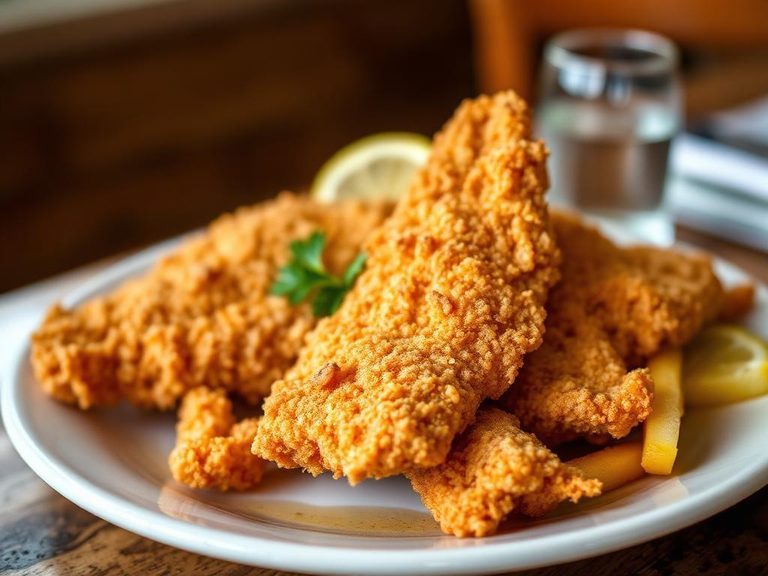
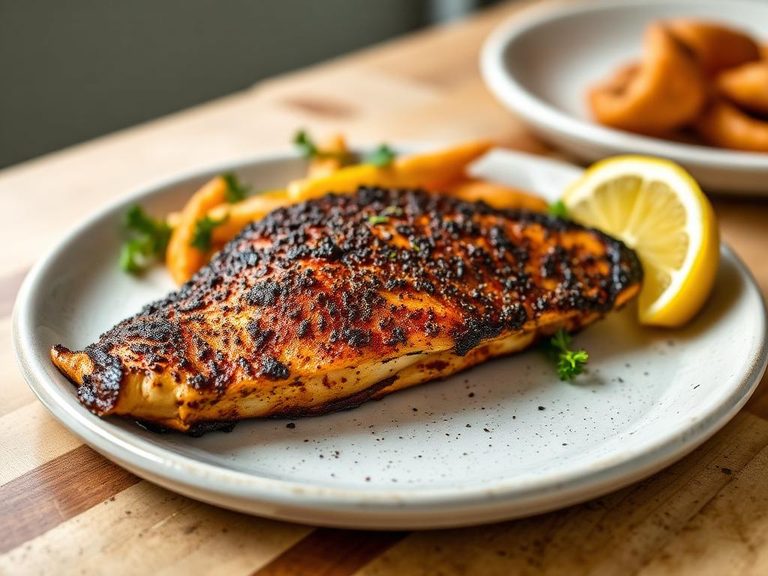
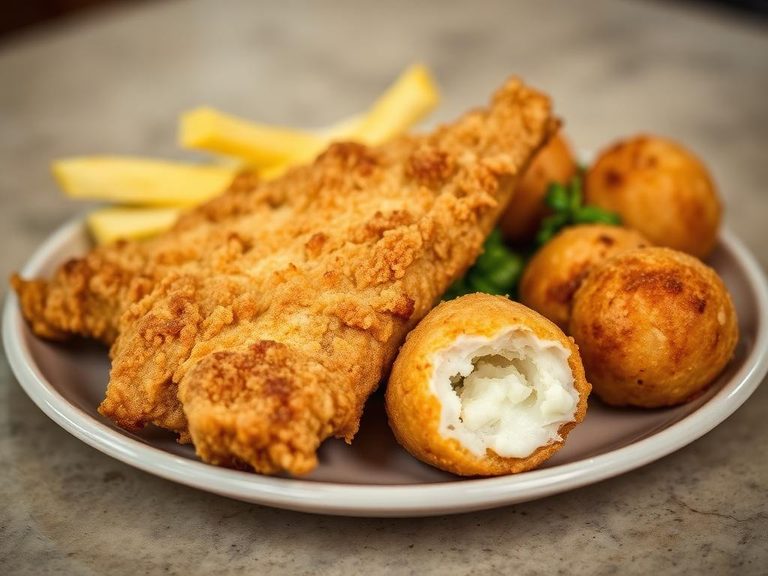
People love catfish for its mild, non-fishy flavor that acts as a perfect canvas for bold seasonings and cooking methods, from spicy blackening to crispy cornmeal coating. It's deeply woven into the cultural fabric of the American South, symbolizing communal fish fries and home-style comfort food.
⚠️ Watch-outs & how to enjoy it better
As a freshwater bottom-feeder, wild catfish can accumulate contaminants like mercury or PCBs from its environment, so sourcing from clean waters is key. Those watching sodium intake should be mindful of pre-seasoned or breaded preparations. To mitigate, choose fish from reputable sources, and when cooking at home, use herbs, spices, and citrus for flavor instead of heavy salt. Pairing it with fiber-rich vegetables can also support overall meal balance.
Key benefits
- Excellent source of high-quality, complete protein for muscle maintenance.
- Very low in calories and contains zero carbohydrates or sugars.
- Provides essential minerals like phosphorus and selenium.
- A sustainable choice when sourced from well-managed wild fisheries.
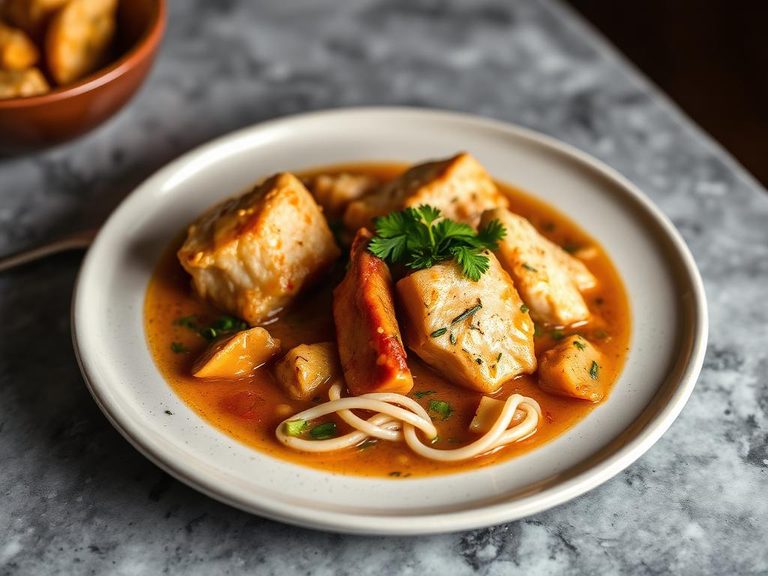
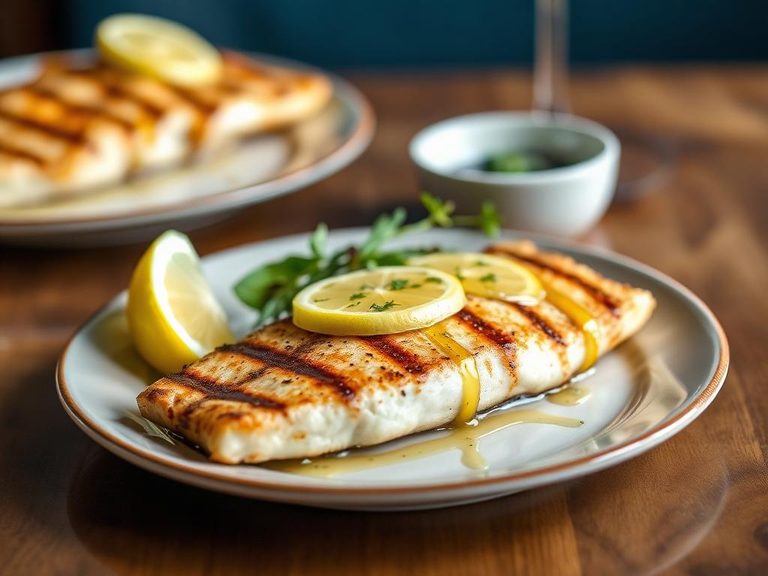
🍽️ Popular dishes

🌍 Where it's eaten
💡 Did you know?
Channel catfish have an incredible sense of taste, with taste buds not just in their mouths but covering their entire body, allowing them to 'taste' their way to food in murky waters.
Full nutrition (USDA data · scales with serving)
| Water | 77.7 g |
| Energy | 105 kcal |
| Energy | 439 kj |
| Protein | 18.5 g |
| Total lipid (fat) | 2.9 g |
| Ash | 1.1 g |
| Carbohydrate, by difference | 0.00 g |
| Fiber, total dietary | 0.00 g |
| Calcium, Ca | 11.0 mg |
| Iron, Fe | 0.35 mg |
| Magnesium, Mg | 28.0 mg |
| Phosphorus, P | 304 mg |
| Potassium, K | 419 mg |
| Sodium, Na | 50.0 mg |
| Zinc, Zn | 0.61 mg |
| Copper, Cu | 0.04 mg |
| Manganese, Mn | 0.03 mg |
| Selenium, Se | 14.3 ug |
| Vitamin C, total ascorbic acid | 0.80 mg |
| Thiamin | 0.23 mg |
| Riboflavin | 0.07 mg |
| Niacin | 2.4 mg |
| Pantothenic acid | 0.91 mg |
| Vitamin B-6 | 0.11 mg |
| Folate, total | 10.0 ug |
| Folic acid | 0.00 ug |
| Folate, food | 10.0 ug |
| Folate, DFE | 10.0 ug |
| Vitamin B-12 | 2.9 ug |
| Vitamin A, RAE | 15.0 ug |
| Retinol | 15.0 ug |
| Vitamin A, IU | 50.0 iu |
Fat & fatty acid profile (per 100g)
| Fatty acids, total saturated | 0.74 g |
| SFA 14:0 | 0.08 g |
| SFA 16:0 | 0.48 g |
| SFA 18:0 | 0.12 g |
| Fatty acids, total monounsaturated | 1.1 g |
| MUFA 16:1 | 0.25 g |
| MUFA 18:1 | 0.77 g |
| MUFA 20:1 | 0.03 g |
| Fatty acids, total polyunsaturated | 0.64 g |
| PUFA 18:2 | 0.14 g |
| PUFA 18:3 | 0.10 g |
| PUFA 18:4 | 0.01 g |
| PUFA 20:4 | 0.09 g |
| PUFA 20:5 n-3 (EPA) | 0.10 g |
| PUFA 22:6 n-3 (DHA) | 0.14 g |
| Cholesterol | 72.0 mg |
Amino acid profile (per 100g)
| Tryptophan | 0.21 g |
| Threonine | 0.81 g |
| Isoleucine | 0.85 g |
| Leucine | 1.5 g |
| Lysine | 1.7 g |
| Methionine | 0.55 g |
| Cystine | 0.20 g |
| Phenylalanine | 0.72 g |
| Tyrosine | 0.62 g |
| Valine | 0.95 g |
| Arginine | 1.1 g |
| Histidine | 0.54 g |
| Alanine | 1.1 g |
| Aspartic acid | 1.9 g |
| Glutamic acid | 2.8 g |
| Glycine | 0.89 g |
| Proline | 0.65 g |
| Serine | 0.75 g |
FAQ
Is wild catfish safe to eat?
Yes, when sourced from clean, tested waters. It's always a good practice to check local fish consumption advisories for specific rivers or lakes.
How is the taste different from farmed catfish?
Wild catfish often has a firmer texture and a cleaner, more pronounced 'river' flavor, while farmed catfish tends to be milder and softer with a higher fat content.
What's the best way to cook it to keep it healthy?
Dry-heat methods like grilling, broiling, or baking with herbs and a small amount of healthy fat (like olive oil) will preserve its lean nutritional profile best.
Nutrient density (calculated · NRF9.3)
Nutrient Rich Foods index: beneficial nutrients (protein, fiber, vitamins, minerals) minus saturated fat, added sugar & sodium, per 100 kcal.
NRF9.3 index — Fulgoni, Keast & Drewnowski, 2009. Computed from USDA nutrients.
Weight-loss friendliness (composite index)
Energy density 1.05 kcal/g · 70% calories from protein · 0.0 g fiber · 0.0 g sugar per 100 g.
Composite of energy density (Rolls et al., 1999), protein & fiber satiety, minus sugar. A calculated heuristic — ranks satiety-per-calorie, not a clinical measure.
Dietary load (calculated from USDA values)
Potential renal acid load. Positive = acid-forming, negative = alkaline-forming.
Sodium-to-potassium ratio: 0.12 (lower is better — aim for ≤ 1)
Sodium:potassium per WHO potassium guidance. Computed from USDA nutrients.