

Chickpeas (garbanzo beans, bengal gram), mature seeds, canned, solids and liquids
Whole food · Legumes and Legume Products

Photo: Wikipedia
Canned chickpeas are pre-cooked, tender legumes with a creamy, starchy texture and a mild, nutty flavor that readily absorbs seasonings. They offer a solid plant-based protein boost (nearly 5g per 100g) and are an excellent source of dietary fiber, all for under 90 calories. The canning process makes them incredibly convenient, ready to eat straight from the can after a quick rinse.
Calorie split: 22% protein · 59% carbs · 19% fat
↓ Full nutrition💚 Why it's loved
People love canned chickpeas for their unmatched convenience and culinary versatility—they're the secret weapon for last-minute hummus, salads, curries, and stews. Their mild, adaptable flavor and satisfyingly hearty texture make them a beloved staple in countless cuisines.
⚠️ Watch-outs & how to enjoy it better
Canned chickpeas often contain added sodium for preservation, which can be a concern for those monitoring salt intake; always opt for 'low sodium' versions and rinse them thoroughly under water to remove up to 40% of the added salt. They also contain oligosaccharides, which can cause gas and bloating in some individuals; starting with smaller portions and gradually increasing intake allows your digestive system to adapt.
Key benefits
- Excellent source of plant-based protein and dietary fiber.
- Low in fat and contains no sugar.
- Provides key minerals like folate, iron, and manganese.
- Highly convenient and shelf-stable for quick meal prep.
🍽️ Popular dishes
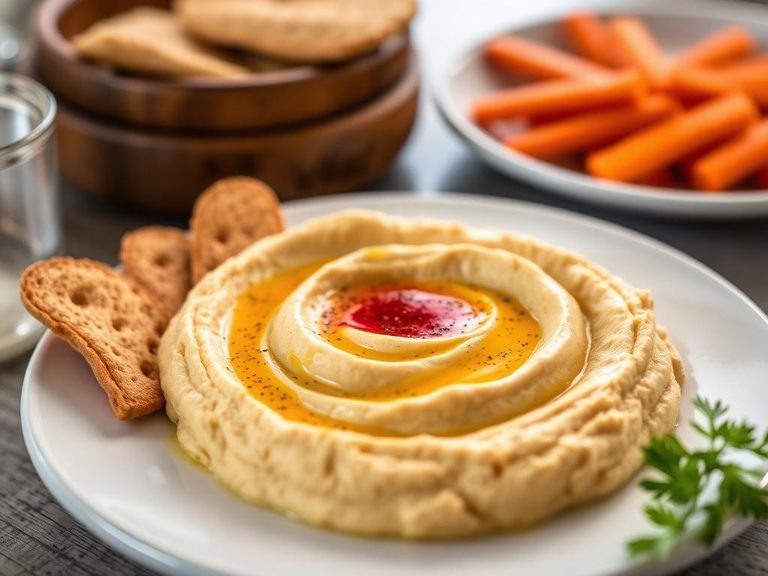
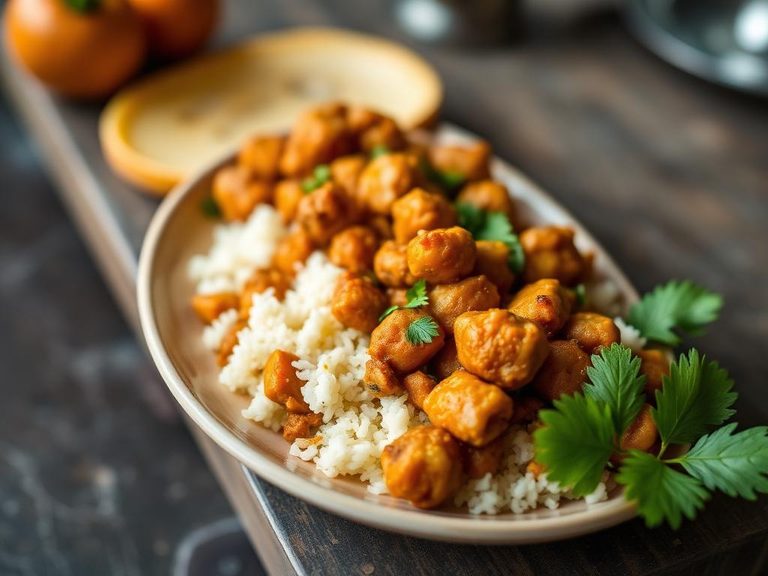
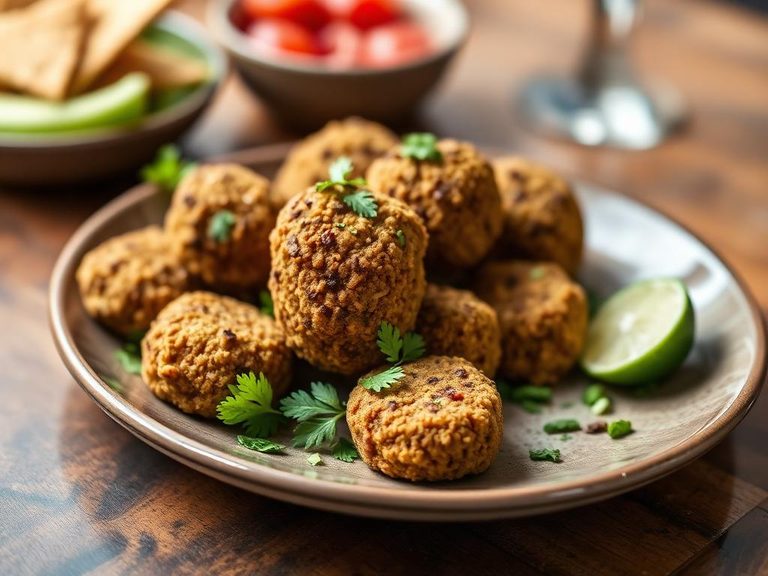

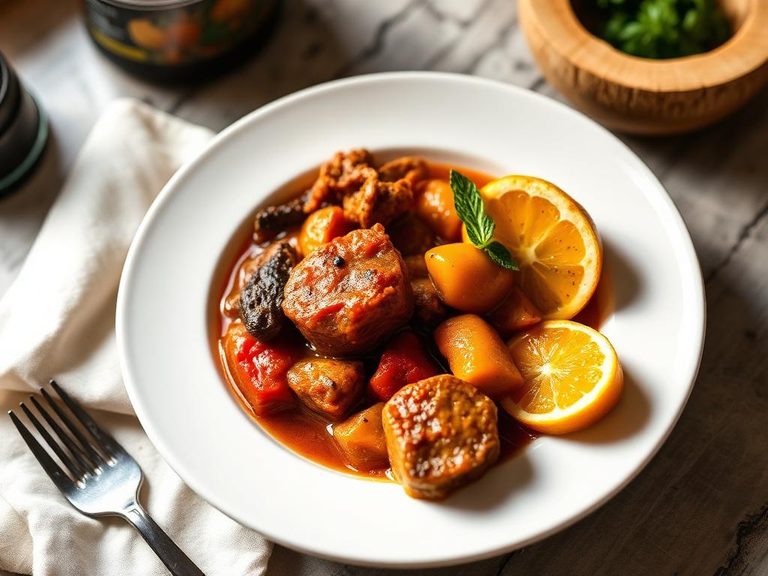

🌍 Where it's eaten
💡 Did you know?
The aquafaba (the liquid in the can) is a powerful vegan egg substitute that can be whipped into a meringue-like foam for mousses, macarons, and meringue toppings.
Full nutrition (USDA data · scales with serving)
| Water | 78.5 g |
| Energy | 88.0 kcal |
| Energy | 369 kj |
| Protein | 4.9 g |
| Total lipid (fat) | 1.9 g |
| Ash | 1.1 g |
| Carbohydrate, by difference | 13.5 g |
| Fiber, total dietary | 4.4 g |
| Calcium, Ca | 35.0 mg |
| Iron, Fe | 1.2 mg |
| Magnesium, Mg | 27.0 mg |
| Phosphorus, P | 80.0 mg |
| Potassium, K | 144 mg |
| Sodium, Na | 278 mg |
| Zinc, Zn | 0.69 mg |
| Copper, Cu | 0.15 mg |
| Manganese, Mn | 0.82 mg |
| Selenium, Se | 2.0 ug |
| Vitamin C, total ascorbic acid | 0.10 mg |
| Thiamin | 0.03 mg |
| Riboflavin | 0.01 mg |
| Niacin | 0.13 mg |
| Pantothenic acid | 0.30 mg |
| Vitamin B-6 | 0.47 mg |
| Folate, total | 25.0 ug |
| Folic acid | 0.00 ug |
| Folate, food | 25.0 ug |
| Folate, DFE | 25.0 ug |
| Choline, total | 32.6 mg |
| Vitamin B-12 | 0.00 ug |
| Vitamin A, RAE | 1.0 ug |
| Retinol | 0.00 ug |
| Carotene, beta | 9.0 ug |
| Carotene, alpha | 0.00 ug |
| Cryptoxanthin, beta | 0.00 ug |
| Vitamin A, IU | 15.0 iu |
| Lycopene | 0.00 ug |
| Lutein + zeaxanthin | 0.00 ug |
| Vitamin D (D2 + D3), International Units | 0.00 iu |
| Vitamin D (D2 + D3) | 0.00 ug |
| Alcohol, ethyl | 0.00 g |
| Caffeine | 0.00 mg |
| Theobromine | 0.00 mg |
Fat & fatty acid profile (per 100g)
| Fatty acids, total saturated | 0.20 g |
| SFA 14:0 | 0.00 g |
| SFA 16:0 | 0.16 g |
| SFA 18:0 | 0.03 g |
| Fatty acids, total monounsaturated | 0.44 g |
| MUFA 16:1 | 0.00 g |
| MUFA 18:1 | 0.44 g |
| Fatty acids, total polyunsaturated | 0.88 g |
| PUFA 18:2 | 0.85 g |
| PUFA 18:3 | 0.03 g |
| Fatty acids, total trans | 0.00 g |
| Cholesterol | 0.00 mg |
Amino acid profile (per 100g)
| Tryptophan | 0.05 g |
| Threonine | 0.18 g |
| Isoleucine | 0.21 g |
| Leucine | 0.35 g |
| Lysine | 0.33 g |
| Methionine | 0.07 g |
| Cystine | 0.07 g |
| Phenylalanine | 0.27 g |
| Tyrosine | 0.12 g |
| Valine | 0.21 g |
| Arginine | 0.47 g |
| Histidine | 0.14 g |
| Alanine | 0.21 g |
| Aspartic acid | 0.58 g |
| Glutamic acid | 0.87 g |
| Glycine | 0.21 g |
| Proline | 0.20 g |
| Serine | 0.25 g |
FAQ
Do I need to cook canned chickpeas before eating them?
No, they are fully cooked and safe to eat straight from the can. However, many people prefer to rinse them to remove the canning liquid (aquafaba) and excess sodium, and then warm them in a pan or microwave for better texture and flavor in hot dishes.
What's the difference between canned and dried chickpeas?
Canned chickpeas are pre-cooked and ready to use, offering convenience at the cost of a slightly softer texture and potentially higher sodium. Dried chickpeas require soaking and long cooking but are cheaper, have a firmer texture, and allow you to control the salt content completely.
How can I make canned chickpeas crispier for recipes like falafel?
The key is to dry them thoroughly after rinsing. Pat them completely dry with a towel or let them air-dry. For the crispiest results, you can also spread them on a baking sheet and roast at 400°F (200°C) for 15-20 minutes before using, which removes excess moisture.
Nutrient density (calculated · NRF9.3)
Nutrient Rich Foods index: beneficial nutrients (protein, fiber, vitamins, minerals) minus saturated fat, added sugar & sodium, per 100 kcal.
NRF9.3 index — Fulgoni, Keast & Drewnowski, 2009. Computed from USDA nutrients.
Weight-loss friendliness (composite index)
Energy density 0.88 kcal/g · 22% calories from protein · 4.4 g fiber · 0.0 g sugar per 100 g.
Composite of energy density (Rolls et al., 1999), protein & fiber satiety, minus sugar. A calculated heuristic — ranks satiety-per-calorie, not a clinical measure.
Dietary load (calculated from USDA values)
Potential renal acid load. Positive = acid-forming, negative = alkaline-forming.
Sodium-to-potassium ratio: 1.93 (lower is better — aim for ≤ 1)
Sodium:potassium per WHO potassium guidance. Computed from USDA nutrients.