

Chicken, stewing, giblets, cooked, simmered
Whole food · Poultry Products
This is a savory mix of chicken hearts, livers, and gizzards, simmered until tender. The texture varies from the firm, meaty bite of the gizzard to the creamy, mineral-rich liver. It's an incredibly protein-dense food, packing over 25 grams of protein per 100 grams with virtually no carbohydrates.
Calorie split: 55% protein · 0% carbs · 45% fat
↓ Full nutrition💚 Why it's loved
People love it for its deep, concentrated umami flavor and the textural variety in each bite. It's a cherished comfort food in many cultures, often simmered into rich stews or fried into crispy morsels.
⚠️ Watch-outs & how to enjoy it better
The high cholesterol content in organ meats like liver may be a concern for some individuals. To balance this, it's best enjoyed as part of a varied diet rich in fiber from vegetables and whole grains, and not consumed in very large portions daily.
Key benefits
- Excellent source of complete protein for muscle maintenance
- Rich in heme iron, more easily absorbed than plant-based iron
- Provides essential B vitamins, especially B12 for nerve function
- Very low in carbohydrates and sugars
- Contains zinc and selenium for immune support
🍽️ Popular dishes
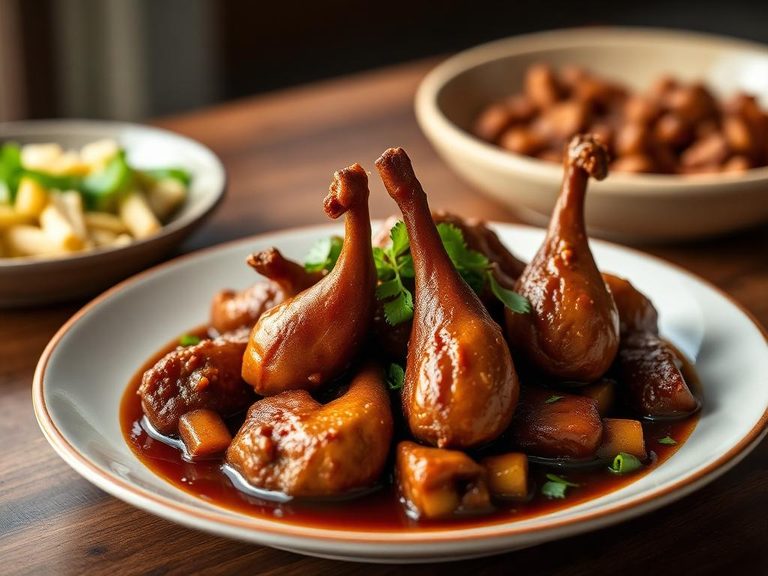
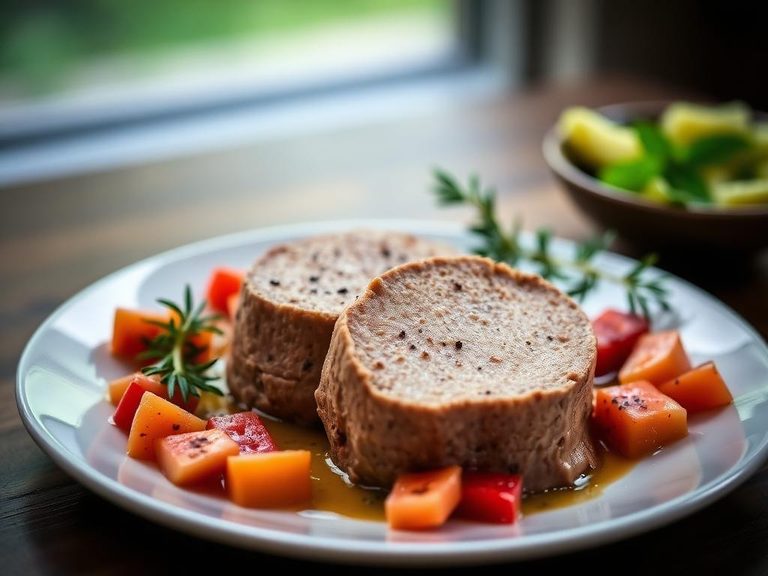
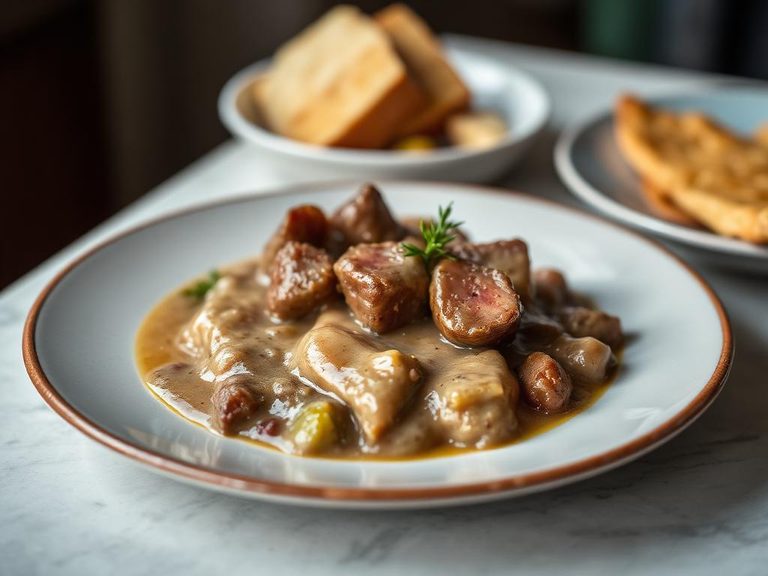
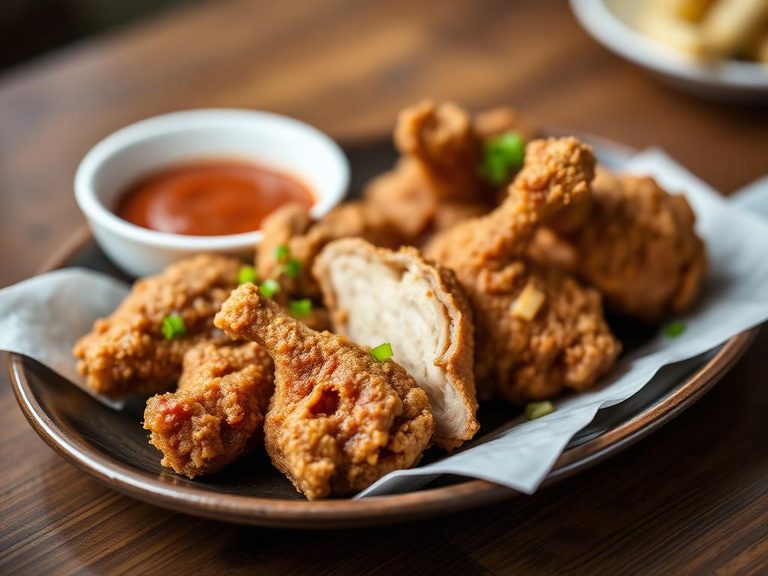
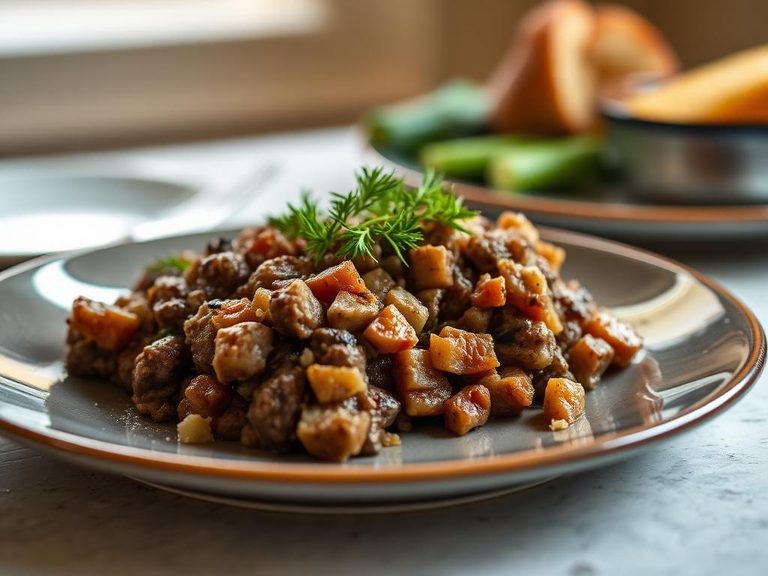
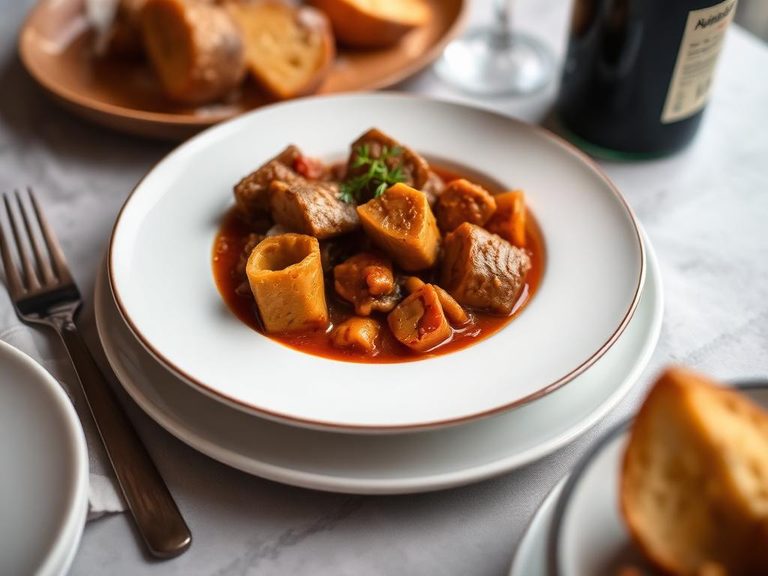
🌍 Where it's eaten
💡 Did you know?
A chicken's gizzard is a muscular part of its stomach that it uses to grind up food, often with the help of swallowed grit or small stones.
Full nutrition (USDA data · scales with serving)
| Water | 64.0 g |
| Energy | 194 kcal |
| Energy | 812 kj |
| Protein | 25.7 g |
| Total lipid (fat) | 9.3 g |
| Ash | 0.87 g |
| Carbohydrate, by difference | 0.11 g |
| Fiber, total dietary | 0.00 g |
| Calcium, Ca | 13.0 mg |
| Iron, Fe | 6.4 mg |
| Magnesium, Mg | 20.0 mg |
| Phosphorus, P | 223 mg |
| Potassium, K | 154 mg |
| Sodium, Na | 56.0 mg |
| Zinc, Zn | 4.3 mg |
| Copper, Cu | 0.30 mg |
| Manganese, Mn | 0.18 mg |
| Selenium, Se | 90.4 ug |
| Vitamin C, total ascorbic acid | 5.5 mg |
| Thiamin | 0.09 mg |
| Riboflavin | 1.0 mg |
| Niacin | 5.0 mg |
| Pantothenic acid | 3.0 mg |
| Vitamin B-6 | 0.41 mg |
| Folate, total | 367 ug |
| Folic acid | 0.00 ug |
| Folate, food | 367 ug |
| Folate, DFE | 367 ug |
| Vitamin B-12 | 9.5 ug |
| Vitamin A, RAE | 2864 ug |
| Retinol | 2864 ug |
| Vitamin A, IU | 9536 iu |
Fat & fatty acid profile (per 100g)
| Fatty acids, total saturated | 2.7 g |
| SFA 10:0 | 0.00 g |
| SFA 12:0 | 0.00 g |
| SFA 14:0 | 0.04 g |
| SFA 16:0 | 1.7 g |
| SFA 18:0 | 0.76 g |
| Fatty acids, total monounsaturated | 2.9 g |
| MUFA 16:1 | 0.29 g |
| MUFA 18:1 | 2.7 g |
| MUFA 20:1 | 0.00 g |
| MUFA 22:1 | 0.00 g |
| Fatty acids, total polyunsaturated | 1.9 g |
| PUFA 18:2 | 1.4 g |
| PUFA 18:3 | 0.05 g |
| PUFA 20:4 | 0.38 g |
| PUFA 20:5 n-3 (EPA) | 0.00 g |
| PUFA 22:5 n-3 (DPA) | 0.00 g |
| PUFA 22:6 n-3 (DHA) | 0.00 g |
| Cholesterol | 355 mg |
Amino acid profile (per 100g)
| Tryptophan | 0.29 g |
| Threonine | 1.2 g |
| Isoleucine | 1.3 g |
| Leucine | 2.0 g |
| Lysine | 1.9 g |
| Methionine | 0.65 g |
| Cystine | 0.34 g |
| Phenylalanine | 1.2 g |
| Tyrosine | 0.84 g |
| Valine | 1.4 g |
| Arginine | 1.7 g |
| Histidine | 0.60 g |
| Alanine | 1.3 g |
| Aspartic acid | 2.4 g |
| Glutamic acid | 3.9 g |
| Glycine | 1.4 g |
| Proline | 1.3 g |
| Serine | 1.1 g |
FAQ
What parts are in chicken giblets?
Typically, a giblet pack includes the heart, liver, gizzard, and neck of the chicken. The liver is the most delicate and rich-tasting part.
How do I remove the strong 'livery' taste?
Soaking the liver in milk or buttermilk for 30 minutes before cooking can mellow its mineral flavor. Avoid overcooking, which intensifies it.
Is this the same as 'chicken offal'?
Yes, 'giblets' is the common term for the edible internal organs (offal) of poultry, excluding the meat.
Nutrient density (calculated · NRF9.3)
Nutrient Rich Foods index: beneficial nutrients (protein, fiber, vitamins, minerals) minus saturated fat, added sugar & sodium, per 100 kcal.
NRF9.3 index — Fulgoni, Keast & Drewnowski, 2009. Computed from USDA nutrients.
Weight-loss friendliness (composite index)
Energy density 1.94 kcal/g · 53% calories from protein · 0.0 g fiber · 0.0 g sugar per 100 g.
Composite of energy density (Rolls et al., 1999), protein & fiber satiety, minus sugar. A calculated heuristic — ranks satiety-per-calorie, not a clinical measure.
Dietary load (calculated from USDA values)
Potential renal acid load. Positive = acid-forming, negative = alkaline-forming.
Sodium-to-potassium ratio: 0.36 (lower is better — aim for ≤ 1)
Sodium:potassium per WHO potassium guidance. Computed from USDA nutrients.