

Chicken, broilers or fryers, giblets, cooked, fried
Whole food · Poultry Products
Fried chicken giblets are a rich, savory mix of heart, liver, and gizzard, offering a deeply meaty, iron-forward flavor with a uniquely chewy and tender texture. This dish is a protein powerhouse, delivering over 32 grams of protein per 100 grams with a moderate fat content. It's a classic comfort food, prized for its intense, concentrated poultry taste that is far more robust than white meat.
Calorie split: 48% protein · 6% carbs · 45% fat
↓ Full nutrition💚 Why it's loved
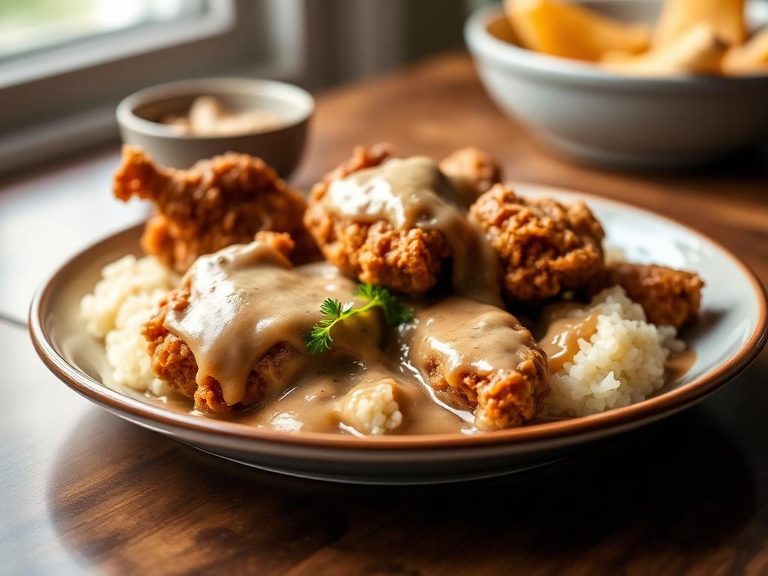
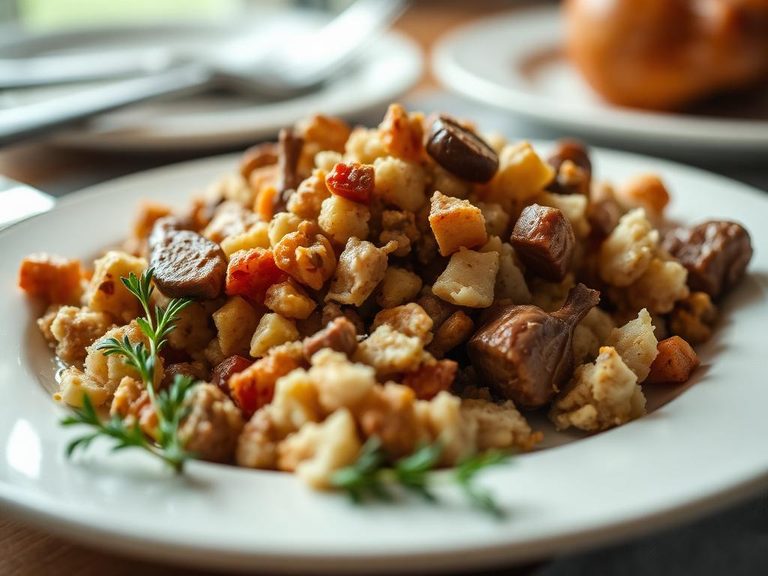
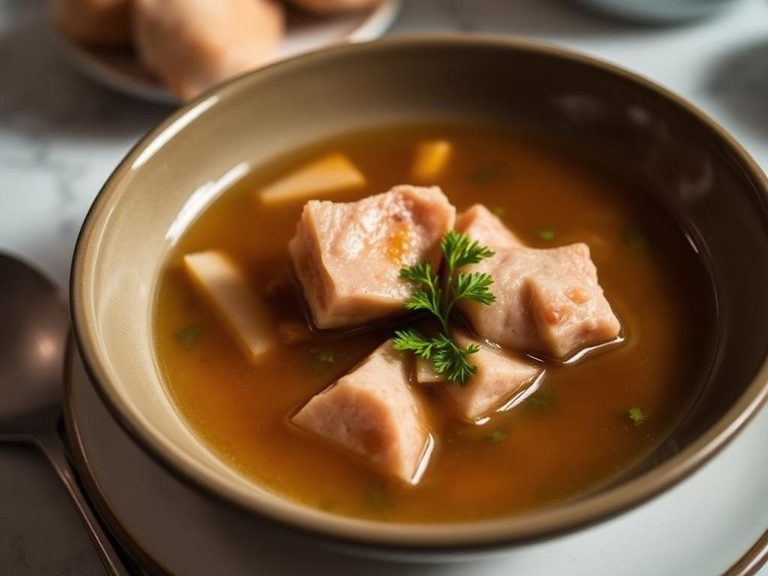
People love fried giblets for their bold, uncompromising flavor and satisfyingly dense, chewy texture that stands up to bold seasonings. They are a beloved staple in Southern U.S. soul food and many global cuisines, often served as a hearty side dish or a flavorful component in gravies and stuffing.
⚠️ Watch-outs & how to enjoy it better
The high cholesterol and saturated fat content in organs like liver and heart may be a concern for some individuals. The dense, chewy texture of gizzards can be off-putting to those unfamiliar with it. To mitigate, practice portion control, pair with fiber-rich vegetables, and ensure thorough cleaning and proper cooking to tenderize the gizzards.
Key benefits
- Extremely high in protein, supporting muscle maintenance and satiety.
- Excellent source of heme iron, which is more easily absorbed than plant-based iron.
- Rich in B vitamins, particularly B12 and niacin, crucial for energy metabolism.
- Contains selenium and zinc, minerals important for immune function.
- Provides a nutrient-dense way to use the whole animal, reducing food waste.
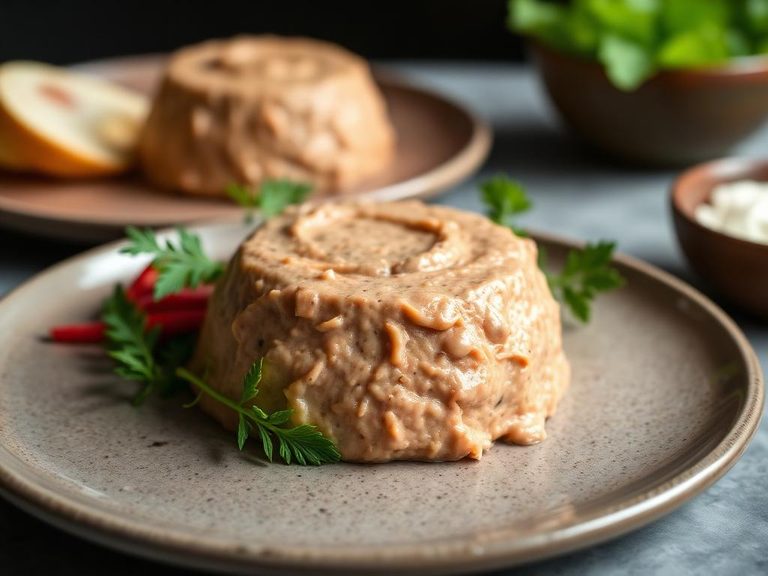
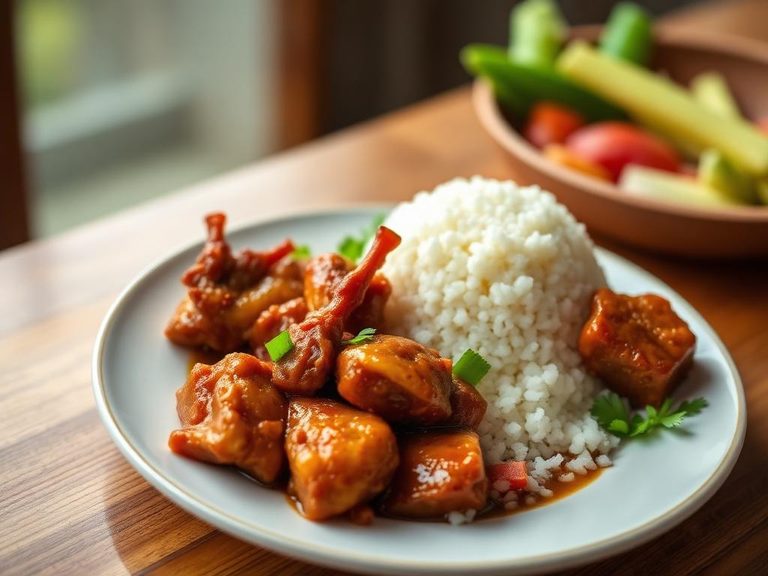
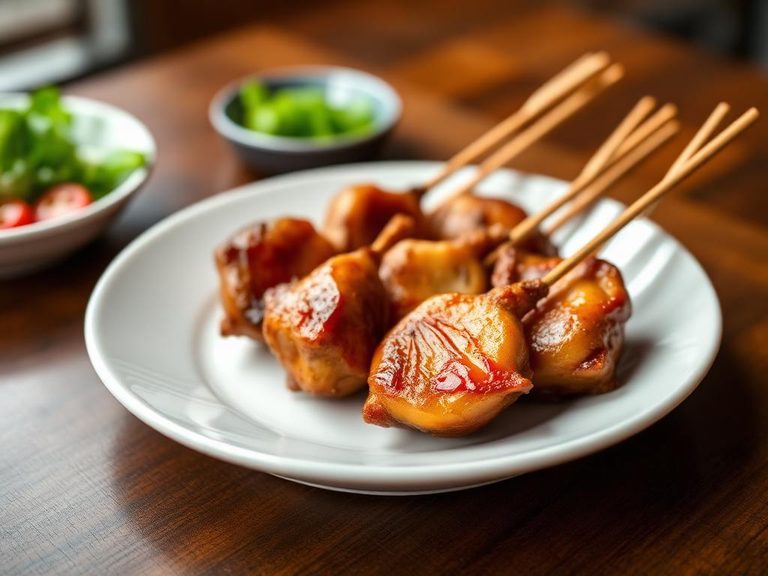
🍽️ Popular dishes
🌍 Where it's eaten
💡 Did you know?
Chicken gizzards are actually a muscular part of the bird's stomach that uses ingested grit, like small stones, to grind up food since chickens lack teeth.
Full nutrition (USDA data · scales with serving)
| Water | 47.9 g |
| Energy | 277 kcal |
| Energy | 1159 kj |
| Protein | 32.5 g |
| Total lipid (fat) | 13.5 g |
| Ash | 1.8 g |
| Carbohydrate, by difference | 4.3 g |
| Fiber, total dietary | 0.00 g |
| Calcium, Ca | 18.0 mg |
| Iron, Fe | 10.3 mg |
| Magnesium, Mg | 25.0 mg |
| Phosphorus, P | 286 mg |
| Potassium, K | 330 mg |
| Sodium, Na | 113 mg |
| Zinc, Zn | 6.3 mg |
| Copper, Cu | 0.42 mg |
| Manganese, Mn | 0.22 mg |
| Selenium, Se | 104 ug |
| Vitamin C, total ascorbic acid | 8.7 mg |
| Thiamin | 0.10 mg |
| Riboflavin | 1.5 mg |
| Niacin | 11.0 mg |
| Pantothenic acid | 4.5 mg |
| Vitamin B-6 | 0.61 mg |
| Folate, total | 379 ug |
| Folic acid | 0.00 ug |
| Folate, food | 379 ug |
| Folate, DFE | 379 ug |
| Vitamin B-12 | 13.3 ug |
| Vitamin A, RAE | 3582 ug |
| Retinol | 3582 ug |
| Vitamin A, IU | 11929 iu |
Fat & fatty acid profile (per 100g)
| Fatty acids, total saturated | 3.8 g |
| SFA 10:0 | 0.00 g |
| SFA 12:0 | 0.00 g |
| SFA 14:0 | 0.06 g |
| SFA 16:0 | 2.1 g |
| SFA 18:0 | 1.4 g |
| Fatty acids, total monounsaturated | 4.4 g |
| MUFA 16:1 | 0.29 g |
| MUFA 18:1 | 4.1 g |
| MUFA 20:1 | 0.01 g |
| MUFA 22:1 | 0.00 g |
| Fatty acids, total polyunsaturated | 3.4 g |
| PUFA 18:2 | 2.7 g |
| PUFA 18:3 | 0.13 g |
| PUFA 20:4 | 0.48 g |
| PUFA 20:5 n-3 (EPA) | 0.01 g |
| PUFA 22:5 n-3 (DPA) | 0.01 g |
| PUFA 22:6 n-3 (DHA) | 0.04 g |
| Cholesterol | 446 mg |
Amino acid profile (per 100g)
| Tryptophan | 0.37 g |
| Threonine | 1.5 g |
| Isoleucine | 1.6 g |
| Leucine | 2.6 g |
| Lysine | 2.3 g |
| Methionine | 0.81 g |
| Cystine | 0.44 g |
| Phenylalanine | 1.5 g |
| Tyrosine | 1.1 g |
| Valine | 1.7 g |
| Arginine | 2.2 g |
| Histidine | 0.76 g |
| Alanine | 1.6 g |
| Aspartic acid | 3.0 g |
| Glutamic acid | 5.1 g |
| Glycine | 1.8 g |
| Proline | 1.7 g |
| Serine | 1.4 g |
FAQ
What exactly are chicken giblets?
Chicken giblets are the edible internal organs of the bird, typically including the heart, liver, gizzard, and neck. The term 'giblets' is often used as a collective name for these parts.
How do I make fried chicken giblets tender?
The key is to tenderize the gizzards first. They should be simmered in water or broth for 1-2 hours until fork-tender before being breaded and fried. The liver and heart cook much faster and can be added later or fried directly.
Are chicken giblets nutritious?
Yes, they are very nutrient-dense. They are exceptionally high in protein, iron, and B vitamins. However, they are also high in cholesterol and fat, so they are best enjoyed in moderation as part of a balanced diet.
Nutrient density (calculated · NRF9.3)
Nutrient Rich Foods index: beneficial nutrients (protein, fiber, vitamins, minerals) minus saturated fat, added sugar & sodium, per 100 kcal.
NRF9.3 index — Fulgoni, Keast & Drewnowski, 2009. Computed from USDA nutrients.
Weight-loss friendliness (composite index)
Energy density 2.77 kcal/g · 47% calories from protein · 0.0 g fiber · 0.0 g sugar per 100 g.
Composite of energy density (Rolls et al., 1999), protein & fiber satiety, minus sugar. A calculated heuristic — ranks satiety-per-calorie, not a clinical measure.
Dietary load (calculated from USDA values)
Potential renal acid load. Positive = acid-forming, negative = alkaline-forming.
Sodium-to-potassium ratio: 0.34 (lower is better — aim for ≤ 1)
Sodium:potassium per WHO potassium guidance. Computed from USDA nutrients.