

Chard, raw
Common food

Photo: Wikipedia
Swiss chard is a leafy green with vibrant, often multi-colored stems and large, crinkly leaves. When raw, it has a fresh, slightly earthy flavor with a hint of bitterness, and a texture that ranges from crisp stems to tender leaves. It's a nutritional powerhouse, offering exceptional amounts of vitamins K and A, along with magnesium and potassium, all for a very low calorie count.
Calorie split: 30% protein · 62% carbs · 8% fat
↓ Full nutrition💚 Why it's loved
People love chard for its stunning visual appeal in the garden and on the plate, with stems in shades of red, yellow, and pink. Its mild, versatile flavor allows it to be used raw in salads or cooked in countless ways, making it a staple in many healthy and traditional cuisines.
⚠️ Watch-outs & how to enjoy it better
Chard contains oxalates, which can bind to minerals like calcium and may be a concern for individuals prone to kidney stones. To reduce oxalate content, it's best to cook chard (boiling and discarding the water is most effective) and to consume it as part of a varied diet, not in excessive daily quantities. Its earthy flavor can also be an acquired taste for some.
Key benefits
- Extremely high in vitamin K, essential for bone health and blood clotting.
- Rich in vitamin A (as beta-carotene), supporting vision and immune function.
- Good source of magnesium, involved in muscle and nerve function.
- Provides potassium, which helps regulate blood pressure.
- Contains antioxidants like lutein and zeaxanthin, beneficial for eye health.
🍽️ Popular dishes
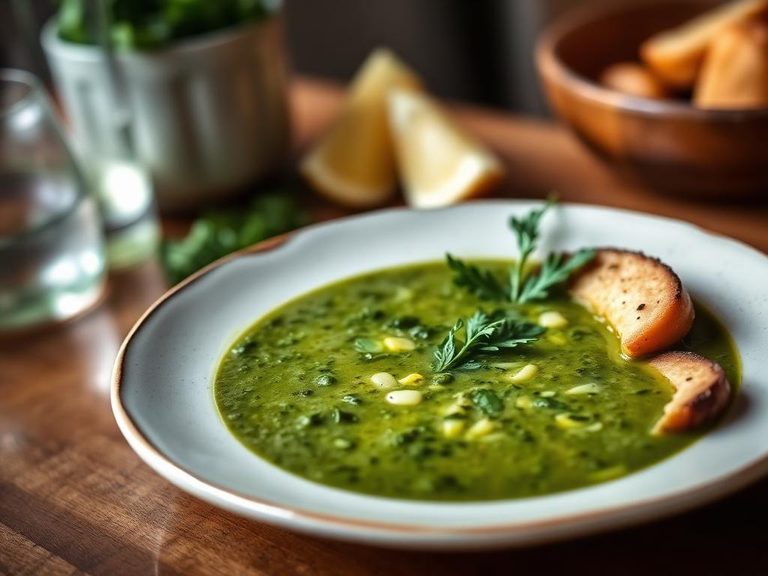
🌍 Where it's eaten
💡 Did you know?
The colorful stems of Swiss chard are not from a different plant; the vibrant hues are due to different concentrations of betalain pigments, the same compounds that give beets their red color.
Full nutrition (USDA data · scales with serving)
| Water | 92.7 g |
| Energy | 19.0 kcal |
| Protein | 1.8 g |
| Total lipid (fat) | 0.20 g |
| Carbohydrate, by difference | 3.7 g |
| Fiber, total dietary | 1.6 g |
| Total Sugars | 1.1 g |
| Calcium, Ca | 51.0 mg |
| Iron, Fe | 1.8 mg |
| Magnesium, Mg | 81.0 mg |
| Phosphorus, P | 46.0 mg |
| Potassium, K | 379 mg |
| Sodium, Na | 213 mg |
| Zinc, Zn | 0.36 mg |
| Copper, Cu | 0.18 mg |
| Selenium, Se | 0.90 ug |
| Vitamin C, total ascorbic acid | 30.0 mg |
| Thiamin | 0.04 mg |
| Riboflavin | 0.09 mg |
| Niacin | 0.40 mg |
| Vitamin B-6 | 0.10 mg |
| Folate, total | 14.0 ug |
| Folic acid | 0.00 ug |
| Folate, food | 14.0 ug |
| Folate, DFE | 14.0 ug |
| Choline, total | 18.0 mg |
| Vitamin B-12 | 0.00 ug |
| Vitamin B-12, added | 0.00 ug |
| Vitamin A, RAE | 306 ug |
| Retinol | 0.00 ug |
| Carotene, beta | 3647 ug |
| Carotene, alpha | 45.0 ug |
| Cryptoxanthin, beta | 0.00 ug |
| Lycopene | 0.00 ug |
| Lutein + zeaxanthin | 11000 ug |
| Vitamin E (alpha-tocopherol) | 1.9 mg |
| Vitamin E, added | 0.00 mg |
| Vitamin D (D2 + D3) | 0.00 ug |
| Vitamin K (phylloquinone) | 830 ug |
| Alcohol, ethyl | 0.00 g |
| Caffeine | 0.00 mg |
| Theobromine | 0.00 mg |
Fat & fatty acid profile (per 100g)
| Fatty acids, total saturated | 0.03 g |
| SFA 4:0 | 0.00 g |
| SFA 6:0 | 0.00 g |
| SFA 8:0 | 0.00 g |
| SFA 10:0 | 0.00 g |
| SFA 12:0 | 0.00 g |
| SFA 14:0 | 0.00 g |
| SFA 16:0 | 0.03 g |
| SFA 18:0 | 0.00 g |
| Fatty acids, total monounsaturated | 0.04 g |
| MUFA 16:1 | 0.00 g |
| MUFA 18:1 | 0.04 g |
| MUFA 20:1 | 0.00 g |
| MUFA 22:1 | 0.00 g |
| Fatty acids, total polyunsaturated | 0.07 g |
| PUFA 18:2 | 0.06 g |
| PUFA 18:3 | 0.01 g |
| PUFA 18:4 | 0.00 g |
| PUFA 20:4 | 0.00 g |
| PUFA 20:5 n-3 (EPA) | 0.00 g |
| PUFA 22:5 n-3 (DPA) | 0.00 g |
| PUFA 22:6 n-3 (DHA) | 0.00 g |
| Cholesterol | 0.00 mg |
Amino acid profile (per 100g)
Estimated from Chard, swiss, cooked, boiled, drained, with salt — USDA does not publish this profile for Chard.
| Tryptophan | 0.02 g |
| Threonine | 0.09 g |
| Isoleucine | 0.15 g |
| Leucine | 0.14 g |
| Lysine | 0.10 g |
| Methionine | 0.02 g |
| Phenylalanine | 0.11 g |
| Valine | 0.11 g |
| Arginine | 0.12 g |
| Histidine | 0.04 g |
FAQ
What's the difference between Swiss chard and spinach?
They are different plants. Chard has thicker, more prominent stems and larger leaves with a slightly more robust, earthy flavor. Spinach has smaller, more tender leaves and a milder taste. Nutritionally, both are excellent, but chard is notably higher in vitamin K and magnesium.
Can I eat chard stems?
Absolutely! The stems are edible and delicious. They are crisp and have a flavor similar to celery. For even cooking, separate the stems from the leaves, chop the stems, and sauté them for a few minutes before adding the quicker-cooking leaves.
Is raw chard safe to eat?
Yes, raw chard is safe and nutritious. Its sturdy leaves make it a good addition to salads, though massaging the leaves with a little dressing can help soften them. As with all leafy greens, wash it thoroughly.
Nutrient density (calculated · NRF9.3)
Nutrient Rich Foods index: beneficial nutrients (protein, fiber, vitamins, minerals) minus saturated fat, added sugar & sodium, per 100 kcal.
NRF9.3 index — Fulgoni, Keast & Drewnowski, 2009. Computed from USDA nutrients.
Weight-loss friendliness (composite index)
Energy density 0.19 kcal/g · 38% calories from protein · 1.6 g fiber · 1.1 g sugar per 100 g.
Composite of energy density (Rolls et al., 1999), protein & fiber satiety, minus sugar. A calculated heuristic — ranks satiety-per-calorie, not a clinical measure.
Dietary load (calculated from USDA values)
Potential renal acid load. Positive = acid-forming, negative = alkaline-forming.
Sodium-to-potassium ratio: 0.56 (lower is better — aim for ≤ 1)
Sodium:potassium per WHO potassium guidance. Computed from USDA nutrients.