

Chard, cooked
Common food

Photo: Wikipedia
Cooked Swiss chard is a tender, leafy green with a vibrant, earthy flavor and a texture ranging from silky leaves to pleasantly crunchy stems. It's a nutritional powerhouse, offering exceptional levels of vitamins K and A, along with a good dose of magnesium and potassium for its low calorie count.
Calorie split: 15% protein · 31% carbs · 53% fat
↓ Full nutrition💚 Why it's loved
People adore chard for its robust, slightly sweet and earthy flavor that stands up beautifully to garlic, olive oil, and lemon. Its versatility is key—it can be sautéed, braised, added to soups, or used as a wrap, making it a staple in many kitchens.
⚠️ Watch-outs & how to enjoy it better
Chard contains oxalates, which can bind to minerals like calcium and may be a concern for those prone to kidney stones. To mitigate this, cook it in plenty of water (which leaches oxalates) and pair it with calcium-rich foods like cheese or beans to improve mineral absorption.
Key benefits
- Exceptionally high in vitamin K for bone health.
- Rich in vitamin A (as beta-carotene) for vision and immunity.
- Good source of magnesium and potassium for muscle and nerve function.
- Provides antioxidants like beta-carotene and flavonoids.
- Low in calories with a decent amount of fiber.
🍽️ Popular dishes
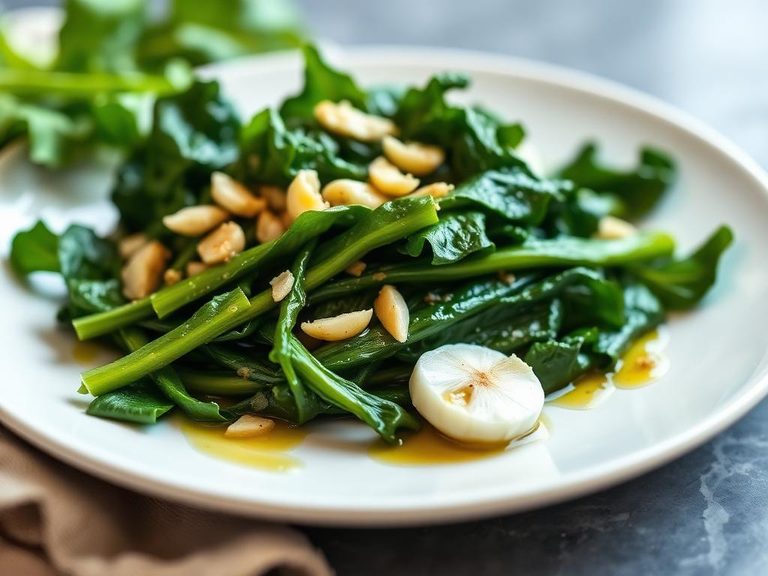
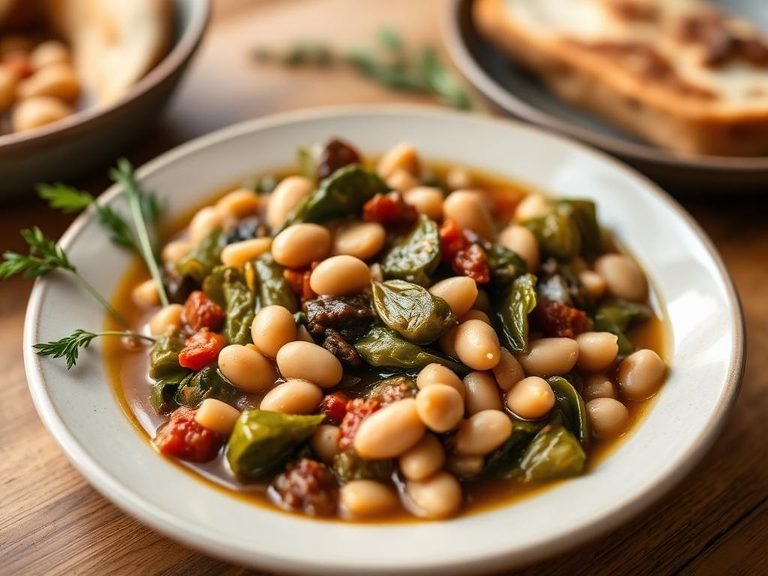
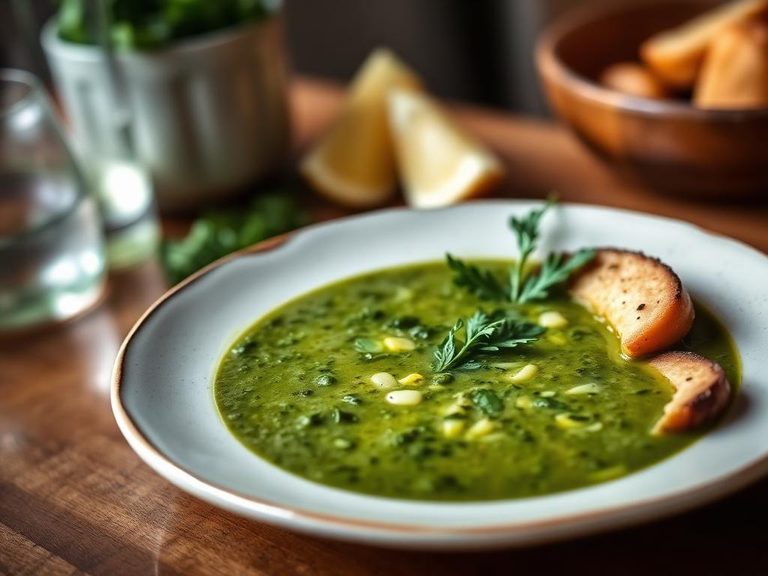
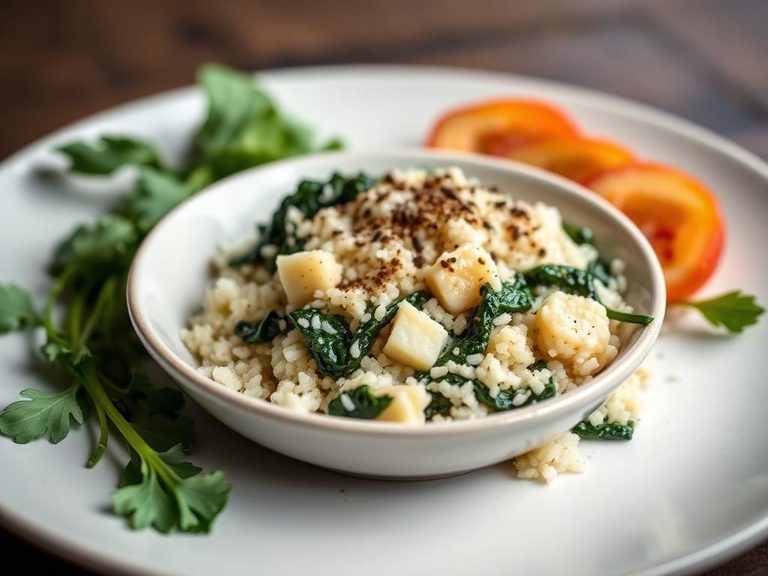
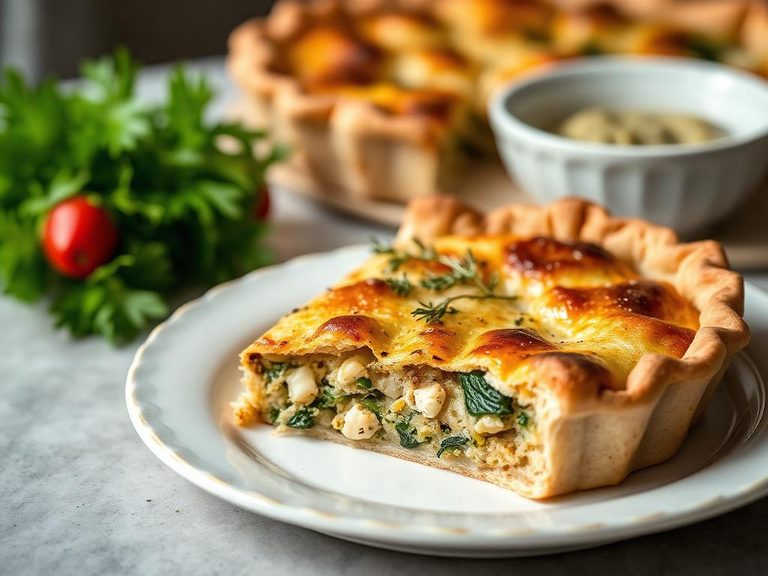
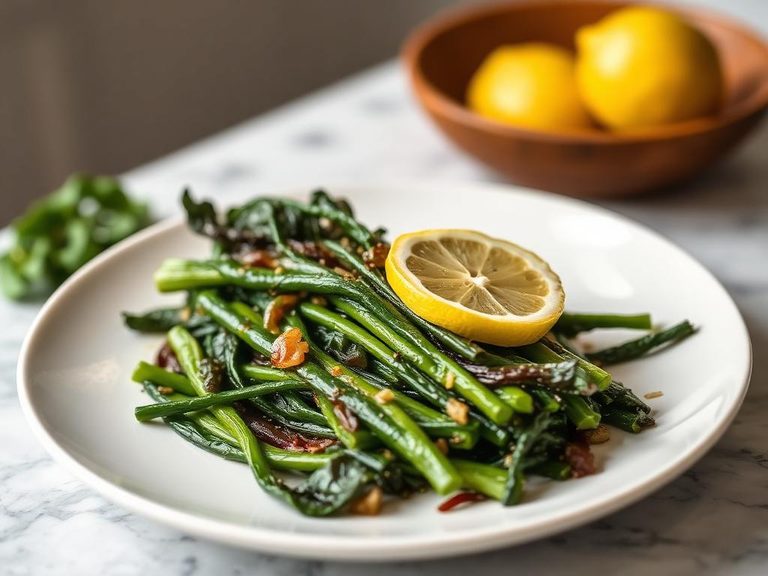
🌍 Where it's eaten
💡 Did you know?
The colorful stems of rainbow chard aren't just for show—their vibrant pigments come from betalain antioxidants, the same compounds that give beets their deep red color.
Full nutrition (USDA data · scales with serving)
| Water | 89.3 g |
| Energy | 44.0 kcal |
| Protein | 1.9 g |
| Total lipid (fat) | 3.0 g |
| Carbohydrate, by difference | 3.9 g |
| Fiber, total dietary | 1.7 g |
| Total Sugars | 1.1 g |
| Calcium, Ca | 54.0 mg |
| Iron, Fe | 1.9 mg |
| Magnesium, Mg | 84.0 mg |
| Phosphorus, P | 48.0 mg |
| Potassium, K | 395 mg |
| Sodium, Na | 352 mg |
| Zinc, Zn | 0.38 mg |
| Copper, Cu | 0.19 mg |
| Selenium, Se | 0.90 ug |
| Vitamin C, total ascorbic acid | 21.9 mg |
| Thiamin | 0.04 mg |
| Riboflavin | 0.09 mg |
| Niacin | 0.40 mg |
| Vitamin B-6 | 0.12 mg |
| Folate, total | 11.0 ug |
| Folic acid | 0.00 ug |
| Folate, food | 11.0 ug |
| Folate, DFE | 11.0 ug |
| Choline, total | 19.0 mg |
| Vitamin B-12 | 0.00 ug |
| Vitamin B-12, added | 0.00 ug |
| Vitamin A, RAE | 315 ug |
| Retinol | 12.0 ug |
| Carotene, beta | 3612 ug |
| Carotene, alpha | 45.0 ug |
| Cryptoxanthin, beta | 0.00 ug |
| Lycopene | 0.00 ug |
| Lutein + zeaxanthin | 10878 ug |
| Vitamin E (alpha-tocopherol) | 2.4 mg |
| Vitamin E, added | 0.00 mg |
| Vitamin D (D2 + D3) | 0.00 ug |
| Vitamin K (phylloquinone) | 866 ug |
| Alcohol, ethyl | 0.00 g |
| Caffeine | 0.00 mg |
| Theobromine | 0.00 mg |
Fat & fatty acid profile (per 100g)
| Fatty acids, total saturated | 0.75 g |
| SFA 4:0 | 0.02 g |
| SFA 6:0 | 0.01 g |
| SFA 8:0 | 0.01 g |
| SFA 10:0 | 0.02 g |
| SFA 12:0 | 0.02 g |
| SFA 14:0 | 0.07 g |
| SFA 16:0 | 0.42 g |
| SFA 18:0 | 0.15 g |
| Fatty acids, total monounsaturated | 1.0 g |
| MUFA 16:1 | 0.01 g |
| MUFA 18:1 | 0.98 g |
| MUFA 20:1 | 0.01 g |
| MUFA 22:1 | 0.00 g |
| Fatty acids, total polyunsaturated | 0.86 g |
| PUFA 18:2 | 0.76 g |
| PUFA 18:3 | 0.10 g |
| PUFA 18:4 | 0.00 g |
| PUFA 20:4 | 0.00 g |
| PUFA 20:5 n-3 (EPA) | 0.00 g |
| PUFA 22:5 n-3 (DPA) | 0.00 g |
| PUFA 22:6 n-3 (DHA) | 0.00 g |
| Cholesterol | 2.0 mg |
Amino acid profile (per 100g)
Estimated from Chard, swiss, cooked, boiled, drained, with salt — USDA does not publish this profile for Chard.
| Tryptophan | 0.02 g |
| Threonine | 0.09 g |
| Isoleucine | 0.15 g |
| Leucine | 0.14 g |
| Lysine | 0.10 g |
| Methionine | 0.02 g |
| Phenylalanine | 0.11 g |
| Valine | 0.11 g |
| Arginine | 0.12 g |
| Histidine | 0.04 g |
FAQ
What's the difference between Swiss chard and spinach?
Chard has a thicker, more celery-like stem and a slightly more bitter, earthy flavor than spinach. Nutritionally, chard is significantly higher in vitamins K and A, while spinach has more folate and iron.
Should I eat the colorful stems of rainbow chard?
Yes! The stems are edible and nutritious. They have a texture similar to celery and a milder flavor than the leaves. Chop them and cook them for a few minutes before adding the leaves, as they take longer to become tender.
How do I reduce the bitterness in cooked chard?
A simple sauté with garlic, olive oil, and a splash of acid like lemon juice or vinegar at the end brightens the flavor and balances any bitterness. Cooking it with a bit of sweet onion or a pinch of sugar can also help.
Nutrient density (calculated · NRF9.3)
Nutrient Rich Foods index: beneficial nutrients (protein, fiber, vitamins, minerals) minus saturated fat, added sugar & sodium, per 100 kcal.
NRF9.3 index — Fulgoni, Keast & Drewnowski, 2009. Computed from USDA nutrients.
Weight-loss friendliness (composite index)
Energy density 0.44 kcal/g · 17% calories from protein · 1.7 g fiber · 1.1 g sugar per 100 g.
Composite of energy density (Rolls et al., 1999), protein & fiber satiety, minus sugar. A calculated heuristic — ranks satiety-per-calorie, not a clinical measure.
Dietary load (calculated from USDA values)
Potential renal acid load. Positive = acid-forming, negative = alkaline-forming.
Sodium-to-potassium ratio: 0.89 (lower is better — aim for ≤ 1)
Sodium:potassium per WHO potassium guidance. Computed from USDA nutrients.