Chard, swiss, cooked, boiled, drained, with salt
Whole food · Vegetables and Vegetable Products

Photo: Wikipedia
Swiss chard, once boiled and drained, transforms into a tender, silky green with a deep, earthy flavor and a subtle, pleasant bitterness. Its vibrant stems and leaves soften into a succulent texture that readily absorbs seasonings. Nutritionally, it's a powerhouse of vitamins and minerals while remaining exceptionally low in calories.
💚 Why it's loved
People love it for its robust, mineral-rich flavor that pairs beautifully with garlic, lemon, and olive oil, making it a versatile side dish. It's a cornerstone of rustic Mediterranean and Tuscan cooking, often celebrated in simple, traditional preparations.
⚠️ Watch-outs & how to enjoy it better
The natural oxalates can bind calcium and may be a concern for those prone to kidney stones. Its high vitamin K content requires consistent intake for individuals on blood-thinning medication. To mitigate oxalates, always boil and drain it as in this preparation, and pair with a calcium source like cheese or yogurt.
Key benefits
- Excellent source of vitamins K, A, and C
- Rich in magnesium and potassium for electrolyte balance
- High in antioxidants like betalains and flavonoids
- Provides dietary fiber for digestive health
- Very low in calories and fat
🍽️ Popular dishes
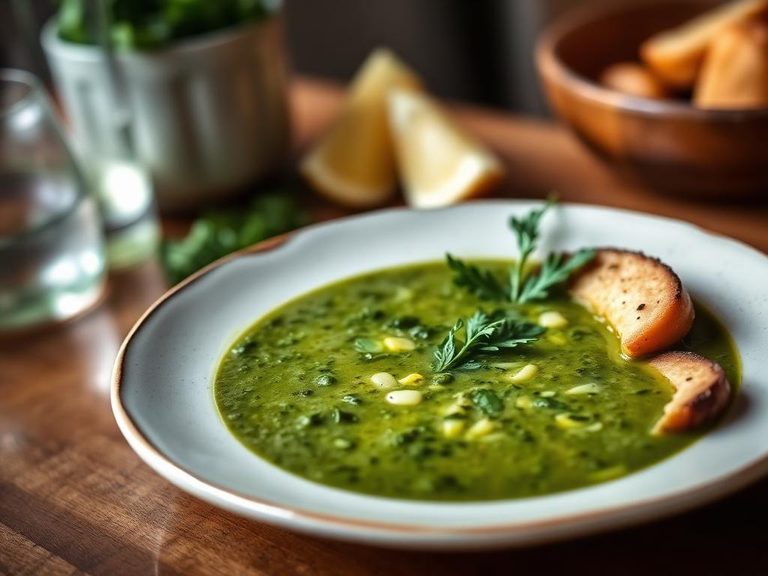
🌍 Where it's eaten
💡 Did you know?
The colorful stems of Swiss chard varieties like 'Bright Lights' or 'Rainbow' contain betalain pigments, the same antioxidants that give beets their red color.
Full nutrition (scales with serving)
| Water | 92.7 g |
| Energy | 20.0 kcal |
| Energy | 84.0 kj |
| Protein | 1.9 g |
| Total lipid (fat) | 0.08 g |
| Ash | 1.3 g |
| Carbohydrate, by difference | 4.1 g |
| Fiber, total dietary | 2.1 g |
| Total Sugars | 1.1 g |
| Calcium, Ca | 58.0 mg |
| Iron, Fe | 2.3 mg |
| Magnesium, Mg | 86.0 mg |
| Phosphorus, P | 33.0 mg |
| Potassium, K | 549 mg |
| Sodium, Na | 415 mg |
| Zinc, Zn | 0.33 mg |
| Copper, Cu | 0.16 mg |
| Manganese, Mn | 0.33 mg |
| Selenium, Se | 0.90 ug |
| Vitamin C, total ascorbic acid | 18.0 mg |
| Thiamin | 0.03 mg |
| Riboflavin | 0.09 mg |
| Niacin | 0.36 mg |
| Pantothenic acid | 0.16 mg |
| Vitamin B-6 | 0.09 mg |
| Folate, total | 9.0 ug |
| Folic acid | 0.00 ug |
| Folate, food | 9.0 ug |
| Folate, DFE | 9.0 ug |
| Choline, total | 28.7 mg |
| Betaine | 0.10 mg |
| Vitamin B-12 | 0.00 ug |
| Vitamin B-12, added | 0.00 ug |
| Vitamin A, RAE | 306 ug |
| Retinol | 0.00 ug |
| Carotene, beta | 3652 ug |
| Carotene, alpha | 45.0 ug |
| Cryptoxanthin, beta | 0.00 ug |
| Vitamin A, IU | 6124 iu |
| Lycopene | 0.00 ug |
| Lutein + zeaxanthin | 11015 ug |
| Vitamin E (alpha-tocopherol) | 1.9 mg |
| Vitamin E, added | 0.00 mg |
| Vitamin D (D2 + D3), International Units | 0.00 iu |
| Vitamin D (D2 + D3) | 0.00 ug |
| Vitamin K (phylloquinone) | 327 ug |
| Caffeine | 0.00 mg |
| Theobromine | 0.00 mg |
Fat & fatty acid profile (per 100g)
| Fatty acids, total trans | 0.00 g |
| Cholesterol | 0.00 mg |
Amino acid profile (per 100g)
| Tryptophan | 0.02 g |
| Threonine | 0.09 g |
| Isoleucine | 0.15 g |
| Leucine | 0.14 g |
| Lysine | 0.10 g |
| Methionine | 0.02 g |
| Phenylalanine | 0.11 g |
| Valine | 0.11 g |
| Arginine | 0.12 g |
| Histidine | 0.04 g |
FAQ
How is boiled Swiss chard different from raw?
Boiling softens the leaves and stems, reduces bitterness, and makes the nutrients more digestible. It also helps leach out some oxalates, which is why draining the water is recommended.
Why should I drain it after boiling?
Draining discards the cooking water, which contains a significant portion of the soluble oxalates and some sodium (if salt was added), making the final dish healthier.
Can I use the cooking water for soup?
While possible, it's not ideal if you're concerned about oxalates or sodium. For maximum nutrient retention in a soup, consider steaming or sautéing the chard instead.