

Alcoholic beverage, wine, table, white, Chardonnay
Whole food · Beverages

Photo: Wikipedia
Chardonnay is a versatile white wine, ranging from crisp and citrusy to rich and buttery depending on its winemaking style. Its color can be pale straw to deep gold, often with a smooth, medium-bodied texture. Nutritionally, it's a low-calorie alcoholic beverage, providing a modest amount of carbohydrates and a touch of natural sugar.
Calorie split: 3% protein · 97% carbs · 0% fat
↓ Full nutrition💚 Why it's loved
People love Chardonnay for its incredible adaptability—it can be a refreshing sipper on a warm day or a complex companion to a rich meal. Its cultural prestige, from Burgundy to California, adds to its allure for both casual drinkers and connoisseurs.
⚠️ Watch-outs & how to enjoy it better
The alcohol content can contribute to empty calories and impair judgment if overconsumed. Those monitoring blood sugar should be aware of the residual sugar, and individuals with alcohol sensitivity or certain medications must avoid it. Tip: Opt for a smaller pour (3-4 oz) and pair it with protein-rich foods like cheese or nuts to slow alcohol absorption.
Key benefits
- Low in fat and protein
- Contains antioxidants like resveratrol
- May support heart health in moderation
- Provides a small amount of B vitamins
- Can be part of a balanced social lifestyle
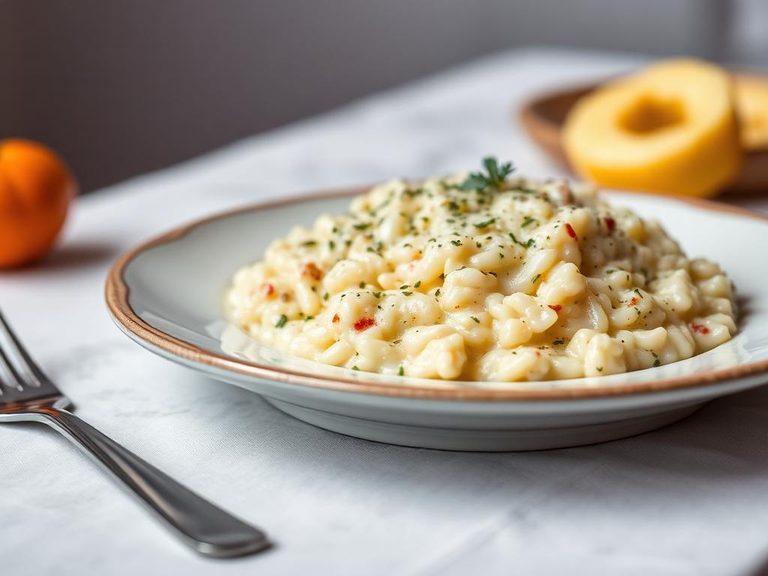
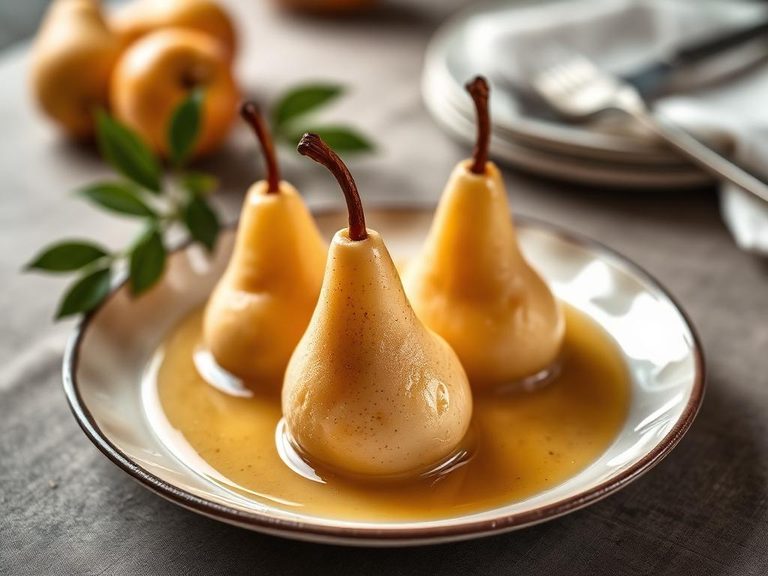
🍽️ Popular dishes
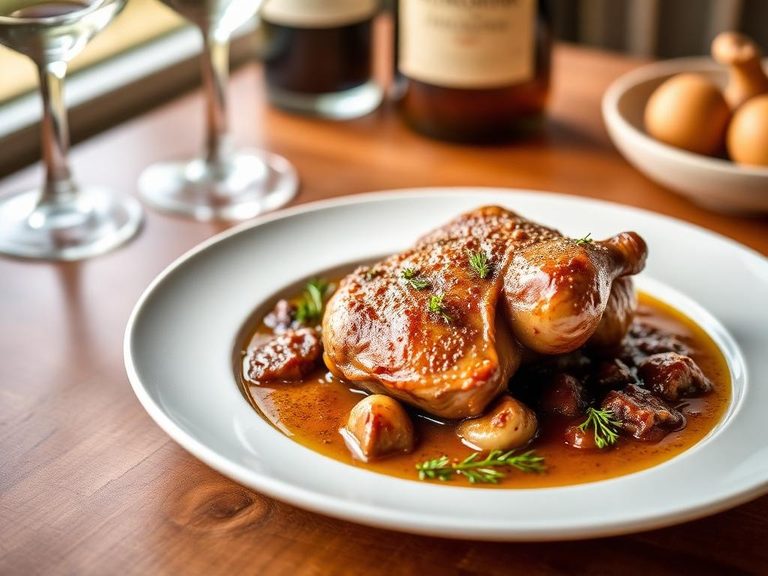
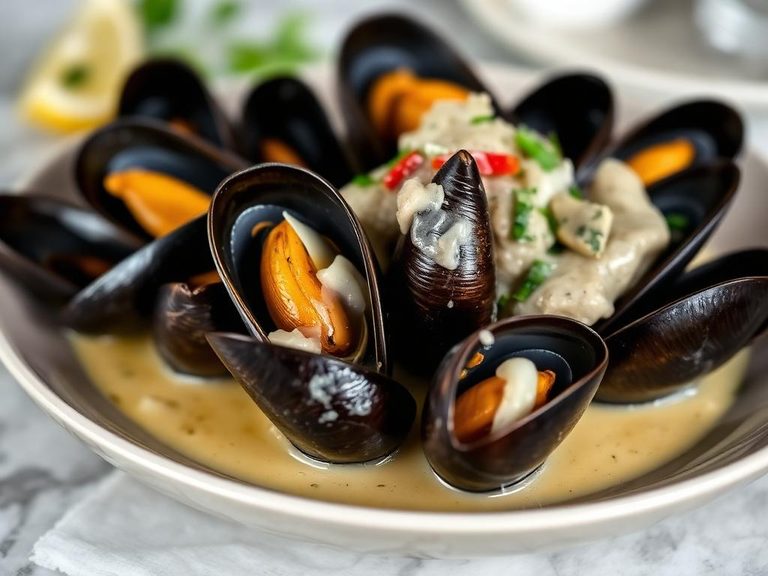
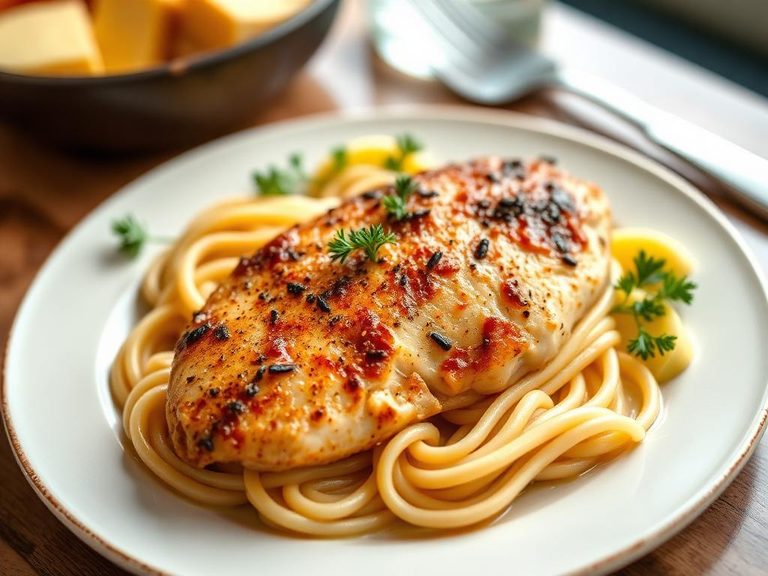
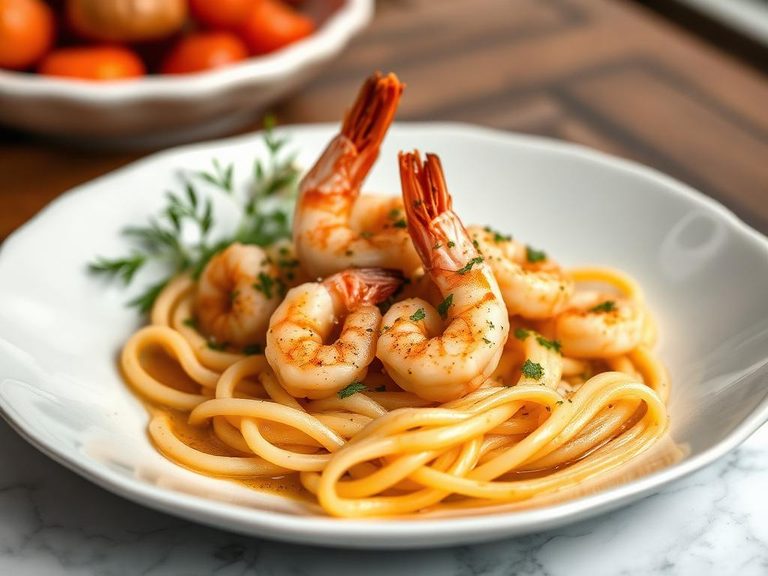
🌍 Where it's eaten
💡 Did you know?
The Chardonnay grape is a natural cross between Pinot Noir and Gouais Blanc, making it a genetic sibling of many other famous varieties like Aligoté and Melon de Bourgogne.
Full nutrition (USDA data · scales with serving)
| Water | 86.8 g |
| Energy | 84.0 kcal |
| Energy | 351 kj |
| Protein | 0.07 g |
| Total lipid (fat) | 0.00 g |
| Ash | 0.22 g |
| Carbohydrate, by difference | 2.2 g |
| Fiber, total dietary | 0.00 g |
| Total Sugars | 0.96 g |
| Calcium, Ca | 9.0 mg |
| Iron, Fe | 0.27 mg |
| Magnesium, Mg | 10.0 mg |
| Phosphorus, P | 18.0 mg |
| Potassium, K | 71.0 mg |
| Sodium, Na | 5.0 mg |
| Zinc, Zn | 0.12 mg |
| Copper, Cu | 0.00 mg |
| Manganese, Mn | 0.12 mg |
| Selenium, Se | 0.10 ug |
| Fluoride, F | 202 ug |
| Vitamin C, total ascorbic acid | 0.00 mg |
| Thiamin | 0.01 mg |
| Riboflavin | 0.01 mg |
| Niacin | 0.11 mg |
| Pantothenic acid | 0.04 mg |
| Vitamin B-6 | 0.05 mg |
| Folate, total | 1.0 ug |
| Folate, food | 1.0 ug |
| Vitamin B-12 | 0.00 ug |
| Alcohol, ethyl | 10.7 g |
Fat & fatty acid profile (per 100g)
| Fatty acids, total trans | 0.00 g |
Amino acid profile (per 100g)
Estimated from Alcoholic beverage, distilled, vodka, 80 proof — USDA does not publish this profile for Alcoholic beverage.
| Tryptophan | 0.00 g |
| Threonine | 0.00 g |
| Isoleucine | 0.00 g |
| Leucine | 0.00 g |
| Lysine | 0.00 g |
| Methionine | 0.00 g |
| Cystine | 0.00 g |
| Phenylalanine | 0.00 g |
| Tyrosine | 0.00 g |
| Valine | 0.00 g |
| Arginine | 0.00 g |
| Histidine | 0.00 g |
| Alanine | 0.00 g |
| Aspartic acid | 0.00 g |
| Glutamic acid | 0.00 g |
| Glycine | 0.00 g |
| Proline | 0.00 g |
| Serine | 0.00 g |
FAQ
What's the difference between oaked and unoaked Chardonnay?
Oaked Chardonnay is aged in wooden barrels, giving it buttery, vanilla, and toast notes with a richer texture. Unoaked Chardonnay is fermented in stainless steel, preserving bright fruit flavors like apple and citrus with a crisper finish.
Is Chardonnay gluten-free?
Yes, pure Chardonnay wine is naturally gluten-free as it is made from grapes, not gluten-containing grains.
How should I serve Chardonnay?
Lighter, unoaked styles are best chilled (45-50°F/7-10°C). Fuller-bodied, oaked Chardonnays can be served slightly warmer (50-55°F/10-13°C) to allow their complex aromas to open up.
Nutrient density (calculated · NRF9.3)
Nutrient Rich Foods index: beneficial nutrients (protein, fiber, vitamins, minerals) minus saturated fat, added sugar & sodium, per 100 kcal.
NRF9.3 index — Fulgoni, Keast & Drewnowski, 2009. Computed from USDA nutrients.
Weight-loss friendliness (composite index)
Energy density 0.84 kcal/g · 0% calories from protein · 0.0 g fiber · 1.0 g sugar per 100 g.
Composite of energy density (Rolls et al., 1999), protein & fiber satiety, minus sugar. A calculated heuristic — ranks satiety-per-calorie, not a clinical measure.
Dietary load (calculated from USDA values)
Potential renal acid load. Positive = acid-forming, negative = alkaline-forming.
Sodium-to-potassium ratio: 0.07 (lower is better — aim for ≤ 1)
Sodium:potassium per WHO potassium guidance. Computed from USDA nutrients.