

Cereals, QUAKER, QUAKER MultiGrain Oatmeal, prepared with water, no salt
Whole food · Breakfast Cereals

Photo: Wikipedia
Quaker MultiGrain Oatmeal is a warm, comforting porridge made from a blend of whole grain oats and other grains, cooked in water to create a creamy, slightly textured bowl. It offers a mild, nutty, and wholesome flavor with a soft, hearty consistency. Nutritionally, it's a low-calorie, high-fiber choice that provides sustained energy without added sugars.
Calorie split: 13% protein · 81% carbs · 6% fat
↓ Full nutrition💚 Why it's loved
People love it for its simple, comforting warmth and the subtle, nutty flavor that acts as a blank canvas for toppings. It's a versatile, quick-cooking staple that fits seamlessly into busy mornings and health-conscious routines.
⚠️ Watch-outs & how to enjoy it better
The plain, water-cooked version can taste bland or mushy to some, and the high fiber content may cause digestive discomfort if introduced too quickly. To enhance flavor, top with nuts, seeds, or a swirl of nut butter for healthy fats and protein, or mix in berries for natural sweetness. For better texture, try cooking it with milk or stirring in a spoonful of Greek yogurt after cooking.
Key benefits
- High in soluble fiber (beta-glucan) from oats
- Low in fat and contains no added sugar
- Provides plant-based protein from a multi-grain blend
- Good source of complex carbohydrates for steady energy
- Naturally cholesterol-free
🍽️ Popular dishes
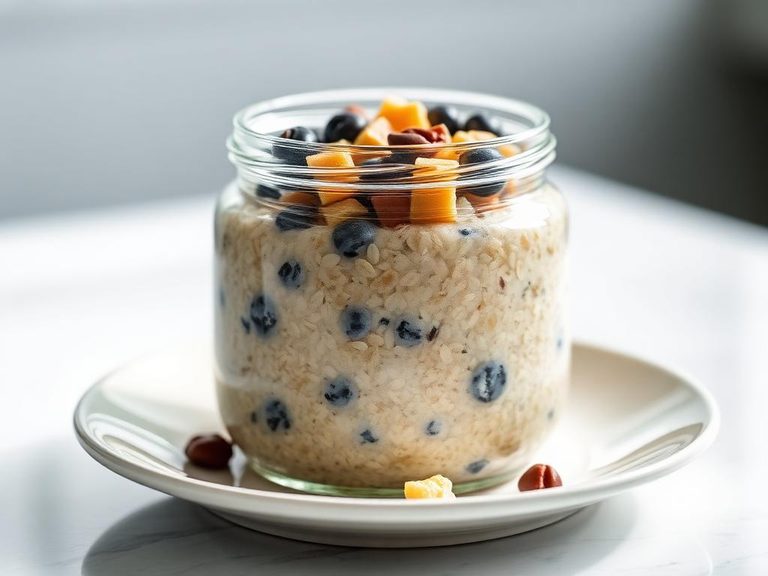
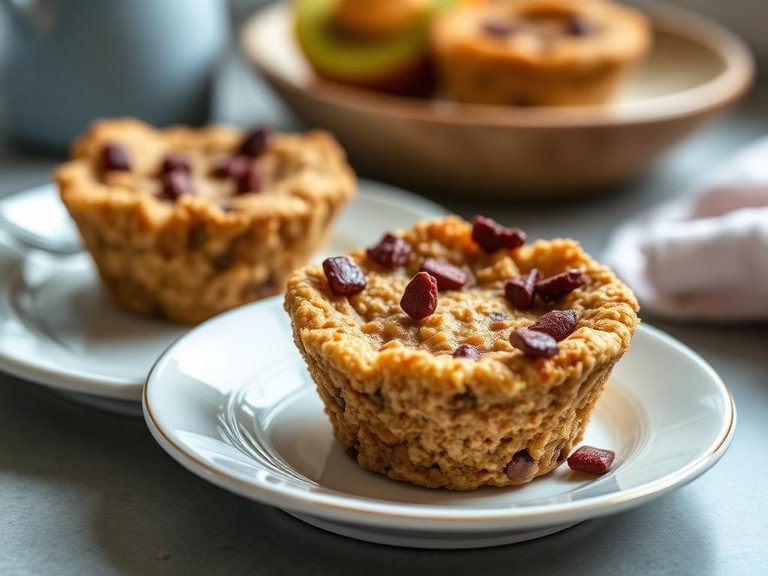
🌍 Where it's eaten
💡 Did you know?
The 'Quaker' name and logo, adopted in 1877, was chosen to symbolize honesty, integrity, and purity—values the company wanted to associate with its products.
Full nutrition (USDA data · scales with serving)
| Water | 83.6 g |
| Energy | 61.0 kcal |
| Energy | 255 kj |
| Protein | 2.1 g |
| Total lipid (fat) | 0.47 g |
| Ash | 0.37 g |
| Carbohydrate, by difference | 13.5 g |
| Fiber, total dietary | 2.2 g |
| Calcium, Ca | 8.0 mg |
| Iron, Fe | 0.56 mg |
| Magnesium, Mg | 22.0 mg |
| Phosphorus, P | 64.0 mg |
| Potassium, K | 75.0 mg |
| Sodium, Na | 3.0 mg |
| Zinc, Zn | 0.61 mg |
| Copper, Cu | 0.09 mg |
| Manganese, Mn | 0.48 mg |
| Vitamin C, total ascorbic acid | 0.00 mg |
| Thiamin | 0.05 mg |
| Riboflavin | 0.02 mg |
| Niacin | 0.66 mg |
| Pantothenic acid | 0.09 mg |
| Vitamin B-6 | 0.04 mg |
| Folate, total | 5.0 ug |
| Folic acid | 4.0 ug |
| Folate, food | 1.0 ug |
| Folate, DFE | 8.0 ug |
| Vitamin B-12 | 0.00 ug |
| Vitamin A, RAE | 0.00 ug |
| Retinol | 0.00 ug |
| Vitamin A, IU | 1.0 iu |
| Alcohol, ethyl | 0.00 g |
| Caffeine | 0.00 mg |
| Theobromine | 0.00 mg |
Fat & fatty acid profile (per 100g)
| Fatty acids, total saturated | 0.10 g |
| SFA 4:0 | 0.00 g |
| SFA 6:0 | 0.00 g |
| SFA 8:0 | 0.00 g |
| SFA 10:0 | 0.00 g |
| SFA 12:0 | 0.00 g |
| SFA 14:0 | 0.00 g |
| SFA 16:0 | 0.07 g |
| SFA 18:0 | 0.00 g |
| Fatty acids, total monounsaturated | 0.10 g |
| MUFA 16:1 | 0.00 g |
| MUFA 18:1 | 0.10 g |
| MUFA 20:1 | 0.00 g |
| MUFA 22:1 | 0.00 g |
| Fatty acids, total polyunsaturated | 0.23 g |
| PUFA 18:2 | 0.17 g |
| PUFA 18:3 | 0.01 g |
| PUFA 18:4 | 0.00 g |
| PUFA 20:4 | 0.00 g |
| PUFA 20:5 n-3 (EPA) | 0.00 g |
| PUFA 22:5 n-3 (DPA) | 0.00 g |
| PUFA 22:6 n-3 (DHA) | 0.00 g |
| Cholesterol | 0.00 mg |
Amino acid profile (per 100g)
Estimated from Cereals ready-to-eat, POST, HONEY BUNCHES OF OATS, honey roasted — USDA does not publish this profile for Cereals.
| Tryptophan | 0.09 g |
| Threonine | 0.24 g |
| Isoleucine | 0.26 g |
| Leucine | 0.80 g |
| Lysine | 0.12 g |
| Methionine | 0.10 g |
| Cystine | 0.11 g |
| Phenylalanine | 0.39 g |
| Tyrosine | 0.21 g |
| Valine | 0.34 g |
| Arginine | 0.24 g |
| Histidine | 0.18 g |
| Alanine | 0.46 g |
| Aspartic acid | 0.48 g |
| Glutamic acid | 1.9 g |
| Glycine | 0.27 g |
| Proline | 0.49 g |
| Serine | 0.38 g |
FAQ
Is this oatmeal gluten-free?
While oats are naturally gluten-free, they are often processed in facilities that handle wheat. Quaker labels this product as not gluten-free. Those with celiac disease or severe gluten sensitivity should choose certified gluten-free oat products.
Why is it prepared with water and not milk?
Preparing with water keeps the calorie, fat, and sugar content very low, making it a light base. You can always use milk (dairy or plant-based) for creaminess and added nutrients, but that will change the nutritional profile.
How does the fiber content affect digestion?
The 2.2g of fiber per 100g is beneficial for gut health and satiety. However, a sudden large increase in fiber intake can cause bloating or gas. It's best to increase fiber gradually and drink plenty of water.
Nutrient density (calculated · NRF9.3)
Nutrient Rich Foods index: beneficial nutrients (protein, fiber, vitamins, minerals) minus saturated fat, added sugar & sodium, per 100 kcal.
NRF9.3 index — Fulgoni, Keast & Drewnowski, 2009. Computed from USDA nutrients.
Weight-loss friendliness (composite index)
Energy density 0.61 kcal/g · 14% calories from protein · 2.2 g fiber · 0.0 g sugar per 100 g.
Composite of energy density (Rolls et al., 1999), protein & fiber satiety, minus sugar. A calculated heuristic — ranks satiety-per-calorie, not a clinical measure.
Dietary load (calculated from USDA values)
Potential renal acid load. Positive = acid-forming, negative = alkaline-forming.
Sodium-to-potassium ratio: 0.04 (lower is better — aim for ≤ 1)
Sodium:potassium per WHO potassium guidance. Computed from USDA nutrients.