

Beef, Australian, imported, Wagyu, seam fat, Aust. marble score 4/5, raw
Whole food · Beef Products

Photo: Wikipedia
This is raw Australian Wagyu beef seam fat, prized for its intense marbling and buttery richness. With a marble score of 4/5, it has a soft, almost creamy texture that melts during cooking, delivering a profound, savory umami flavor. Nutritionally, it is a dense source of energy, composed almost entirely of fat with negligible protein or carbohydrates.
Calorie split: 4% protein · 0% carbs · 96% fat
↓ Full nutrition💚 Why it's loved
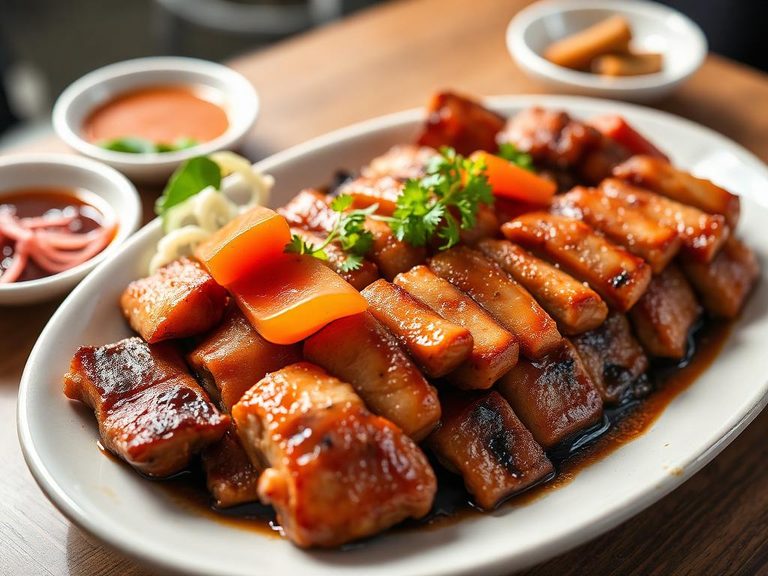
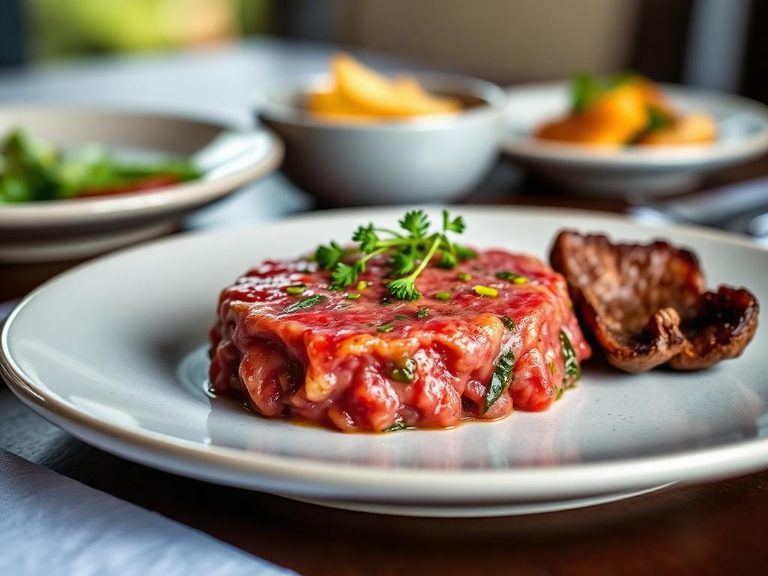
People love it for its unparalleled ability to create succulent, flavor-packed dishes, from sizzling steaks to rich broths. Its cultural significance in Japanese cuisine and its status as a luxury ingredient make it a centerpiece for celebratory meals and culinary indulgence.
⚠️ Watch-outs & how to enjoy it better
Its extremely high fat and calorie content can be a concern for those monitoring dietary fat intake or managing weight. To enjoy it mindfully, practice strict portion control—using it as a flavoring agent rather than the main protein—and pair it with large servings of fibrous vegetables or a lean protein source to balance the meal.
Key benefits
- High in monounsaturated fats, particularly oleic acid
- Rich in fat-soluble vitamins like Vitamin E
- Provides conjugated linoleic acid (CLA), a naturally occurring fatty acid
- An excellent source of dietary energy for high-calorie needs
- Enhances the flavor and juiciness of leaner cuts when used in cooking
🍽️ Popular dishes
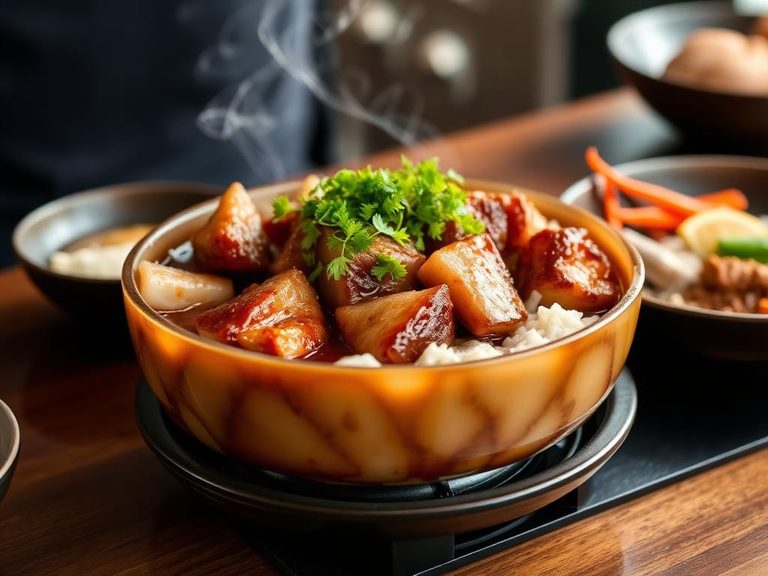
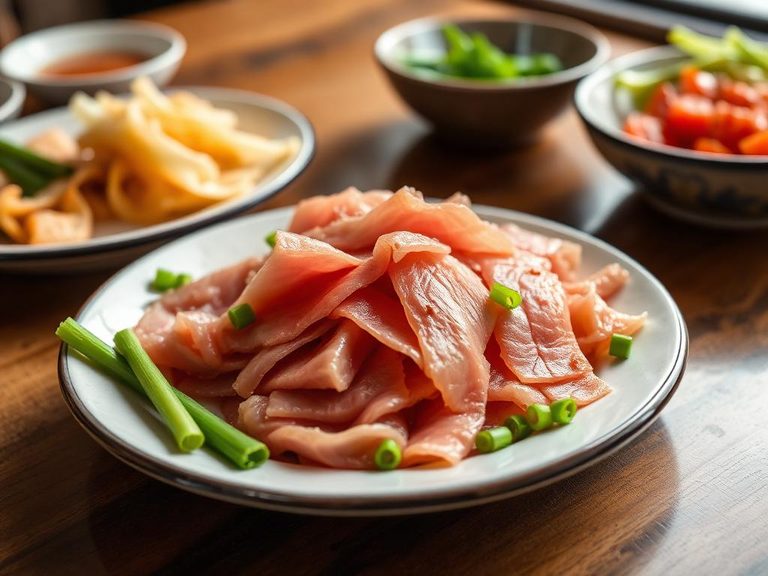
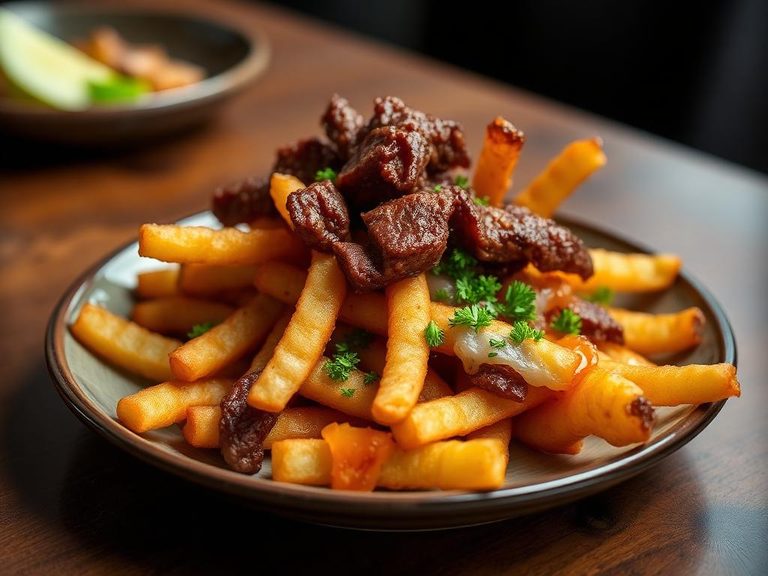
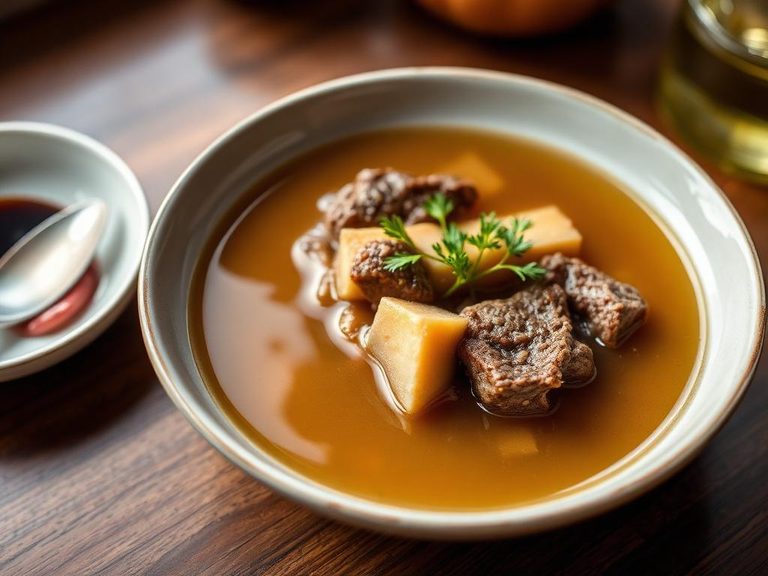
🌍 Where it's eaten
💡 Did you know?
The term 'seam fat' refers to the fat found between muscles, which is often more flavorful and has a different melting point than subcutaneous (outer) fat, making it a prized ingredient for rendering into tallow.
Full nutrition (USDA data · scales with serving)
| Water | 30.4 g |
| Energy | 594 kcal |
| Energy | 2484 kj |
| Protein | 6.0 g |
| Total lipid (fat) | 63.3 g |
| Ash | 0.32 g |
| Carbohydrate, by difference | 0.00 g |
| Fiber, total dietary | 0.00 g |
| Fructose | 0.00 g |
| Calcium, Ca | 2.0 mg |
| Iron, Fe | 0.97 mg |
| Sodium, Na | 32.0 mg |
| Vitamin C, total ascorbic acid | 0.00 mg |
| Vitamin A, RAE | 22.0 ug |
| Retinol | 22.0 ug |
| Vitamin A, IU | 74.0 iu |
Fat & fatty acid profile (per 100g)
| Fatty acids, total saturated | 23.2 g |
| SFA 10:0 | 0.02 g |
| SFA 12:0 | 0.04 g |
| SFA 14:0 | 1.6 g |
| SFA 15:0 | 0.27 g |
| SFA 16:0 | 12.9 g |
| SFA 17:0 | 0.77 g |
| SFA 18:0 | 7.4 g |
| SFA 20:0 | 0.06 g |
| SFA 22:0 | 0.01 g |
| SFA 24:0 | 0.01 g |
| Fatty acids, total monounsaturated | 30.9 g |
| MUFA 14:1 | 0.48 g |
| MUFA 16:1 | 2.1 g |
| MUFA 18:1 | 28.2 g |
| MUFA 18:1 c | 25.3 g |
| MUFA 18:1-11 t (18:1t n-7) | 2.6 g |
| MUFA 20:1 | 0.18 g |
| Fatty acids, total polyunsaturated | 1.6 g |
| PUFA 18:2 | 1.3 g |
| PUFA 18:2 n-6 c,c | 0.95 g |
| PUFA 18:3 | 0.14 g |
| PUFA 18:3 n-3 c,c,c (ALA) | 0.06 g |
| PUFA 18:3i | 0.08 g |
| PUFA 18:4 | 0.01 g |
| PUFA 20:2 n-6 c,c | 0.01 g |
| PUFA 20:3 | 0.01 g |
| PUFA 20:4 | 0.02 g |
| PUFA 20:5 n-3 (EPA) | 0.01 g |
| PUFA 22:5 n-3 (DPA) | 0.01 g |
| Fatty acids, total trans | 3.4 g |
| Fatty acids, total trans-monoenoic | 2.9 g |
| TFA 18:1 t | 2.9 g |
| TFA 18:2 t not further defined | 0.40 g |
| Fatty acids, total trans-polyenoic | 0.49 g |
| Cholesterol | 95.0 mg |
Amino acid profile (per 100g)
Estimated from Beef, variety meats and by-products, mechanically separated beef, raw — USDA does not publish this profile for Beef.
| Tryptophan | 0.17 g |
| Threonine | 0.47 g |
| Isoleucine | 0.58 g |
| Leucine | 1.2 g |
| Lysine | 1.2 g |
| Methionine | 0.43 g |
| Cystine | 0.23 g |
| Phenylalanine | 0.64 g |
| Tyrosine | 0.38 g |
| Valine | 0.92 g |
| Arginine | 1.2 g |
| Histidine | 0.44 g |
| Alanine | 1.0 g |
| Aspartic acid | 1.3 g |
| Glutamic acid | 2.1 g |
| Glycine | 1.2 g |
| Proline | 0.92 g |
| Serine | 0.57 g |
FAQ
What is the difference between seam fat and other beef fats?
Seam fat, or intermuscular fat, is located between muscle groups. It typically has a richer flavor and a different texture and melting point compared to subcutaneous fat (under the skin) or intramuscular fat (marbling within the muscle), making it ideal for rendering or adding depth to dishes.
How can I use this Wagyu seam fat in cooking?
It's excellent rendered into tallow for frying potatoes or searing steaks. You can also dice it and add it to ground meat for burgers, use it to enrich stews and braises, or melt a small amount over finished dishes for a luxurious sheen and flavor boost.
Is this product suitable for a keto or carnivore diet?
Yes, it is virtually carb-free and extremely high in fat, making it a suitable, albeit calorie-dense, option for ketogenic and carnivore dietary approaches focused on high fat and zero carbohydrate intake.
Nutrient density (calculated · NRF9.3)
Nutrient Rich Foods index: beneficial nutrients (protein, fiber, vitamins, minerals) minus saturated fat, added sugar & sodium, per 100 kcal.
NRF9.3 index — Fulgoni, Keast & Drewnowski, 2009. Computed from USDA nutrients.
Weight-loss friendliness (composite index)
Energy density 5.94 kcal/g · 4% calories from protein · 0.0 g fiber · 0.0 g sugar per 100 g.
Composite of energy density (Rolls et al., 1999), protein & fiber satiety, minus sugar. A calculated heuristic — ranks satiety-per-calorie, not a clinical measure.