

Babyfood, juice, orange and pineapple
Whole food · Baby Foods

Photo: Wikipedia
This is a smooth, vibrant baby food juice blend that combines the sunny sweetness of orange with the tropical tang of pineapple. Its thin, easily sippable texture makes it ideal for infants transitioning to fruit flavors, while its bright color hints at a burst of vitamin C. Nutritionally, it offers a light, low-calorie energy boost with minimal fat, making it a gentle introduction to fruit-based hydration.
Calorie split: 4% protein · 94% carbs · 2% fat
↓ Full nutrition💚 Why it's loved
Parents love it for its naturally sweet, tropical flavor that appeals to babies and toddlers without added sugars. It’s also a convenient, mess-free way to introduce fruit combinations, often evoking nostalgic memories of sunny, fruity childhood treats.
⚠️ Watch-outs & how to enjoy it better
The natural sugars can cause blood-sugar spikes if consumed in large amounts, especially for children with sensitivities. To counteract this, pair it with a protein-rich snack like yogurt or cheese, and stick to recommended portion sizes to avoid overconsumption.
Key benefits
- Rich in vitamin C from orange and pineapple
- Low in fat and calories, suitable for light snacking
- Provides natural sugars for quick energy
- Smooth texture easy for infants to consume
- Contains small amounts of potassium and antioxidants
🍽️ Popular dishes
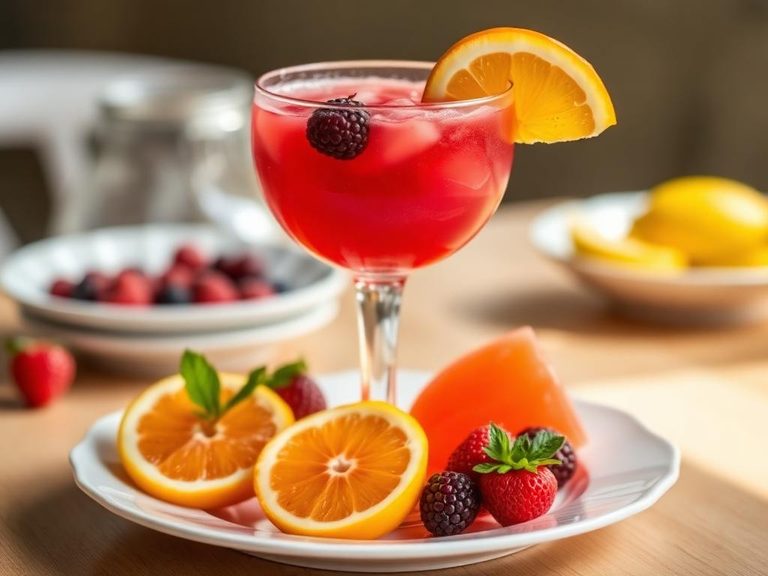
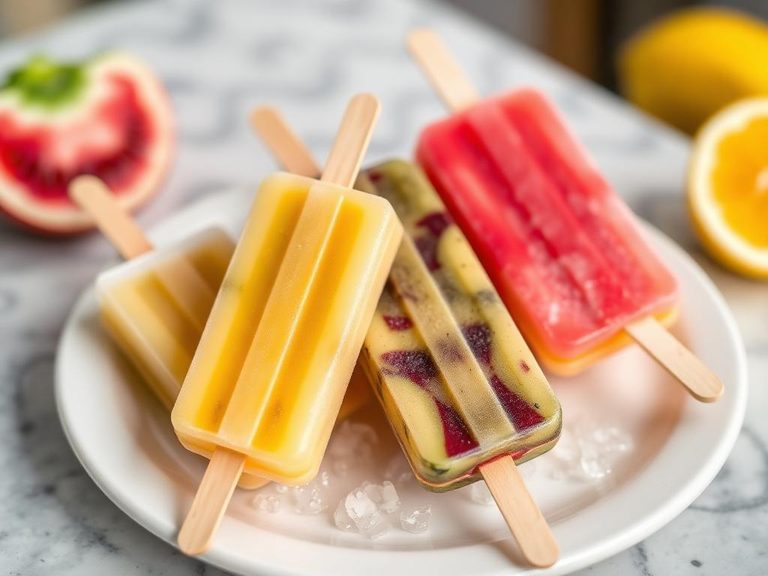
🌍 Where it's eaten
💡 Did you know?
Pineapple contains bromelain, an enzyme that can break down proteins and may help with digestion, though it's often deactivated in pasteurized baby juices.
Full nutrition (USDA data · scales with serving)
| Water | 87.3 g |
| Energy | 48.0 kcal |
| Energy | 201 kj |
| Protein | 0.50 g |
| Total lipid (fat) | 0.10 g |
| Ash | 0.40 g |
| Carbohydrate, by difference | 11.7 g |
| Fiber, total dietary | 0.10 g |
| Calcium, Ca | 8.0 mg |
| Iron, Fe | 0.42 mg |
| Magnesium, Mg | 9.0 mg |
| Phosphorus, P | 9.0 mg |
| Potassium, K | 141 mg |
| Sodium, Na | 2.0 mg |
| Zinc, Zn | 0.04 mg |
| Copper, Cu | 0.04 mg |
| Selenium, Se | 0.10 ug |
| Vitamin C, total ascorbic acid | 53.4 mg |
| Thiamin | 0.05 mg |
| Riboflavin | 0.02 mg |
| Niacin | 0.19 mg |
| Pantothenic acid | 0.06 mg |
| Vitamin B-6 | 0.06 mg |
| Folate, total | 19.0 ug |
| Folic acid | 0.00 ug |
| Folate, food | 19.0 ug |
| Folate, DFE | 19.0 ug |
| Vitamin B-12 | 0.00 ug |
| Vitamin B-12, added | 0.00 ug |
| Vitamin A, RAE | 2.0 ug |
| Retinol | 0.00 ug |
| Vitamin A, IU | 31.0 iu |
| Vitamin E (alpha-tocopherol) | 0.60 mg |
| Vitamin E, added | 0.00 mg |
| Alcohol, ethyl | 0.00 g |
Fat & fatty acid profile (per 100g)
| Fatty acids, total saturated | 0.01 g |
| SFA 4:0 | 0.00 g |
| SFA 6:0 | 0.00 g |
| SFA 8:0 | 0.00 g |
| SFA 10:0 | 0.00 g |
| SFA 12:0 | 0.00 g |
| SFA 14:0 | 0.00 g |
| SFA 16:0 | 0.01 g |
| SFA 18:0 | 0.00 g |
| Fatty acids, total monounsaturated | 0.01 g |
| MUFA 16:1 | 0.00 g |
| MUFA 18:1 | 0.01 g |
| MUFA 20:1 | 0.00 g |
| MUFA 22:1 | 0.00 g |
| Fatty acids, total polyunsaturated | 0.02 g |
| PUFA 18:2 | 0.02 g |
| PUFA 18:3 | 0.01 g |
| PUFA 18:4 | 0.00 g |
| PUFA 20:4 | 0.00 g |
| PUFA 20:5 n-3 (EPA) | 0.00 g |
| PUFA 22:5 n-3 (DPA) | 0.00 g |
| PUFA 22:6 n-3 (DHA) | 0.00 g |
| Cholesterol | 0.00 mg |
Amino acid profile (per 100g)
Estimated from Babyfood, grape juice, no sugar, canned — USDA does not publish this profile for Babyfood.
| Threonine | 0.02 g |
| Isoleucine | 0.01 g |
| Leucine | 0.02 g |
| Lysine | 0.02 g |
| Methionine | 0.03 g |
| Cystine | 0.01 g |
| Phenylalanine | 0.02 g |
| Tyrosine | 0.02 g |
| Valine | 0.02 g |
| Arginine | 0.06 g |
| Histidine | 0.03 g |
| Alanine | 0.04 g |
| Aspartic acid | 0.10 g |
| Glutamic acid | 0.18 g |
| Glycine | 0.03 g |
| Proline | 0.03 g |
| Serine | 0.04 g |
FAQ
Is this juice suitable for babies under 6 months?
Most pediatric guidelines recommend introducing fruit juices after 6 months, and even then, in moderation. Always consult a pediatrician before offering juice to infants.
Does this juice contain added sugars?
Typically, baby food juices like this are made from fruit purees or concentrates without added sugars, but always check the label for any sweeteners or preservatives.
Can this juice cause allergies?
While rare, some babies may have sensitivities to citrus or pineapple. Introduce small amounts first and watch for reactions like rash or digestive upset.
Nutrient density (calculated · NRF9.3)
Nutrient Rich Foods index: beneficial nutrients (protein, fiber, vitamins, minerals) minus saturated fat, added sugar & sodium, per 100 kcal.
NRF9.3 index — Fulgoni, Keast & Drewnowski, 2009. Computed from USDA nutrients.
Weight-loss friendliness (composite index)
Energy density 0.48 kcal/g · 4% calories from protein · 0.1 g fiber · 0.0 g sugar per 100 g.
Composite of energy density (Rolls et al., 1999), protein & fiber satiety, minus sugar. A calculated heuristic — ranks satiety-per-calorie, not a clinical measure.
Dietary load (calculated from USDA values)
Potential renal acid load. Positive = acid-forming, negative = alkaline-forming.
Sodium-to-potassium ratio: 0.01 (lower is better — aim for ≤ 1)
Sodium:potassium per WHO potassium guidance. Computed from USDA nutrients.