

Veal, variety meats and by-products, heart, raw
Whole food · Lamb, Veal, and Game Products
Veal heart is a lean, muscular organ with a dense, fine-grained texture and a deep, slightly mineral-rich beefy flavor, often described as more intense than steak. Nutritionally, it's a powerhouse of protein and B vitamins, particularly B12 and niacin, with minimal fat and virtually no carbohydrates.
Calorie split: 66% protein · 0% carbs · 34% fat
↓ Full nutrition💚 Why it's loved
People love it for its robust, clean beef flavor and satisfying, tender texture when cooked properly. It's prized in many cuisines for its versatility, capable of being grilled, braised, or used in stews and pâtés.
⚠️ Watch-outs & how to enjoy it better
Its strong, mineral-like taste and dense texture can be off-putting to those accustomed to milder meats. To counteract this, slice it thinly against the grain before cooking, marinate it in acidic ingredients like wine or vinegar to tenderize, and pair it with bold sauces or seasonings. Those monitoring cholesterol should note it contains dietary cholesterol, though it is low in saturated fat.
Key benefits
- Exceptionally high in complete protein for muscle maintenance.
- Rich source of vitamin B12, crucial for nerve function and red blood cell formation.
- Good source of heme iron, which is more easily absorbed than plant-based iron.
- Contains CoQ10, an antioxidant important for cellular energy production.
- Low in fat and contains no carbohydrates or sugars.
🍽️ Popular dishes
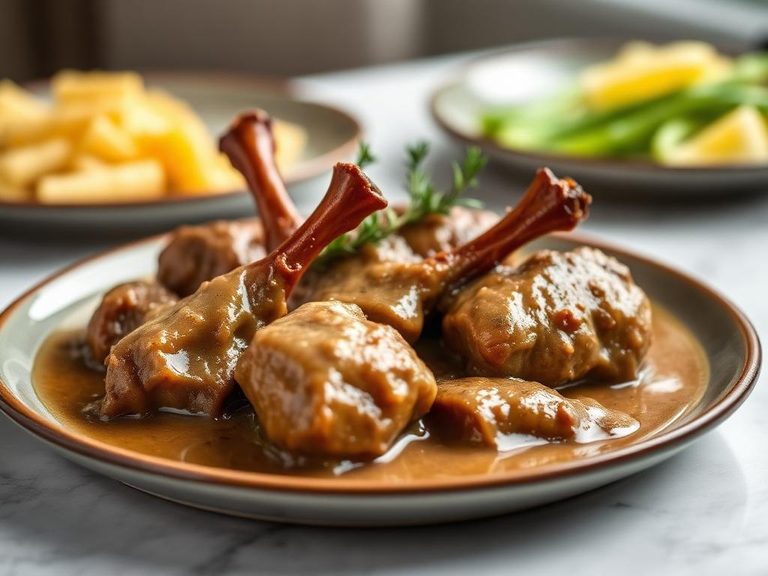
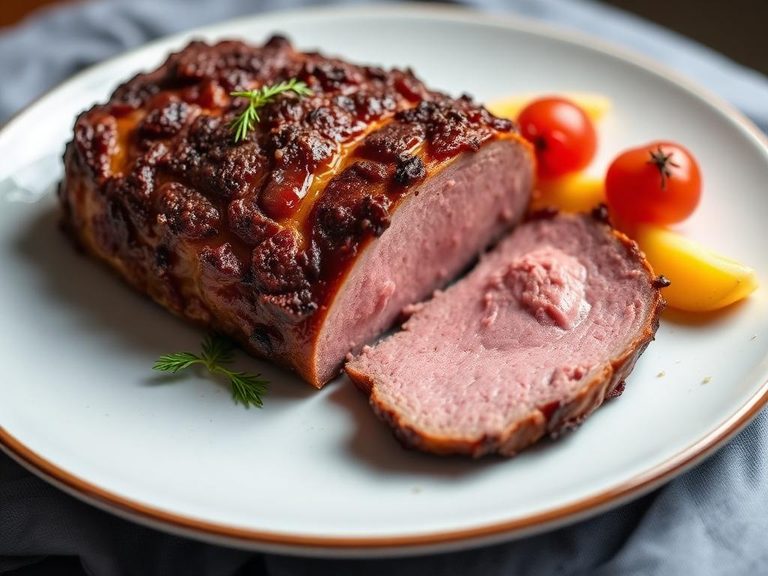
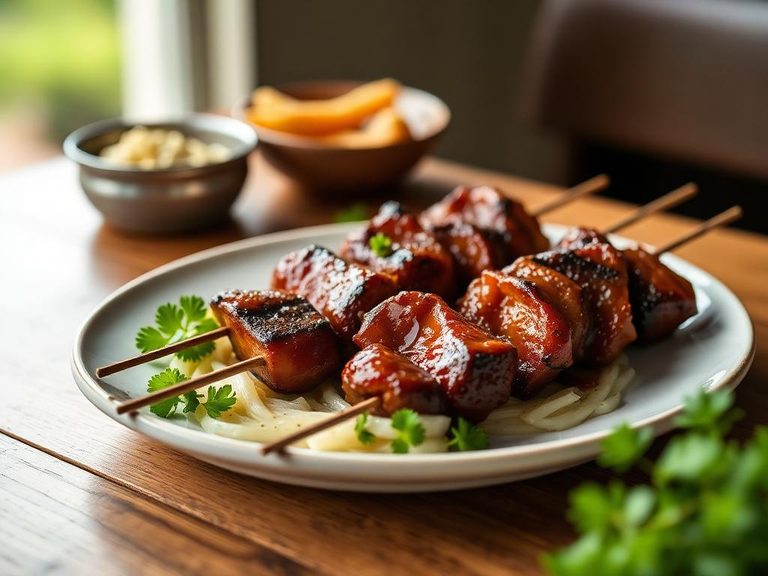
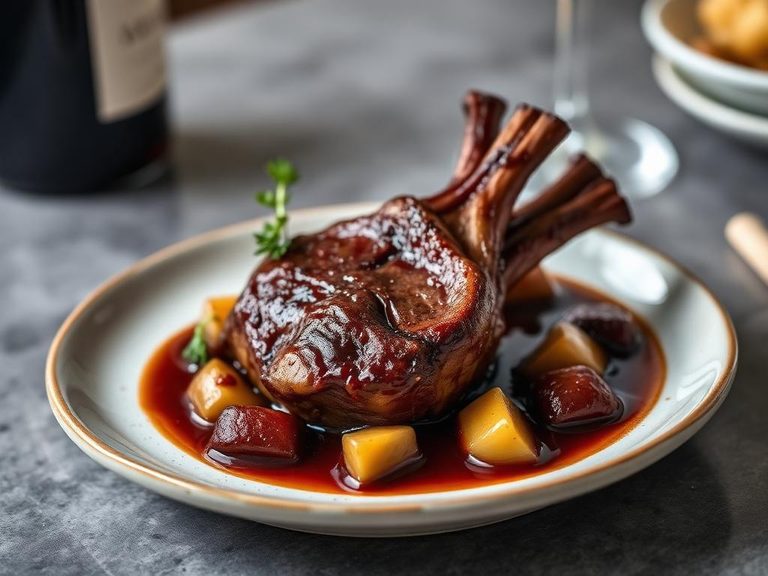
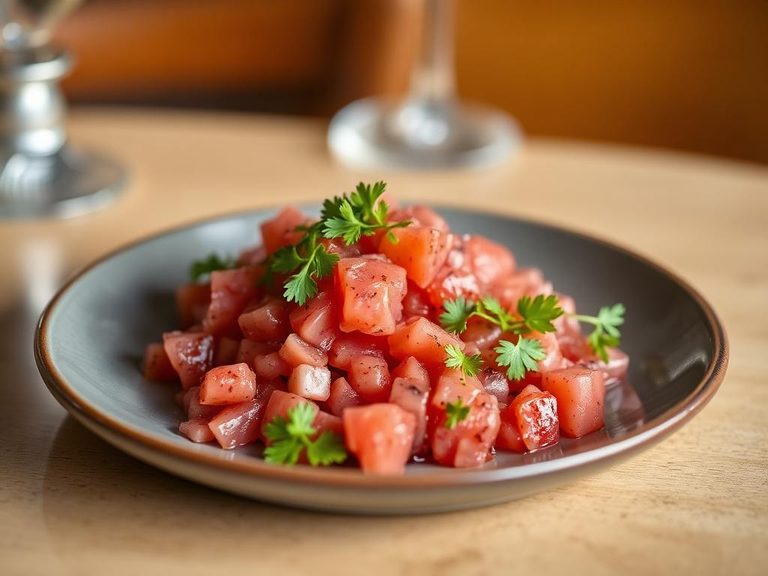
🌍 Where it's eaten
💡 Did you know?
A single veal heart is anatomically a marvel of efficiency, with its left ventricle (which pumps blood to the body) being three times thicker than the right ventricle.
Full nutrition (USDA data · scales with serving)
| Water | 77.7 g |
| Energy | 110 kcal |
| Energy | 460 kj |
| Protein | 17.2 g |
| Total lipid (fat) | 4.0 g |
| Ash | 1.1 g |
| Carbohydrate, by difference | 0.08 g |
| Fiber, total dietary | 0.00 g |
| Calcium, Ca | 5.0 mg |
| Iron, Fe | 4.2 mg |
| Magnesium, Mg | 18.0 mg |
| Phosphorus, P | 211 mg |
| Potassium, K | 261 mg |
| Sodium, Na | 77.0 mg |
| Zinc, Zn | 1.5 mg |
| Copper, Cu | 0.34 mg |
| Manganese, Mn | 0.04 mg |
| Selenium, Se | 33.3 ug |
| Vitamin C, total ascorbic acid | 8.0 mg |
| Thiamin | 0.52 mg |
| Riboflavin | 1.0 mg |
| Niacin | 6.4 mg |
| Pantothenic acid | 2.8 mg |
| Vitamin B-6 | 0.43 mg |
| Folate, total | 2.0 ug |
| Folic acid | 0.00 ug |
| Folate, food | 2.0 ug |
| Folate, DFE | 2.0 ug |
| Vitamin B-12 | 13.8 ug |
| Vitamin A, RAE | 0.00 ug |
| Retinol | 0.00 ug |
| Vitamin A, IU | 0.00 iu |
Fat & fatty acid profile (per 100g)
| Fatty acids, total saturated | 1.1 g |
| SFA 12:0 | 0.02 g |
| SFA 14:0 | 0.07 g |
| SFA 16:0 | 0.48 g |
| SFA 18:0 | 0.47 g |
| Fatty acids, total monounsaturated | 0.84 g |
| MUFA 16:1 | 0.06 g |
| MUFA 18:1 | 0.73 g |
| MUFA 20:1 | 0.00 g |
| MUFA 22:1 | 0.03 g |
| Fatty acids, total polyunsaturated | 1.1 g |
| PUFA 18:2 | 0.71 g |
| PUFA 18:3 | 0.03 g |
| PUFA 20:4 | 0.24 g |
| PUFA 20:5 n-3 (EPA) | 0.03 g |
| PUFA 22:5 n-3 (DPA) | 0.03 g |
| PUFA 22:6 n-3 (DHA) | 0.00 g |
| Cholesterol | 104 mg |
Amino acid profile (per 100g)
| Tryptophan | 0.18 g |
| Threonine | 0.76 g |
| Isoleucine | 0.82 g |
| Leucine | 1.3 g |
| Lysine | 1.5 g |
| Methionine | 0.39 g |
| Cystine | 0.18 g |
| Phenylalanine | 0.74 g |
| Tyrosine | 0.56 g |
| Valine | 0.90 g |
| Arginine | 1.1 g |
| Histidine | 0.46 g |
| Alanine | 1.1 g |
| Aspartic acid | 1.6 g |
| Glutamic acid | 2.5 g |
| Glycine | 0.94 g |
| Proline | 0.80 g |
| Serine | 0.80 g |
FAQ
How do I prepare veal heart to make it tender?
Trim all visible fat, silver skin, and arteries. Slice it thinly against the grain for quick cooking methods like grilling or sautéing. For braising, cut into chunks and cook slowly in liquid. Marinating in an acidic mixture helps break down the dense muscle fibers.
What does veal heart taste like?
It has a very clean, concentrated beef flavor that is slightly sweeter and more mineral-rich than muscle meat. The texture is dense and smooth, similar to a very lean, fine-grained steak.
Is veal heart nutritious?
Yes, it is exceptionally nutrient-dense. It is a top source of high-quality protein, vitamin B12, niacin, and easily absorbed iron. It is also low in fat and contains zero carbohydrates.
Nutrient density (calculated · NRF9.3)
Nutrient Rich Foods index: beneficial nutrients (protein, fiber, vitamins, minerals) minus saturated fat, added sugar & sodium, per 100 kcal.
NRF9.3 index — Fulgoni, Keast & Drewnowski, 2009. Computed from USDA nutrients.
Weight-loss friendliness (composite index)
Energy density 1.10 kcal/g · 62% calories from protein · 0.0 g fiber · 0.0 g sugar per 100 g.
Composite of energy density (Rolls et al., 1999), protein & fiber satiety, minus sugar. A calculated heuristic — ranks satiety-per-calorie, not a clinical measure.
Dietary load (calculated from USDA values)
Potential renal acid load. Positive = acid-forming, negative = alkaline-forming.
Sodium-to-potassium ratio: 0.30 (lower is better — aim for ≤ 1)
Sodium:potassium per WHO potassium guidance. Computed from USDA nutrients.