

Tomatillos, raw
Whole food · Vegetables and Vegetable Products

Photo: Wikipedia
The tomatillo is a small, green, husk-wrapped fruit from the nightshade family, prized for its firm, apple-like texture and bright, tangy flavor. Unlike its red cousin, it offers a zesty, citrusy punch with a hint of tartness, making it a cornerstone of Mexican and Central American salsas. Nutritionally, it's a low-calorie, high-fiber powerhouse, delivering a good dose of vitamin C and K with minimal sugar.
Calorie split: 11% protein · 64% carbs · 25% fat
↓ Full nutrition💚 Why it's loved
People adore the tomatillo for its unique, vibrant acidity that brightens up rich dishes and salsas. Its versatility shines in both raw and cooked applications, from tangy green salsa to a base for complex moles and stews.
⚠️ Watch-outs & how to enjoy it better
The raw tomatillo's high acidity and slight bitterness can be off-putting to some palates, and its sticky, resinous coating can be a nuisance to clean. For those with nightshade sensitivities or on low-acid diets, it may cause digestive discomfort; pairing it with starchy foods like corn tortillas or cooking it can help mellow the flavor and reduce acidity.
Key benefits
- Rich in antioxidants, particularly withanolides, which are studied for their anti-inflammatory properties
- Excellent source of Vitamin C, supporting immune function and skin health
- High in dietary fiber, aiding digestion and promoting satiety
- Low in calories and naturally low in fat, making it ideal for weight management
- Contains Vitamin K, essential for blood clotting and bone health
🍽️ Popular dishes
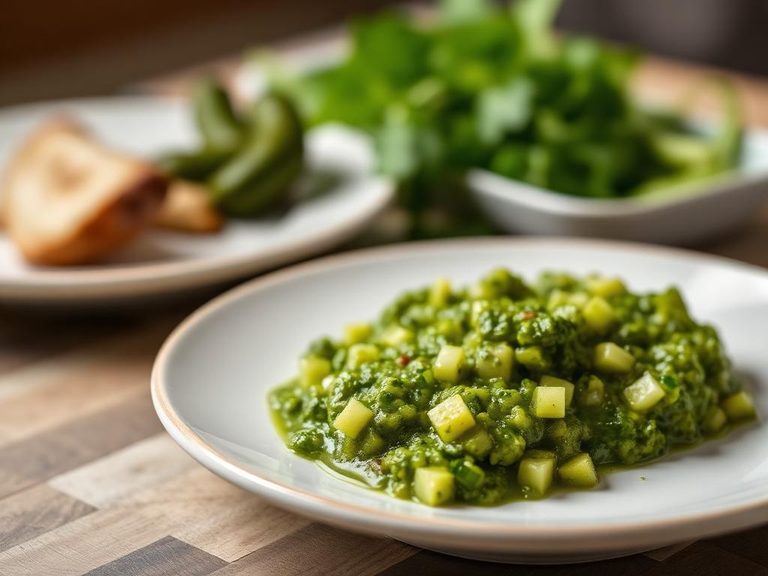
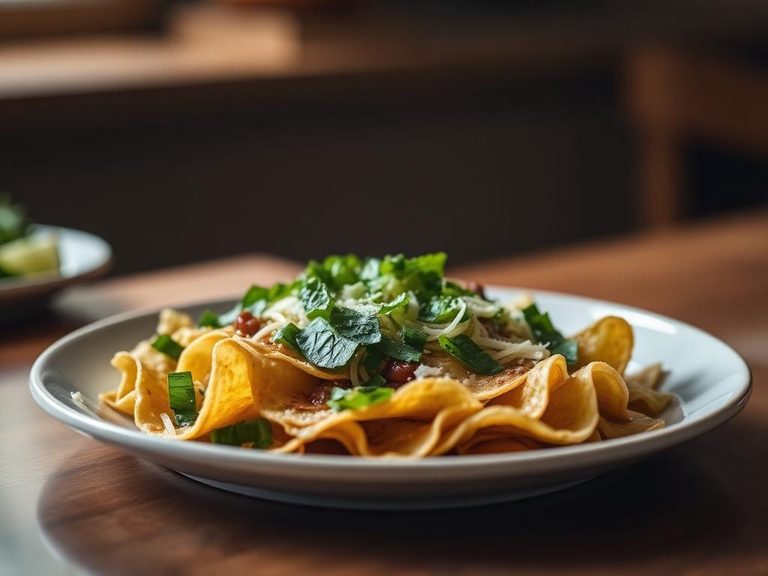
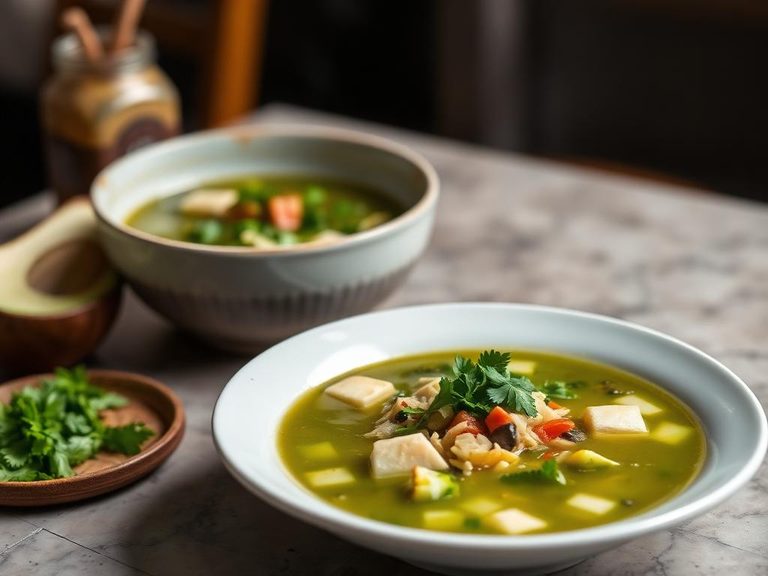
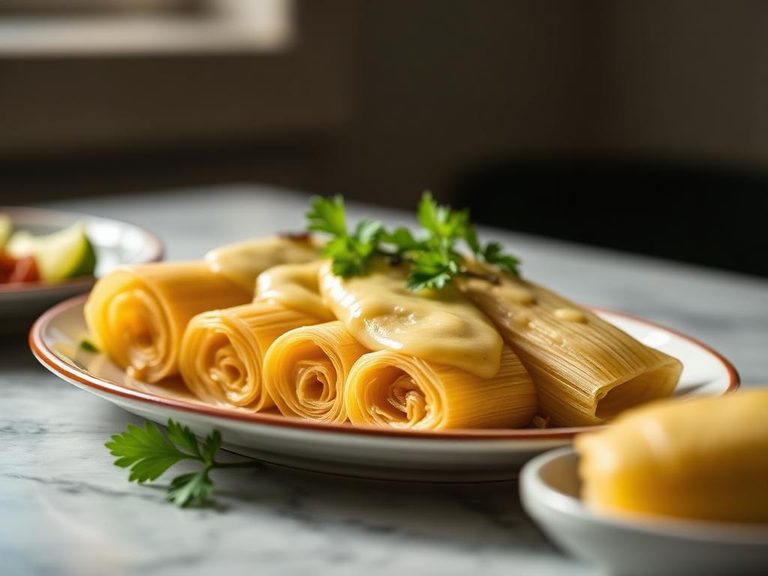
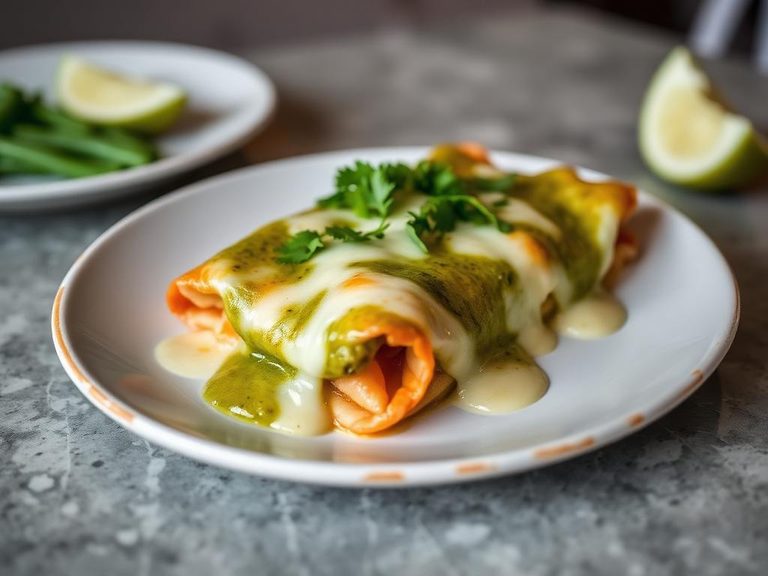
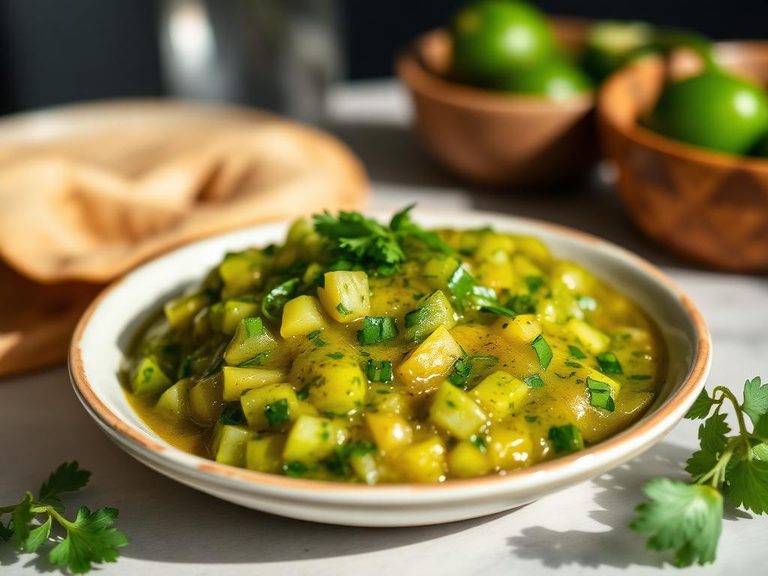
🌍 Where it's eaten
💡 Did you know?
Despite its common name, the tomatillo is not a tomato; it's a distinct species (Physalis philadelphica) and is more closely related to the groundcherry and the cape gooseberry.
Full nutrition (USDA data · scales with serving)
| Water | 91.6 g |
| Energy | 32.0 kcal |
| Energy | 133 kj |
| Protein | 0.96 g |
| Total lipid (fat) | 1.0 g |
| Ash | 0.55 g |
| Carbohydrate, by difference | 5.8 g |
| Fiber, total dietary | 1.9 g |
| Total Sugars | 3.9 g |
| Calcium, Ca | 7.0 mg |
| Iron, Fe | 0.62 mg |
| Magnesium, Mg | 20.0 mg |
| Phosphorus, P | 39.0 mg |
| Potassium, K | 268 mg |
| Sodium, Na | 1.0 mg |
| Zinc, Zn | 0.22 mg |
| Copper, Cu | 0.08 mg |
| Manganese, Mn | 0.15 mg |
| Selenium, Se | 0.50 ug |
| Vitamin C, total ascorbic acid | 11.7 mg |
| Thiamin | 0.04 mg |
| Riboflavin | 0.04 mg |
| Niacin | 1.9 mg |
| Pantothenic acid | 0.15 mg |
| Vitamin B-6 | 0.06 mg |
| Folate, total | 7.0 ug |
| Folic acid | 0.00 ug |
| Folate, food | 7.0 ug |
| Folate, DFE | 7.0 ug |
| Choline, total | 7.6 mg |
| Vitamin B-12 | 0.00 ug |
| Vitamin B-12, added | 0.00 ug |
| Vitamin A, RAE | 6.0 ug |
| Retinol | 0.00 ug |
| Carotene, beta | 63.0 ug |
| Carotene, alpha | 10.0 ug |
| Cryptoxanthin, beta | 0.00 ug |
| Vitamin A, IU | 114 iu |
| Lycopene | 0.00 ug |
| Lutein + zeaxanthin | 467 ug |
| Vitamin E (alpha-tocopherol) | 0.38 mg |
| Vitamin E, added | 0.00 mg |
| Vitamin D (D2 + D3), International Units | 0.00 iu |
| Vitamin D (D2 + D3) | 0.00 ug |
| Vitamin K (phylloquinone) | 10.1 ug |
| Alcohol, ethyl | 0.00 g |
| Caffeine | 0.00 mg |
| Theobromine | 0.00 mg |
Fat & fatty acid profile (per 100g)
| Fatty acids, total saturated | 0.14 g |
| SFA 4:0 | 0.00 g |
| SFA 6:0 | 0.00 g |
| SFA 8:0 | 0.00 g |
| SFA 10:0 | 0.00 g |
| SFA 12:0 | 0.00 g |
| SFA 14:0 | 0.00 g |
| SFA 16:0 | 0.10 g |
| SFA 18:0 | 0.04 g |
| Fatty acids, total monounsaturated | 0.15 g |
| MUFA 16:1 | 0.01 g |
| MUFA 18:1 | 0.15 g |
| MUFA 20:1 | 0.00 g |
| MUFA 22:1 | 0.00 g |
| Fatty acids, total polyunsaturated | 0.42 g |
| PUFA 18:2 | 0.40 g |
| PUFA 18:3 | 0.02 g |
| PUFA 18:4 | 0.00 g |
| PUFA 20:4 | 0.00 g |
| PUFA 20:5 n-3 (EPA) | 0.00 g |
| PUFA 22:5 n-3 (DPA) | 0.00 g |
| PUFA 22:6 n-3 (DHA) | 0.00 g |
| Fatty acids, total trans | 0.00 g |
| Cholesterol | 0.00 mg |
FAQ
What is the difference between a tomatillo and a green tomato?
A tomatillo is a separate species (Physalis philadelphica) with a papery husk, a tangy, citrusy flavor, and a firmer, more apple-like texture. A green tomato is simply an unripe red tomato, which is more acidic and less complex in flavor.
How do you prepare and store tomatillos?
Remove the papery husk and rinse the fruit to wash off the sticky residue. They can be used raw or cooked. Store them in the refrigerator in a paper bag for up to two weeks, or freeze them whole or roasted for later use.
Are tomatillos safe to eat raw?
Yes, tomatillos are perfectly safe and delicious when raw, often used in fresh salsas. Their firm texture and bright acidity make them a great addition to salads and salsas, though some people prefer them cooked to mellow their tartness.
Nutrient density (calculated · NRF9.3)
Nutrient Rich Foods index: beneficial nutrients (protein, fiber, vitamins, minerals) minus saturated fat, added sugar & sodium, per 100 kcal.
NRF9.3 index — Fulgoni, Keast & Drewnowski, 2009. Computed from USDA nutrients.
Weight-loss friendliness (composite index)
Energy density 0.32 kcal/g · 12% calories from protein · 1.9 g fiber · 3.9 g sugar per 100 g.
Composite of energy density (Rolls et al., 1999), protein & fiber satiety, minus sugar. A calculated heuristic — ranks satiety-per-calorie, not a clinical measure.
Dietary load (calculated from USDA values)
Potential renal acid load. Positive = acid-forming, negative = alkaline-forming.
Sodium-to-potassium ratio: 0.00 (lower is better — aim for ≤ 1)
Sodium:potassium per WHO potassium guidance. Computed from USDA nutrients.