

Sweeteners, sugar substitute, granulated, brown
Whole food · Sweets

Photo: Wikipedia
This is a granulated brown sugar substitute, typically a blend of sweeteners like sucralose or stevia with bulking agents to mimic the texture and color of brown sugar. It delivers a sweet, caramel-like flavor with a moist, slightly sandy texture, but with a fraction of the calories and carbohydrates of the real thing. Nutritionally, it provides about 347 kcal per 100g, primarily from carbohydrates (84.77g), with negligible protein, fat, or fiber.
Calorie split: 2% protein · 98% carbs · 0% fat
↓ Full nutrition💚 Why it's loved
People love it for its ability to replicate the warm, molasses-like flavor and crumbly texture of brown sugar in cookies, oatmeal, and coffee, making healthier swaps seamless. It's a staple in health-conscious kitchens for adding sweetness without the associated glycemic spike.
⚠️ Watch-outs & how to enjoy it better
Some blends can have a slight aftertaste or fail to caramelize identically to real sugar in high-heat baking. Those sensitive to sugar alcohols (if used as a bulking agent) may experience digestive discomfort, so starting with small portions is wise.
Key benefits
- Dramatically reduces calorie and carbohydrate intake versus brown sugar
- Provides the visual and textural experience of brown sugar in baking
- Suitable for low-calorie, keto, or diabetic-friendly recipes
- Helps control overall sugar consumption
🍽️ Popular dishes




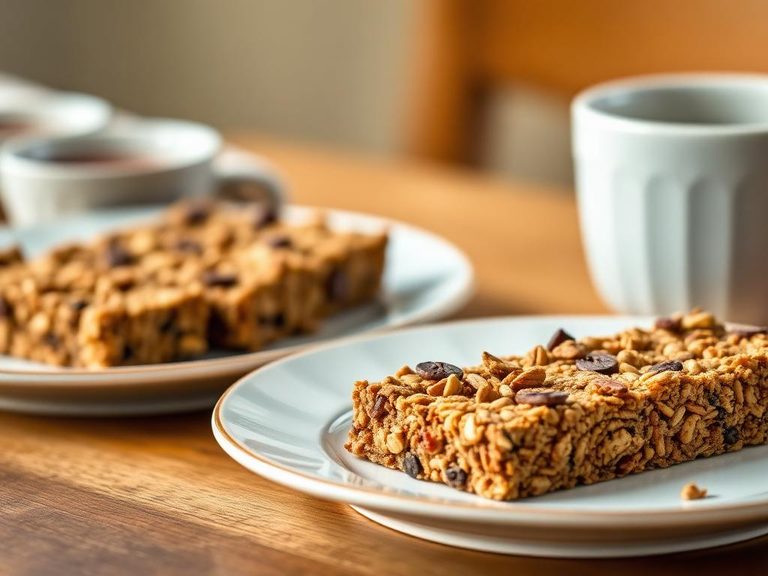
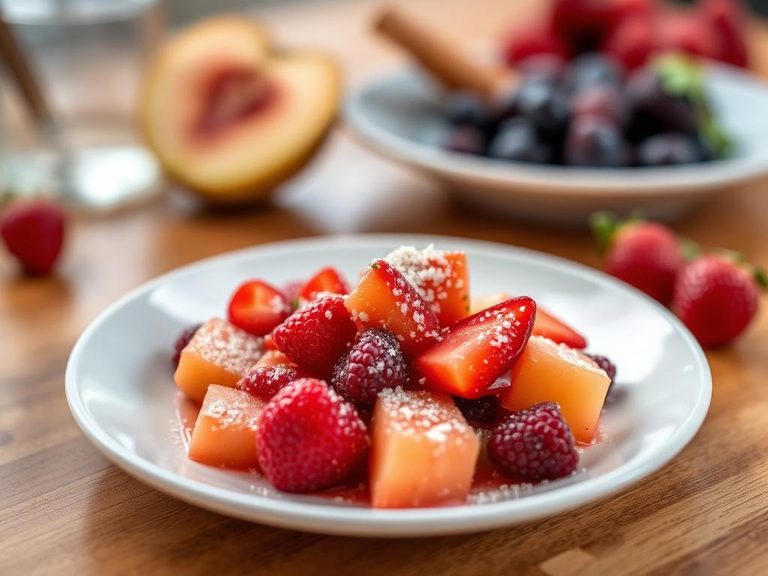
🌍 Where it's eaten
💡 Did you know?
The 'brown' color in these substitutes is often added via caramel color or molasses flavoring, as the primary sweetening agents are typically white crystals.
Full nutrition (USDA data · scales with serving)
| Water | 9.1 g |
| Energy | 347 kcal |
| Energy | 1453 kj |
| Protein | 2.1 g |
| Total lipid (fat) | 0.00 g |
| Ash | 4.0 g |
| Carbohydrate, by difference | 84.8 g |
| Fiber, total dietary | 0.60 g |
| Total Sugars | 4.0 g |
| Sucrose | 0.00 g |
| Glucose | 1.1 g |
| Fructose | 0.00 g |
| Lactose | 0.00 g |
| Maltose | 2.9 g |
| Galactose | 0.00 g |
| Starch | 3.5 g |
| Calcium, Ca | 879 mg |
| Iron, Fe | 0.16 mg |
| Magnesium, Mg | 6.0 mg |
| Phosphorus, P | 8.0 mg |
| Potassium, K | 39.0 mg |
| Sodium, Na | 572 mg |
| Zinc, Zn | 0.04 mg |
| Copper, Cu | 0.01 mg |
| Manganese, Mn | 0.02 mg |
| Thiamin | 0.01 mg |
| Riboflavin | 0.01 mg |
| Pantothenic acid | 0.08 mg |
| Vitamin B-6 | 0.01 mg |
Fat & fatty acid profile (per 100g)
Estimated from Sweeteners, tabletop, aspartame, EQUAL, packets — USDA does not publish this profile for Sweeteners.
| Fatty acids, total saturated | 0.00 g |
| SFA 4:0 | 0.00 g |
| SFA 6:0 | 0.00 g |
| SFA 8:0 | 0.00 g |
| SFA 10:0 | 0.00 g |
| SFA 12:0 | 0.00 g |
| SFA 14:0 | 0.00 g |
| SFA 16:0 | 0.00 g |
| SFA 18:0 | 0.00 g |
| Fatty acids, total monounsaturated | 0.00 g |
| MUFA 16:1 | 0.00 g |
| MUFA 18:1 | 0.00 g |
| MUFA 20:1 | 0.00 g |
| MUFA 22:1 | 0.00 g |
| Fatty acids, total polyunsaturated | 0.00 g |
| PUFA 18:2 | 0.00 g |
| PUFA 18:3 | 0.00 g |
| PUFA 18:4 | 0.00 g |
| PUFA 20:4 | 0.00 g |
| PUFA 20:5 n-3 (EPA) | 0.00 g |
| PUFA 22:5 n-3 (DPA) | 0.00 g |
| PUFA 22:6 n-3 (DHA) | 0.00 g |
| Cholesterol | 0.00 mg |
Amino acid profile (per 100g)
Estimated from Sweeteners, tabletop, aspartame, EQUAL, packets — USDA does not publish this profile for Sweeteners.
| Tryptophan | 0.00 g |
| Threonine | 0.00 g |
| Isoleucine | 0.00 g |
| Leucine | 0.00 g |
| Lysine | 0.00 g |
| Methionine | 0.00 g |
| Cystine | 0.00 g |
| Phenylalanine | 1.2 g |
| Tyrosine | 0.00 g |
| Valine | 0.00 g |
| Arginine | 0.00 g |
| Histidine | 0.00 g |
| Alanine | 0.00 g |
| Aspartic acid | 0.98 g |
| Glutamic acid | 0.00 g |
| Glycine | 0.00 g |
| Proline | 0.00 g |
| Serine | 0.00 g |
FAQ
Can I use this 1:1 to replace brown sugar in all recipes?
Not always. It works best in recipes where sugar is dissolved (like drinks) or where its primary role is sweetness (like oatmeal). In baking, especially for cookies or cakes that rely on sugar for moisture, spread, and caramelization, results may vary in texture and browning.
Does it contain actual sugar?
It depends on the brand. Some blends contain a small amount of real sugar for texture and flavor, while others are sugar-free. Always check the nutrition label for 'Total Sugars' and the ingredients list.
Is it safe for people with diabetes?
Many brown sugar substitutes are designed for diabetic diets as they have a lower glycemic impact. However, the specific ingredients (like maltodextrin) can vary, so it's crucial to check the label and consult with a healthcare provider.
Nutrient density (calculated · NRF9.3)
Nutrient Rich Foods index: beneficial nutrients (protein, fiber, vitamins, minerals) minus saturated fat, added sugar & sodium, per 100 kcal.
NRF9.3 index — Fulgoni, Keast & Drewnowski, 2009. Computed from USDA nutrients.
Weight-loss friendliness (composite index)
Energy density 3.47 kcal/g · 2% calories from protein · 0.6 g fiber · 4.0 g sugar per 100 g.
Composite of energy density (Rolls et al., 1999), protein & fiber satiety, minus sugar. A calculated heuristic — ranks satiety-per-calorie, not a clinical measure.
Dietary load (calculated from USDA values)
Potential renal acid load. Positive = acid-forming, negative = alkaline-forming.
Sodium-to-potassium ratio: 14.67 (lower is better — aim for ≤ 1)
Sodium:potassium per WHO potassium guidance. Computed from USDA nutrients.