Sugars, granulated
Whole food · Sweets
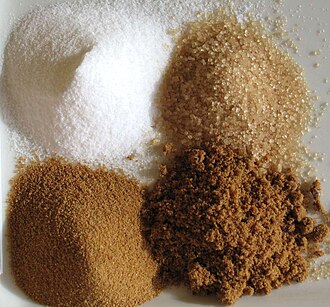
Photo: Wikipedia
Granulated sugar is the crystalline form of sucrose, most commonly derived from sugarcane or sugar beet. It has a clean, sweet taste and a dry, free-flowing texture that dissolves quickly in liquids. Nutritionally, it is almost pure carbohydrate (99.98g per 100g), providing 387 kcal of energy with no protein, fat, or fiber.
💚 Why it's loved
People love granulated sugar for its pure, intense sweetness and its unparalleled versatility in the kitchen. It is a cornerstone of global baking, confectionery, and beverage culture, from simple sweet tea to elaborate pastries.
⚠️ Watch-outs & how to enjoy it better
Excessive consumption can lead to rapid blood-sugar spikes and contributes to empty calories without nutritional benefit. To counteract this, pair sugar with protein or fiber (e.g., in a dessert with nuts or fruit), practice strict portion control, and prioritize using it in recipes where it serves a functional purpose (like baking) rather than as an added sweetener.
Key benefits
- Provides a rapid source of energy for the body and brain.
- Acts as a preservative in jams and jellies by binding water.
- Enhances browning and texture in baked goods through caramelization and Maillard reaction.
- Aids in fermentation for bread and alcoholic beverages.
- Improves the texture and mouthfeel of desserts and confections.
🍽️ Popular dishes


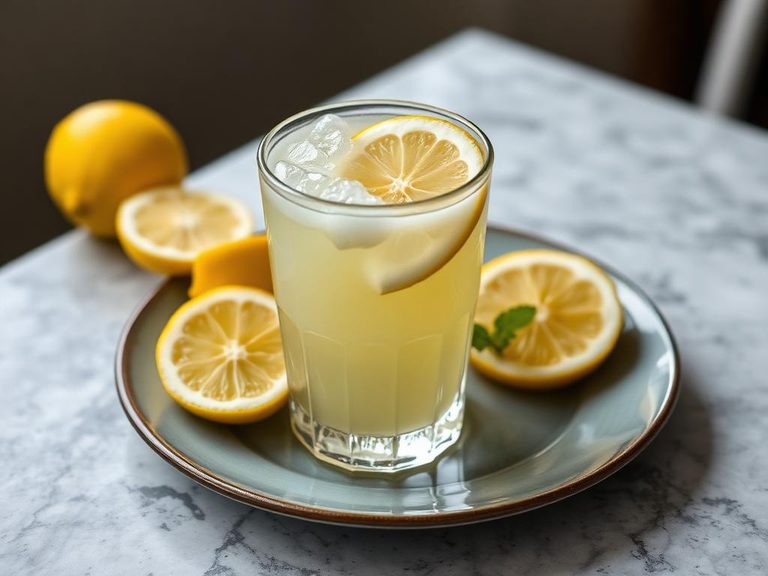
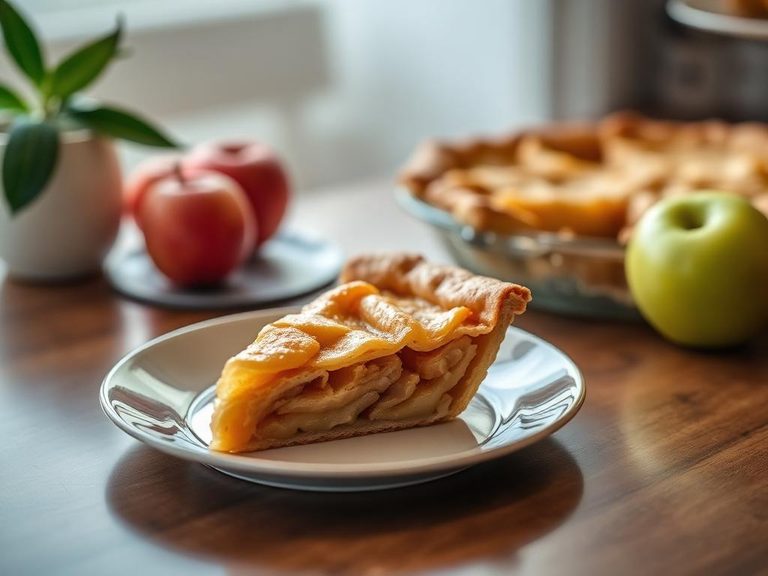

🌍 Where it's eaten
💡 Did you know?
The human tongue has specific receptors for sweetness, and granulated sugar (sucrose) is the benchmark against which all other sweeteners are measured for relative sweetness.
Full nutrition (scales with serving)
| Water | 0.02 g |
| Energy | 387 kcal |
| Energy | 1618 kj |
| Protein | 0.00 g |
| Total lipid (fat) | 0.00 g |
| Ash | 0.01 g |
| Carbohydrate, by difference | 100.0 g |
| Fiber, total dietary | 0.00 g |
| Total Sugars | 99.8 g |
| Sucrose | 99.8 g |
| Glucose | 0.00 g |
| Fructose | 0.00 g |
| Lactose | 0.00 g |
| Maltose | 0.00 g |
| Galactose | 0.00 g |
| Calcium, Ca | 1.0 mg |
| Iron, Fe | 0.05 mg |
| Magnesium, Mg | 0.00 mg |
| Phosphorus, P | 0.00 mg |
| Potassium, K | 2.0 mg |
| Sodium, Na | 1.0 mg |
| Zinc, Zn | 0.01 mg |
| Copper, Cu | 0.01 mg |
| Manganese, Mn | 0.00 mg |
| Selenium, Se | 0.60 ug |
| Fluoride, F | 0.00 ug |
| Vitamin C, total ascorbic acid | 0.00 mg |
| Thiamin | 0.00 mg |
| Riboflavin | 0.02 mg |
| Niacin | 0.00 mg |
| Pantothenic acid | 0.00 mg |
| Vitamin B-6 | 0.00 mg |
| Folate, total | 0.00 ug |
| Folic acid | 0.00 ug |
| Folate, food | 0.00 ug |
| Folate, DFE | 0.00 ug |
| Choline, total | 0.00 mg |
| Vitamin B-12 | 0.00 ug |
| Vitamin B-12, added | 0.00 ug |
| Vitamin A, RAE | 0.00 ug |
| Retinol | 0.00 ug |
| Carotene, beta | 0.00 ug |
| Carotene, alpha | 0.00 ug |
| Cryptoxanthin, beta | 0.00 ug |
| Vitamin A, IU | 0.00 iu |
| Lycopene | 0.00 ug |
| Lutein + zeaxanthin | 0.00 ug |
| Vitamin E (alpha-tocopherol) | 0.00 mg |
| Vitamin E, added | 0.00 mg |
| Vitamin D (D2 + D3), International Units | 0.00 iu |
| Vitamin D (D2 + D3) | 0.00 ug |
| Vitamin K (phylloquinone) | 0.00 ug |
| Fatty acids, total saturated | 0.00 g |
| SFA 4:0 | 0.00 g |
| SFA 6:0 | 0.00 g |
| SFA 8:0 | 0.00 g |
| SFA 10:0 | 0.00 g |
| SFA 12:0 | 0.00 g |
| SFA 14:0 | 0.00 g |
| SFA 16:0 | 0.00 g |
| SFA 18:0 | 0.00 g |
| Fatty acids, total monounsaturated | 0.00 g |
| MUFA 16:1 | 0.00 g |
| MUFA 18:1 | 0.00 g |
| MUFA 20:1 | 0.00 g |
| MUFA 22:1 | 0.00 g |
| Fatty acids, total polyunsaturated | 0.00 g |
| PUFA 18:2 | 0.00 g |
| PUFA 18:3 | 0.00 g |
| PUFA 18:4 | 0.00 g |
| PUFA 20:4 | 0.00 g |
| PUFA 20:5 n-3 (EPA) | 0.00 g |
| PUFA 22:5 n-3 (DPA) | 0.00 g |
| PUFA 22:6 n-3 (DHA) | 0.00 g |
| Cholesterol | 0.00 mg |
| Alcohol, ethyl | 0.00 g |
| Caffeine | 0.00 mg |
| Theobromine | 0.00 mg |
FAQ
What is the difference between granulated sugar and powdered sugar?
Granulated sugar has larger, free-flowing crystals, while powdered (confectioners') sugar is finely ground and mixed with a small amount of cornstarch to prevent clumping, making it ideal for frostings and dusting.
Is granulated sugar the same as table sugar?
Yes, granulated sugar is the most common type of table sugar, derived from sugarcane or sugar beet and refined to a uniform crystal size.
Can I substitute granulated sugar with other sweeteners in baking?
Substitutions are possible but can alter texture and moisture. For example, brown sugar adds moisture and a caramel note, while honey or maple syrup are liquids and may require adjusting other ingredients.