

Peas and carrots, canned, regular pack, solids and liquids
Whole food · Vegetables and Vegetable Products
This classic canned duo offers a sweet, earthy pea and tender carrot bite in a mild, starchy liquid. The texture is soft and uniform, perfect for quick meals. It's a surprisingly good source of fiber for a canned vegetable.
Calorie split: 19% protein · 75% carbs · 5% fat
↓ Full nutrition💚 Why it's loved
People love it for its comforting, nostalgic flavor and the sheer convenience of having two vegetables ready to eat. It's a versatile staple that can be tossed into soups, stews, or casseroles in seconds.
⚠️ Watch-outs & how to enjoy it better
Canned versions can be high in sodium, which may concern those monitoring blood pressure. The soft texture and starchy liquid can also cause a quicker blood-sugar rise. To counteract, rinse the vegetables under water to reduce sodium by up to 40%, and pair them with a protein like chicken or a healthy fat like olive oil to slow digestion.
Key benefits
- High in dietary fiber (2g per 100g)
- Very low in fat (0.27g per 100g)
- Provides plant-based protein (2.17g per 100g)
- Convenient, pre-cooked, and shelf-stable
- Rich in vitamin A from carrots
🍽️ Popular dishes
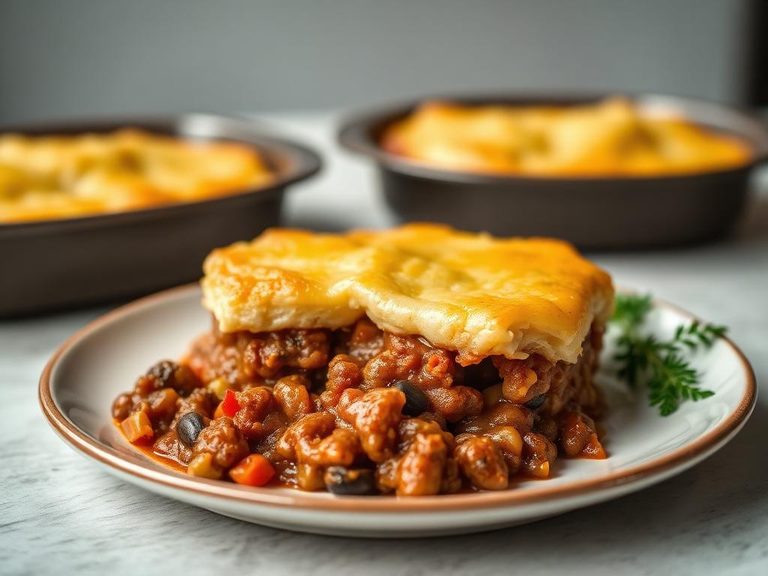


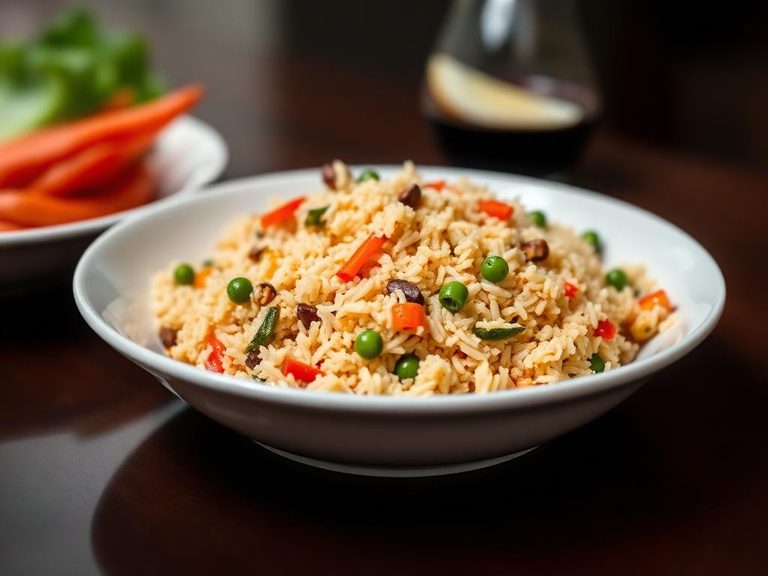

🌍 Where it's eaten
💡 Did you know?
The practice of canning peas and carrots together became a staple of American home economics in the 1950s, promoted as a time-saving 'kitchen helper' for modern housewives.
Full nutrition (USDA data · scales with serving)
| Water | 88.2 g |
| Energy | 38.0 kcal |
| Energy | 159 kj |
| Protein | 2.2 g |
| Total lipid (fat) | 0.27 g |
| Ash | 0.93 g |
| Carbohydrate, by difference | 8.5 g |
| Fiber, total dietary | 2.0 g |
| Calcium, Ca | 23.0 mg |
| Iron, Fe | 0.75 mg |
| Magnesium, Mg | 14.0 mg |
| Phosphorus, P | 46.0 mg |
| Potassium, K | 100 mg |
| Sodium, Na | 260 mg |
| Zinc, Zn | 0.58 mg |
| Copper, Cu | 0.10 mg |
| Manganese, Mn | 0.36 mg |
| Selenium, Se | 0.90 ug |
| Vitamin C, total ascorbic acid | 6.6 mg |
| Thiamin | 0.07 mg |
| Riboflavin | 0.05 mg |
| Niacin | 0.58 mg |
| Pantothenic acid | 0.12 mg |
| Vitamin B-6 | 0.09 mg |
| Folate, total | 18.0 ug |
| Folic acid | 0.00 ug |
| Folate, food | 18.0 ug |
| Folate, DFE | 18.0 ug |
| Vitamin B-12 | 0.00 ug |
| Vitamin A, RAE | 289 ug |
| Retinol | 0.00 ug |
| Vitamin A, IU | 5770 iu |
| Vitamin D (D2 + D3), International Units | 0.00 iu |
| Vitamin D (D2 + D3) | 0.00 ug |
Fat & fatty acid profile (per 100g)
| Fatty acids, total saturated | 0.05 g |
| SFA 12:0 | 0.00 g |
| SFA 14:0 | 0.00 g |
| SFA 16:0 | 0.04 g |
| SFA 18:0 | 0.00 g |
| Fatty acids, total monounsaturated | 0.02 g |
| MUFA 16:1 | 0.00 g |
| MUFA 18:1 | 0.02 g |
| Fatty acids, total polyunsaturated | 0.13 g |
| PUFA 18:2 | 0.10 g |
| PUFA 18:3 | 0.02 g |
| Fatty acids, total trans | 0.00 g |
| Cholesterol | 0.00 mg |
Amino acid profile (per 100g)
| Tryptophan | 0.02 g |
| Threonine | 0.08 g |
| Isoleucine | 0.08 g |
| Leucine | 0.13 g |
| Lysine | 0.12 g |
| Methionine | 0.03 g |
| Cystine | 0.01 g |
| Phenylalanine | 0.08 g |
| Tyrosine | 0.04 g |
| Valine | 0.09 g |
| Arginine | 0.16 g |
| Histidine | 0.04 g |
| Alanine | 0.10 g |
| Aspartic acid | 0.21 g |
| Glutamic acid | 0.31 g |
| Glycine | 0.07 g |
| Proline | 0.07 g |
| Serine | 0.07 g |
FAQ
Should I drain the liquid from the can?
It depends on your use. The liquid contains some nutrients and starch, which can be good for thickening soups or stews. For a lower-sodium option or to reduce sweetness, rinsing and draining is recommended.
How does the nutrition compare to frozen peas and carrots?
Frozen vegetables are typically blanched and retain slightly more vitamins and a firmer texture. Canned versions are fully cooked, making them softer, and may have added salt. Nutritionally, they are very comparable in terms of fiber and macronutrients.
Can I use this in a raw salad?
No. The canning process fully cooks the vegetables, making them very soft. They are best suited for cooked applications like soups, casseroles, or heated side dishes.
Nutrient density (calculated · NRF9.3)
Nutrient Rich Foods index: beneficial nutrients (protein, fiber, vitamins, minerals) minus saturated fat, added sugar & sodium, per 100 kcal.
NRF9.3 index — Fulgoni, Keast & Drewnowski, 2009. Computed from USDA nutrients.
Weight-loss friendliness (composite index)
Energy density 0.38 kcal/g · 23% calories from protein · 2.0 g fiber · 0.0 g sugar per 100 g.
Composite of energy density (Rolls et al., 1999), protein & fiber satiety, minus sugar. A calculated heuristic — ranks satiety-per-calorie, not a clinical measure.
Dietary load (calculated from USDA values)
Potential renal acid load. Positive = acid-forming, negative = alkaline-forming.
Sodium-to-potassium ratio: 2.60 (lower is better — aim for ≤ 1)
Sodium:potassium per WHO potassium guidance. Computed from USDA nutrients.