

Parsnips, cooked, boiled, drained, without salt
Whole food · Vegetables and Vegetable Products

Photo: Wikipedia
The humble parsnip, when boiled, transforms into a tender, ivory-hued root with a sweet, nutty flavor and a creamy, slightly fibrous texture. It offers a comforting, earthy sweetness that deepens with cooking, making it a staple in hearty winter dishes. Nutritionally, it's a low-fat, good source of dietary fiber, providing over 10% of your daily needs in a standard serving.
Calorie split: 7% protein · 90% carbs · 4% fat
↓ Full nutrition💚 Why it's loved
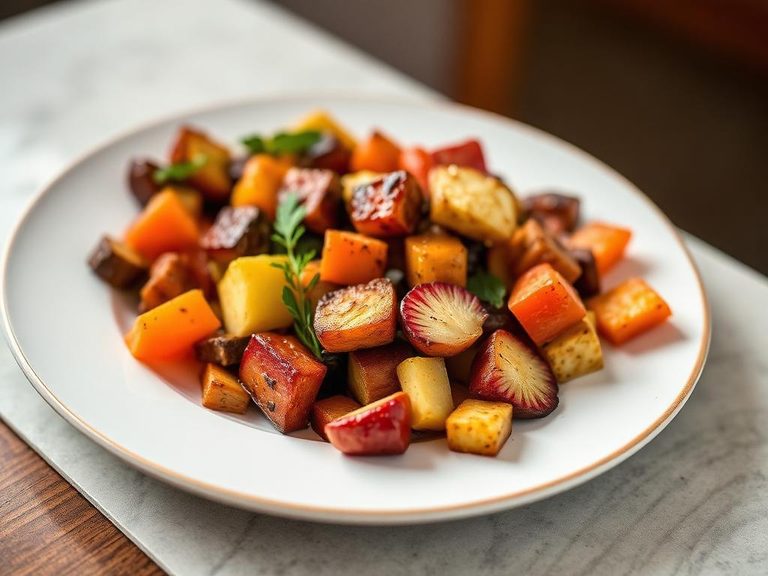
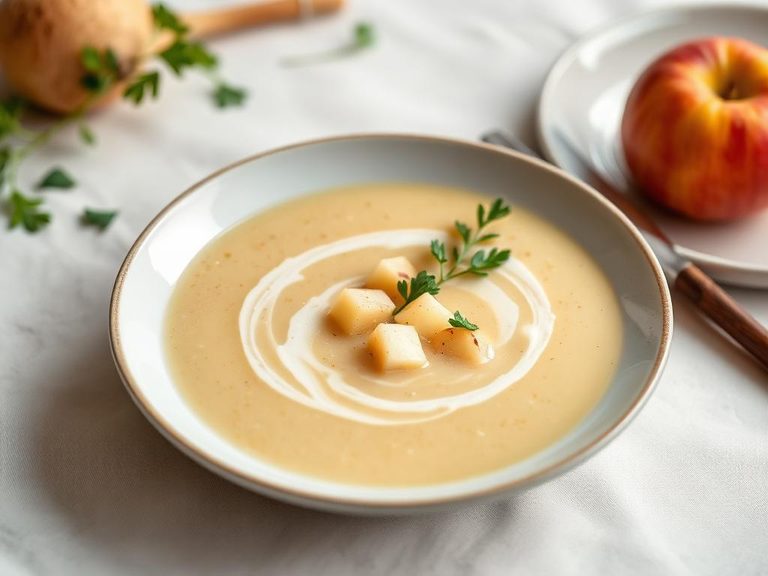
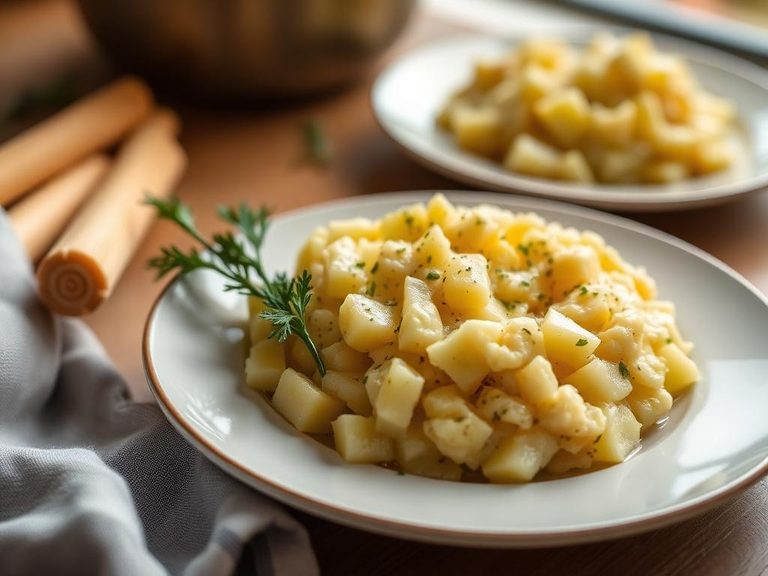
People love parsnips for their unique, caramelized sweetness that emerges upon cooking, which pairs beautifully with savory herbs and spices. Their versatility allows them to be roasted, mashed, puréed into soups, or added to stews, making them a beloved seasonal ingredient.
⚠️ Watch-outs & how to enjoy it better
Their high natural sugar content can cause blood-sugar spikes if eaten in large quantities without balancing protein or fat. To counteract this, pair parsnips with a source of protein (like chicken or lentils) or healthy fat (like olive oil or butter) in your meal. Also, be mindful of portion sizes if monitoring carbohydrate intake.
Key benefits
- Rich in dietary fiber, promoting digestive health.
- Naturally low in fat and sodium.
- Provides a good source of vitamin C and folate.
- Contains antioxidants like falcarinol.
- Offers complex carbohydrates for sustained energy.
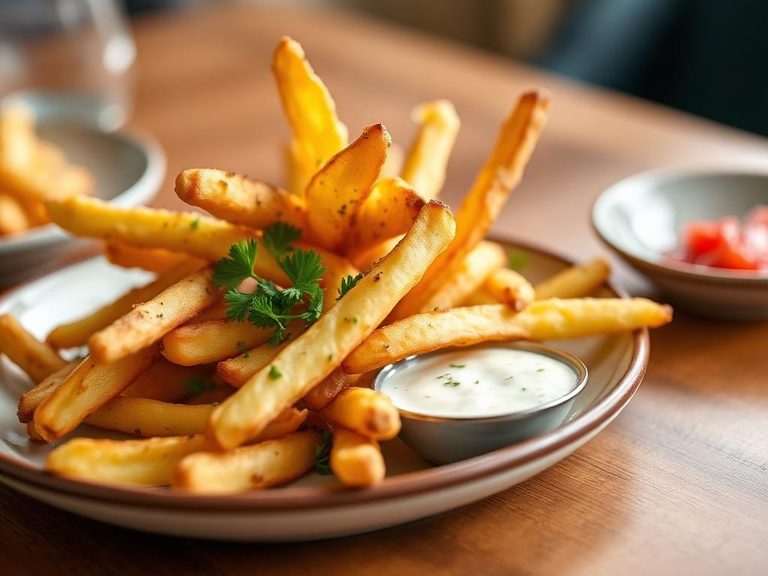
🍽️ Popular dishes
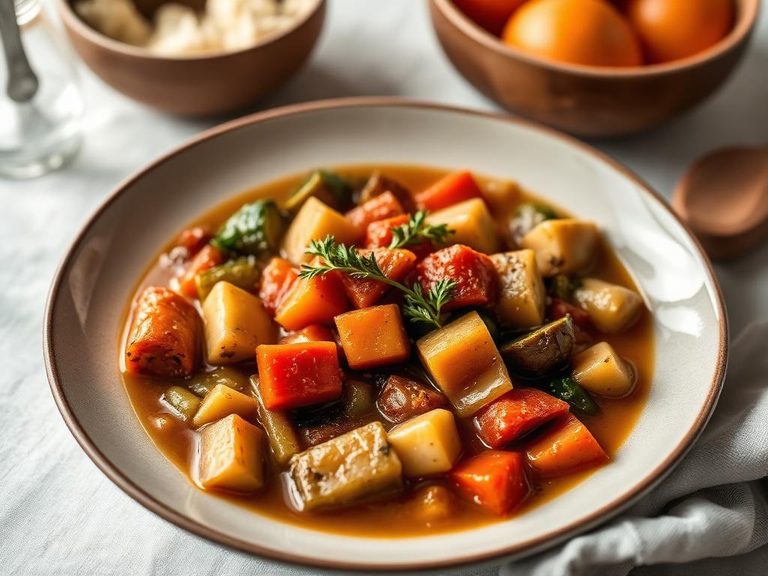
🌍 Where it's eaten
💡 Did you know?
Before the widespread use of cane sugar in Europe, parsnips were a primary source of sweetness in cooking, often used in desserts and syrups.
Full nutrition (USDA data · scales with serving)
| Water | 80.2 g |
| Energy | 71.0 kcal |
| Energy | 299 kj |
| Protein | 1.3 g |
| Total lipid (fat) | 0.30 g |
| Ash | 1.1 g |
| Carbohydrate, by difference | 17.0 g |
| Fiber, total dietary | 3.6 g |
| Total Sugars | 4.8 g |
| Calcium, Ca | 37.0 mg |
| Iron, Fe | 0.58 mg |
| Magnesium, Mg | 29.0 mg |
| Phosphorus, P | 69.0 mg |
| Potassium, K | 367 mg |
| Sodium, Na | 10.0 mg |
| Zinc, Zn | 0.26 mg |
| Copper, Cu | 0.14 mg |
| Manganese, Mn | 0.29 mg |
| Selenium, Se | 1.7 ug |
| Vitamin C, total ascorbic acid | 13.0 mg |
| Thiamin | 0.08 mg |
| Riboflavin | 0.05 mg |
| Niacin | 0.72 mg |
| Pantothenic acid | 0.59 mg |
| Vitamin B-6 | 0.09 mg |
| Folate, total | 58.0 ug |
| Folic acid | 0.00 ug |
| Folate, food | 58.0 ug |
| Folate, DFE | 58.0 ug |
| Choline, total | 27.0 mg |
| Vitamin B-12 | 0.00 ug |
| Vitamin B-12, added | 0.00 ug |
| Vitamin A, RAE | 0.00 ug |
| Retinol | 0.00 ug |
| Carotene, beta | 0.00 ug |
| Carotene, alpha | 0.00 ug |
| Cryptoxanthin, beta | 0.00 ug |
| Vitamin A, IU | 0.00 iu |
| Lycopene | 0.00 ug |
| Lutein + zeaxanthin | 0.00 ug |
| Vitamin E (alpha-tocopherol) | 1.0 mg |
| Vitamin E, added | 0.00 mg |
| Vitamin D (D2 + D3), International Units | 0.00 iu |
| Vitamin D (D2 + D3) | 0.00 ug |
| Vitamin K (phylloquinone) | 1.0 ug |
| Alcohol, ethyl | 0.00 g |
| Caffeine | 0.00 mg |
| Theobromine | 0.00 mg |
Fat & fatty acid profile (per 100g)
| Fatty acids, total saturated | 0.05 g |
| SFA 4:0 | 0.00 g |
| SFA 6:0 | 0.00 g |
| SFA 8:0 | 0.00 g |
| SFA 10:0 | 0.00 g |
| SFA 12:0 | 0.00 g |
| SFA 14:0 | 0.00 g |
| SFA 16:0 | 0.03 g |
| SFA 18:0 | 0.01 g |
| Fatty acids, total monounsaturated | 0.11 g |
| MUFA 16:1 | 0.00 g |
| MUFA 18:1 | 0.10 g |
| MUFA 20:1 | 0.00 g |
| MUFA 22:1 | 0.00 g |
| Fatty acids, total polyunsaturated | 0.05 g |
| PUFA 18:2 | 0.04 g |
| PUFA 18:3 | 0.00 g |
| PUFA 18:4 | 0.00 g |
| PUFA 20:4 | 0.00 g |
| PUFA 20:5 n-3 (EPA) | 0.00 g |
| PUFA 22:5 n-3 (DPA) | 0.00 g |
| PUFA 22:6 n-3 (DHA) | 0.00 g |
| Fatty acids, total trans | 0.00 g |
| Cholesterol | 0.00 mg |
FAQ
How does boiling affect the nutritional value of parsnips?
Boiling can cause some water-soluble vitamins, like vitamin C and B vitamins, to leach into the cooking water. To retain more nutrients, consider using the cooking water in soups or sauces, or opt for steaming or roasting.
Can parsnips be eaten raw?
Yes, they can be shredded into salads for a sweet, crunchy element. However, their texture is quite tough and fibrous raw, and cooking significantly enhances their sweetness and digestibility.
What's the difference between a parsnip and a white carrot?
While they look similar, parsnips are a distinct root vegetable with a sweeter, nuttier, and more complex flavor than a white carrot. They belong to the same family (Apiaceae) but are different species.
Nutrient density (calculated · NRF9.3)
Nutrient Rich Foods index: beneficial nutrients (protein, fiber, vitamins, minerals) minus saturated fat, added sugar & sodium, per 100 kcal.
NRF9.3 index — Fulgoni, Keast & Drewnowski, 2009. Computed from USDA nutrients.
Weight-loss friendliness (composite index)
Energy density 0.71 kcal/g · 7% calories from protein · 3.6 g fiber · 4.8 g sugar per 100 g.
Composite of energy density (Rolls et al., 1999), protein & fiber satiety, minus sugar. A calculated heuristic — ranks satiety-per-calorie, not a clinical measure.
Dietary load (calculated from USDA values)
Potential renal acid load. Positive = acid-forming, negative = alkaline-forming.
Sodium-to-potassium ratio: 0.03 (lower is better — aim for ≤ 1)
Sodium:potassium per WHO potassium guidance. Computed from USDA nutrients.