

Lemons, raw, without peel
Whole food · Fruits and Fruit Juices

Photo: Wikipedia
A raw, peeled lemon is a vibrant, acidic citrus fruit with a juicy, segmented interior and a sharp, tangy flavor that awakens the palate. Its bright yellow flesh is packed with vitamin C and offers a clean, refreshing taste with a notable lack of sweetness. Nutritionally, it's a low-calorie powerhouse, delivering nearly 3 grams of fiber per 100g, which is exceptional for a fruit.
Calorie split: 10% protein · 84% carbs · 6% fat
↓ Full nutrition💚 Why it's loved
People adore lemons for their unmatched ability to brighten and balance flavors, cutting through richness and adding a zesty, clean finish to both sweet and savory dishes. They are a culinary cornerstone, symbolizing freshness across countless global cuisines.
⚠️ Watch-outs & how to enjoy it better
The high citric acid content can erode tooth enamel and may aggravate acid reflux or sensitive stomachs in some individuals. To counteract this, drink lemon water through a straw, rinse your mouth with plain water afterward, and avoid consuming it on a completely empty stomach if you're prone to discomfort.
Key benefits
- Excellent source of immune-supporting vitamin C.
- High in soluble fiber, aiding digestion.
- Adds intense flavor with negligible calories.
- Contains flavonoids with antioxidant properties.
- May enhance iron absorption from plant foods.
🍽️ Popular dishes

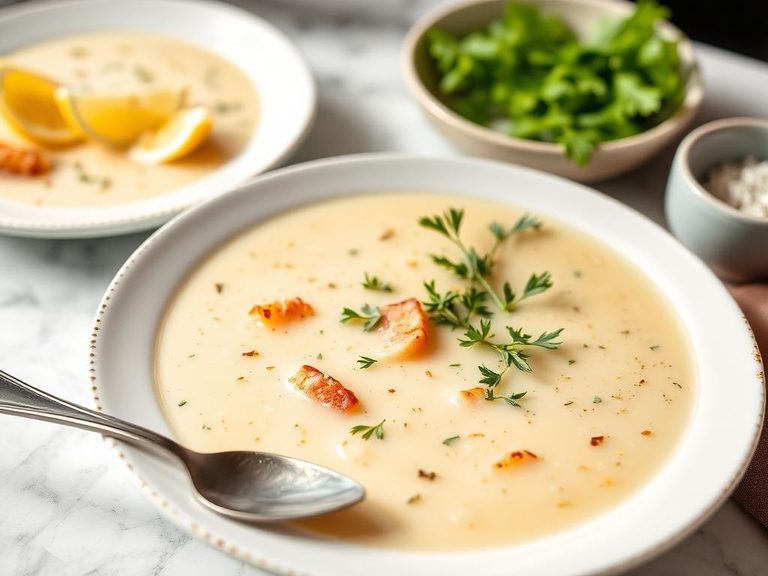
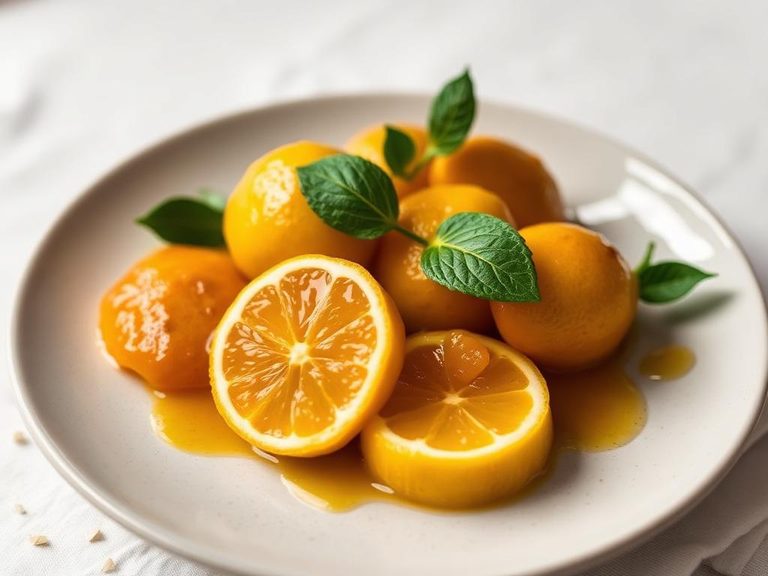
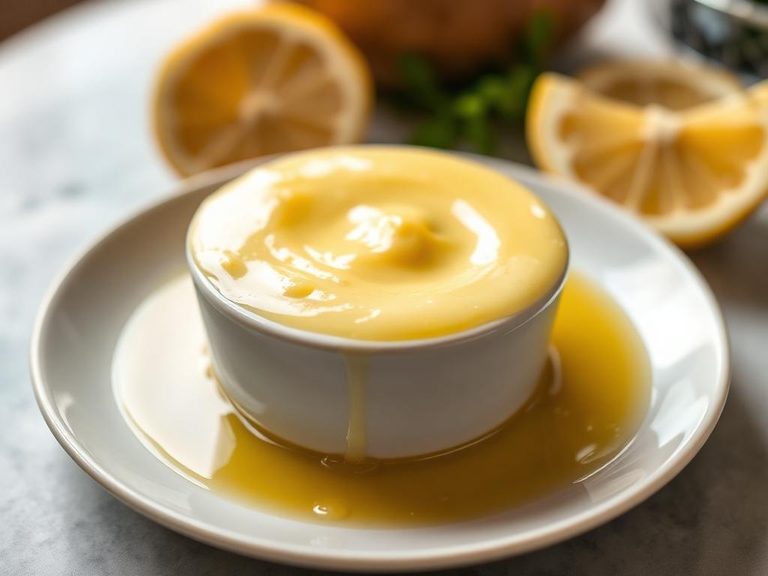
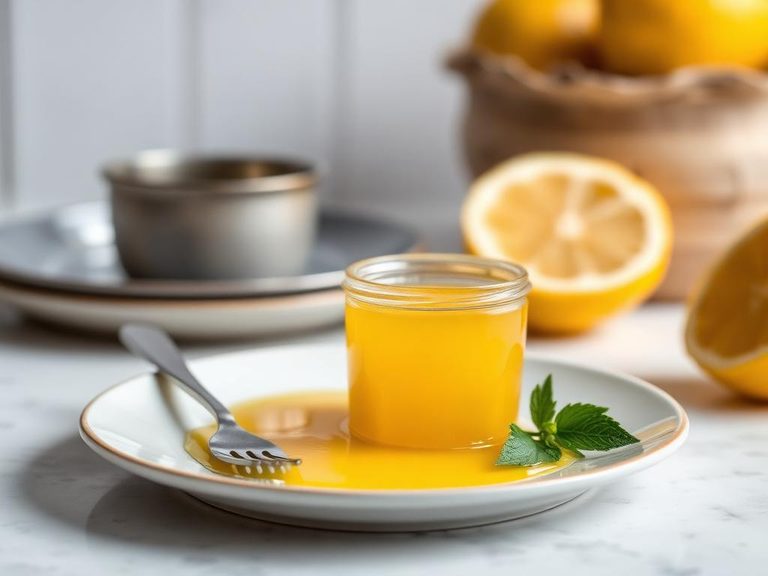
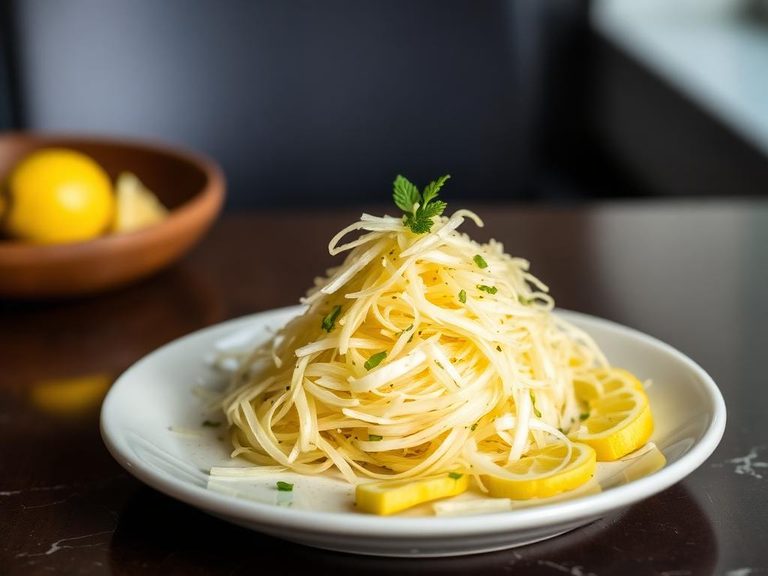
🌍 Where it's eaten
💡 Did you know?
A single lemon tree can produce between 200 and 300 lemons per year, and it takes approximately 45 lemons to produce one pound of essential lemon oil.
Full nutrition (USDA data · scales with serving)
| Water | 89.0 g |
| Energy | 29.0 kcal |
| Energy | 121 kj |
| Protein | 1.1 g |
| Total lipid (fat) | 0.30 g |
| Ash | 0.30 g |
| Carbohydrate, by difference | 9.3 g |
| Fiber, total dietary | 2.8 g |
| Total Sugars | 2.5 g |
| Calcium, Ca | 26.0 mg |
| Iron, Fe | 0.60 mg |
| Magnesium, Mg | 8.0 mg |
| Phosphorus, P | 16.0 mg |
| Potassium, K | 138 mg |
| Sodium, Na | 2.0 mg |
| Zinc, Zn | 0.06 mg |
| Copper, Cu | 0.04 mg |
| Manganese, Mn | 0.03 mg |
| Selenium, Se | 0.40 ug |
| Vitamin C, total ascorbic acid | 53.0 mg |
| Thiamin | 0.04 mg |
| Riboflavin | 0.02 mg |
| Niacin | 0.10 mg |
| Pantothenic acid | 0.19 mg |
| Vitamin B-6 | 0.08 mg |
| Folate, total | 11.0 ug |
| Folic acid | 0.00 ug |
| Folate, food | 11.0 ug |
| Folate, DFE | 11.0 ug |
| Choline, total | 5.1 mg |
| Vitamin B-12 | 0.00 ug |
| Vitamin B-12, added | 0.00 ug |
| Vitamin A, RAE | 1.0 ug |
| Retinol | 0.00 ug |
| Carotene, beta | 3.0 ug |
| Carotene, alpha | 1.0 ug |
| Cryptoxanthin, beta | 20.0 ug |
| Vitamin A, IU | 22.0 iu |
| Lycopene | 0.00 ug |
| Lutein + zeaxanthin | 11.0 ug |
| Vitamin E (alpha-tocopherol) | 0.15 mg |
| Vitamin E, added | 0.00 mg |
| Vitamin D (D2 + D3), International Units | 0.00 iu |
| Vitamin D (D2 + D3) | 0.00 ug |
| Vitamin K (phylloquinone) | 0.00 ug |
| Alcohol, ethyl | 0.00 g |
| Caffeine | 0.00 mg |
| Theobromine | 0.00 mg |
Fat & fatty acid profile (per 100g)
| Fatty acids, total saturated | 0.04 g |
| SFA 4:0 | 0.00 g |
| SFA 6:0 | 0.00 g |
| SFA 8:0 | 0.00 g |
| SFA 10:0 | 0.00 g |
| SFA 12:0 | 0.00 g |
| SFA 14:0 | 0.00 g |
| SFA 16:0 | 0.04 g |
| SFA 18:0 | 0.00 g |
| Fatty acids, total monounsaturated | 0.01 g |
| MUFA 16:1 | 0.00 g |
| MUFA 18:1 | 0.01 g |
| MUFA 20:1 | 0.00 g |
| MUFA 22:1 | 0.00 g |
| Fatty acids, total polyunsaturated | 0.09 g |
| PUFA 18:2 | 0.06 g |
| PUFA 18:3 | 0.03 g |
| PUFA 18:4 | 0.00 g |
| PUFA 20:4 | 0.00 g |
| PUFA 20:5 n-3 (EPA) | 0.00 g |
| PUFA 22:5 n-3 (DPA) | 0.00 g |
| PUFA 22:6 n-3 (DHA) | 0.00 g |
| Fatty acids, total trans | 0.00 g |
| Cholesterol | 0.00 mg |
FAQ
How do I get more juice from a lemon?
Roll the lemon firmly on the counter with your palm before cutting, or microwave it for 10-15 seconds. This helps break down the internal membranes, releasing more juice.
Is the white pith under the peel edible?
Yes, it's edible and contains beneficial flavonoids and fiber, but it has a bitter taste. Most recipes call for the zest (the colored outer layer) to avoid this bitterness.
How should I store fresh lemons?
For short-term use (a week), store at room temperature. For longer storage (up to a month), keep them in a sealed container in the refrigerator's crisper drawer to retain moisture.
Nutrient density (calculated · NRF9.3)
Nutrient Rich Foods index: beneficial nutrients (protein, fiber, vitamins, minerals) minus saturated fat, added sugar & sodium, per 100 kcal.
NRF9.3 index — Fulgoni, Keast & Drewnowski, 2009. Computed from USDA nutrients.
Weight-loss friendliness (composite index)
Energy density 0.29 kcal/g · 15% calories from protein · 2.8 g fiber · 2.5 g sugar per 100 g.
Composite of energy density (Rolls et al., 1999), protein & fiber satiety, minus sugar. A calculated heuristic — ranks satiety-per-calorie, not a clinical measure.
Dietary load (calculated from USDA values)
Potential renal acid load. Positive = acid-forming, negative = alkaline-forming.
Sodium-to-potassium ratio: 0.01 (lower is better — aim for ≤ 1)
Sodium:potassium per WHO potassium guidance. Computed from USDA nutrients.