Preserved Lemons
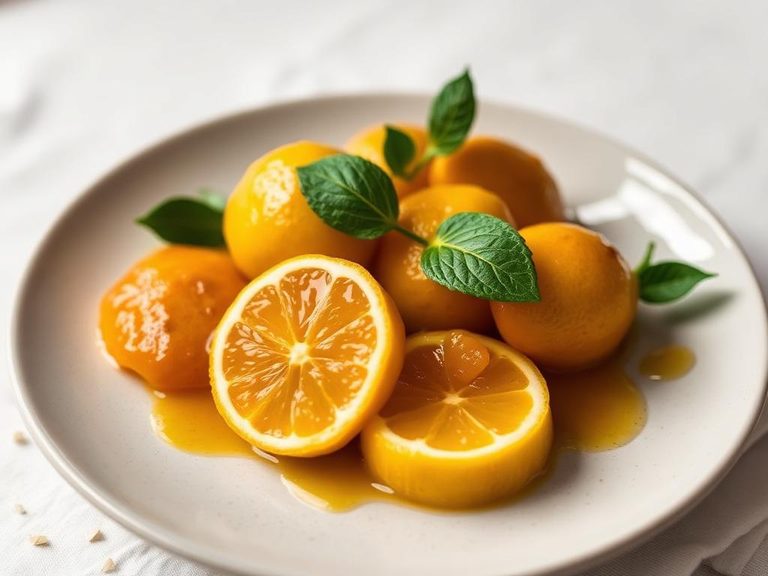
Preserved lemons are a staple condiment in North African and Middle Eastern cuisine, most famously in Moroccan cooking. They are made by packing whole or sliced lemons in salt and their own juices, then allowing them to ferment and soften over several weeks, resulting in a deeply savory, tangy, and umami-rich ingredient.
🍽️ Nutrition at a glance
This is a low-calorie, fat-free, and low-carb condiment, with a single tablespoon containing roughly 2-3 calories. Its primary nutritional contribution is a very high sodium content from the curing salt, along with a concentrated dose of vitamin C and antioxidants from the lemon peel.
Nutrition breakdown
| Calories | 11 kcal |
| Protein | 0.4 g |
| Carbs | 2.8 g |
| Fat | 0.1 g |
| Fiber | 1.2 g |
| Sugar | 0.8 g |
| Sodium | 1540 mg |
| Vitamin C | 12 mg |
| Potassium | 85 mg |
| Calcium | 30 mg |
| Iron | 0.6 mg |
| Vitamin A | 15 µg RAE |
| Magnesium | 8 mg |
| Vitamin B6 | 0.02 mg |
| Folate | 10 µg |
Per 1/4 cup (42 g) · estimated, varies by recipe
💡 What's interesting
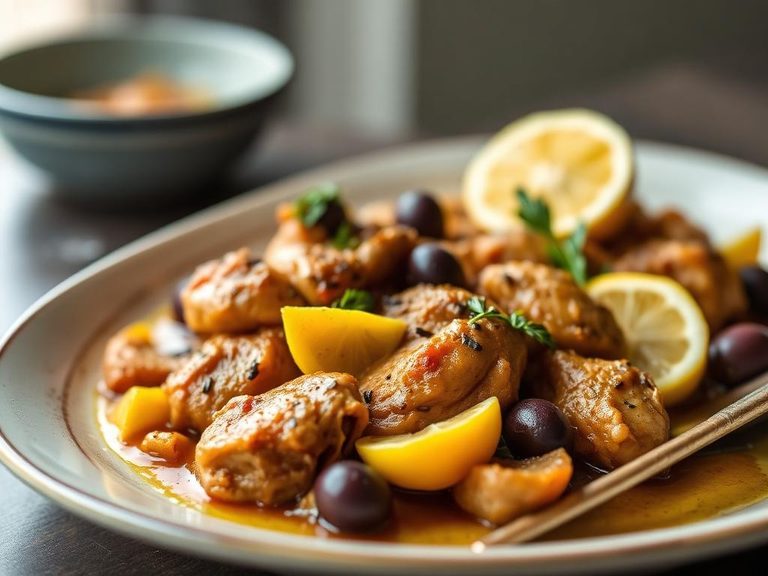
Culturally, preserved lemons are a cornerstone of Moroccan tagines and salads, adding a unique, complex flavor that fresh lemons cannot replicate. Nutritionally, the fermentation process not only preserves the fruit but also creates beneficial probiotics and makes the nutrients in the peel more bioavailable.