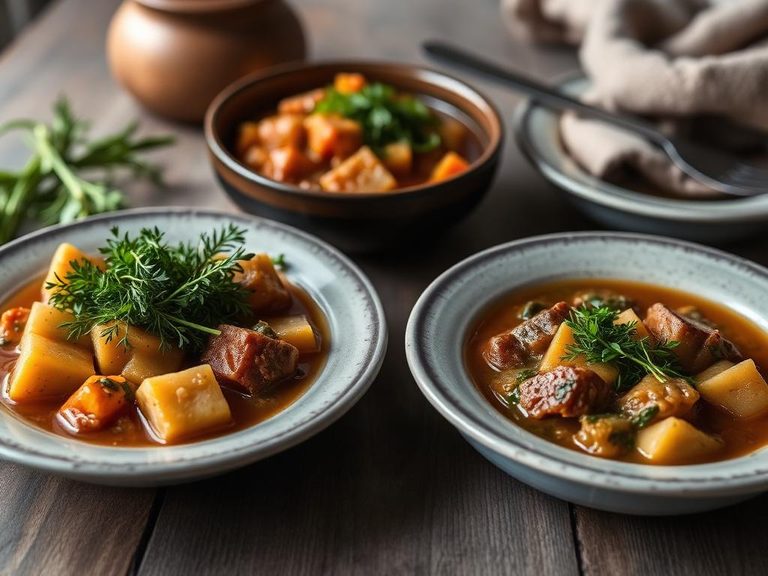
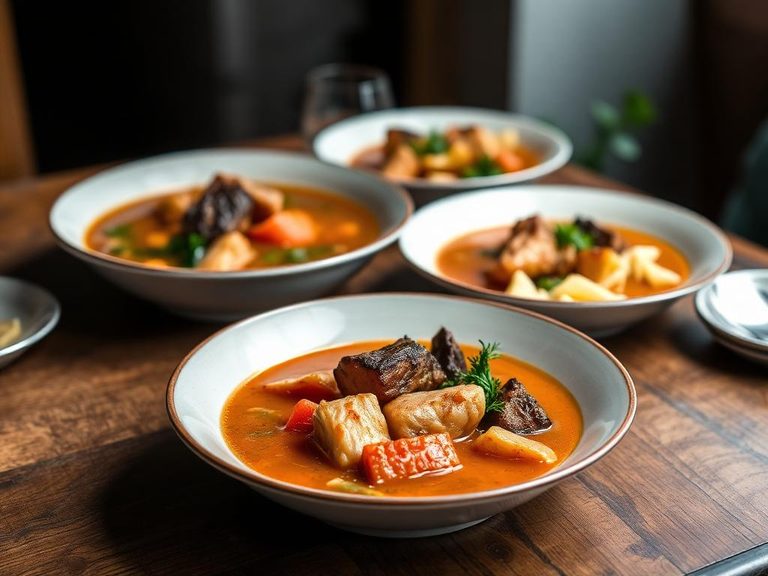
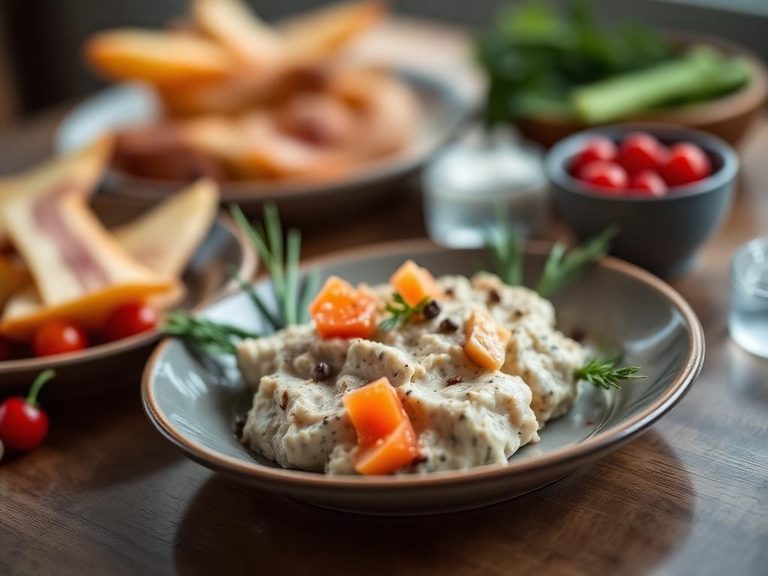
Traditional Alaska Native oil-preserved leaf dish
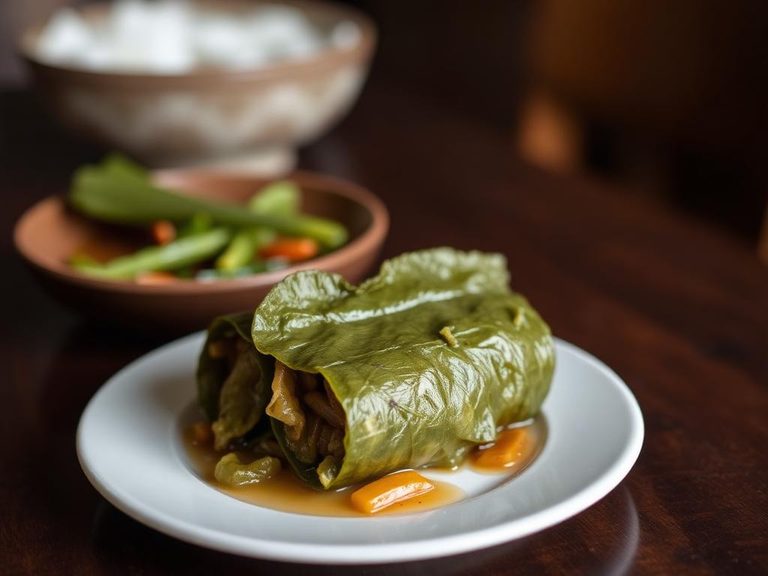
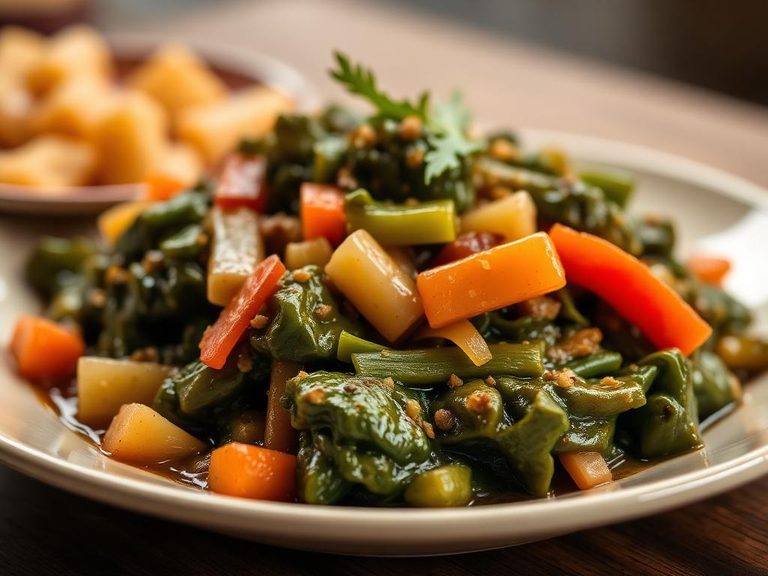
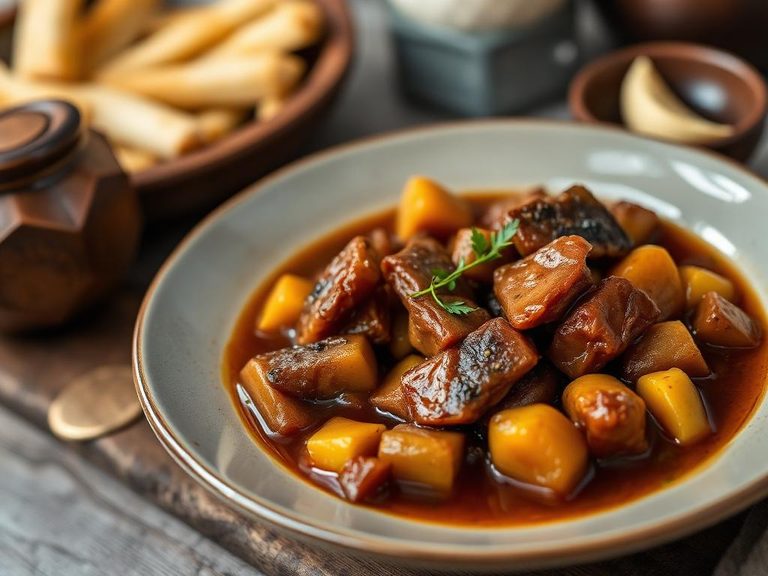
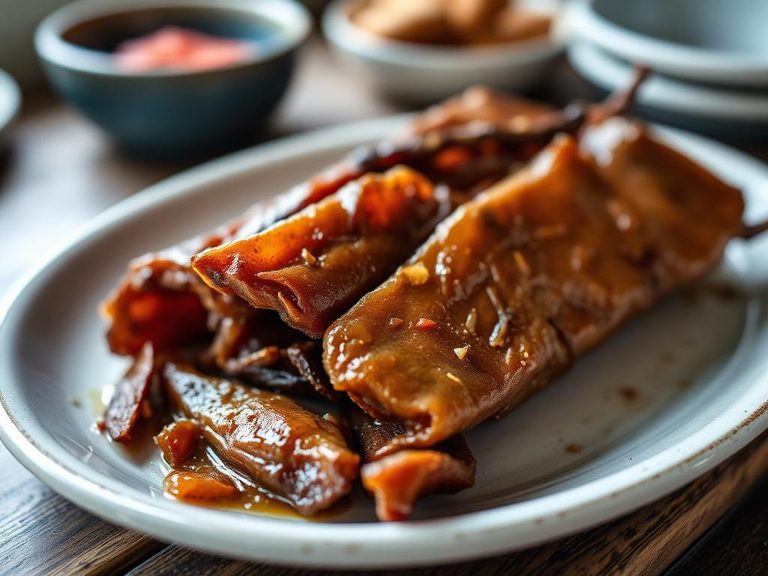
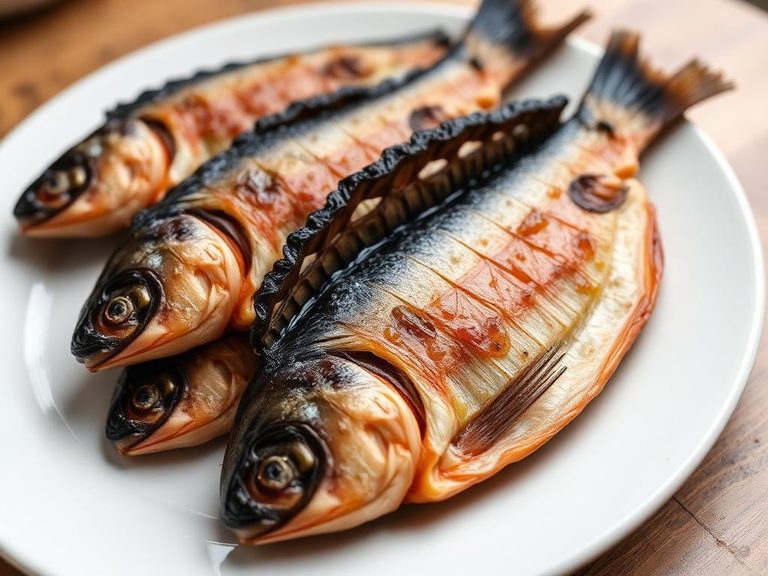
Traditional Alaska Native oil-preserved leaf dish, often referred to as 'stink greens' or similar regional names, is a preserved food made from the leaves of plants like wild celery or other local greens. The leaves are typically cleaned, layered with seal oil or other rendered animal fats in a container, and allowed to ferment or preserve over time. This method is a traditional subsistence practice from coastal and interior Alaska Native communities.
🍽️ Nutrition at a glance
This dish is very high in fat due to the preservation in seal oil, which provides a dense source of calories and essential fatty acids. It is a good source of fat-soluble vitamins and minerals, with a rough calorie estimate of 250-350 kcal per typical serving, depending on the ratio of greens to oil.
Nutrition breakdown
| Calories | 300 kcal |
| Protein | 2.5 g |
| Carbs | 3 g |
| Fat | 32 g |
| Fiber | 1.5 g |
| Sugar | 0.5 g |
| Sodium | 150 mg |
| Vitamin K | 90 mcg |
| Vitamin A | 4500 IU |
| Omega-3 (EPA+DHA) | 1.2 g |
| Iron | 2.1 mg |
| Calcium | 85 mg |
| Vitamin E | 3.5 mg |
| Selenium | 4 mcg |
| Magnesium | 30 mg |
Per 1/2 cup (120 g) · estimated, varies by recipe
💡 What's interesting
The preservation method is a unique cultural adaptation to the harsh Alaskan environment, allowing communities to store nutrient-dense greens for long winters. Nutritionally, it provides a rare combination of plant-based nutrients and the omega-3 fatty acids from marine mammal oil, which are crucial for health in cold climates.