

Lambsquarters, raw (Northern Plains Indians)
Whole food · American Indian/Alaska Native Foods
Lambsquarters, also known as wild spinach, is a leafy green foraged by Northern Plains Indians and prized for its mild, slightly nutty flavor reminiscent of spinach but earthier. The raw leaves have a tender, delicate texture with a subtle mineral quality, making them a nutritious wild food with a notably high fiber content for a green.
Calorie split: 36% protein · 59% carbs · 5% fat
↓ Full nutrition💚 Why it's loved
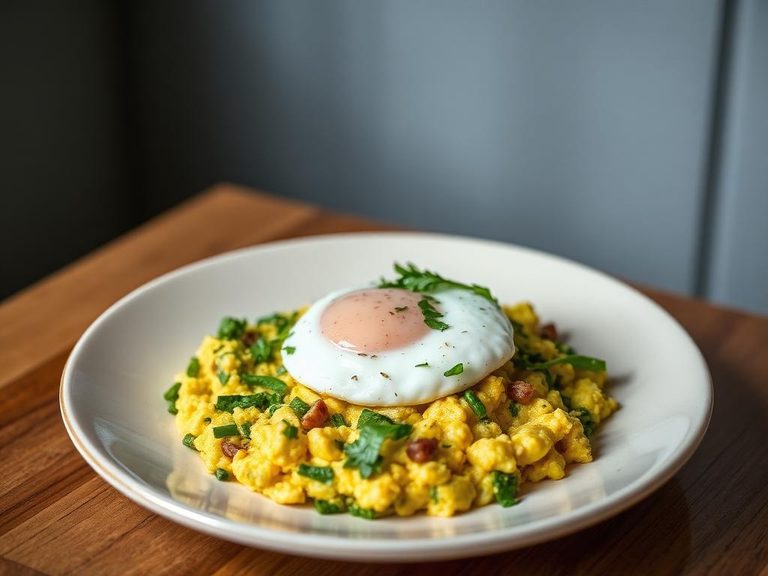
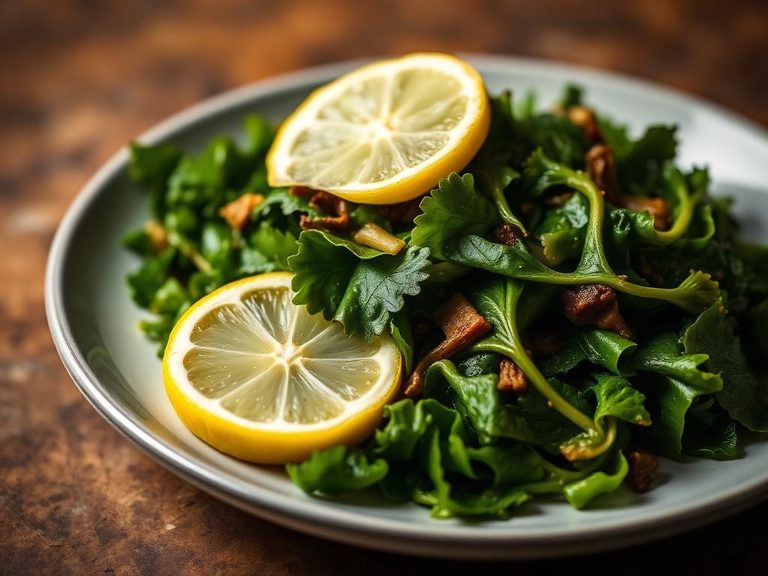
People love lambsquarters for its versatile, mild taste that blends seamlessly into salads, smoothies, or cooked dishes without overpowering other flavors. It holds deep cultural significance for Indigenous communities as a traditional, sustainable food source that connects them to ancestral foraging practices.
⚠️ Watch-outs & how to enjoy it better
Lambsquarters contains oxalates, which can contribute to kidney stone formation in susceptible individuals; to counteract this, cook the leaves (boiling and discarding the water reduces oxalates) and pair with calcium-rich foods. It may also accumulate nitrates from soil, so avoid foraging from contaminated areas like roadsides or agricultural fields.
Key benefits
- Excellent source of dietary fiber (6.3g per 100g)
- High in plant-based protein for a leafy green
- Very low in fat and naturally sugar-free
- Rich in vitamins A and C, and minerals like calcium and iron
🍽️ Popular dishes
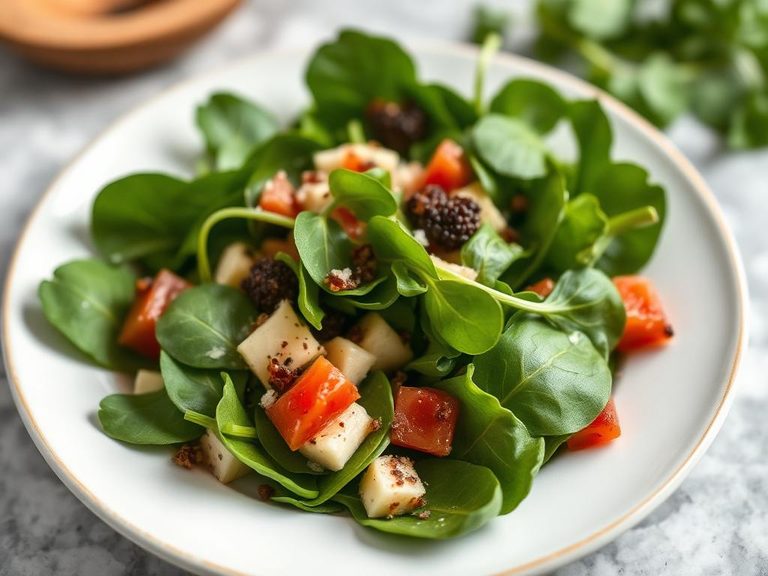
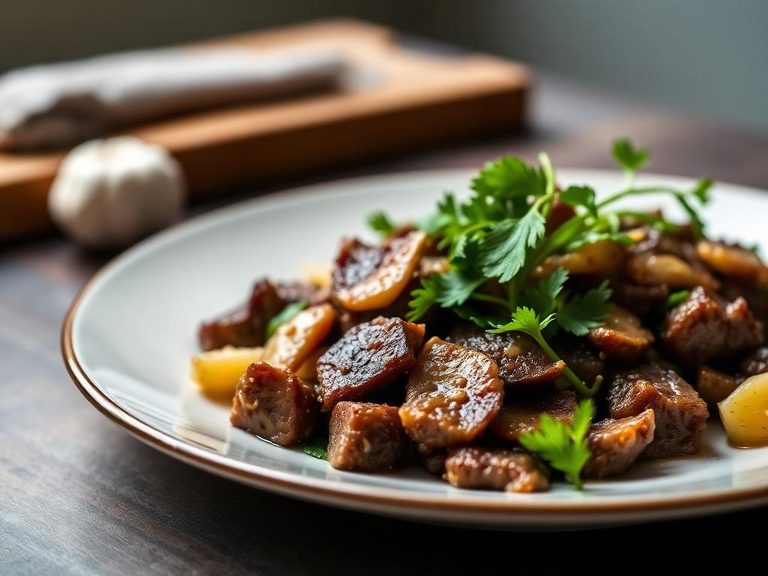
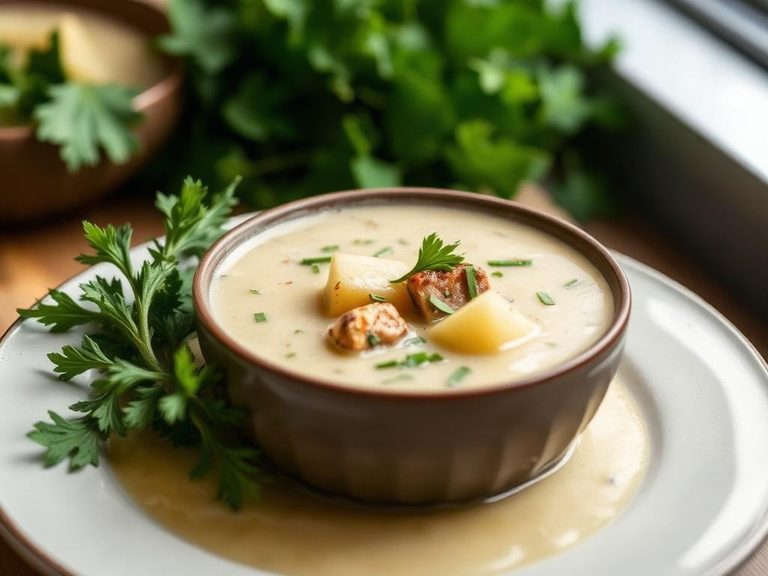
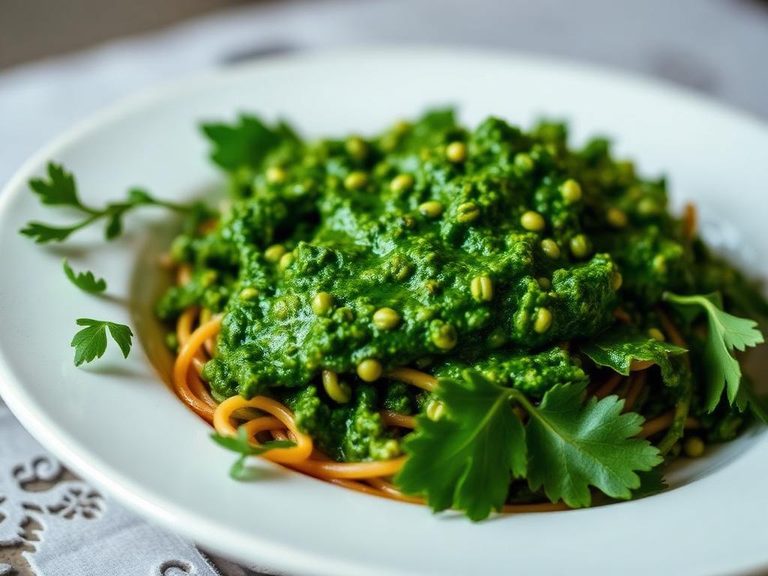
🌍 Where it's eaten
💡 Did you know?
Lambsquarters is so nutritious that some studies have found it contains more protein and calcium per gram than cultivated spinach, earning it the nickname 'the spinach of the wilderness'.
Full nutrition (USDA data · scales with serving)
| Water | 85.2 g |
| Energy | 47.0 kcal |
| Energy | 197 kj |
| Protein | 4.2 g |
| Total lipid (fat) | 0.28 g |
| Ash | 3.3 g |
| Carbohydrate, by difference | 7.0 g |
| Fiber, total dietary | 6.3 g |
| Calcium, Ca | 366 mg |
| Iron, Fe | 1.2 mg |
| Magnesium, Mg | 163 mg |
| Phosphorus, P | 63.0 mg |
| Potassium, K | 1270 mg |
| Sodium, Na | 7.0 mg |
| Zinc, Zn | 0.72 mg |
| Copper, Cu | 0.12 mg |
| Manganese, Mn | 1.5 mg |
| Selenium, Se | 1.1 ug |
| Thiamin | 0.03 mg |
| Riboflavin | 0.30 mg |
| Niacin | 0.79 mg |
| Vitamin B-6 | 0.18 mg |
| Folate, total | 48.0 ug |
| Folate, food | 48.0 ug |
| Choline, total | 20.0 mg |
| Betaine | 332 mg |
| Vitamin A, RAE | 98.0 ug |
| Carotene, beta | 1171 ug |
| Carotene, alpha | 0.00 ug |
| Cryptoxanthin, beta | 0.00 ug |
| Vitamin A, IU | 1952 iu |
| Lycopene | 0.00 ug |
| Lutein + zeaxanthin | 3616 ug |
| Vitamin K (phylloquinone) | 347 ug |
| Vitamin K (Dihydrophylloquinone) | 0.00 ug |
| Vitamin K (Menaquinone-4) | 0.00 ug |
Fat & fatty acid profile (per 100g)
Estimated from Lambsquarters, cooked, boiled, drained, with salt — USDA does not publish this profile for Lambsquarters.
| Fatty acids, total saturated | 0.05 g |
| SFA 14:0 | 0.00 g |
| SFA 16:0 | 0.04 g |
| SFA 18:0 | 0.00 g |
| Fatty acids, total monounsaturated | 0.13 g |
| MUFA 16:1 | 0.00 g |
| MUFA 18:1 | 0.10 g |
| MUFA 20:1 | 0.01 g |
| MUFA 22:1 | 0.02 g |
| Fatty acids, total polyunsaturated | 0.31 g |
| PUFA 18:2 | 0.27 g |
| PUFA 18:3 | 0.03 g |
| PUFA 20:4 | 0.00 g |
| Fatty acids, total trans | 0.00 g |
| Cholesterol | 0.00 mg |
Amino acid profile (per 100g)
Estimated from Lambsquarters, cooked, boiled, drained, with salt — USDA does not publish this profile for Lambsquarters.
| Tryptophan | 0.03 g |
| Threonine | 0.12 g |
| Isoleucine | 0.19 g |
| Leucine | 0.27 g |
| Lysine | 0.27 g |
| Methionine | 0.04 g |
| Cystine | 0.07 g |
| Phenylalanine | 0.13 g |
| Tyrosine | 0.13 g |
| Valine | 0.17 g |
| Arginine | 0.19 g |
| Histidine | 0.09 g |
| Alanine | 0.24 g |
| Aspartic acid | 0.33 g |
| Glutamic acid | 0.40 g |
| Glycine | 0.19 g |
| Proline | 0.17 g |
| Serine | 0.15 g |
FAQ
Is lambsquarters the same as spinach?
No, lambsquarters (Chenopodium album) is a wild relative of spinach but belongs to the amaranth family. It has a similar taste and nutritional profile but is foraged rather than cultivated.
How do I identify lambsquarters safely?
Look for diamond-shaped leaves with a white, mealy coating on the underside, especially on new growth. The stems often have reddish or purple streaks. Always forage with an expert guide to avoid confusion with toxic look-alikes.
Can I eat lambsquarters raw?
Yes, young, tender leaves can be eaten raw in salads. However, cooking is recommended for mature leaves to reduce oxalate content and improve digestibility.
Nutrient density (calculated · NRF9.3)
Nutrient Rich Foods index: beneficial nutrients (protein, fiber, vitamins, minerals) minus saturated fat, added sugar & sodium, per 100 kcal.
NRF9.3 index — Fulgoni, Keast & Drewnowski, 2009. Computed from USDA nutrients.
Weight-loss friendliness (composite index)
Energy density 0.47 kcal/g · 36% calories from protein · 6.3 g fiber · 0.0 g sugar per 100 g.
Composite of energy density (Rolls et al., 1999), protein & fiber satiety, minus sugar. A calculated heuristic — ranks satiety-per-calorie, not a clinical measure.
Dietary load (calculated from USDA values)
Potential renal acid load. Positive = acid-forming, negative = alkaline-forming.
Sodium-to-potassium ratio: 0.01 (lower is better — aim for ≤ 1)
Sodium:potassium per WHO potassium guidance. Computed from USDA nutrients.