

Lamb, shoulder, arm, separable lean and fat, trimmed to 1/8" fat, choice, raw
Whole food · Lamb, Veal, and Game Products
This cut comes from the lower portion of the lamb shoulder, prized for its rich, meaty flavor and a balance of tender lean meat and flavorful fat. When raw, it presents a deep red hue with distinct marbling that promises succulence once cooked. Nutritionally, it is a dense source of high-quality protein and energy, providing nearly 19 grams of fat per 100 grams to fuel satiety.
Calorie split: 29% protein · 0% carbs · 71% fat
↓ Full nutrition💚 Why it's loved
People love this cut for its robust, slightly gamey taste that pairs beautifully with strong herbs like rosemary and garlic. Its versatility allows it to be slow-roasted until falling apart or grilled for a charred, juicy bite, making it a staple in hearty comfort meals.
⚠️ Watch-outs & how to enjoy it better
The relatively high fat content (nearly 19g per 100g) can be a concern for those monitoring caloric intake or saturated fat consumption. To mitigate this, trim excess visible fat before cooking and pair it with fiber-rich vegetables like roasted broccoli or a fresh salad to balance the meal's overall profile.
Key benefits
- Provides a substantial 17 grams of protein per 100g for muscle maintenance
- Rich in bioavailable iron and zinc essential for immune function
- Contains B vitamins like B12 and niacin for energy metabolism
- Offers a high satiety factor due to the combination of protein and fat
- Zero carbohydrates, making it suitable for ketogenic and low-carb diets
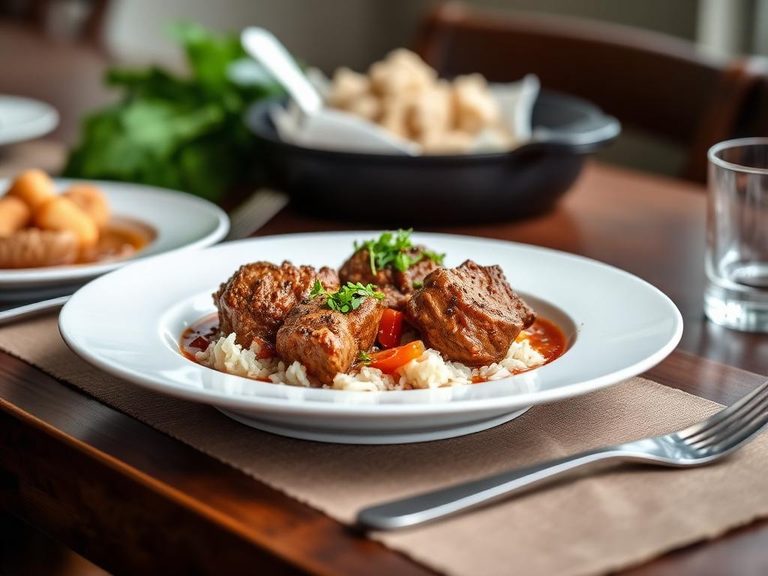
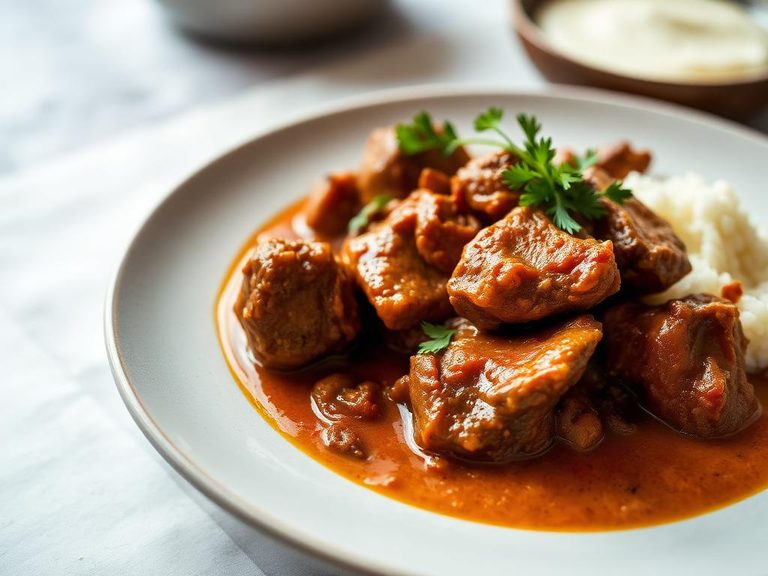
🍽️ Popular dishes
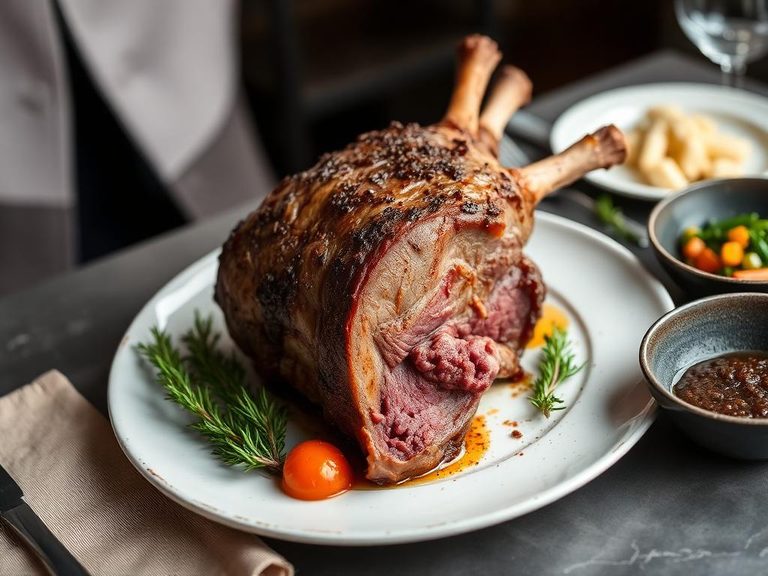
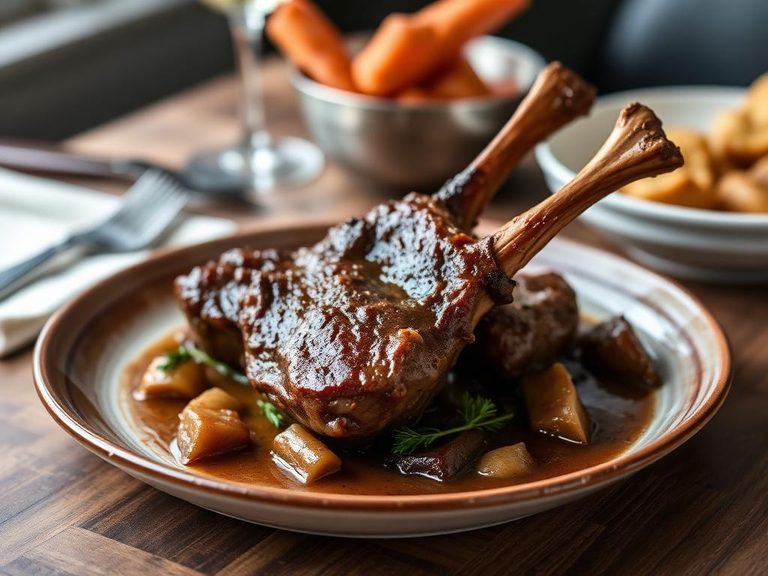
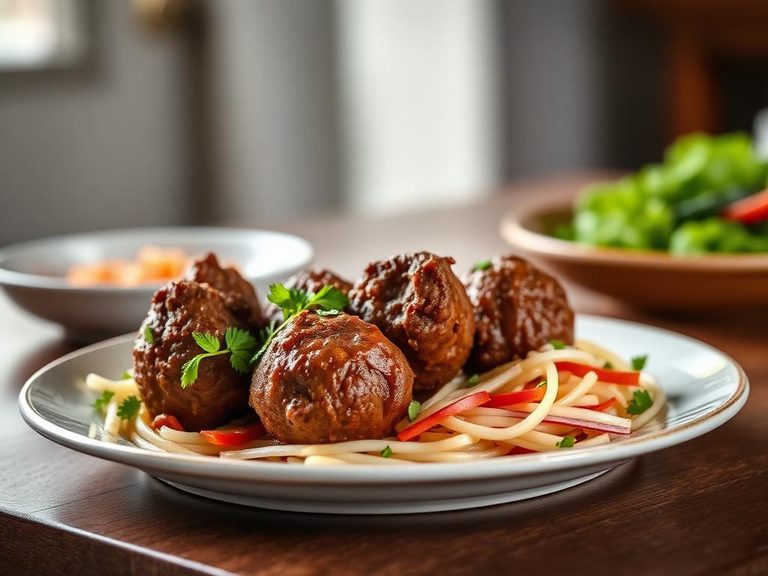
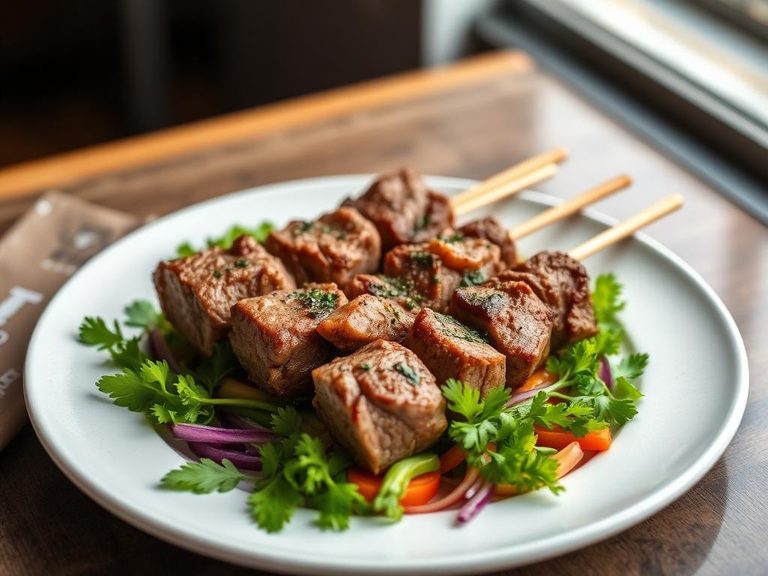
🌍 Where it's eaten
💡 Did you know?
Lamb shoulder is often considered the most flavorful cut because it contains a higher ratio of connective tissue and fat, which breaks down into gelatin during slow cooking, creating an incredibly moist and tender result.
Full nutrition (USDA data · scales with serving)
| Water | 63.3 g |
| Energy | 244 kcal |
| Energy | 1021 kj |
| Protein | 17.2 g |
| Total lipid (fat) | 18.9 g |
| Ash | 0.92 g |
| Carbohydrate, by difference | 0.00 g |
| Fiber, total dietary | 0.00 g |
| Calcium, Ca | 14.0 mg |
| Iron, Fe | 1.6 mg |
| Magnesium, Mg | 22.0 mg |
| Phosphorus, P | 162 mg |
| Potassium, K | 244 mg |
| Sodium, Na | 61.0 mg |
| Zinc, Zn | 3.5 mg |
| Copper, Cu | 0.10 mg |
| Manganese, Mn | 0.02 mg |
| Selenium, Se | 19.8 ug |
| Vitamin C, total ascorbic acid | 0.00 mg |
| Thiamin | 0.11 mg |
| Riboflavin | 0.22 mg |
| Niacin | 6.1 mg |
| Pantothenic acid | 0.69 mg |
| Vitamin B-6 | 0.13 mg |
| Folate, total | 19.0 ug |
| Folic acid | 0.00 ug |
| Folate, food | 19.0 ug |
| Folate, DFE | 19.0 ug |
| Vitamin B-12 | 2.5 ug |
| Vitamin A, RAE | 0.00 ug |
| Retinol | 0.00 ug |
| Vitamin A, IU | 0.00 iu |
Fat & fatty acid profile (per 100g)
| Fatty acids, total saturated | 8.2 g |
| SFA 10:0 | 0.05 g |
| SFA 12:0 | 0.08 g |
| SFA 14:0 | 0.75 g |
| SFA 16:0 | 4.2 g |
| SFA 18:0 | 2.6 g |
| Fatty acids, total monounsaturated | 7.8 g |
| MUFA 16:1 | 0.55 g |
| MUFA 18:1 | 7.0 g |
| MUFA 20:1 | 0.00 g |
| Fatty acids, total polyunsaturated | 1.5 g |
| PUFA 18:2 | 1.1 g |
| PUFA 18:3 | 0.34 g |
| PUFA 20:4 | 0.06 g |
| Cholesterol | 70.0 mg |
Amino acid profile (per 100g)
| Tryptophan | 0.20 g |
| Threonine | 0.74 g |
| Isoleucine | 0.83 g |
| Leucine | 1.3 g |
| Lysine | 1.5 g |
| Methionine | 0.44 g |
| Cystine | 0.20 g |
| Phenylalanine | 0.70 g |
| Tyrosine | 0.58 g |
| Valine | 0.93 g |
| Arginine | 1.0 g |
| Histidine | 0.55 g |
| Alanine | 1.0 g |
| Aspartic acid | 1.5 g |
| Glutamic acid | 2.5 g |
| Glycine | 0.84 g |
| Proline | 0.72 g |
| Serine | 0.64 g |
FAQ
What is the difference between lamb shoulder and lamb leg?
Lamb shoulder is fattier and has more connective tissue, making it ideal for slow cooking, while lamb leg is leaner and better suited for roasting or grilling.
How should I store raw lamb shoulder?
Keep it in the coldest part of your refrigerator (below 40°F/4°C) for up to 3 days, or freeze it for up to 6 months for best quality.
Can I eat lamb shoulder if I'm watching my cholesterol?
While lamb contains saturated fat, choosing leaner portions and trimming visible fat can help. Pairing it with fiber-rich foods and moderate portions is a balanced approach.
Nutrient density (calculated · NRF9.3)
Nutrient Rich Foods index: beneficial nutrients (protein, fiber, vitamins, minerals) minus saturated fat, added sugar & sodium, per 100 kcal.
NRF9.3 index — Fulgoni, Keast & Drewnowski, 2009. Computed from USDA nutrients.
Weight-loss friendliness (composite index)
Energy density 2.44 kcal/g · 28% calories from protein · 0.0 g fiber · 0.0 g sugar per 100 g.
Composite of energy density (Rolls et al., 1999), protein & fiber satiety, minus sugar. A calculated heuristic — ranks satiety-per-calorie, not a clinical measure.
Dietary load (calculated from USDA values)
Potential renal acid load. Positive = acid-forming, negative = alkaline-forming.
Sodium-to-potassium ratio: 0.25 (lower is better — aim for ≤ 1)
Sodium:potassium per WHO potassium guidance. Computed from USDA nutrients.